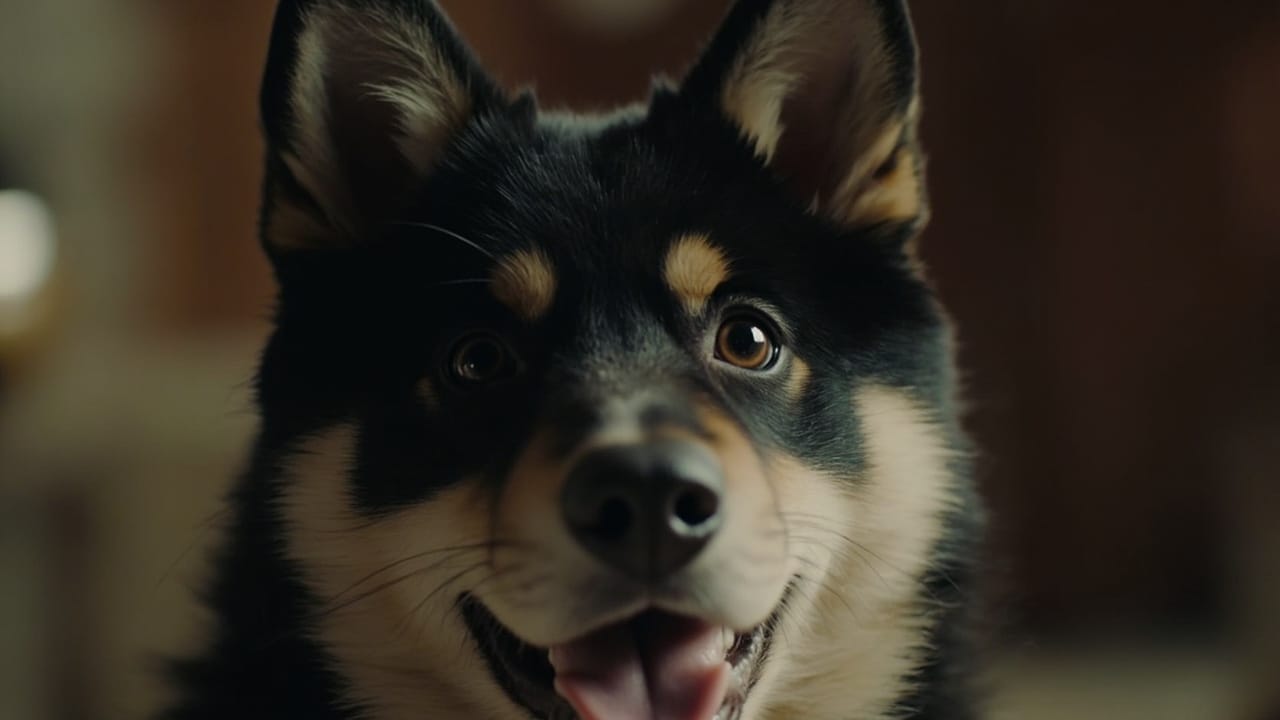
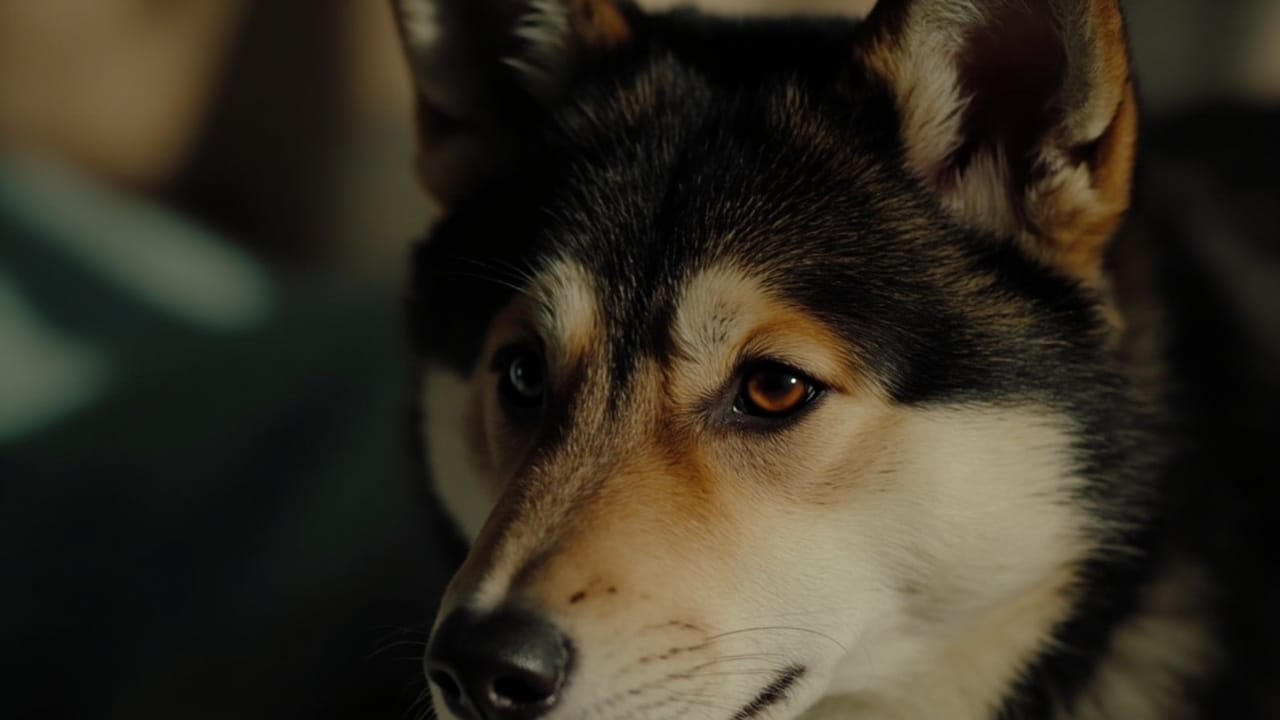
האם שיבה אינו נמצאים בסיכון לנפיחות (GDV)? מדריך מבוסס-וטרינריה
שיבה אינו אינם נכללים בין הגזעים בסיכון גבוה לנפיחות (GDV), אך המצב עדיין יכול להופיע, במיוחד אצל כלבים מבוגרים, כלבים בעלי חזה עמוק, וכאלה שניזונים מארוחה יומית אחת גדולה. הכרת הסימנים המוקדמים ופעולה בתוך דקות היא שמצילה חיים, כי GDV הוא מצב חירום כירורגי אמיתי.

נפיחות, הנקראת בשפה הקלינית GDV (התרחבות-פיתול קיבה), היא אחד ממצבי החירום המפחידים ביותר ברפואת כלבים. הקיבה מתמלאת בגז ובשלב הפיתול מסתובבת על עצמה, חוסמת את זרימת הדם ולוכדת אוויר. ללא ניתוח תוך מספר שעות, המצב קטלני. החדשות הטובות לבעלי שיבה: שיבה אינו אינם גזע בסיכון גבוה ל-GDV. החדשות הרעות: "סיכון נמוך" אינו "ללא סיכון", והאופי העצמאי של השיבה אומר שכלב חולה ינסה לרוב להסתיר תסמינים מוקדמים, כך שהאדם בחדר חייב להיות ערני.
הגזעים הנפגעים ביותר הם הענקים בעלי החזה העמוק: דנים ענקיים, פודלים סטנדרטיים, ויימרנרים, רועים גרמניים, בוקסרים, כלבי סנט ברנרד, סטרים איריים, סטרים גורדון, ובאסט האונד. שיבה בוגר טיפוסי שוקל רק כ-8-10 ק"ג עם חזה יחסית מתון, בדיוק סוג הגוף שנמצא הרבה מתחת לאזור הסיכון הסטטיסטי. הסיכון לכל החיים עבור דן ענק הוא בערך 1 מתוך 4; עבור שיבה, זה קרוב יותר ל-1 מתוך כמה מאות עד כמה אלפים, תלוי באיזה מאגר וטרינרי אתם קוראים. במילים אחרות, GDV אפשרי, אבל אתם לא צריכים לאבד שינה כמו בעלים של דן או פודל סטנדרטי.
עם זאת, לחלק משיבה אינו יש פרופיל סיכון מעט גבוה יותר וכדאי לזהות אותם.
גורמי סיכון שיכולים לחול על שיבה
- גיל. הסיכון ל-GDV עולה בחדות אחרי גיל 7. שיבה חיים באופן קבוע 13-16 שנים, כך ששנות הזקנה ארוכות, וערנות חשובה.
- צורת החזה. גם בתוך הגזע, לשיבה עם בית חזה עמוק וצר יש יותר סיכון מבני מאשר לשיבה קומפקטי ומרובע.
- היסטוריה משפחתית. קרוב משפחה מדרגה ראשונה שסבל מנפיחות הוא המנבא החזק ביותר. שאלו את המגדל שלכם.
- סגנון האכלה. אכילת ארוחה גדולה אחת ביום, אכילה מהירה מאוד, או אכילה מקערה מורמת קשורות לסיכון גבוה יותר בגזעים גדולים, וזהירות סבירה ליישם על כל כלב.
- מתח טמפרמנטלי. כלבים חרדתיים או פחדניים סובלים מנפיחות בתדירות גבוהה יותר. שיבה ידועים באופיים הסטואי וברגישותם למתח, כך שנסיעות, פנסיון, וסופות רעמים שווים מחשבה.
- כריתת טחול או ניתוח בטן קודם מגבירים מעט את הסיכון.
הסימנים המוקדמים: איך נראית נפיחות בפועל
GDV אינה עדינה ברגע שהיא מתפתחת, אך הסימנים הראשוניים יכולים להחמיץ אם אתם לא יודעים מה לחפש. לפי סדר הופעה:
- חוסר מנוחה, הליכה הלוך ושוב, חוסר יכולת להירגע
- בטן נפוחה, הדוקה, או תפוחה לעין, במיוחד מאחורי הצלעות בצד שמאל
- הקאות לא פוריות: הכלב נראה כאילו הוא מנסה להקיא אך מוציא רק קצף או כלום
- ריור, ליקוק שפתיים, סימני בחילה
- נשימה מהירה ודופק עולה
- חולשה, קריסה, חניכיים חיוורות עם התפתחות הלם
אם אתם רואים בטן מתנפחת וגם הקאות לא פוריות ביחד, אתם מתמודדים עם מצב חירום אמיתי. אל תחכו, אל תנסו "לראות אם זה עובר", אל תיסעו לווטרינר הרגיל אם זה מוסיף יותר מכמה דקות. סעו לבית החולים הווטרינרי הדחוף הקרוב והתקשרו מראש כדי שיוכלו להתכונן ל-GDV עם הגעתכם.
מה לעשות אם אתם חושדים בנפיחות
- רשמו את השעה שבה התחילו התסמינים; מנתחים משתמשים בכך כדי לחזות את חיוניות הקיבה.
- התקשרו למרפאת החירום הקרובה תוך כדי תנועה.
- אל תציעו אוכל, מים, או תרופות ביתיות.
- שמרו על הכלב רגוע ובעמידה או שכיבה על הצד שנוח לו יותר.
- צפו לצילומי רנטגן, ניקוז קיבה, ייצוב, וניתוח חירום עם gastropexy.
gastropexy מניעתי, תפירת הקיבה לדופן הבטן כך שלא תוכל להסתובב, הוא תוספת שגרתית עבור גזעים בסיכון גבוה ולפעמים מבוצע במקביל לסירוס או עיקור. עבור שיבה, בדרך כלל לא מומלץ כהליך מניעתי עצמאי, אך סביר לדון על כך עם הווטרינר שלכם אם לכלב הבודד שלכם יש חזה עמוק, היסטוריה משפחתית, או שהוא עובר הרדמה מסיבה אחרת.
מניעה מעשית עבור גזע בסיכון נמוך
מכיוון ששיבה סטטיסטית לא צפויים לסבול מנפיחות, האכלה הגיונית היא בדרך כלל מספיקה:
- האכילו שתיים או שלוש ארוחות קטנות במקום ארוחה גדולה אחת.
- השתמשו במאטה אכילה אם השיבה שלכם בולע את האוכל.
- הגבילו פעילות גופנית מאומצת למשך 60-90 דקות אחרי ארוחות.
- שמרו על מצב גוף רזה; השמנת יתר היא גורם סיכון שניתן לשנות.
- הכירו את צורת הבטן הרגילה של הכלב שלכם כדי שתוכלו לזהות נפיחות מוקדם.
- שמרו את המספר של בית החולים הווטרינרי הדחוף הקרוב ביותר בטלפון לפני שתצטרכו אותו.
השורה התחתונה: שיבה אינו הוא אחד הגזעים בסיכון הנמוך ביותר ל-GDV, ואתם סטטיסטית הרבה יותר צפויים להתמודד עם דלקת עור אטופית, פיקת ברך נשלפת, גלאוקומה, או תת-פעילות בלוטת התריס לאורך 13-16 שנות חיי הכלב. אבל "סיכון נמוך" הוא סיבה להיות מוכנים, לא סיבה להיות רגועים. למדו את הסימנים, נהלו את ההאכלה, וכבר עשיתם את הדברים שחשובים.
FAQ
How common is bloat in Shiba Inus compared to Great Danes?
שיבה אינו נמצאים הרבה מתחת לגזעים בסיכון גבוה. לדנים ענקיים יש סיכון לכל החיים של בערך 24-25%, בעוד ששיבה מוערכים באחוזים בודדים נמוכים עד שברירי אחוז, תלוי במקור. GDV עדיין יכול לקרות, כך שמודעות חשובה, אך זה לא דאגת בריאות מגדירה של הגזע.
What is the first sign of bloat I should watch for?
הקאות לא פוריות בשילוב עם בטן נפוחה או הדוקה לעין הוא סימן החירום הקלאסי. חוסר מנוחה, ריור, ואי-נוחות פתאומית לרוב מופיעים קודם, אך אם אתם רואים הקאות ללא הוצאת קיא והבטן נראית נפוחה, סעו מיד לווטרינר חירום.
Should I have my Shiba's stomach tacked (prophylactic gastropexy)?
עבור שיבה אינו טיפוסי, לא, זה לא מומלץ בשגרה. ההליך נשקל בדרך כלל אצל גזעי ענק בסיכון גבוה או כלבים עם חזה עמוק בתוספת היסטוריה משפחתית של GDV. אם השיבה שלכם כבר עובר הרדמה לסירוס, עיקור, או טיפול שיניים, סביר לשאול את הווטרינר אם gastropexy נוסף הגיוני עבור הכלב הבודד שלכם.
⚕️ This article is researched from the AKC and NIPPO breed standards, OFA/CHIC health data and veterinary sources. It is for general information only and is not a substitute for advice from your own veterinarian.