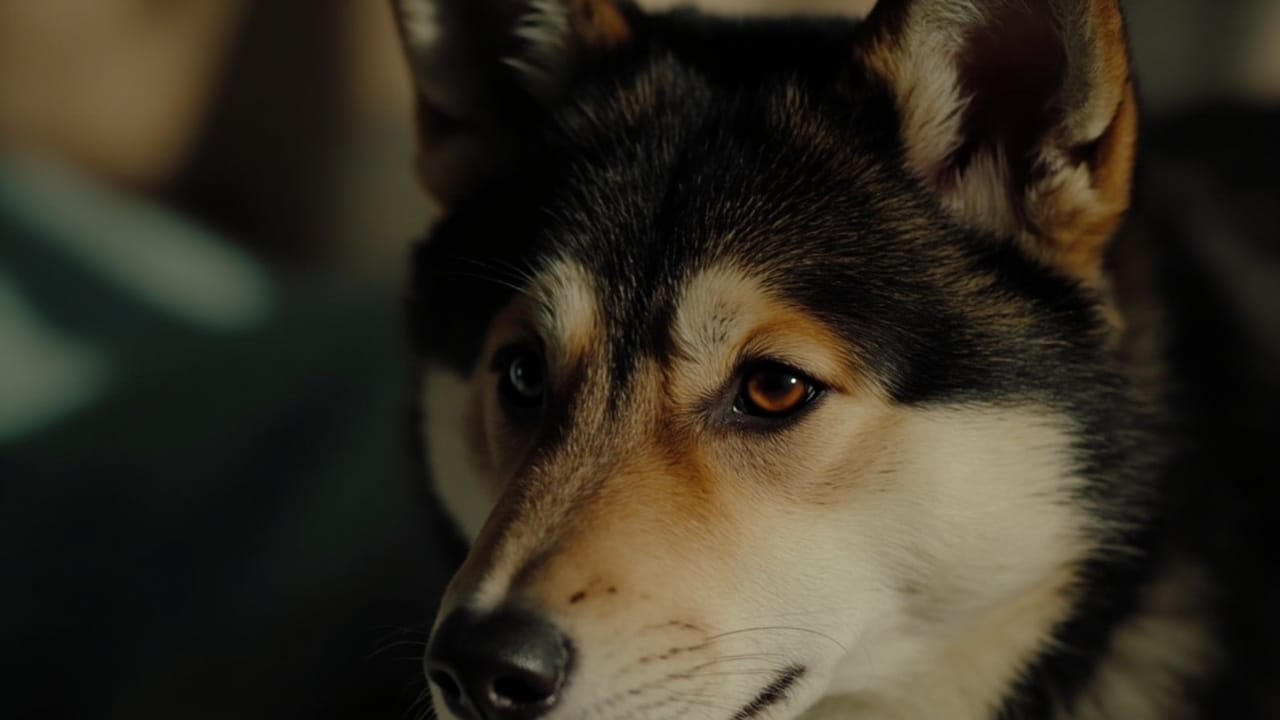
הגנה על השיבה אינו שלכם מלישמניאזיס בדרום אירופה
לישמניאזיס היא מחלה טפילית חמורה המועברת על ידי יתושי חול והיא אנדמית ברחבי ספרד, איטליה ויוון. שיבה אינוסים החיים במדינות אלו או נוסעים אליהן זקוקים למניעה לאורך כל השנה באמצעות חומרי הדברה מאושרים וטרינרית, חיסון היכן שהוא זמין, וניהול סביבתי. גילוי מוקדם באמצעות בדיקות דם סדירות משפר באופן דרמטי את התוצאות, שכן הטיפול שולט במחלה אך לעיתים רחוקות מרפא אותה.

לישמניאזיס נגרמת על ידי הטפיל הפרוטוזואי Leishmania infantum, המועבר דרך נשיכת יתושי חול נקבות ממשפחת ה-Phlebotominae. במדינות הים התיכון כמו ספרד, איטליה ויוון, השכיחות הסרולוגית בכלבים נעה בדרך כלל בין 10% ל-40% בהתאם לאזור, לאקלים ולאוכלוסיות הכלבים המקומיות. מכיוון שאין ריפוי מובטח והמחלה יכולה להיות קטלנית, מניעה היא האחריות החשובה ביותר עבור כל בעלי של שיבה אינו באזורים אלו.
מניעת ליבה: חומרי הדברה ודוחי חרקים
הבסיס למניעת לישמניאזיס הוא מניעת עקיצות יתושי חול. האפשרויות הנתמכות בראיות ביותר, כולן במרשם וטרינרי, הן:
- קולר Scalibor Protector (דלתאמתרין): יעילות ל-6 חודשים, מפחית עקיצות יתושי חול בעד 90% במחקרי שטח. בשימוש נרחב ברחבי ספרד ואיטליה.
- Advantix (אימידקלופריד + פרמתרין, spot-on): יישום חודשי, דוחה וקוטל חרקים, מכסה גם יתושים וקרציות.
- Vectra 3D (דינוטפורן, פיריפרוקסיפן, פרמתרין): דוחה חרקים בעל טווח רחב ביישום חודשי.
- Bravecto (פלורלנר) טבליה או spot-on: מוצר נגד פרעושים/קרציות בעיקרו, אך מראה דחייה מסוימת ושימושי כחלק מפרוטוקול משולב.
הקונצנזוס הווטרינרי באזורים אנדמיים הוא להשתמש בקולר לישמניצידי בשילוב עם spot-on, לאורך כל השנה, מכיוון שיתושי חול פעילים בכל פעם שהטמפרטורות עולות על ~15°C — כלומר רוב השנה בספרד החופית, דרום איטליה ואיי יוון.
חיסון: CaniLeish ו-Letifend
שני חיסונים זמינים באירופה:
- CaniLeish (ספרד וכמה שווקים באיחוד האירופי): קורס ראשוני של שלוש מנות, דחף שנתי, בתוספת בדיקת דם מהירה לאישור חשיפה לפני התחלה. מאושר לכלבים סרונגטיביים מגיל 6 חודשים.
- LetiFend (זמינות רחבה יותר באיחוד האירופי, כולל איטליה ויוון): פרוטוקול שנתי במנה בודדת, הוכח במחקרים כמפחית את הסיכון למחלה קלינית ואת עומס הטפילים, ולרוב קל יותר לשלב עם לוחות זמנים של נסיעות.
החיסון אינו מחליף חומרי הדברה — יש לשלבו תמיד עם קולרים או spot-on. תמיד אשרו טיטר לישמניה שלילי לפני החיסון, שכן חיסון כלבים נגועים אינו יעיל.
אמצעים סביבתיים ואורח חיים
יתושי חול פעילים בשעות הדמדומים והלילה, עם יכולת תעופה חלשה. צעדים מעשיים:
- השאירו את השיבות בבית מרגע שקיעת החמה עד עלות השחר, במיוחד בקיץ ובתחילת הסתיו (שיא ההעברה).
- התקינו רשתות עדינות על חלונות ודלתות; יתושי חול קטנים יותר מיתושים רגילים וחודרים דרך רשתות סטנדרטיות.
- הימנעו ממים עומדים ופסולת אורגנית בגינה.
- לעולם אל תשאירו שיבה בכלבייה חיצונית בלילה באזורים אנדמיים.
- בנסיעות, בדקו את השכיחות ביעד — האיים הבלאריים, סרדיניה, סיציליה, כרתים והפלופונסוס הם בסיכון גבוה במיוחד.
גילוי מוקדם: בדיקות דם כל 6–12 חודשים
מכיוון שכלבים רבים נגועים הם תת-קליניים במשך חודשים או שנים, סקירה סדירה חיונית. בדיקות מומלצות:
- סרולוגיה כמותית (ELISA או IFA) לנוגדני Leishmania, כל 6–12 חודשים.
- PCR על דם או אספירציה של בלוטת לימפה אם הסרולוגיה חיובית או שמופיעים תסמינים.
- בדיקות דם שגרתיות (ספירת דם, ביוכימיה, אלקטרופורזה של חלבונים) לזיהוי שינויים מוקדמים בכליות או בכבד.
טיפול בשלב מוקדם עם פרוטוקולי אלופורינול, מילטפוסין או דומפרידון יעיל בהרבה מהתערבות מאוחרת, ושיבות רבות חיים חיים נורמליים כאשר המחלה מתגלה מוקדם.
זיהוי תסמינים
שימו לב ל: ירידה במשקל, עייפות, בלוטות לימפה מוגדלות, נשירת שיער סביב העיניים והחוטם, כיבי עור, דימומים מהאף, צליעה, שינויים בכליות ודלקת עיניים. שיבה אינוסים הם לרוב סטואיים, כך שסימנים עדינים חשובים.
פרספקטיבת סיכון ריאליסטית
גם עם מניעה מלאה, אף פרוטוקול אינו 100%. המטרה הריאליסטית בספרד, איטליה או יוון היא להפחית סיכון באופן דרמטי ולתפוס זיהום מוקדם. לשיבה אינו עם קולר Scalibor או Advantix לאורך כל השנה, בתוספת חיסון ובדיקות דם שנתיות, יש סיכוי חזק מבוסס ראיות להישאר נקי מלישמניה לכל החיים.
רשימת מניעה מהירה לבעלי שיבה בים התיכון
- קולר Scalibor (מוחלף כל 6 חודשים)
- Advix או Vectra 3D spot-on חודשי
- חיסון CaniLeish או LetiFend לאחר טיטר שלילי
- שגרת בית משקיעה לזריחה
- רשתות חלונות עדינות
- בדיקת דם כל 6–12 חודשים
- בדיקה וטרינרית שנתית כולל ערכי כליות
FAQ
באיזה גיל כדאי להתחיל מניעת לישמניאזיס לגור השיבה אינו שלי בספרד?
קולרי חומרי הדברה ו-spot-ons יכולים בדרך כלל לשמש מגיל 7–8 שבועות בהתאם למוצר. חיסון (CaniLeish או LetiFend) דורש שהגור יהיה לפחות בן 6 חודשים ומאומת סרונגטיבי תחילה.
האם השיבה אינו שלי יכול עדיין לחלות בלישמניאזיס גם עם קולר Scalibor וחיסון?
כן, אף פרוטוקול אינו יעיל ב-100%, אך שילוב של קולר דלתאמתרין עם דוחה spot-on וחיסון מפחית את הסיכון בכ-80–95% במחקרי שטח. זו הסיבה שבדיקות דם סדירות נשארות חיוניות.
האם לישמניאזיס ניתנת לריפוי בכלבים?
ריפוי קליני אפשרי בכלבים מסוימים, אך רוב השיבות המטופלים נשארים נגועים כרונית. הטיפול מכוון לשלוט בתסמינים, להפחית את עומס הטפילים ולהאריך חיים נורמליים ובריאים, וזו הסיבה שמניעה וגילוי מוקדם חשובים כל כך.
האם כדאי לבדוק את השיבה שלי ללישמניאזיס לפני נסיעה ליוון או איטליה?
כן. בצעו בדיקת טיטר לישמניה בסיסית, ספירת דם מלאה וביוכימיה לפני הנסיעה, ולאחר מכן חזרו על הבדיקות 6 חודשים לאחר ההגעה או החשיפה. המשיכו תמיד בחומרי הדברה מונעים במהלך הנסיעה ואחריה.
⚕️ This article is researched from the AKC and NIPPO breed standards, OFA/CHIC health data and veterinary sources. It is for general information only and is not a substitute for advice from your own veterinarian.