תזונה גולמית מול כופתאות לשיבה אינו: מה עדיף?
אף תזונה – גולמית או כופתאות – אינה עדיפה באופן גורף עבור שיבה אינו. תזונה גולמית מאוזנת תומכת באיכות הפרווה ובמסת שריר רזה, אך דורשת טיפול זהיר ותוספים, בעוד שכופתאות איכותיות בטוחות יותר, נוחות יותר, ומנוסחות באופן שמונע את הפערים התזונתיים שתזונה גולמית עלולה ליצור. הבחירה הטובה ביותר היא זו שאתם יכולים להכין ולאחסן בבטחה מדי יום.
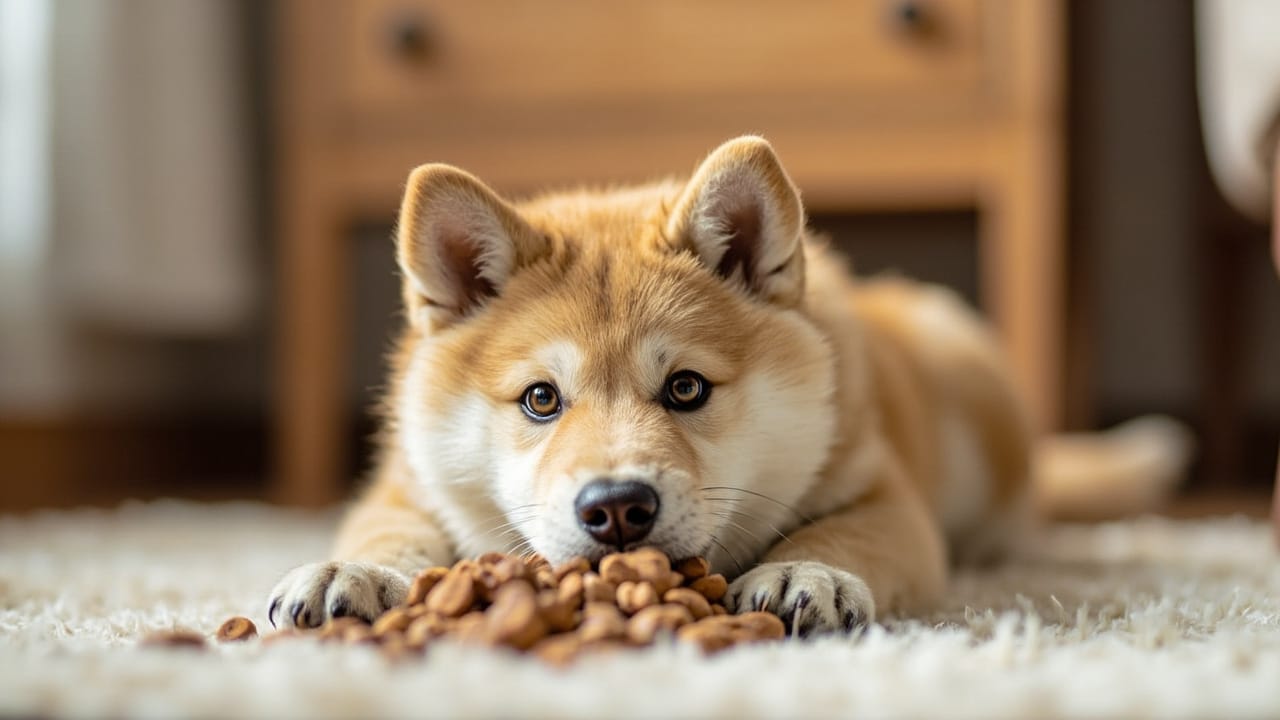
הבחירה בין תזונה גולמית לכופתאות היא אחת הנושאים השנויים ביותר במחלוקת בקרב בעלי שיבה אינו, והתשובה הכנה היא ששתיהן יכולות לעבוד כשהן נעשות נכון. שיבות משגשגות על כל תזונה שהיא תזונתית-שלמה, מטופלת בבטחה, ומתאימה לגיל, לבריאות ולאורח החיים של הכלב הבודד. ההחלטה תלויה בסופו של דבר ביכולתכם לנהל בטיחות מזון, לאזן רכיבים תזונתיים, ולשמור על עקביות.
מדוע בעלי שיבה שוקלים תזונה גולמית
תזונות גולמיות כוללות בדרך כלל בשר שריר גולמי, בשר איברים, עצמות גולמיות, ואיזון של ירקות ותוספים. בעלי שיבה רבים מדווחים על יתרונות גלויים: פרווה כפולה מבריקה יותר, צואה קטנה ומוצקה יותר, שיניים נקיות יותר, ומצב גוף רזה יותר. זאת בין היתר משום ששיבות הן גזע עתיק ופרימיטיבי שהיסטורית ניזון מתזונה מגוונת ועתירת בשר כ"כלבי brushwood" באזורים ההרריים של יפן.
עם זאת, תזונה גולמית אינה אוטומטית טובה יותר. תזונה גולמית מתוכננת בצורה גרועה עלולה לגרום לחוסר איזון בין סידן לזרחן, למחסור ביוד, ולרמות טאורין לא מספיקות. שיבות גם נוטות לדיספלזיה של מפרק הירך ולפריקת פיקה – מצבים שבהם גדילה יציבה והתפתחות עצם תקינה חשובים, במיוחד במהלך 12 החודשים הראשונים.
המקרה המעשי לכופתאות איכותיות
כופתאות פרימיום מודרניות מנוסחות בהתאם לתקני AAFCO או FEDIAF, ומספקות חלבון, שומן, ויטמינים ומינרלים מאוזנים בכל כף. עבור בעלים עסוק, כופתאות מבטלות את הניחושים, מקצרות את זמן ההכנה, ומאוחסנות בבטחה בטמפרטורת החדר. הן גם תומכות בבריאות השיניים בצורה סבירה כשמשלבים אותן עם צעצועי לעיסה או צחצוח יומי – מה שחשוב כי שיבות אינן חסינות ממחלת חניכיים ככל שהן מתבגרות.
כופתאות גם משתלבות בקלות עם מזונות אחרים. בעלים רבים מערבבים כופתאות עם תוספות גולמיות, ציר עצמות, או ירקות מבושלים כדי לקבל את הנוחות של הכופתאות עם חלק מהמעדניות והיתרונות לעור ולפרווה של מזון טרי.
שיקולי בריאות ובטיחות
לתזונות גולמיות יש סיכונים מתועדים. עוף גולמי וחזיר גולמי יכולים לשאת סלמונלה, קמפילובקטר וליסטריה, שעלולות לחולל מחלה הן בכלבים והן בבני אדם. עצמות עלולות לשבור שיניים או לגרום לחסימת מעיים – חשש אמיתי עבור גזע קטן אך שרירי כמו השיבה. גורים, שיבות מבוגרות, וכלבים עם מחלה כרונית פגיעים במיוחד.
גם כופתאות אינן חפות מסיכון. חלק מהשיבות מפתחות דלקת עור אטופית או רגישויות למזון שמשתפרות עם תזונה בעלת מרכיבים מוגבלים או חלבון מומס – דבר שקשה יותר לשחזר בבית. כופתאות הכוללות דגנים בדרך כלל מתאימות לשיבות; תזונות ללא דגנים נקשרו לחששות של קרדיומיופתיה מורחבת (DCM) בחלק מהגזעים, אם כי שיבות אינן בין הנפגעות העיקריות.
כמה ובאיזו תדירות להאכיל
שיבה בוגרת זקוקה בדרך כלל לכ-150–200 גרם מזון ביום, מחולק לשתי ארוחות, תלוי ברמת הפעילות ובמצב הגוף. גורים מתחת לגיל חצי שנה מסתדרים היטב עם שלוש עד ארבע ארוחות ביום כדי לייצב את רמות הסוכר בדם ולתמוך בגדילה יציבה. שימו לב ל"שיבה 500" – ההתפרצויות של ריצות זומבי אחרי הארוחה – והתאימו את המנות אם הכלב שלכם עולה או יורד במשקל באופן בלתי צפוי.
אם מאכילים תזונה גולמית, כוונו לכ-80% בשר שריר, 10% עצם גולמית, 5% כבד, ו-5% איברים מפרישים אחרים, בתוספת מקורות אומגה-3 כמו סרדינים או שמן דגים. אם מאכילים כופתאות, בחרו פורמולה עם חלבון מן החי מזוהה בשמו כמרכיב הראשון, שומן מתון (12–16%), וללא חומרי מילוי מיותרים.
בחירה נכונה עבור השיבה שלכם
עבור רוב הבעלים, כופתאות איכותיות ממותג מוכר הן הבסיס הבטוח והאמין ביותר. זה הגיוני במיוחד עבור בעלי שיבה מתחילים, משקי בית עם מספר כלבים, ובתים עם ילדים קטנים או בני משפחה בעלי מערכת חיסון מוחלשת. תזונה גולמית היא אפשרות לגיטימית עבור בעלים מנוסים שיכולים להתחייב למתכונים מאוזנים, לטיפול היגייני, ולבדיקות וטרינר תקופתיות הכוללות בדיקות דם.
בכל דרך שתבחרו, האכילו לפי מצב הגוף ולא לפי התווית שעל השק, שקלו את הכלב שלכם מדי חודש, וקבעו בדיקות דם שנתיות. תוחלת החיים של 13–16 שנים אצל שיבה היא מהארוכות שבכל גזע, ואריכות ימים זו נבנית על תזונה עקבית ושלמה לאורך שנים רבות – לא על טרנד תזונתי חד-פעמי.
FAQ
האם מזון גולמי בטוח עבור גורי שיבה אינו?
האכלה גולמית מסוכנת יותר עבור גורים מכיוון שמערכת החיסון שלהם עדיין מתפתחת והם זקוקים לאיזון מדויק של סידן וזרחן לגדילת עצם בריאה. רוב הווטרינרים ממליצים על כופתאות איכותיות לגורים לפחות עד גיל 12 חודשים.
האם שיבה אינו זקוקות למזון ללא דגנים?
לא בהכרח. תזונות ללא דגנים נקשרו לבעיות לב בחלק מהגזעים, ואין ראיות חזקות לכך ששיבות נהנות מהימנעות מדגנים, אלא אם יש להן אלרגיה ספציפית.
כמה עליי להאכיל את השיבה הבוגרת שלי ביום?
רוב השיבות הבוגרות זקוקות לכ-150–200 גרם מזון ביום, מחולק לשתי ארוחות. התאימו בהתאם למצב הגוף, לרמת הפעילות ולכמות החטיפים, ולא רק לפי התווית שעל האריזה.
האם אני יכול לערבב מזון גולמי וכופתאות באותה ארוחה?
הדעות חלוקות. בעלים רבים מערבבים את שניהם בבטחה על ידי האכלה בארוחות נפרדות בהפרש של מספר שעות, מה שמפחית עומס עיכולי ומאפשר לשלב את הנוחות של הכופתאות עם המעדניות של המזון הגולמי.