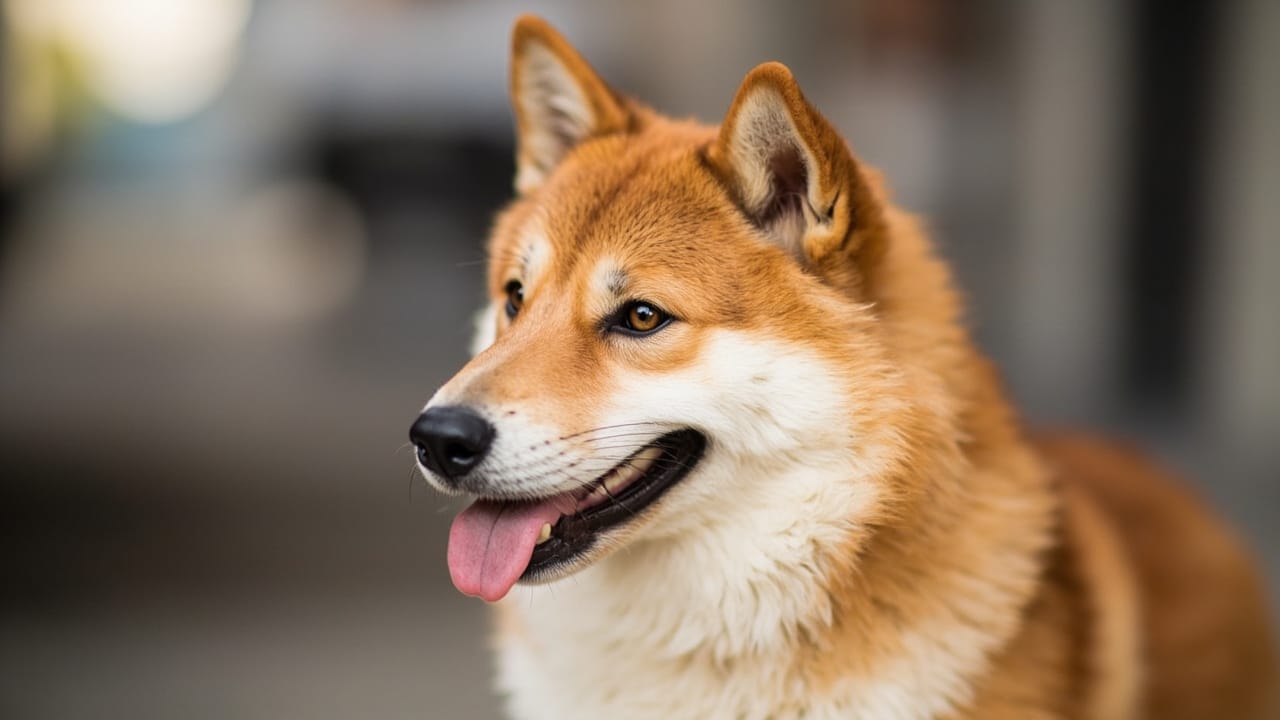
חוק רווחת בעלי החיים של ספרד וגיל גור שיבה אינו: מה שקונים חייבים לדעת
חוק רווחת בעלי החיים של ספרד (Ley 7/2023) אינו קובע את הגיל המינימלי החוקי לקניית גור שיבה אינו ישירות, אך הוא מחייב שלא ניתן להפריד גורים מאימם לפני גיל 8 שבועות (12 שבועות לכלבים). מגדלי שיבה אינו מכובדים בספרד לא ימסרו גור לפני גיל 12 שבועות, וזהו הגיל שרוב הקונים צריכים לצפות להביא הביתה.

קניית גור שיבה אינו בספרד מגיעה עם מסגרת חוקית ברורה שנועדה להגן על כלבים צעירים. תחת חוק רווחת בעלי החיים הלאומי, Ley 7/2023, de 28 de junio, de protección de los derechos y el bienestar de los animales, הגיל המוקדם ביותר שגור מכל גזע, כולל שיבה אינו, יכול להיות מופרד לצמיתות מאימו הוא 8 שבועות, עם מינימום מחמיר יותר של 12 שבועות במקרים מסוימים. עבור קונים, המשמעות היא שאתה לא צריך — ולא יכול חוקית — לקחת הביתה שיבה אינו צעיר מ-8 שבועות, ורוב המגדלים האתיים לא יתנו לגור לעזוב לפני גיל 12 שבועות ללא קשר למה שהחוק מתיר טכנית.
זה חשוב במיוחד עבור שיבה אינו. הגזע ידוע במזג העצמאי, דמוי החתול שלו, וסוציאליזציה מוקדמת בין גיל 8 ל-12 שבועות היא קריטית לעיצוב כלב בוגר בטוח בעצמו. הפרדת שיבה מוקדם מדי קשורה לפחד, תגובתיות, ושמירה על משאבים בהמשך החיים — בעיות שקשה להפוך בגזע שכבר מועד להיות מרוחק עם זרים.
מה החוק באמת אומר
Ley 7/2023 החליף את הסטטוטים הישנים יותר של הגנת בעלי חיים והידק מספר כללים סביב גידול ומכירות. הנקודות המרכזיות עבור קוני גורים הן:
- גיל הפרדה מינימלי: לא ניתן להפריד גורים לצמיתות מהאם לפני גיל 8 שבועות. עבור גזעים עם צורכי סוציאליזציה ספציפיים — שמפורשים על ידי רשויות אזוריות ורוב הגופים הווטרינריים שכוללים גזעי ליווי כמו שיבה אינו — המינימום המומלץ הוא 12 שבועות.
- בדיקה וטרינרית חובה: כל גור חייב לקבל בדיקת בריאות וטרינרית לפני העברה, והמגדל חייב לספק רישום בריאות מלא כולל חיסונים ותילוע.
- זיהוי: כל הגורים חייבים להיות משובבים ורשומים ב-Registro de Identificación de Animales de Compañía (RIAC) של הקהילה האוטונומית שלהם לפני מכירה.
- חוזה מכירה ואחריות בריאות: נדרש חוזה בכתב, ומגדלים אחראים לפגמים מולדים שנחשפים בתוך תקופה מוגדרת.
- איסור מכירה בחנויות חיות מחמד: מיישום מלא של החוק, לא ניתן להציג או למכור כלבים דרך חנויות חיות מחמד; עסקאות חייבות להתרחש במקום המגדל או דרך ערוצים מוסדרים.
הפרות עלולות לגרור קנסות הנעים בין €500 ל-€200,000, בהתאם לחומרה.
למה מגדלי שיבה אחראים מחכים עד 12 שבועות
למרות שהחוק מתיר 8 שבועות, כמעט שום מגדל שיבה אינו מכובד בספרד לא ישחרר גור בגיל כה צעיר. שלוש שושלות הדם ששרדו של הגזע (Shinshu, Mino, ו-San'in) שוחזרו לאחר הכחדה כמעט מוחלטת ביפן שלאחר מלחמת העולם השנייה, ומגדלים שמרו על פרוטוקולי סוציאליזציה מחמירים. גורים בדרך כלל נשארים עם האם והאחים עד 10–14 שבועות, שבמהלכם הם:
- משלימים את שני הסבבים הראשונים של החיסונים (בדרך כלל בגיל 8 ו-12 שבועות)
- לומדים עיכוב נשיכה מהאחים
- חווים גירוי נוירולוגי מוקדם וחשיפה לקולות ביתיים
- מפתחים את הבסיס הרגוע והבטוח שעושה את השיבה לניתן לניהול כבוגר
אם מגדל מציע לך שיבה אינו בגיל 6 או 7 שבועות, לכי/ך — זהו גם דגל אדום וכנראה הפרת חוק.
מה לבדוק לפני שאתה קונה
בעת קניית שיבה אינו בספרד, בקש:
- CIF/NIF ורישום מגדל ברישום בעלי החיים של האזור שלך (RAIA, RIAC, או שווה ערך)
- מספר שבב שתואם לדרכון
- כרטיס חיסון ויומן תילוע חתומים על ידי וטרינר מורשה
- תוצאות בדיקת בריאות להורים — לפחות ציוני ירך שווי ערך ל-OFA ובדיקות עיניים (CER/ECVO). בדיקות תקן CHIC בארה"ב כוללות ירכיים, פיקות, ועיניים; המקבילה הספרדית צריכה לכסות דיספלזיה של הירך (לשיבות יש שיעור דיספלזיה של כ-7.6%), פיקה ניתנת לפריקה, ומצבי עיניים כולל גלאוקומה ו-PRA.
- תיעוד שושלת מ-RSCE (Real Sociedad Canina de España) אם הכלב רשום
שיבה אינו מגודל היטב בספרד עולה בדרך כלל €1,400–€2,500 ממגדל תחביב או תצוגה מכובד, ו-€3,000–€5,000+ עבור כלבי קו תצוגה מובילים או איכות יבוא. שיבות מאימוץ דרך ארגונים כמו Shiba Inu Rescue España עולים בערך €250–€500.
דגלים אדומים שיש להימנע מהם
- מוכרים המציעים גורים מתחת לגיל 8 שבועות
- ללא שבב או ניירת RIAC
- פגישה בחניון ולא בבית המגדל
- מספר גזעים תמיד זמינים (טחנות גורים)
- ללא בדיקות בריאות להורים
- מחירים הרבה מתחת לשוק (מתחת ל-€800) ללא הסבר
החוק של ספרד נותן לך גיבוי חוקי לסרב לכל אחד מהתרחישים הללו, ומגדלים שמכבדים את תקן 12 השבועות כמעט תמיד מכבדים את שאר מסגרת הרווחה גם כן.
FAQ
האם זה חוקי לקנות גור שיבה אינו בגיל 8 שבועות בספרד?
כן, 8 שבועות הוא המינימום החוקי תחת Ley 7/2023, אך רוב מגדלי שיבה אינו מכובדים לא ישחררו גור עד גיל 10–14 שבועות מסיבות של סוציאליזציה וחיסון.
האם אני צריך לרשום את השיבה אינו שלי לאחר קנייתו בספרד?
כן. הגור צריך כבר להיות משובב ורשום במערכת RIAC/RAIA של האזור שלך על ידי המגדל, ואתה חייב לעדכן את הבעלות לשמך בתוך פרק הזמן שנקבע על ידי הקהילה האוטונומית שלך (בדרך כלל 30 יום).
האם אני יכול לייבא גור שיבה אינו מחוץ לספרד?
כן, אך הגור עדיין חייב להיות לפחות בן 8 שבועות (15 שבועות לציות לחיסון כלבת תחת כללי נסיעות חיות מחמד של האיחוד האירופי) ולעמוד בדרישות הבריאות והזיהוי של ספרד לייבוא, כולל דרכון חיית מחמד תקף של האיחוד האירופי.
מהו המחיר הממוצע של שיבה אינו ממגדל ספרדי רשום?
צפה לשלם €1,400–€2,500 עבור שיבה אינו באיכות חיית מחמד ממגדל רשום מכובד בספרד, ו-€3,000–€5,000+ עבור קווי תצוגה או יבוא. אימוץ הצלה הוא בדרך כלל €250–€500.