Nehezen taníthatók a Shiba Inuk? Őszinte útmutató gazdiknak
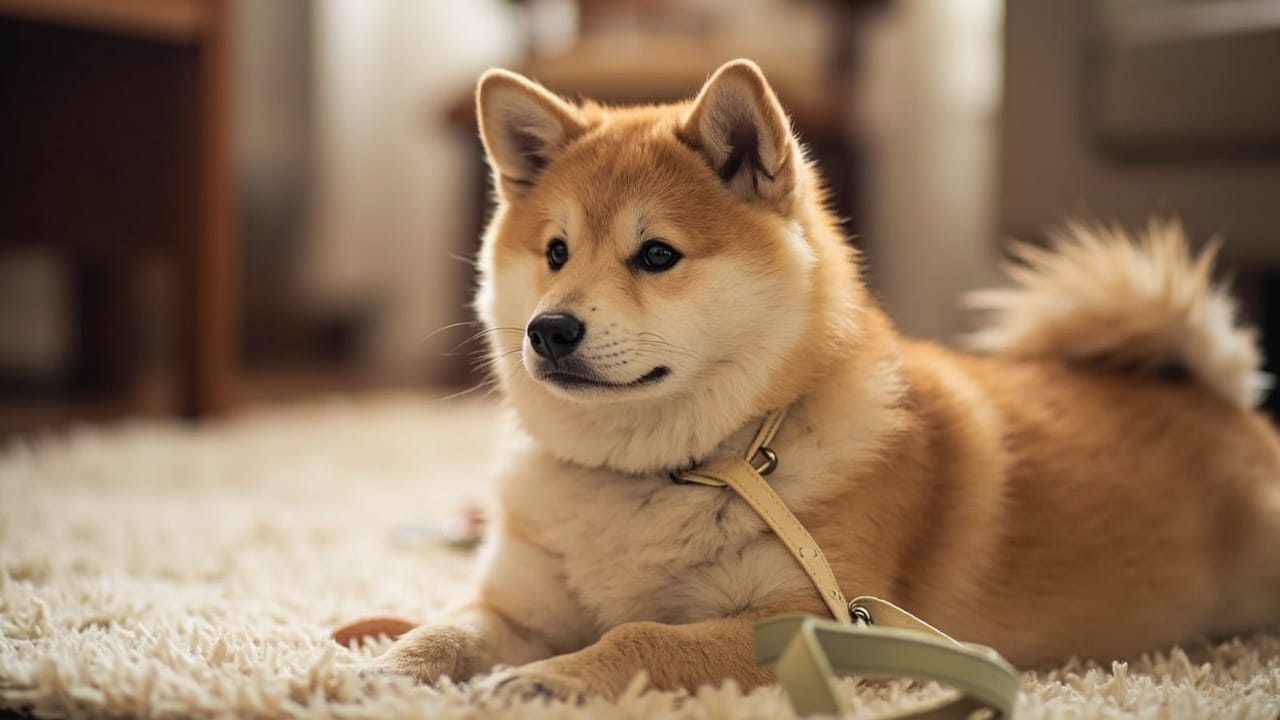
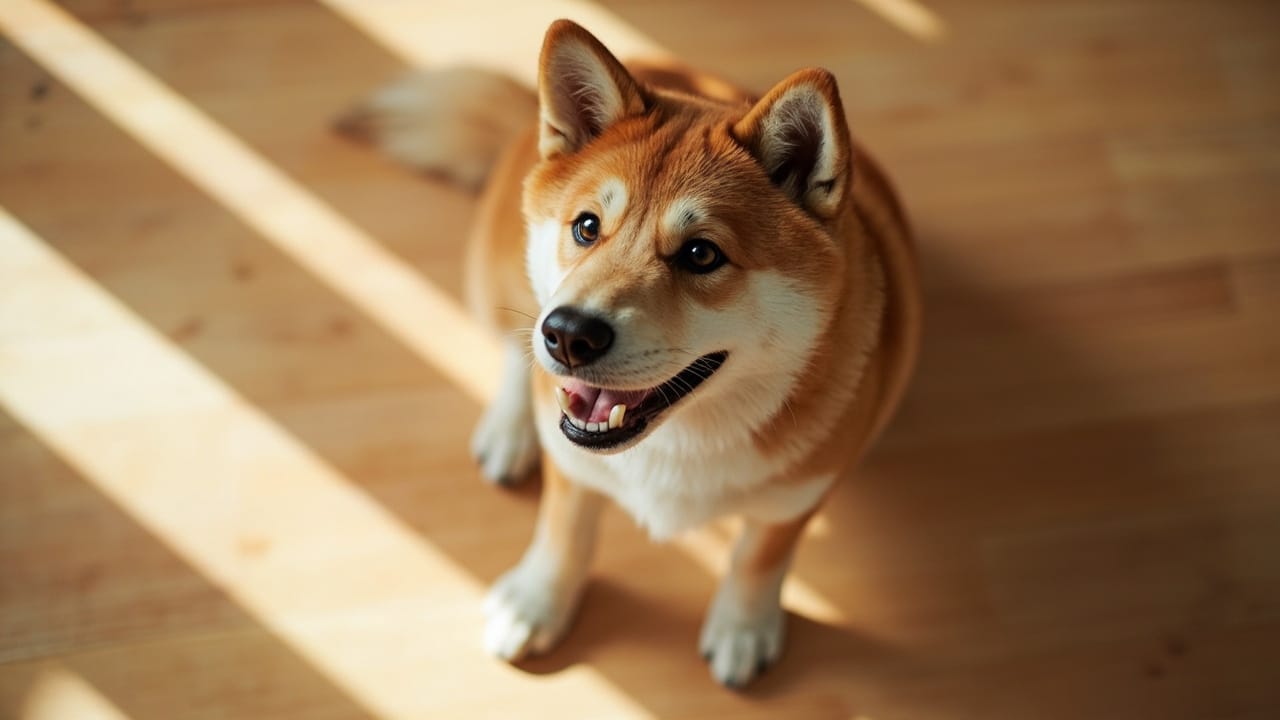
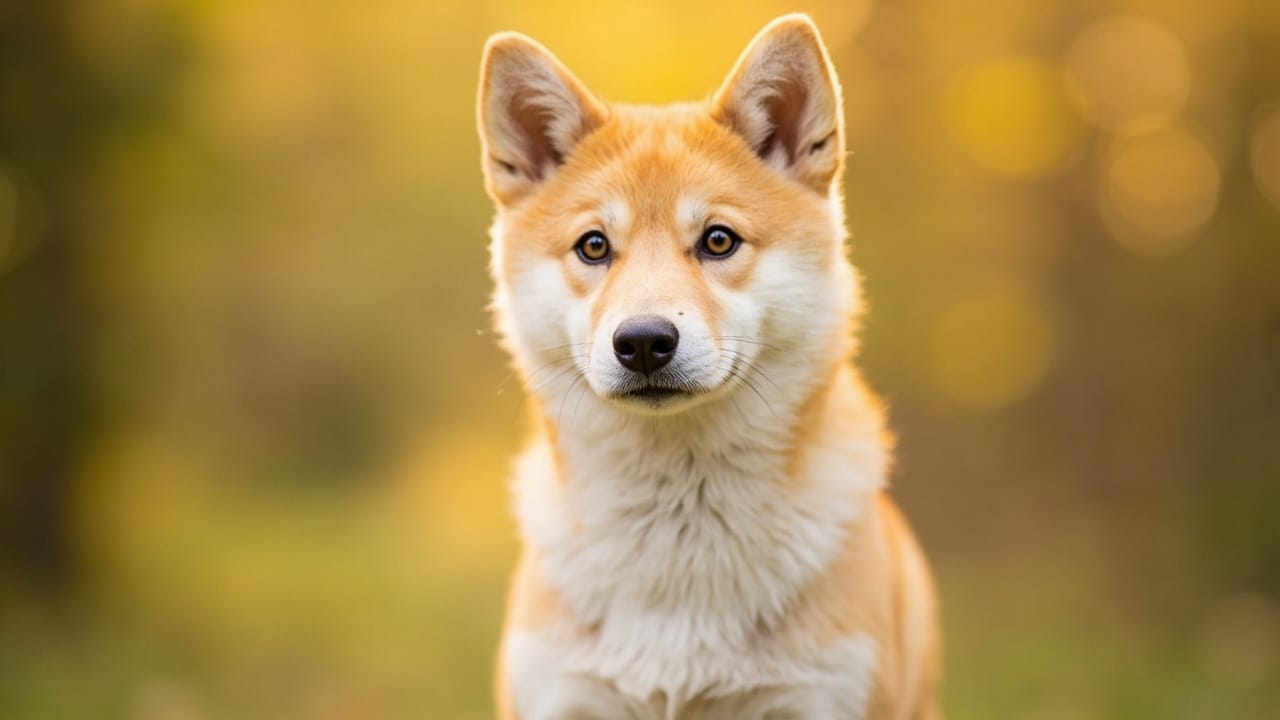
A Shiba Inuk széles körben a nehezebben tanítható kutyafajták közé tartoznak független, macskaszerű vérmérsékletük miatt. Nem dacosak magától értetődően – arra tenyésztették őket, hogy egyedül vadásszanak Japán hegyeiben, és emberi irányítás nélkül hozzanak döntéseket. Rövid, jutalom alapú foglalkozásokkal, korai szocializációval és következetes határokkal a legtöbb Shiba megtanulja az alapvető engedelmességet és a házirendet, de sosem lesz belőlük lelkesen engedelmeskedő Labrador.

Miért híresek a Shiba Inuk arról, hogy nehezen taníthatók
A Shiba Inuk független, önálló gondolkodók. A fajtát Japán hegyvidéki területein alakították ki, hogy kisebb vadat hajtson fel: ehhez a munkához a kutyának távol a vadásztól kellett dolgoznia, és önállóan, villámgyors döntéseket kellett hoznia. Ez a szelektív múlt a mai modern Shiba minden egyedében benne van, és a tanításban szelektív hallásként, kreatív problémamegoldásként, valamint szinte macskás "akkor engedelmeskedem, ha kedvem tartja" hozzáállásként jelenik meg. Intelligensek – Stanley Coren munkakutya-intelligencia listáján gyakran az első 40-ben szerepelnek –, de intelligenciájuk problémamegoldó intelligencia, nem engedelmességi intelligencia.
Azok a viselkedésformák, amelyek megzavarják az új gazdikat
Számos klasszikus Shiba-viselkedés zavarba ejti a kezdő gazdikat, és gyakran makacsságnak vélik őket:
- A „Shiba sikoly” – hátborzongató vokalizáció, amelyet akkor hallat a kutya, ha nem tetszik neki, hogy megfogják, ápolják, vagy olyasmire kényszerítik, amit nem szeret. Nem agresszió, hanem drámai tiltakozás.
- Szelektív visszahívás – gyakran tökéletesen ismeri a jelet, mégis figyelmen kívül hagyja, mert valami érdekesebb van (egy mókus, egy falevél, egy másik kutya).
- Az „500-as Shiba” – hirtelen, vad rohangálásrohamok, általában a szabadban, amikor a kutya egyszerűen nem hajlandó visszajönni.
- Erőforrás-őrzési hajlam – az ételt, játékokat, fekhelyeket, sőt akár a kedvenc embert is őrizheti, ha nem szabnak határokat elég korán.
- Szökési művészet – a Shibák híresek arról, hogy átmásznak, aláásnak és átpréselik magukat a kerítéseken.
Ezek a tulajdonságok nem tanítási kudarcok. A fajta sajátosságai. A tanítási megközelítésnek számolnia kell velük, nem pedig küzdenie ellenük.
Ami valóban működik a Shibáknál
A Shibák nem reagálnak az ismétlésen, az erőszakon vagy a büntetésen alapuló tanításra. Kikapcsolnak, elkerülővé válnak, és egyes esetekben eszkalálódnak. Azok a módszerek, amelyek következetesen eredményt hoznak:
- Kizárólag pozitív megerősítés – kis, nagy értékű jutalomfalatok (fagyasztva szárított csirke, sajt, valódi hús), amelyeket a helyes viselkedés pillanatában adunk.
- Nagyon rövid foglalkozások – napi 3-5 alkalom, alkalmanként 3-5 perc, veri a hosszú ülést, ahol a kutya megunja és kikapcsol.
- Természetes viselkedések megragadása – a Shibák folyamatosan kínálnak fel viselkedéseket; jutalmazd azokat, amelyeket szeretnél, ahelyett, hogy csalogatnád vagy erőltetnéd.
- Korai, széleskörű szocializáció – 8 és 16 hetes kor között tedd ki a kölyköt emberek tucatjainak, kutyáknak, felületeknek, hangoknak és kezelési feladatoknak. Ez a Shiba élete során a legjobb befektetés.
- Menedzselés a tanítás előtt – babaházak, ketrecek és pórázok megakadályozzák a nem kívánt viselkedések begyakorlását (pultokra ugrálás, ajtón kirohanás), amíg a kutya megtanulja az alternatívákat.
- Kőkemény visszahívás az első naptól kezdve – hosszú pórázon, biztonságos, kerített területen gyakorold. Soha ne hívd a Shibát büntetésre vagy körömvágásra. Mindig fizess bőségesen.
- Egységes szabályok a háztartásban – a „néha igen, néha nem” olyan Shibát eredményez, aki a háztartást irányítja.
Reális elvárások: így néz ki egy jól nevelt Shiba
A jól nevelt Shiba nem Border Collie. Nem fog parancsra teljesíteni a nappaliban, vendégek előtt. Nem fog megbízhatóan póráz nélkül dolgozni nyílt területen. Egy reális, jól nevelt Shiba:
- 90%+ arányban laza pórázon sétál.
- Kerített udvaron belül visszajön hívásra (nyilvános helyen póráz nélkül a legtöbb Shiba esetében nem reális elvárás).
- Ismer egy stabil „hagyd”, „várj” és „helyedre” parancsot.
- Udvarias idegenekkel, ha kap teret és nem kényszerítik üdvözlésre.
- Ápolható, állatorvos által kezelhető és fürdethető a Shiba sikoly nélkül (vagy sokkal enyhébb tiltakozással).
- Tisztán szobatiszta, az első néhány hónap után nincsenek balesetek.
Haladó engedelmesség, rally, szagmunka és még agility is abszolút elérhető a motivált Shiba és gazdi számára – gyakran teljesítménysportokban is megjelennek „kihívás fajtaként”. De számolj azzal, hogy egy Golden Retrieverhez képest 2-3-szor annyi edzésidőt kell belefektetni ugyanazért az eredményért.
Shiba a megfelelő kutya, ha könnyen tanítható házikedvencet szeretnél?
Őszinte válasz: valószínűleg nem. Ha a prioritásod egy kezelhető, gazdira figyelő, póráz nélkül megbízható kutya, nézz Labrador Retriever, Border Collie vagy Golden Retriever felé. Ha a prioritásod egy tiszta, csendes, macskaszerű társ, aki önállóan gondolkodik, hosszú, 13-16 éves élettartammal bír, és a türelmes, kreatív tanítást egy igazán kiérdemelt kötődéssel jutalmazza – a Shibát nehéz felülmúlni. Nehéz, de nem lehetetlen, és azok a kutyák, amelyek a következetes, kedves tanítás végén kikerülnek, a kutyavilág legkifizetődőbb társai közé tartoznak.
FAQ
Hány éves korban érdemes elkezdeni egy Shiba Inu kölyök tanítását?
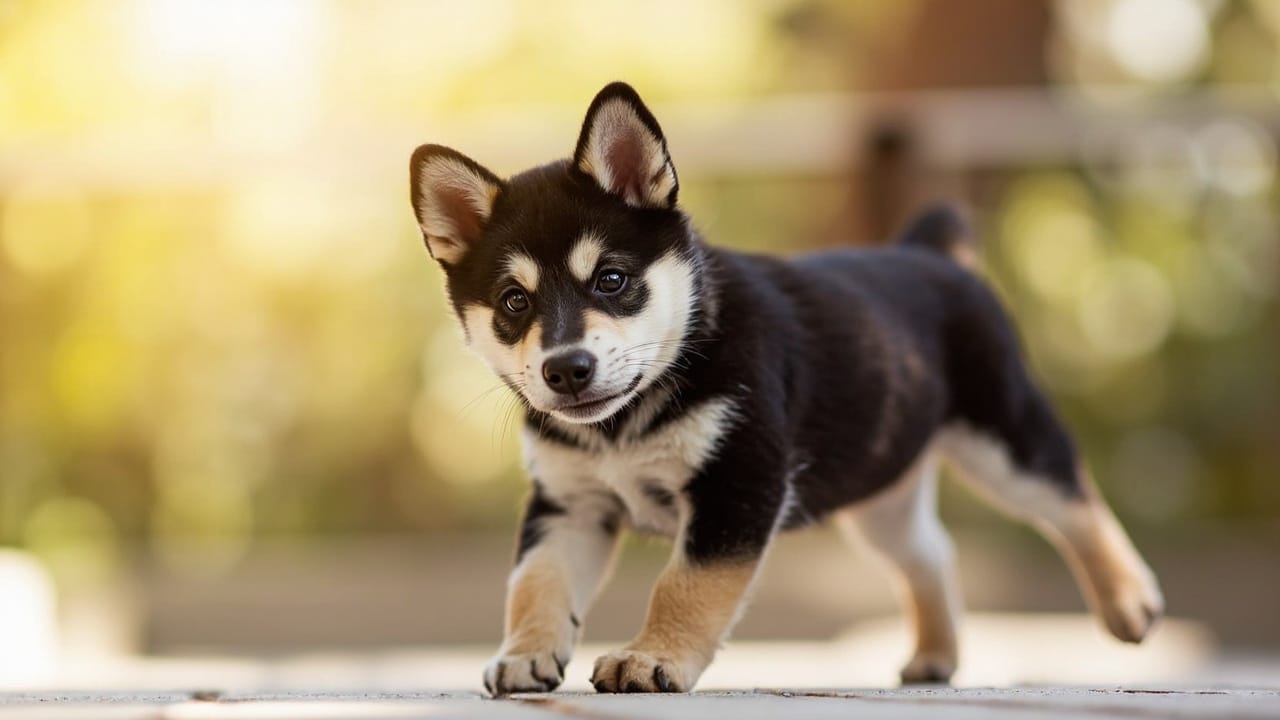
Azonnal, 8 hetes kortól. Iratkozz be pozitív megerősítésen alapuló kölyökkurzusra 10-12 hetes korra, és 16 hetes korig nagy hangsúlyt fektess a szocializációra. Ennek az ablaknak jóval nagyobb hatása van a Shiba egész életen át tartó taníthatóságára, mint bármely későbbi engedelmességi munkának.
A Shiba Inuk megtanulnak-e valaha póráz nélküli visszahívást?
Néhányan igen, de csak hónapokig tartó hosszú pórázos gyakorlással, nagyon nagy értékű jutalmakkal és erős alapkötődéssel. A legtöbb felelős Shiba-gazdi soha nem bízik meg teljesen póráz nélkül nem kerített területen, mert a zsákmányszerzés és a függetlenség túl erős ahhoz, hogy valódi ingernél felülírja.
A kan vagy a nőstény Shiba könnyebben tanítható?
Az egyedek és vérvonalak közötti különbségek jóval nagyobbak, mint a nemek közötti eltérések. Általánosságban a nőstények kissé ételmotiváltabbak és fókuszáltabbak lehetnek, míg a kanok könnyebben elterelhetők, de ez hajlam, nem szabály. Egy alom szüleinek megismerése többet mond, mint a kölyök neme.
Professzionális kiképzés meg tudja javítani egy makacs felnőtt Shiba viselkedését?
A primitív vagy északi fajtákkal tapasztalt, erőszakmentes módszereket alkalmazó tréner határozottan javíthatja egy felnőtt Shiba viselkedését, különösen, ha a kutya sosem volt szocializálva. A kölyökkutyához képest lassabb előrehaladásra számíts, és a menedzselésre, valamint a reális célokra összpontosíts, ahelyett, hogy egy 5 éves Shibát póráz nélküli kutyává próbálnál átalakítani.