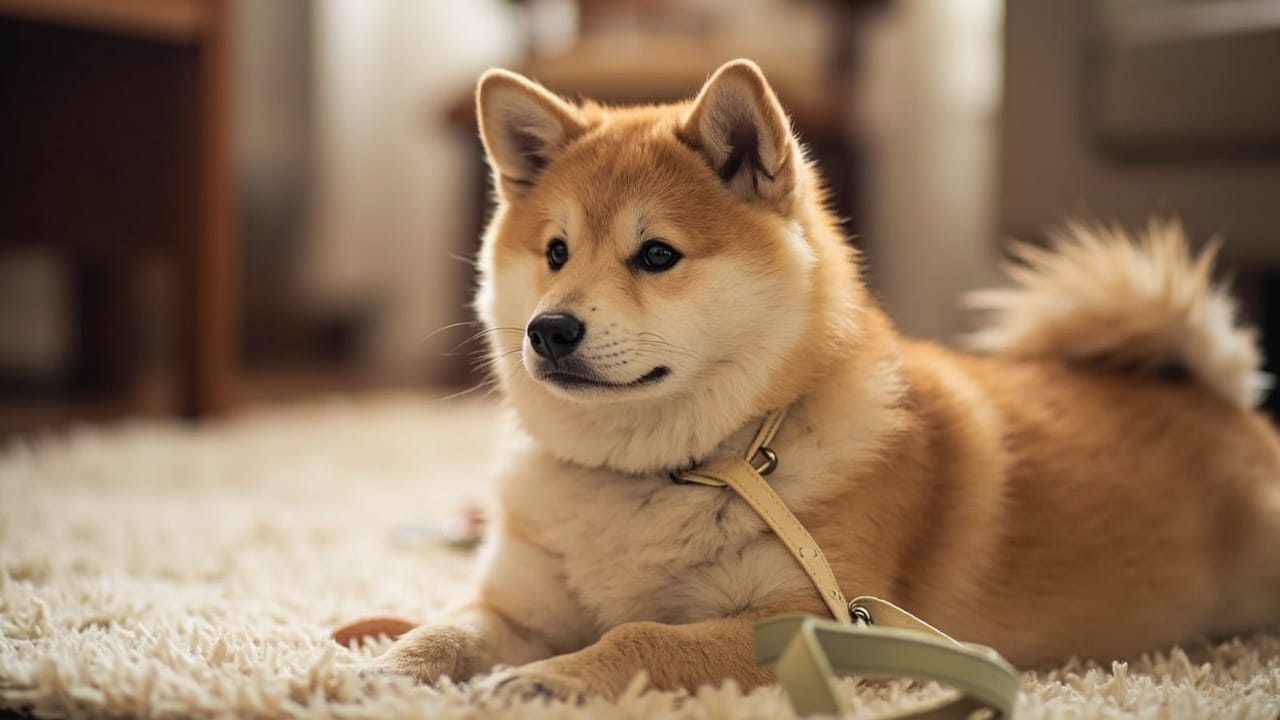
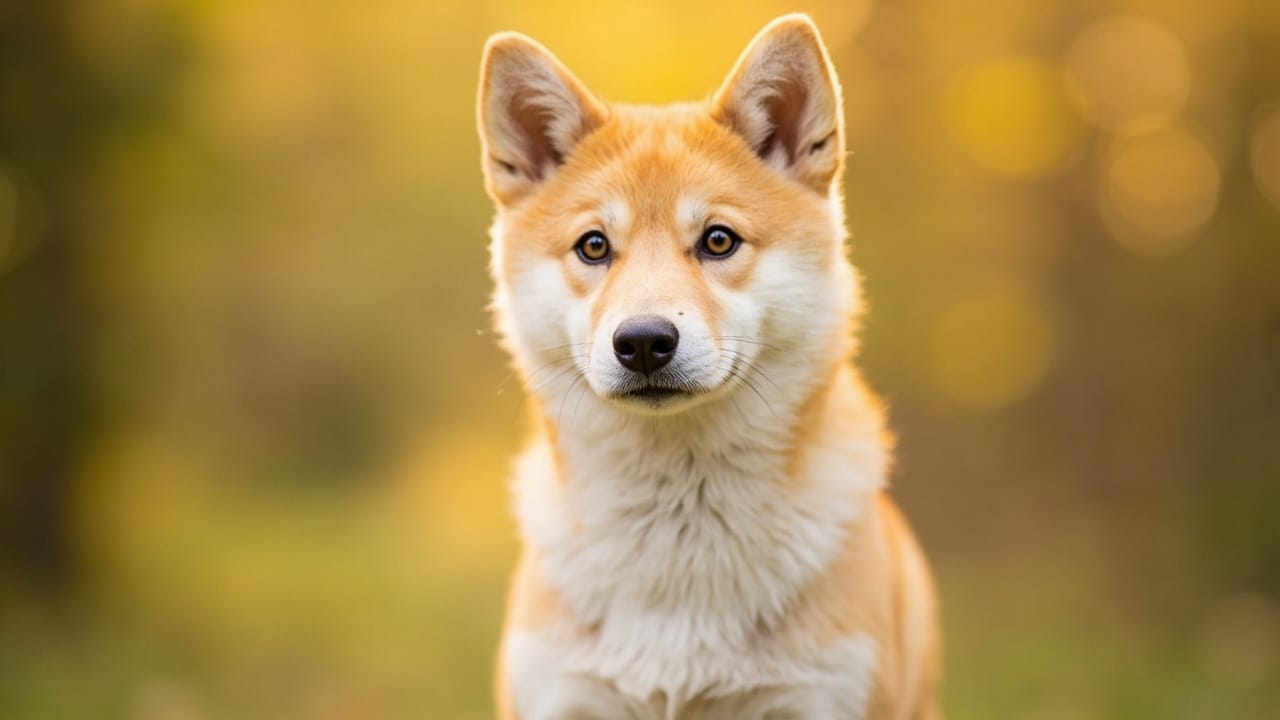
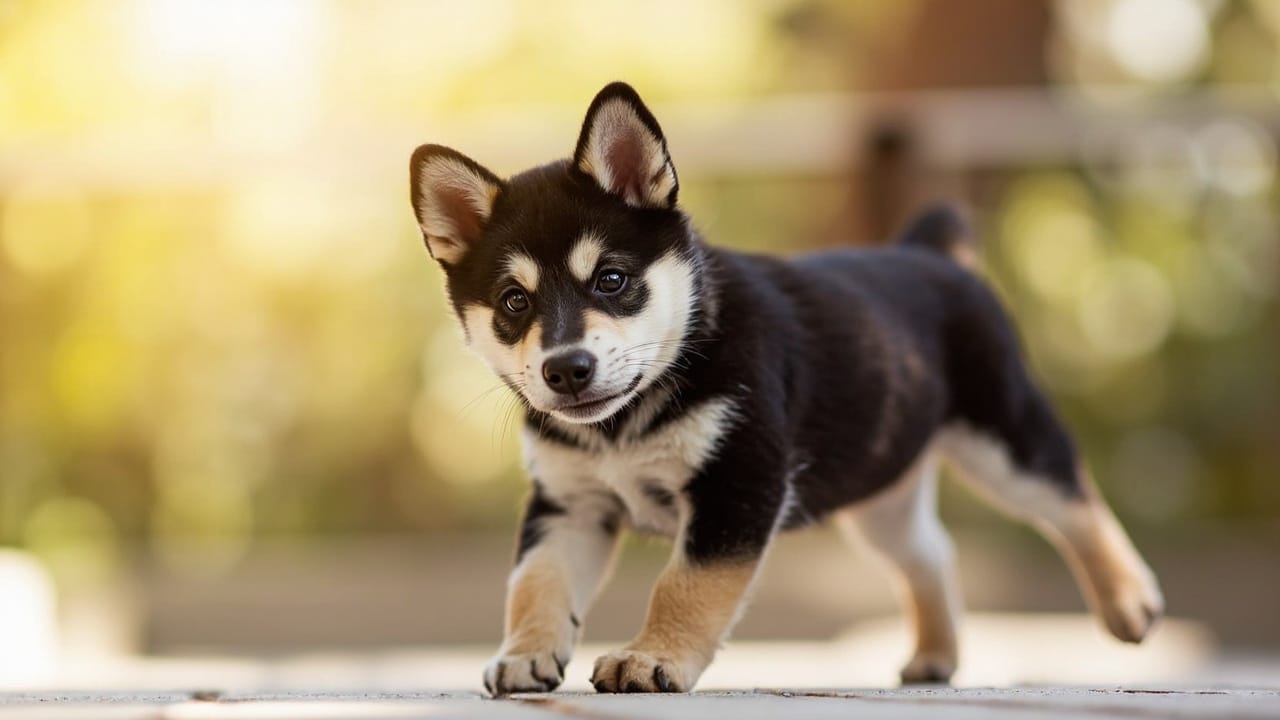
A legjobb képzési módszerek Shiba Inu-knak: Teljes útmutató
A Shiba Inu-k a pozitív megerősítésen alapuló képzésre reagálnak a legjobban, amely tiszteletben tartja független, macskaszerű természetüket. A rövid, jutalomalapú foglalkozások, amelyek nagy értékű falatokat és következetes határokat használnak, felülmúlják a büntetésen alapuló módszereket, amelyek károsítják a bizalmat és gyakran makacs leállást váltanak ki. A korai szocializáció és a magabiztos, nyugodt gazdi nem alku tárgya egy jól nevelt Shiba felneveléséhez.

A Shiba Inu-k híresen intelligensek, tiszták és függetlenek — a kutyavilág macskatípusa. Ez az önellátás, ami elbűvölővé teszi őket, éppen az, ami frusztrálja a régi iskolás, erőalapú engedelmességi módszereket használó gazdikat. A legjobb képzési módszerek Shiba Inu-k számára a pozitív megerősítésre, a kölcsönös tiszteletre és a rövid, lebilincselő foglalkozásokra épülnek, amelyek révén az együttműködés a Shiba saját ötletének tűnik.
A Golden Retriever-ektől vagy a Border Collie-któl eltérően a Shiba-kat nem arra tenyésztették ki, hogy a gazdától kapjanak utasításokat. Őket Japán hegyvidéki bozótos vidékein önálló vadászkutyaként fejlesztették ki, akiktől elvárták, hogy a terepen saját döntéseket hozzanak. Az ezt az örökséget figyelmen kívül hagyó képzés ellenállást, a híres „Shiba-sikolyt", vagy egyszerűen egy kutyát eredményez, aki kikapcsol. Az ezzel együtt dolgozó képzés viszont egy olyan partnert nevel, aki úgy dönt, hogy hallgat.
Miért működik a legjobban a pozitív megerősítés
A pozitív megerősítés — a kívánt viselkedések jutalmazása és a nem kívántak figyelmen kívül hagyása — összhangban van azzal, ahogy a Shiba-k valójában gondolkodnak. Problémamegoldók, akik mérlegelik az eredményeket: „Mi hasznom van belőle?" A nagy értékű falatok (fagyasztva szárított csirke, sajt, kis darab főtt hal), egy kedvenc rángatójáték vagy lelkes szóbeli dicséret megválaszolja ezt a kérdést. A klikker tréning különösen hatékony, mert a pontos jel segít egy okos, de könnyen unatkozó Shiba-nak pontosan megérteni, miért kapta a jutalmat.
A büntetésen alapuló eszközök (fullánkos nyakörvek, elektromos nyakörvek, alfa-fordítások) kontraproduktívak. A Shiba-k nem adják meg magukat; leállnak, kerülnek, vagy fokozzák a reakciót. Az averzív módszerek hajlamosak előhozni a félelmen alapuló reaktivitást is, amit nehéz visszafordítani egy olyan fajtánál, amely hajlamos az éber, figyelmes viselkedésre.
Az alapmódszerek, amelyek valóban működnek
1. Tartsd röviden és gyakran a foglalkozásokat. Három-öt perc, naponta két-négy alkalommal, felülmúlja az egyetlen 30 perces gyakorlatot. A Shiba-k szellemileg gyorsan kifáradnak.
2. Használj életszerű jutalmakat, ne csak falatokat. Párosítsd az ételjutalmat valós jutalmakkal: szabadság szimatolásra egy visszahívás után, hozzáférés a parkhoz egy nyugodt ülés után, játékidő egy maradás után. A Shiba-k tisztelik az eredményeket.
3. Edzés előtt edd meg az ételt. Egy éhes Shiba motivált Shiba. A napi táp egy részét tedd félre edzéshez.
4. Légy kérlelhetetlenül következetes. Ha néha vicces, néha nem, ha felugrik a pultra, a Shiba-d tovább fog tesztelni. Minden családtagnak ugyanazokat a szabályokat kell követnie.
5. Először a környezetet kezeld. Babakapuk, ketrecek, pórázok és rögzítők megakadályozzák a nem kívánt viselkedések gyakorlását. Nem tudsz kiképezni egy Shiba-t, aki már a pulton szaglászik.
Szocializáció: A legfontosabb befektetés
A Shiba-k természetesen tartózkodóak az idegenekkel szemben, és gyakran szelektívek a kutyákkal. A 3 és 14 hét közötti időszak az, amikor egész életre szóló magabiztosságot formálhatsz. Tedd ki a kölyköt a következőknek:
- Különböző emberek (szakállas férfiak, gyerekek, kalapos emberek, kerekesszékesek)
- Felületek (rács, csempe, fű, nedves járda)
- Hangok (mennydörgés-felvételek, városi zaj, porszívók)
- Jól válogatott, stabil felnőtt kutyák
- Autóutak, állatorvosi rendelők, liftek
A kölyökkurzusok az első két oltás után minden pennyt megérnek. Hagyd ki a kutyaparkokat, amíg a Shiba-dnak sziklaszilárd visszahívása és megbízható kutyatestbeszéd-olvasási készsége nincs — általában 12 hónapos kor felett.
A négy nagy viselkedést korán kezeld
- Visszahívás: Kezdd alacsony zavaró tényezőkkel teli szobában. Használj hosszú pórázt a szabadban. Soha ne hívd a Shiba-dat büntetni — megtanulja, hogy a név véget jelent a mókának.
- Póráz-viselkedés: Egy elülső csatos hám vagy jól illeszkedő fejkantár segít. Tanítsd meg a „menjünk" parancsot az élénk mozgás jutalmazásával és a póráz feszessége esetén a mozgás megtagadásával.
- Erőforrás-védelem: Cserélj feljebb. Etess kézzel néha. Érintsd meg a tálat, dobj egy jobb falatot, sétálj el.
- A „Shiba 500": Építs egy megbízható megnyugvás-jelet („hely" vagy „szőnyeg"), hogy a zoomokat utasításra szakítsd meg, ne kergetéssel vagy kiabálással.
Ketrec- és egyedüllét-tréning
A Shiba-k jól tűrik a ketrecet tiszta, barlangszerű természetük miatt. Egy megfelelő méretű ketrec hatékony kezelőeszköz és biztonságos menedék a félévente történő szőrváltás idején, amikor az aljszőrzet mindenhol ott van. Építs pozitív asszociációkat étellel töltött Kongokkal, és soha ne használd a ketrecet büntetésként.
Mikor hívj szakembert
Ha ismeretlen háttérrel örökbe fogadtál egy felnőtt Shiba-t, vagy ha reaktivitás, félelem vagy agresszió jelenik meg, dolgozz egy tanúsított erőmentes trénerrel (CPDT-KA vagy IAABC), aki specifikus Shiba- vagy primitív fajtájú tapasztalattal rendelkezik. Kerüld azokat a trénereket, akik a dominancia, alfa vagy falkavezér elméleteket emlegetik — csak rontanak a helyzeten.
A rövid verzió: képezz falatokkal, védd a kölyköd formálódó heteit, állíts fel szilárd és kedves határokat, és fogadd el, hogy a Shiba-dnak mindig lesz véleménye. Ez nem hiba. Ez a fajta.
FAQ
Nehezen taníthatók a Shiba Inu-k?
Mérsékelten kihívást jelentenek. A Shiba-k intelligensek és gyorsan tanulnak, de független természetük miatt megkérdőjelezik, hogy az utasításodat érdemes-e követni. A rövid, pozitív megerősítésen alapuló foglalkozások sokkal jobban működnek, mint az ismétlésen alapuló engedelmességi gyakorlatok.
Hány éves korában kezdjem el a Shiba Inu-m képzését?
Az alapvető bánásmódot és a névmegismerést a kölyök hazahozatalának napján kezdd el, általában 8-10 hetes korban. A formális szocializáció és a kölyökkurzusok egy héttel a második oltás után kezdhetők, körülbelül 10-12 hetes korban.
Milyen falatok működnek a legjobban a Shiba Inu képzésben?
Kis, nagy értékű, illatos falatok: fagyasztva szárított csirke, lazac vagy máj, apró sajt kockák, vagy borsó méretűre vágott főtt csirkemell. A legfinomabb falatokat (valódi hús, hal) a legnehezebb viselkedésekhez tartsd, mint a zavaró tényezők melletti visszahívás.
A Shiba Inu-k reagálnak a klikker tréningre?
Igen — a Shiba-k egyike azoknak a fajtáknak, amelyekhez a klikker tréninget szinte kitalálták. A klikk pontos időzítése segít egy okos, könnyen unatkozó kutyának pontosan azonosítani, miért kapta a jutalmat, drámaian felgyorsítva a tanulást.