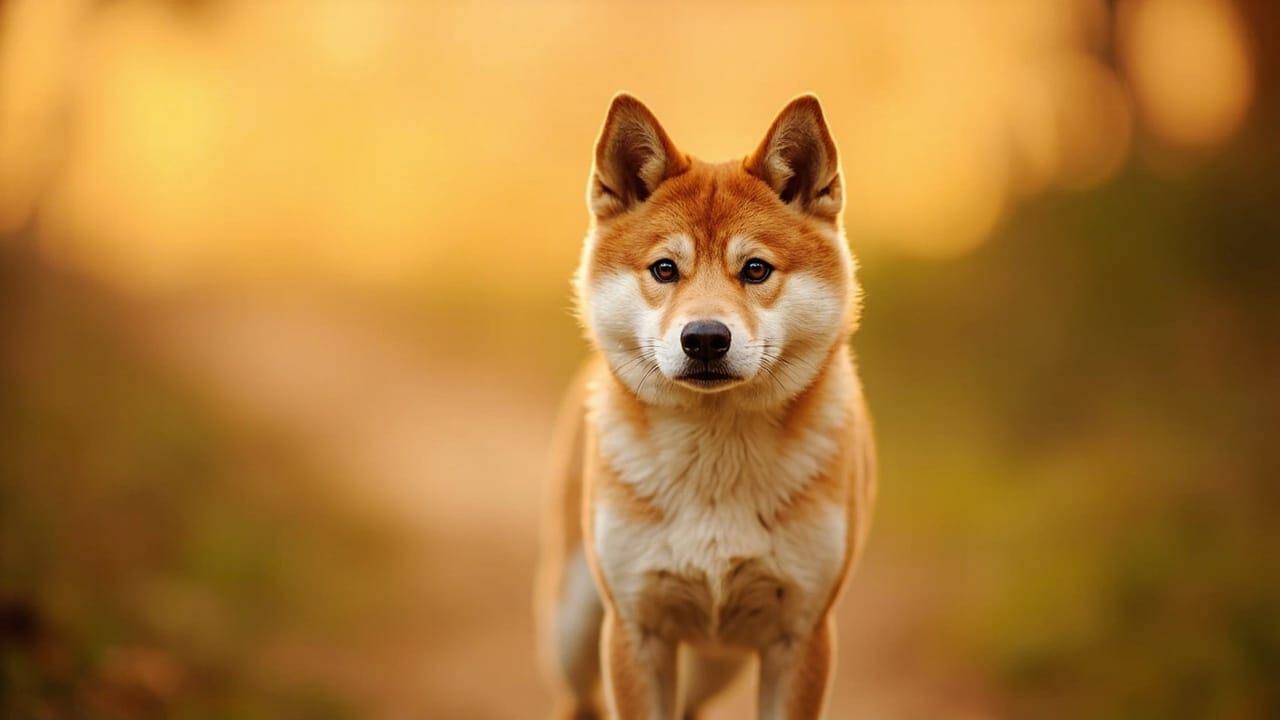
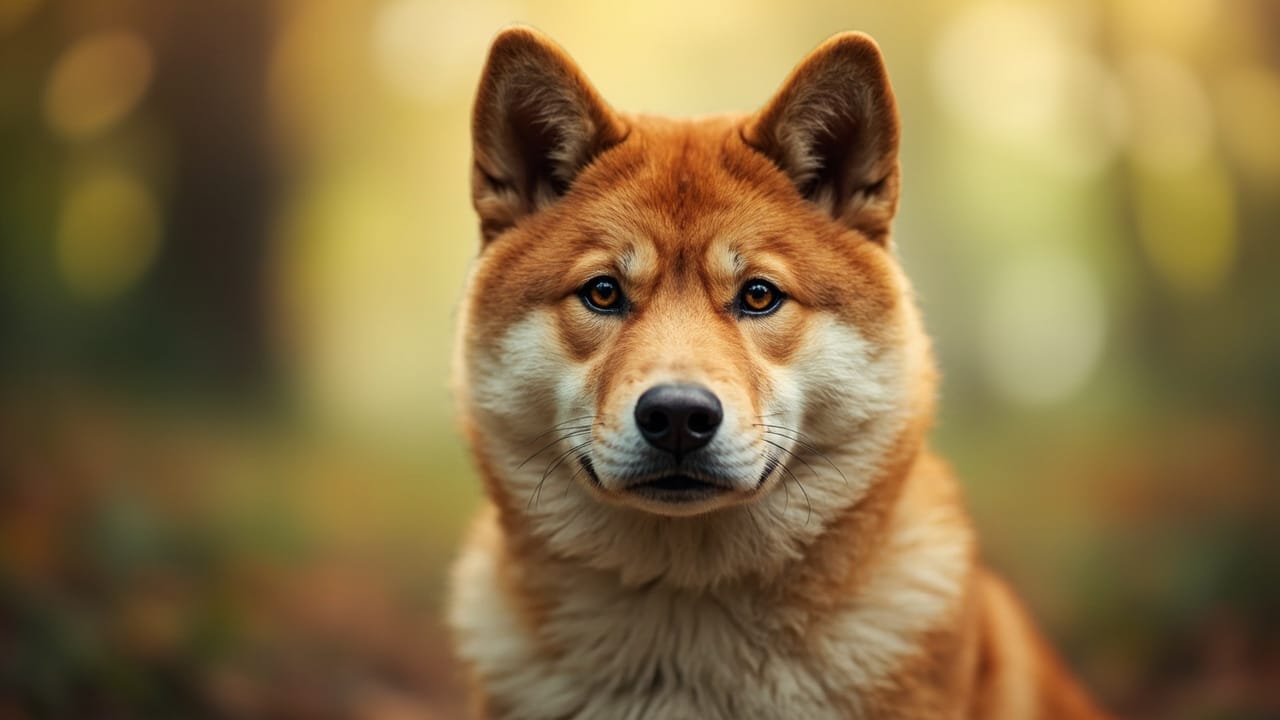
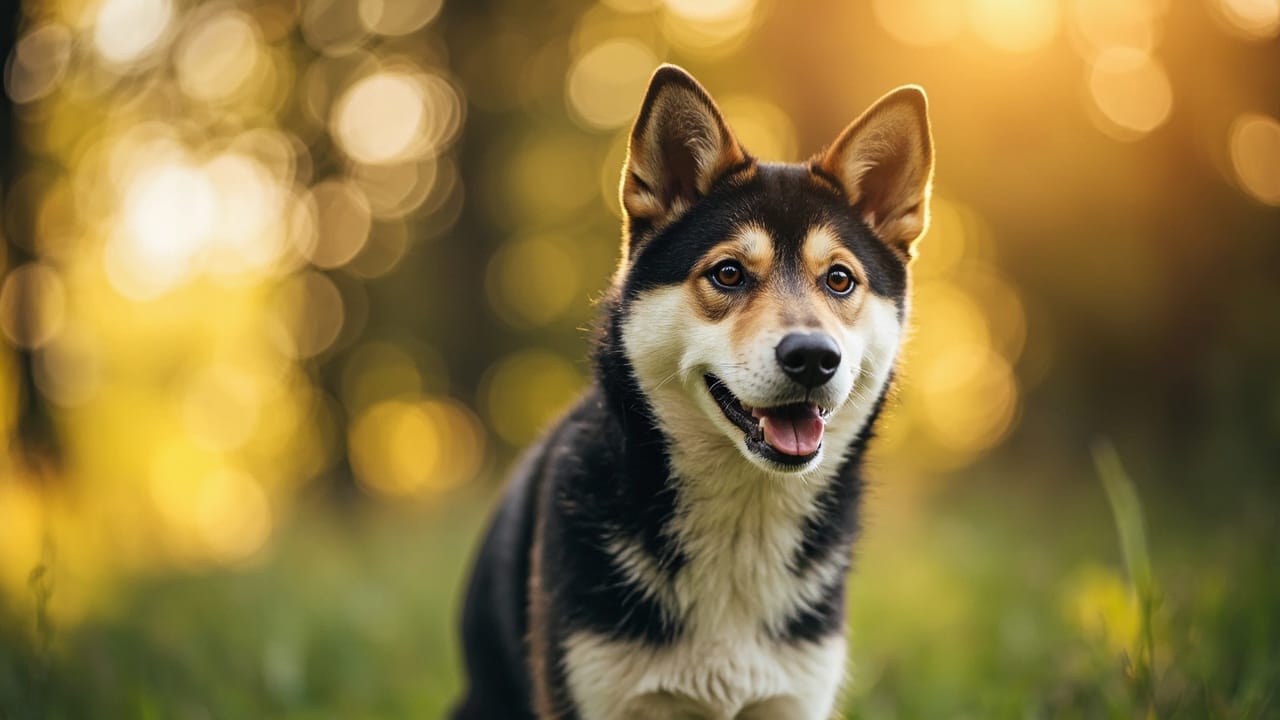
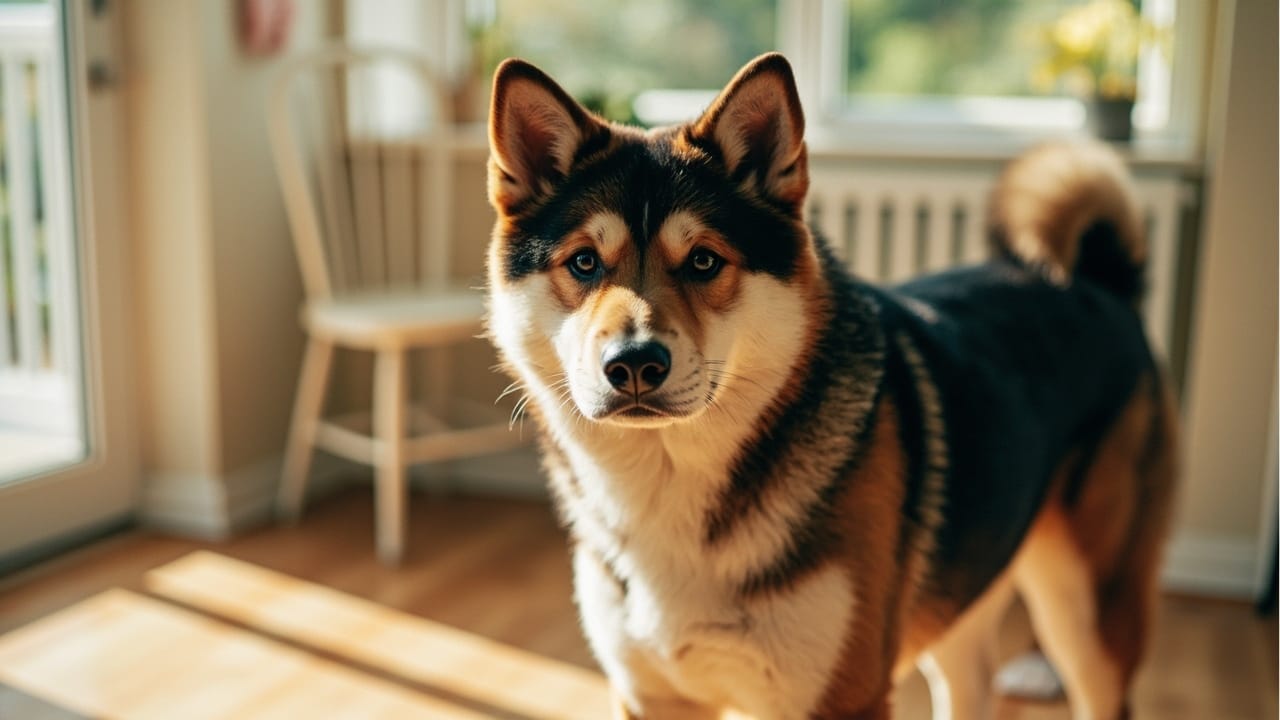
Csinálhat agility-t egy Shiba Inu? Őszinte útmutató gazdiknak
Igen, egy Shiba Inu abszolút tud agilityzni, de a siker az egyes kutyától függ. A shibák intelligensek, atletikusak és gyorsak, ugyanakkor önállóak, zsákmányszeretők és könnyen unatkoznak. A kulcs az, hogy étellel vagy játékkal motiváld a shibát, az edzéseket röviden és szórakoztatóan tartsd, és elfogadd, hogy a kutyád diktálja a tempót.
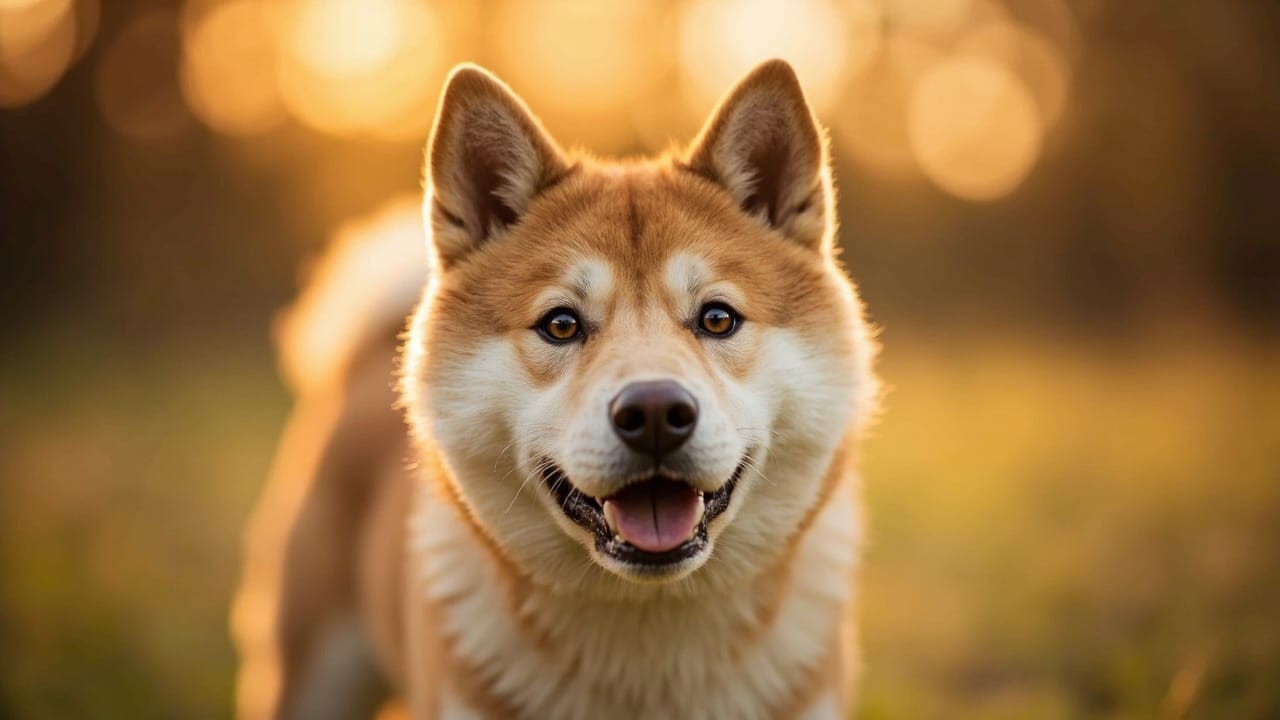
Igen, egy Shiba Inu tud agilityzni. Sok shiba sikeresen indult már AKC, UKC és CPE versenyeken, és a fajta kompakt mérete (kanok 35–43 cm, szukák 33–41 cm, mindkettő kb. 8–10 kg) jól illeszkedik a szabványos ugrómagasságokhoz. A csavar az, hogy a shibák nem golden retrieverek. Okosak, atletikusak és gyorsak, de önálló gondolkodók, erős zsákmányszeretettel és hírhedten szelektív motivációs kapcsolóval. Az agility shibával abszolút lehetséges, csak éppen máshogy néz ki, mint egy munkavonalú terelőkutyával.
Miért lehetnek kiválóak a shibák az agilityben
Fizikailag a fajta erre van felépítve. A shibák agilisak, mozgékonyak és robbanékonyak. Egy pillanat alatt képesek irányt váltani, mászni és száguldani. A pályán ez olyan kutyát jelent, amelyik futja a kontaktusokat, az ollókat és a szűk pályákat. Kis méretük miatt jellemzően 8 vagy 12 inches ugrásokat ugranak az AKC versenyeken, ami kíméli az ízületeiket egy hosszú pályafutás során.
Mentálisan a shibák gyorsan tanulnak. Gyorsan felismerik az akadályok neveit, és gyakran még azelőtt megoldják a feladatot, hogy befejeznéd a csalogatást. Sok shiba jól teljesít a kutyavezetőtől független alapozó munkában, ami a modern agility-képzésben kifejezetten előny.
Miért jelenthetnek kihívást a shibák
Ez a szókimondó rész. A shibákat arra tenyésztették, hogy Japán hegyeiben apró vadat ejtsenek, nem pedig arra, hogy egy emberrel együttműködjenek. Három tulajdonság nehezíti az agilityt ennél a fajtánál:
- Önállóság – Egy shiba úgy dönthet, hogy a pálya unalmas, és inkább megszaglássza a bírót.
- Zsákmányszeretet – Ugyanaz a mókuskergető ösztön a pálya közepén kilökheti a kutya figyelmét a sorból.
- Unatkozási küszöb – Az ismétlés gyorsan megöli a shiba lelkesedését. Húsz ismétlés egy alagútból már sok; öt pont jó.
Add hozzá a klasszikus „Shiba 500" őrült rohangálást, és máris van egy kutyád, aki teljes mértékben képes pályát futni – csak épp nem feltétlenül a te ütemedre.
Hogyan készítsd fel a shibát az agilitysikerre
Kezdd a motivációval. A legtöbb shiba vagy étel-, vagy játékvezérelt, ritkán mindkettő. Találd meg a legértékesebb jutalmat, és csak az agilityre tartogasd. Hagyd ki a unalmas száraztápot, és hozz főtt csirkét, fagyasztva szárított májat vagy egy flirt pole rángatós játékot.
Tartsd röviden az edzéseket. Három-öt percnyi fókuszált munka, napi két-három alkalommal, felülmúlja a 45 perces maratont. Fejezd be, mielőtt a shibád feladná.
Használd a játékot jutalomként. A játékvezérelt shibáknak dobd el a labdát minden sikeres akadály után. Az agility játékká válik, és ez az egyetlen keretezés, ami a fajtánál következetesen működik.
Építs erős megerősítési hátteret a pályán kívül. Taníts meg egy jelzőszót („igen"), csiszold a visszahívást, és jutalmazd bőségesen a szemkontaktust zavaró környezetben, mielőtt belépnél egy agility órára.
Válaszd ki a megfelelő osztályt. Keress olyan oktatót, aki pozitív megerősítést alkalmaz, és komfortosan kezeli a nem hagyományos fajtákat. Kerüld a régi vágású, kényszerítésen alapuló iskolákat, ahol a pórázrántás a módszer; a shiba bezárkózik, és egy pórázra reagáló kutyád is lehet a vége.
Szoktasd a környezethez óvatosan. A shibák lehetnek kutyaválogatók vagy környezetre érzékenyek. Vigyél ládát (crate-et), dolgozz alacsony ingerkörnyezetben, és ne erőltesd a csoportos órákat, ha a kutyád túl van terhelve.
Gyakori kezdő otthoni felállítások
Ha szeretnéd kipróbálni, mielőtt elköteleznéd magad az órák mellett, néhány megfizethető eszköz sokat segít:
- 6–8 db olló (24 inches osztással beállítva, a szabványos versenytávolság)
- 1–2 alacsony ugró (4–8 inches az induláshoz)
- Egy alagút (bármilyen gyerek-játszóalagút megfelel az alapozáshoz)
- Egy pause table vagy egy balance board a testtudatossághoz
- Csúszásmentes felület, például gumiszőnyeg vagy műfű egy 3×6 méteres területen
Egy használható otthoni szett ára nagyjából 200–400 dollárnál kezdődik. A munka nagy része az, hogy a nappaliban egyesével tanítod meg az akadályokat, mielőtt összekapcsolod őket.
Egészség és hosszú pályafutás
A fajta egyik legnagyobb előnye az élettartam. A shibák rendszeresen 13–16 évig élnek, ami azt jelenti, hogy egy 2 évesen agilityt kezdő kutya reálisan akár egy évtizedig is versenyezhet. Csak előtte szűrtesd a gyakori ortopédiai problémákra:
- Patellaficam – Ugrás előtt ellenőriztesd az állatorvossal a térdeket.
- Csípőízületi diszplázia – A shibák kb. 7–8%-a diszplázias az OFA értékelésen.
- Szembetegségek – PRA és szürkehályog előfordul a fajtában. A CERF vagy OFA szemvizsgálat a CHIC ajánlott paneljének része.
Ha 12–16 inches alatti ugrásokat kihagysz fiatal kutyáknál, párnázott felületeket használsz, és rendesen bemelegítesz, a shibád sokáig egészséges marad, idős korában is.
Reális elvárások
Egy motivált, jól kötődő shiba agility címeket szerezhet. Több shiba is rendelkezik AKC Master Agility Champion (MACH) címmel és magas szintű CPE címekkel. Nem ők lesznek a leggyorsabb kutyák a pályán, de stílusosak, tiszták és nagyon élvezetesek lehetnek. Az agilitynél elbukó kutyákat szinte soha nem a képességeik korlátozzák; hanem a gazdi frusztrációja, a nem illő tréningmódszerek, vagy a fajta önálló természetének figyelmen kívül hagyása.
Ha szereted a kreatív tréninget, értékeled a gondolkodó partnert, és nem zavar, ha néha kínos helyzetbe kerülsz, mert a shibád úgy dönt, hogy a bírót alaposabban is meg kell vizsgálni, az agility fantasztikus sport a fajtával.
FAQ
Hány évesen kezdheti a Shiba Inu az agility-edzést?
Az alapozó munka, mint az alagutak, balance board, alacsony balance board és a testtudatossági gyakorlatok 8–12 hetes kortól kezdhetők. A teljes magasságú ugrásokkal, ollókkal és ütős munkával várj a növekedési zónák záródásáig, ami shibánál jellemzően 12–18 hónap. Sok állatorvos és a CHIC OFA csípő- és patella-vizsgálatot javasol az ugróedzés megkezdése előtt.
Jók az agilityben a Shiba Inuk más fajtákhoz képest?
A shibák fizikailag alkalmasak, és sokan szereznek címeket, de nem tartoznak a csúcskategóriás versenyfajták közé. A border collie-k, sheltik és papillonok általában gyorsabbak és jobban koncentrálnak a gazdira. A shibák technikás, irányításigényes pályákon és teljesítményeseményeken, például AKC Trick Dog és Barn Hunt versenyeken tűnnek ki az agility mellett.
Milyen ugrómagasságon versenyez egy Shiba Inu?
Az AKC agilityben a 14 inches marmagasság alatti shiba 8 inches-t ugrik. A 14 inches feletti shiba 12 inches-t ugrik. A legtöbb shiba a 8 inches preferred kategóriába esik, ami kíméli az ízületeket és némi előnyt ad a szűk pályákon.
Hogyan lehet a Shiba Inut fókuszban tartani agility közben?
Használj magas értékű ételt vagy kedvenc játékot, alacsony ingerszintű helyen eddz, tartsd az edzést 5 perc alatt, és jutalmazz játékkal az akadályok között. Kerüld a korrekciókat, és soha ne eddz, ha a kutya fáradt vagy túlmelegedett. Versenyeken futamok között tedd ládába, hogy megelőzd a kiégést.