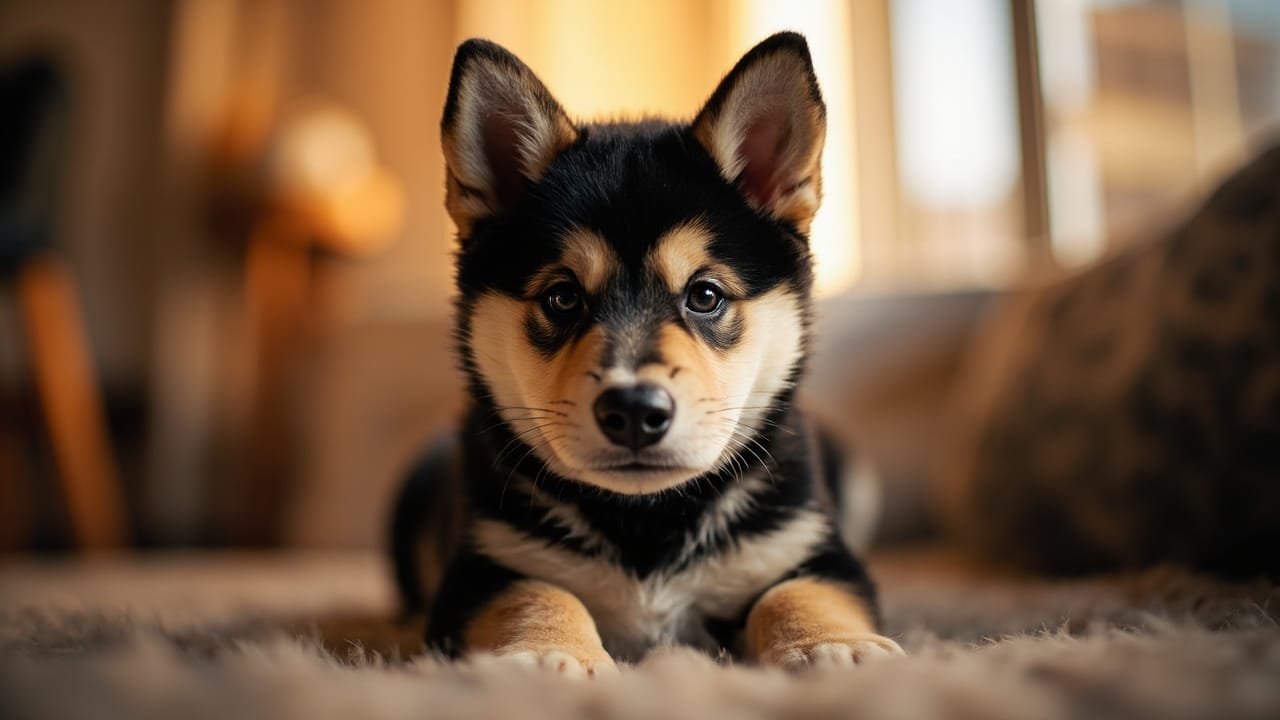
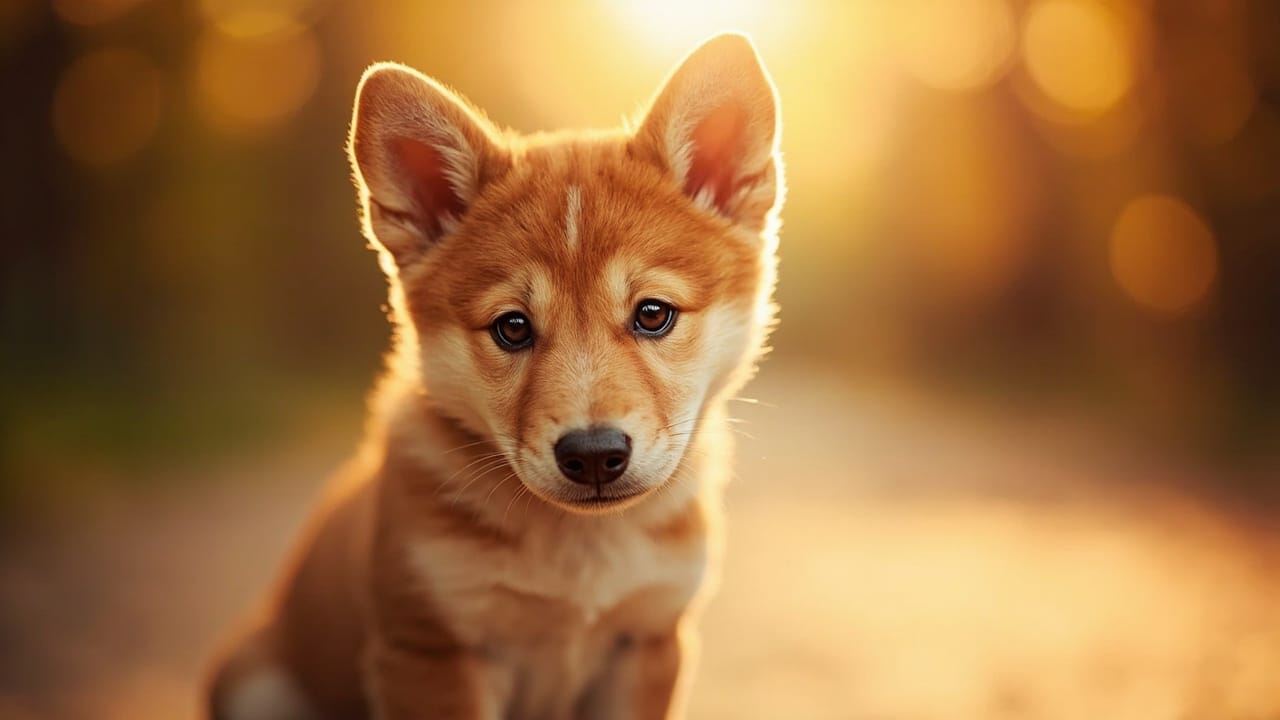
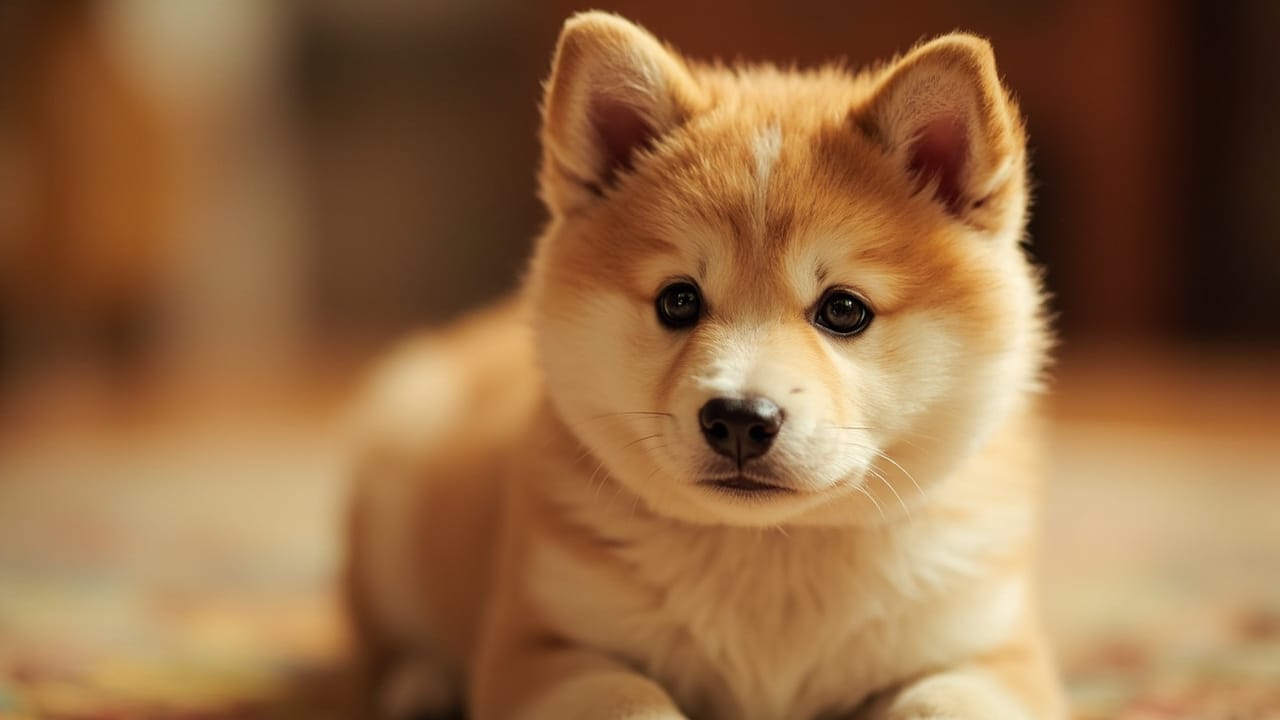
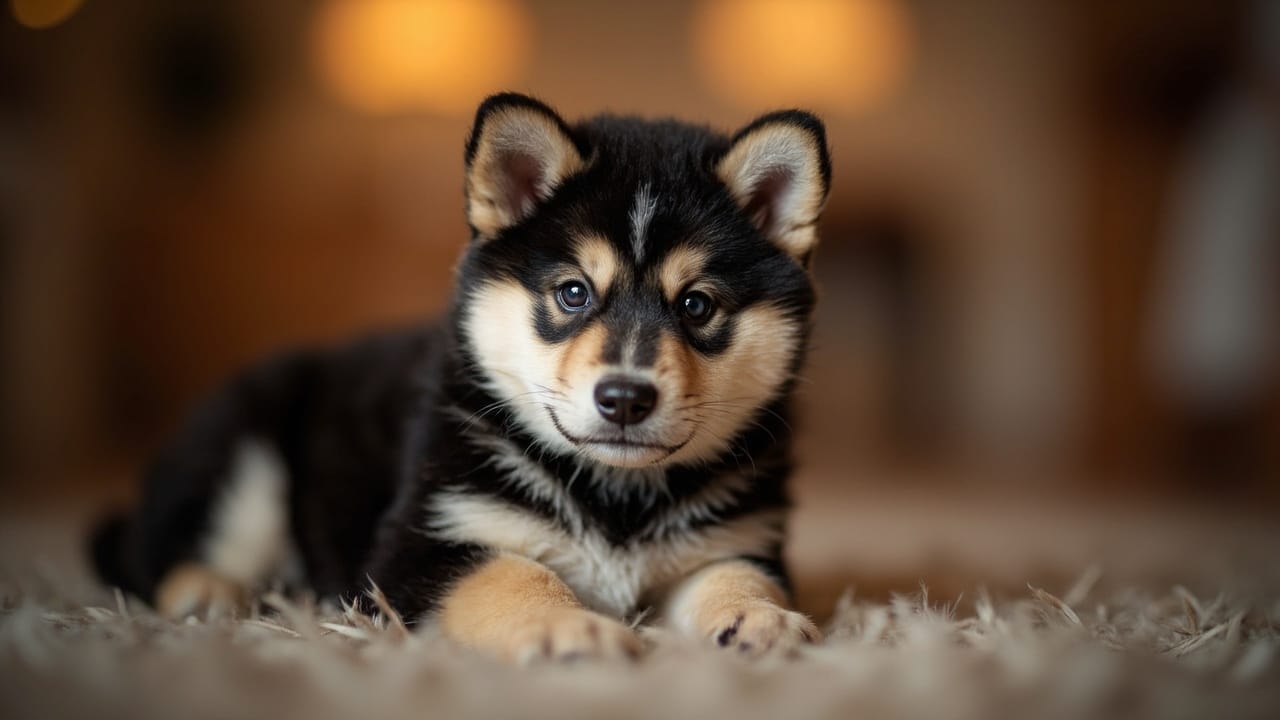
Jó választás a Shiba Inu idős és nyugdíjas gazdiknak?
Igen, megfelelő elvárásokkal. A Shiba Inu passzolhat aktív, tapasztalt nyugdíjasokhoz, akik értékelnek egy csendes, önálló társat, de makacsságuk, zsákmányszerző ösztönük és a strukturált nevelés iránti igényük miatt rossz választás lehet korlátozott mozgásképességű idősek vagy első kutyás gazdik számára.
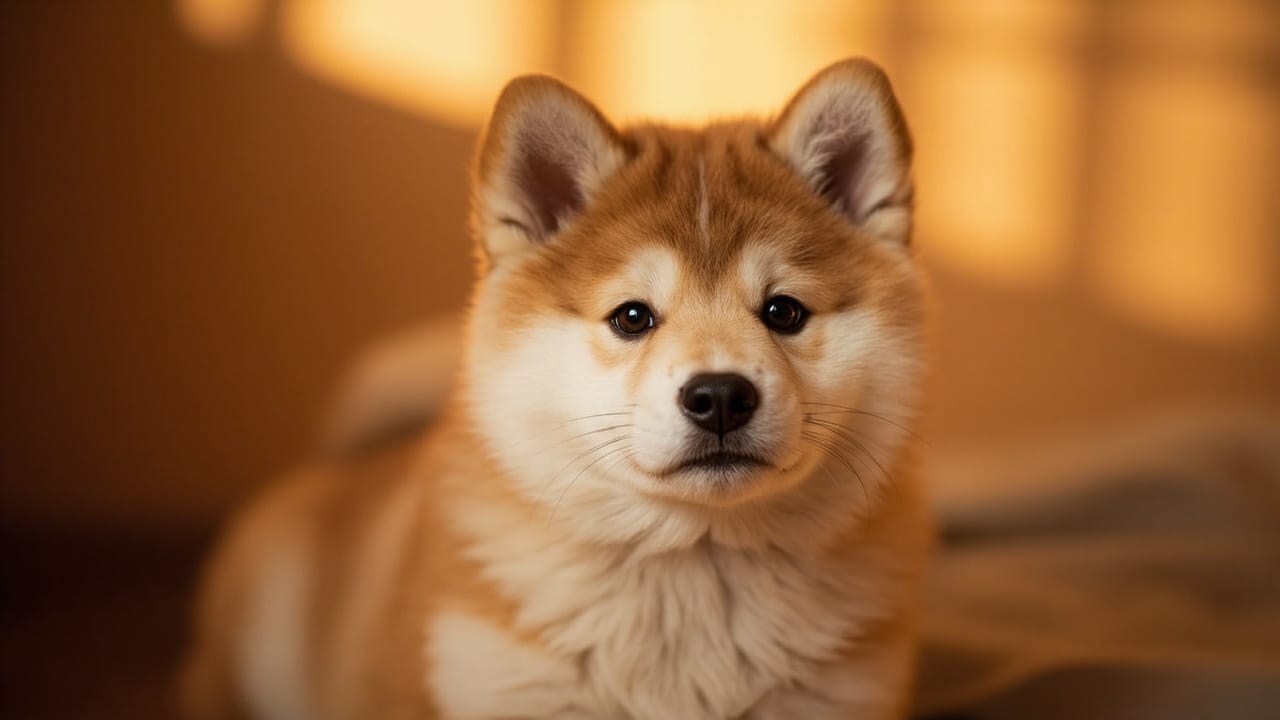
A Shiba Inu csodálatos társ lehet a megfelelő idős vagy nyugdíjas gazdi számára, de nem mindenkinek való. A fajta jellegzetes tulajdonságai – az önállóság, a tisztaság és a csendes méltóság – vonzóak azoknak az idősebb tulajdonosoknak, akik nyugodt házitársat szeretnének, nem pedig egy „tépőzáras" kutyát. Ugyanakkor a makacsságuk, az erős zsákmányszerző ösztönük és az élethosszig tartó mentális lefoglaltság iránti igényük felülmúlhatja azt, akinek korlátozott a mozgása, krónikus fájdalmai vannak, vagy kevés tapasztalata van a kutyanevelésben.
A legelégedettebb Shiba-tulajdonos nyugdíjasok általában aktívak, kutyás tapasztalattal rendelkeznek, és reálisan látják, mit jelent egy 8–10 kg-os (kanok) vagy 7–9 kg-os (szukák) primitív fajta. Egy 13–16 éves elköteleződés egy olyan kutya mellett, amely önállóan gondolkodik, egészen más 65 évesen, mint 35 évesen.
Miért lehet senior-barát a Shiba Inu
- Csendes házitárs. A Shibák ritkán ugatnak ok nélkül, és híresen tiszták, szinte macskaszerűek az ápolási szokásaik. Nem igényelnek állandó figyelmet, ami egy nyugdíjasnak pont jó, aki társaságot szeretne, nem pedig nyűgösséget.
- Közepes méret. Körülbelül 8–10 kg-os és 33–43 cm-es marmagasságú, könnyen kezelhető autóban, állatorvosnál és otthon – elég nagy ahhoz, hogy valódi kutyának érezzük, de elég kicsi ahhoz, hogy egyedül is boldoguljunk vele.
- Hosszú élettartam. Egy egészséges Shiba gyakran 13–16 évig él, ami azt jelenti, hogy a nyugdíjasként hazavitt kutya jó eséllyel több mint egy évtizedig lesz a társunk.
- Alacsony mozgásigény. Napi 30–45 perc séta és egy kis szimatolás a legtöbb felnőttnek elegendő. Nem munkakutyák, akiknek órákig kellene futniuk.
- Önálló vérmérséklet. Elégedetten szunyókálnak, míg olvasol vagy délben pihensz, és nem alakul ki náluk súlyos szeparációs szorongás, amikor elindulsz az orvoshoz.
Hol jelenthet kihívást a fajta a nyugdíjasok számára
- Makacsság és nevelési súrlódások. A Shibákat a japán hegyekben vadászatra tenyésztették, és önállóan gondolkodnak. Az engedelmesség inkább tárgyalás, mint magától értetődő dolog. Egy Shiba jól nevelése általában türelmet, következetességet és néha szakember segítségét igényli – ezekhez az erőforrásokhoz idősebb korban nehezebb hozzájutni.
- A „Shiba-sikoly" és a reaktivitás. Sok Shiba hangosan hallatja magát (magas, éles sikoly), amikor visszafogják, ápolják vagy frusztrált. Más kutyákkal szembeni reaktív viselkedés gyakori, és sétáltatás közben nehéz lehet kezelni.
- Erős zsákmányszerző ösztön. Macskák, kis kutyák, mókusok, nyulak – mind üldözendő zsákmány. A póráz nélküli séta kockázatos; a biztonságos kerítés (minimum 1,5 m, ásás ellen védett) nem alku tárgya.
- Szökőművész hajlam. A Shibák másznak, ásnak, és kicsúsznak a hámból. Egy fizikailag korlátozott nyugdínas nem tud könnyen a nyomába eredni egy szabadon kószáló Shibának a szabadban.
- Évente kétszeri vedlés. Tavasszal és ősszel, 2-3 héten át a Shiba vedli sűrű aljszőrzetét. Napi kefélés és komoly porszívózás szükséges. A hát- vagy ízületi problémákkal élő idősek számára ez a fajta ápolás megterhelő lehet.
- Egészségügyi figyelőpontok. Csípőízületi diszplázia (az OFA által tesztelt Shibák kb. 7,6%-ánál), ficam térdkalács, elsődleges zárt zugú zöldhályog, szürkehályog, progresszív retina-atrófia, pajzsmirigy-alulműködés és atópiás dermatitisz egyaránt előfordul a fajtánál. Az állatorvosi számlák és a napi gyógyszeres kezelés reális kilátások.
Legjobb illeszkedés: egy reális profil
A Shiba Inu általában jól boldogul egy olyan nyugdíjassal, aki:
- Rendelkezik korábbi kutyás tapasztalattal, lehetőleg spicc típusú vagy önálló fajtákkal
- Naponta 30–60 percet sétál sík, kiszámítható terepen
- Egyszintes otthonban él, vagy olyban, ahol nincsenek mozgást korlátozó lépcsők
- Biztonságos udvara van ásás- és mászásbiztos kerítéssel
- Megengedheti magának a felelős tenyésztőtől származó kölyök 1 400–2 500 dolláros vételárát (vagy 3 500–5 000 dollárt kiállítási minőségű vonalakért), plusz évi 1 500–2 500 dollárt élelemre, állatorvosra és ápolásra
- Társat keres, nem pedig „projektet", amely sok fizikai bánásmódot igényel
Érdemes megfontolni más alternatívákat is
Ha a fentiek bármelyike nem passzol, hasonló méretű, de lágyabb vérmérsékletű fajták: a Shih Tzu, Cavalier King Charles Spaniel, Bichon Frise vagy Havanese – mind a szoros emberi társaságra és könnyebb nevelhetőségre tenyésztve. Tapasztalt gazdi számára, aki szereti a spicc megjelenést, de engedelmesebb kutyát szeretne, érdemes megfontolni a Finn spitzet vagy az Amerikai eszkimó kutyát.
Gyakorlati tippek egy Shiba Inut vásárló idős embernek
- Válasszon felnőttet. Shiba-mentő szervezetek 2–7 éves kutyákat helyeznek el körülbelül 300 dollárért, és a kutya személyisége már ismert. Ez a legokosabb döntés, amit egy nyugdíjas hozhat.
- Ellenőrizze az egészségügyi szűréseket. Kérje a tenyésztőtől az OFA csípő- és térdkalács-igazolást, valamint egy érvényes CAER (szemészeti) vizsgálatot – ezek a fajta alapvető CHIC követelményei.
- Kerülje a krémszínű szőrzetet. A krémszínű Shibák hajlamosabbak bőrproblémákra és nem kiállíthatók, de az igazi gond nem a szín, hanem az egészség.
- Tervezzen 14 évre előre. Azonosítson egy tartalék gondozót, vészhelyzeti alapot, és egy, a fajtát ismerő állatorvost, mielőtt aláírja a szerződést.
Nyitott szemmel választva a Shiba Inu méltóságteljes, hosszú életű, alacsony fenntartású társa lehet a megfelelő nyugdíjasnak. Impulzívan választva ugyanaz a kutya 13 éven át tartó stresszforrássá válhat.
FAQ
Alacsony fenntartású a Shiba Inu az idős gazdik számára?
Mérsékelten. Napi 30–45 perc sétát, biztonságos kerítést, évi kétszeri nagy vedlést és türelmes nevelést igényelnek – cserébe nem követelnek állandó figyelmet, és híresen tiszták, csendesek a lakásban.
Mennyibe kerül egy Shiba Inu egy felelős tenyésztőtől az Egyesült Államokban?
Házi kedvencnek való, egészségileg szűrt szülőktől származó kölyökért 1 400–2 500 dollárra, kiállítási vagy tenyésztési célú egyedért pedig 3 500–5 000 dollárra számítson. Shiba-mentőből örökbefogadás általában 300–500 dollár.
Elboldogul-e egy Shiba Inuval egy korlátozott mozgásképességű idős ember?
Általában nem jól. A fajta ereje (körülbelül 8–10 kg), pórázhúzós hajlama, szökőművészete és a vedlés idején megnövekedett ápolási igény miatt nem jó választás komoly ízületi, hát- vagy egyensúlyproblémákkal élő gazdiknak.
Jobb választás a nyugdíjasoknak a kan vagy a szuka Shiba Inu?
Nincs egyértelmű nyertes. A kanok valamivel nagyobbak (35–43 cm, kb. 10 kg) és gyakran ragaszkodóbbak; a szukák (33–41 cm, kb. 8 kg) általában önállóbbak. Az egyedek személyes megismerése hasznosabb, mint nem alapján választani.