Miért ás a Shiba Inum? Okok és hogyan lehet megállítani
A Shiba Inuk azért ásnak, mert ez a viselkedés mélyen gyökerező ösztön – zsákmányszerzés, üregkészítés, hőszabályozás, unalom és stresszoldás. Az ásást csökkentheted, ha kielégíted a fizikai és szellemi igényeiket, biztonságossá teszed az udvart, és a viselkedést inkább átirányítod, mintsem büntetnéd. Fontos a reális elvárások kialakítása: a Shibákat hegyvidéki bozótosban való vadászatra tenyésztették, és soha nem lesznek teljesen ásásmentesek következetes levezetési lehetőségek nélkül.
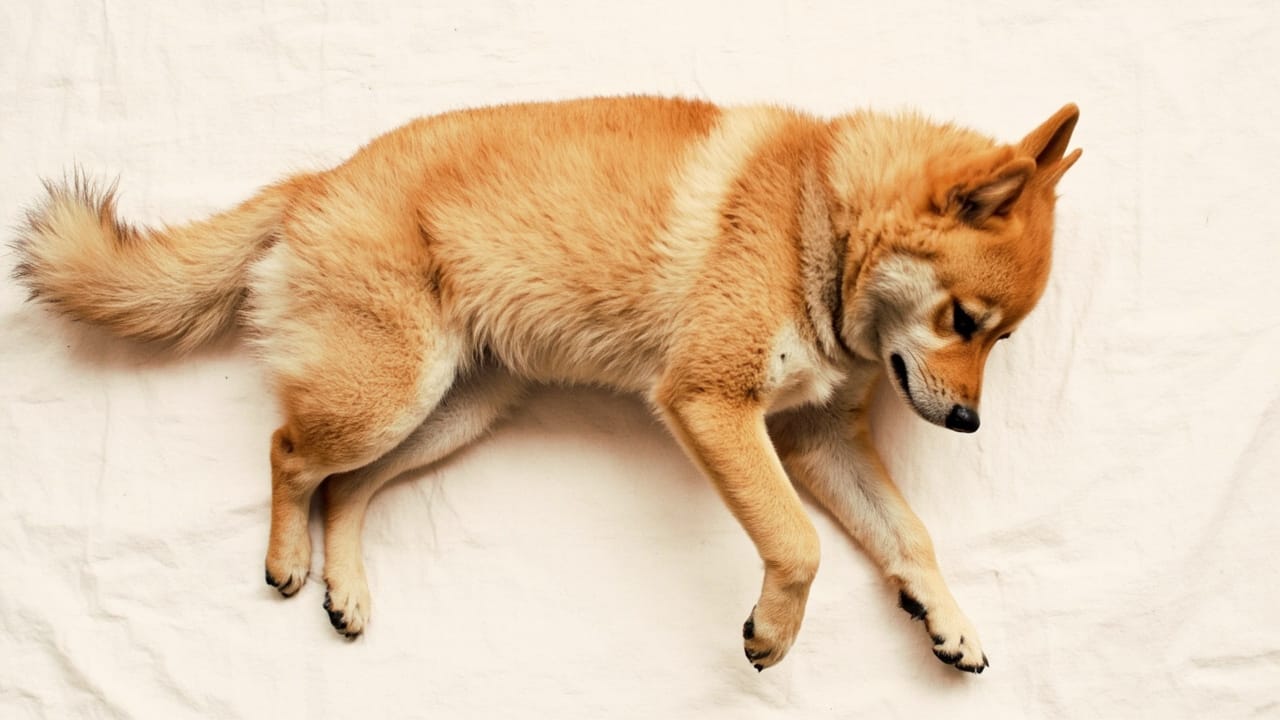
A Shiba Inuk azért ásnak, mert ez a viselkedés genetikailag kódolt bennük. Eredetileg apró vadat hajtottak elő a japán hegyvidéki bozótosból, így a fajta erős zsákmányszerző ösztönnel és mélyen gyökerező kutatási, üldözési és ásási késztetéssel rendelkezik. A modern Shibák nem kapcsolják ki ezeket az ösztönöket – egyszerűen a kertedre, a kanapé párnáira vagy a frissen ültetett virágágyásra alkalmazzák őket. Az esetek többségében az ásás egy ki nem elégített szükséglet tünete: elégtelen mozgás, alulstimuláció, szorongás, meleg vagy hideg okozta kellemetlenség, vagy egyszerűen egy föld alatti szag vagy élőlény, amit érdemes felkutatni.
A jó hír: az ásást drasztikusan csökkentheted anélkül, hogy összetörnéd a kutyád lelkét. A Shibák rosszul reagálnak a büntetésre, de nagyon jól az strukturált rutinnak, egyértelmű határoknak és okos átirányításnak. Íme, mi áll a viselkedés mögött, és mi működik valójában.
Gyakori okok, amiért a Shiba Inuk ásnak
- Zsákmányszerző ösztön: A föld alatti rágcsálók, rovarok, vakondok vagy akár giliszták is üldözési reflexet váltanak ki. A Shibákat pontosan olyan terepre tenyésztették vadászni, mint a te kerted.
- Üregkészítési ösztön: A vemhes nőstények és néhány kan is "fészket" épít úgy, hogy kör alakú gödröket ásnak a fekhelyüknek. Ez ősi ösztön, és nehezen szüntethető meg.
- Hőszabályozás: Meleg napokon a Shibák hűvös gödröket ásnak az árnyékos talajba; hideg időben beáshatják magukat az ágyneműbe vagy takarókba. Mindkettő normális hőszabályozás.
- Unalom és elégtelen mozgás: A Shibáknak napi 60–90 perc intenzív tevékenységre van szükségük. Egy alulmozgatott Shiba kitalál magának feladatokat – általában romboló jellegűeket.
- Szökési viselkedés: A Shibák híres szökésművészek. Ha valami érdekeset látnak a kerítésen túl, aláásnak. Egy motivált Shiba meglepően gyorsan sok földet tud eltakarítani.
- Szorongás vagy stressz: A szeparációs szorongás, hangos zajok (mennydörgés, tűzijáték) vagy háztartási változások kényszeres ásást válthatnak ki, mint önnyugtató tevékenységet.
- Szőrváltási ösztön: Az évi kétszeri szőrváltás (coat blow) idején a Shibák többet kaparnak és ásnak, hogy kilazítsák az elhalt aljszőrt. Nem maga az ásás a lényeg – a vedlési késztetés fejeződik ki fizikailag.
Hogyan állítsd meg Shiba Inud ásását
1. Növeld a fizikai mozgást
Egy fáradt Shiba jól nevelt Shiba. A napi póráz nélküli futás biztonságos területen, flirt-pole edzés vagy strukturált túrák lecsapolják azt a zsákmányszerző ösztönt, ami az ásást hajtja. Két 30 perces edzés hatékonyabb, mint egy hosszú séta.
2. Biztosíts komoly szellemi gazdagítást
A mentális fáradtság tovább tart, mint a fizikai. Forgass puzzle etetőket, szaglászó szőnyegeket, szagkereső játékokat, és tarts napi több alkalommal 10–15 perces tréningeket. Taníts új parancsokat, gyakorold a behívást, vagy rejts el jutalomfalatokat egy ásóboxban (lásd lent).
3. Építs kijelölt ásózónát
Ez a leghatékonyabb kezelési eszköz. Válassz ki egy sarkot az udvaron, töltsd fel laza homokkal vagy puha talajjal, temess el játékokat és jutalomfalatokat, és jutalmazd meg Shibádat minden alkalommal, amikor ott ás. Nem az ösönt szünteted meg – átirányítod. Sok Shiba-tulajdonos arról számol be, hogy ez néhány héten belül 70–90%-kal csökkenti a nem kívánt ásást.
4. Biztosítsd a kerítést
Ha a Shiba a kerítés mentén ás, akkor vagy unatkozik, vagy szökni próbál. Temess le csirkehálót vagy L-lábú hardverhálót 30–45 cm mélyen a kerítés mentén. Tegyél hozzá egy 120 cm magas tömör kerítést – a Shibák álló helyzetből 150 cm-t is át tudnak ugrani. Ellenőrizd a kapukat hézagok szempontjából.
5. Szüntesd meg a kiváltó okokat
Töltsd be a rágcsálójáratokat, kezeld a vakond- és ürgeproblémát, távolítsd el a korhadó rönköket vagy komposzthalmokat, ahol rágcsálók tanyáznak. Egy Shiba, amely nem talál mit üldözni, sokkal kevesebbet ás.
6. Hőmérséklet- és fekhelykezelés
Biztosíts árnyékos gyerekmedencét nyáron és hűtőmatracot. Télen kínálj fedett fekhelyet vagy ketrecet takarókkal, hogy legyen meleg "odúja", amit nem kell kiásnia.
7. Soha ne büntess utólag
A Shibák másodpercek alatt ásnak, és ritkán éred tetten őket. Ha órákkal később szidod meg vagy az orrukat nyomkodod a gödörbe, az csak károsítja a bizalmat, és ronthatja a szorongás okozta ásást. Kapd el őket az engedélyezett zónában, és dicsérd meg; a nem kívánt ásást vidám behívással és jutalommal szakítsd meg.
Mikor kell aggódni az ásás miatt
Ha az ásás hirtelen jelenik meg egy idősebb Shiban, vagy járás, lihegés, nyálzás, ajtókat/ablakokat romboló rágcsálás kíséri, egyeztess időpontot állatorvoshoz. A hirtelen viselkedésváltozások fájdalmat, kognitív hanyatlást (a Shibák 13–16 évig élnek, és kutyás kognitív diszfunkció alakulhat ki náluk) vagy szeparációs szorongást jelezhetnek, amely a tréning mellett viselkedésgyógyszeres kezelést is igényelhet.
Reális elvárások
Nem fogod teljesen megszüntetni az ásást egy Shibanál. Ez egy fajta, amelyet évszázadok alatt fejlesztettek ki hegyvidéki terepen való közlekedésre és apróvad vadászatra. A cél az ösztön jóváhagyott levezetése, a kiváltó okok csökkentése, és annak elfogadása, hogy a kutyád valami teljesen normálisat csinál a fajtájára nézve. Azok a tulajdonosok, akik 100%-ban ásásmentes Shibát akarnak, általában egy szorongó, frusztrált kutyával és lyukakkal teli udvarral végzik.
Állítsd fel az ásóboxot, vállalj napi rendszeres mozgást, és a kerted nagy része ép marad, miközben Shibád Shiba lehet.
FAQ
Hány éves korban ásnak a legtöbbet a Shiba Inuk?
Az ásás csúcsa 6 hónapos és 2 éves kor közé esik, amikor a zsákmányszerző ösztön és az energiaszint a legmagasabb. Érettséggel jellemzően csökken, ha a kutyának következetes levezetési lehetőségei vannak, bár sok Shiba egész életében opportunisztikusan ás.
Valóban működik egy homokozó vagy ásógödör egy Shiba esetében?
Igen – a kijelölt ásózóna a leghatékonyabb eszköz. Tölts meg egy homokozót vagy az udvar egyik sarkát laza talajjal vagy homokkal, temess el játékokat és jutalomfalatokat, és jutalmazd meg a Shibádat minden alkalommal, amikor használja. A legtöbb Shiba néhány héten belül megtanulja előnyben részesíteni az engedélyezett helyet.
Az ásás a szorongás jele a Shiba Inuknál?
Lehet. Az ajtóknál, ablakoknál vagy a kerítés mentén történő kényszeres ásás – különösen, ha ugatással, járkálással vagy romboló rágcsálással párosul – gyakran szeparációs szorongásra vagy stresszre utal. Először egy állatorvossal zárd ki az orvosi okokat, majd dolgozz egy behavioristával a deszenzitizáló tréningen.
A Shiba Inuk többet ásnak, mint más fajták?
A Shibák sok társasági fajtánál többet ásnak vadászati örökségük és erős zsákmányszerző ösztönük miatt, de kevesebbet, mint az igazi terrier fajták, mint a Jack Russell vagy a tacskó. Az ő ásásuk általában céltudatos (valaminek az üldözése), nem kényszeres.