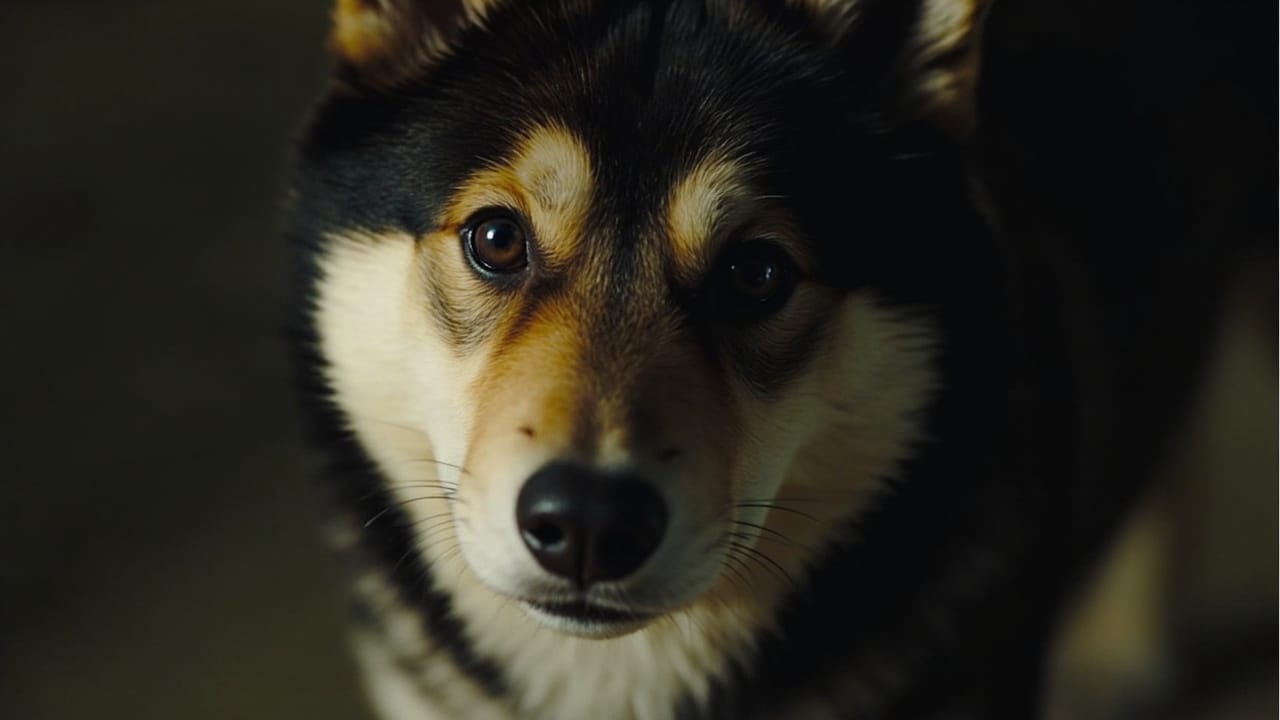
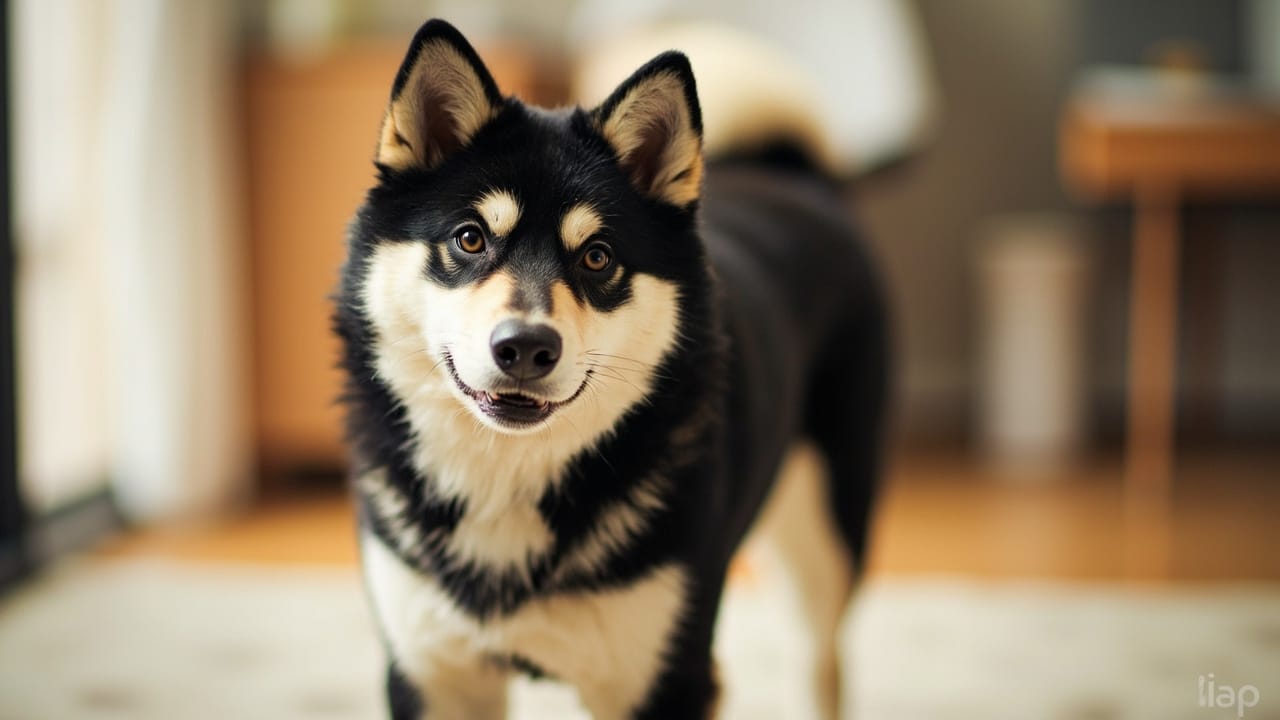
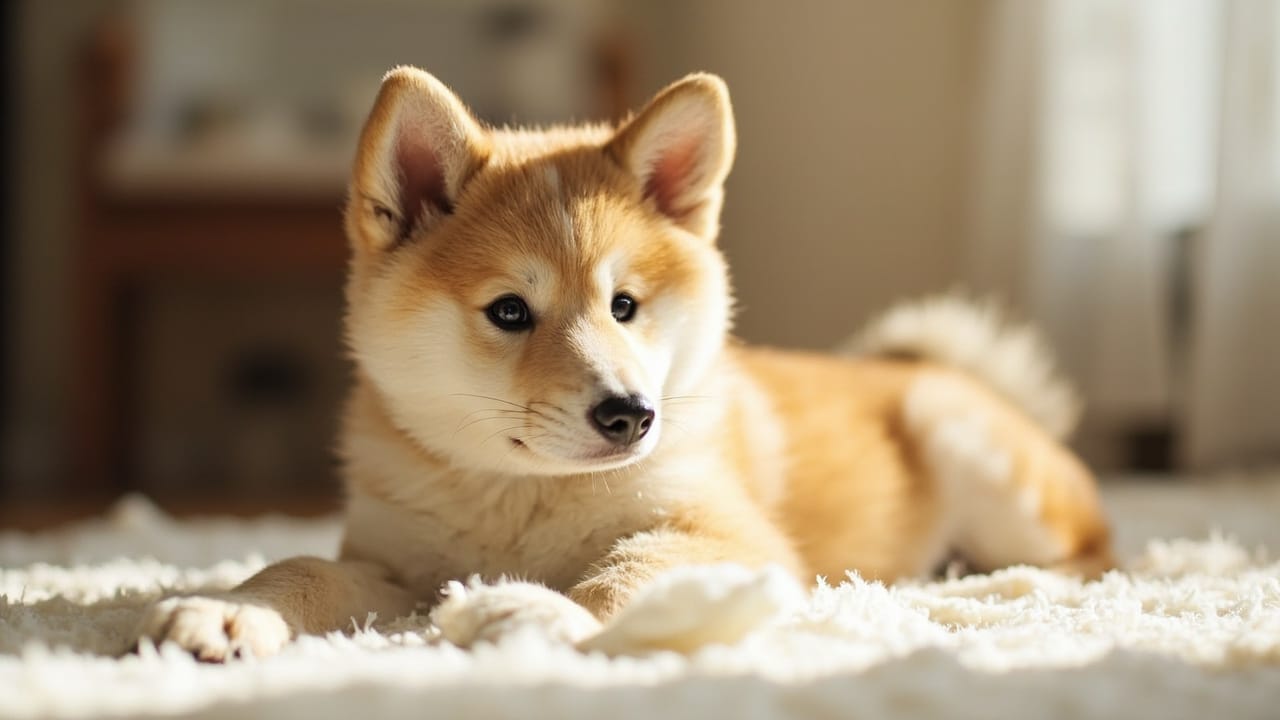
Shiba Inu kölyökkutyabiztos otthon kialakítása: teljes biztonsági útmutató
A Shiba Inu kölykök kíváncsi, mozgékony szökőművészek, erős zsákmányszerző ösztönnel és harapós kedvvel. A kölyökkutyabiztossá tétel azt jelenti, hogy minden helyiséget el kell látni babakapuval, el kell távolítani a mérgező ételeket és növényeket, el kell rejteni az elektromos vezetékeket, zárolni kell a vegyszereket, és mindent, ami elég kicsi ahhoz, hogy lenyelje, el kell zárni a kutya elől.
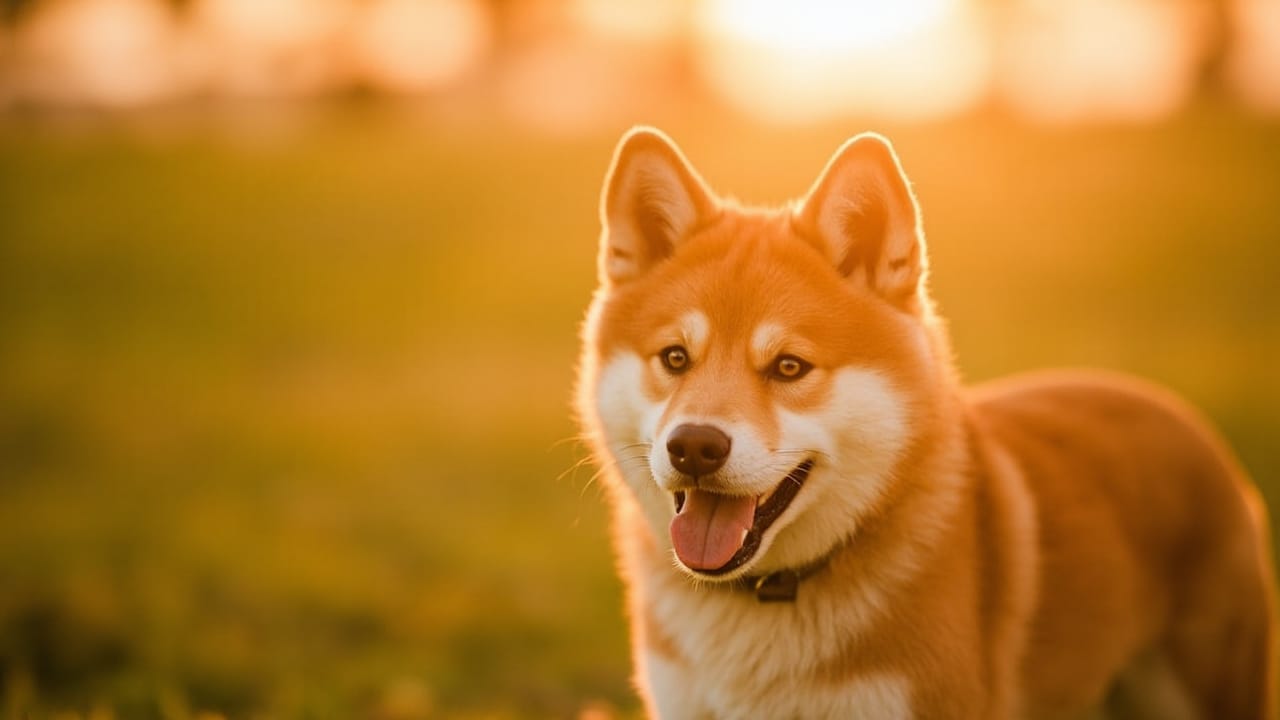
Izgalmas esemény hazavinni egy Shiba Inu kölyköt, de ez a fajta szokatlanul intelligens, atletikus és szájas a méretéhez képest. A Shibák felugranak a pultra, átférnek a keskeny réseken, és a mancsaikkal ki tudják nyitni a szekrényeket. Egy alapos kölyökkutyabiztossági rutin az első nap előtt megelőzi a szétrágott vezetékeket, a lenyelt zoknikat és a sürgősségi állatorvosi látogatásokat.
Kezdj szobáról szobára haladó átvizsgálással
Sétálj végig az otthonodon kölyökkutya-szemmagasságban (kb. 30–40 cm-re a padlótól). Guggolj le, és nézz a bútorok alá, a függönyök mögé, és a lábazatok mentén. Bármit látsz, a Shibád is látni fogja. Azonosítsd és távolítsd el:
- Lógó elektromos vezetékeket, amelyeket elér
- Apró tárgyakat (érmék, hajgumik, gumiszalagok, gyerekjátékok, palack kupakok)
- Szobanövényeket (sok mérgező; a liliom, a szobaborostyán, a filodendron és a cikász különösen veszélyes)
- Nem záródó fedelű szemeteskukákat
- Cipőket, zoknikat és távirányítókat szaglózási távolságon belül
A Shibák hírhedt pultfosztogatók, amint elérik a pultmagasságot (már kölyökként is képesek a hátsó lábukra ágaskodni), ezért soha ne hagyj ételt felügyelet nélkül a konyhai felületeken.
Zárd el a veszélyeket a konyhában és a fürdőszobában
A konyha és a fürdőszoba rejtik a legtöbb kölyökkutyaveszélyt. Szerelj fel gyermekbiztonsági reteszeket minden szekrényre, amelyben tisztítószerek, gyógyszerek vagy műanyag zacskók vannak. Helyezd az összes emberi élelmiszert felső szekrényekbe vagy egy zárolható kamrába – a csokoládé, a szőlő, a hagyma, a xilit (cukormentes rágógumiban és mogyoróvajban), a fokhagyma és a makadámiadió mérgező a kutyákra.
A fürdőszobában tartsd lecsukva a vécéfedelet (áramütés és vegyszer-expozíció veszélye), a borotvákat tárold fiókokban, és soha ne hagyj fürdőtermékeket a kád szélén. A szemetest tedd a szekrénybe, vagy használj nehéz, záródó fedelű modellt.
Biztosítsd az udvart és a kültéri tereket
A Shibák híres szökőművészek, erős zsákmányszerző ösztönnel. Egy átlagos 1,2 méteres kerítés ritkán elég. Képesek mászni, alá ásni és meglepően magasra ugrani. A kert biztonságáért:
- Használj legalább 1,5–1,8 méteres tömör fa vagy sövénykerítést
- Földbe süllyesztett csirkeháló vagy L-alakú kerítés 30–60 cm mélységben a kerület mentén az ásás megakadályozására
- Ellenőrizd a kapukat, hogy ne legyen 5 cm-nél nagyobb rés (a kölyökkutya feje meglepően kis lyukakon is átfér)
- Távolítsd el vagy kerítsd el a medencéket, tavakat és jakuzzikat
- A pázsittrágyát, csigaírtót, kakaó mulcsot és rágcsálóirtót zárolt fészerben tárold – ezek halálosak a kutyákra
- Naponta ellenőrizd az udvart gombák, elhullott vadállatok vagy éles törmelékek után
Soha ne hagyd felügyelet nélkül a Shiba kölyköt a szabadban, még teljesen bekerített udvarban sem.
Alakíts ki biztonságos beltéri "bázist"
Korlátozd a fiatal Shiba mozgásterét egy járókával, futtatókarámmal (x-pen) vagy babakapukkal. Egy 1,2x1,2 vagy 1,2x1,8 méteres x-pen egy forgalmas szobában elegendő helyet ad a kölyöknek a mozgáshoz, miközben távol tartja a veszélyes zónáktól. Helyezz el:
- Megfelelő méretű ketrecet (61–76 cm a legtöbb Shibának) nyitott ajtóval nappalra
- Mosható pelenkát vagy alomtálcát a korai balesetekhez
- Biztonságos rágójátékokat (Kong, Nylabone, puzzle etetők) a fogzás átirányításához
- Friss vizet kiömlésbiztos tálban
Soha ne használd a ketrecet büntetésként. Annak nyugodt menedékhelynek kell maradnia, ahol a Shiba önszántából szunyókál.
Kezeld a "Shiba 500"-at és a fogzási szakaszt
A 8 hetes és 6 hónapos kor közötti Shiba kölykök két nehéz szakaszon mennek keresztül: a "zoomik" (Shiba 500) és az intenzív fogzás. Mindkettő rágásra, harapásra és elrohanásra ösztönzi őket. Védd az otthonod az alábbiakkal:
- 5–7 rágójáték forgatása, hogy a kölyök soha ne unatkozzon
- Függönyzsinórok és redőnyhúzók felkötése vagy letakarása (fojtásveszély)
- Kárpitozott bútorlábak védelme keserű alma spray-vel
- Könyvespolcok és tévé rögzítése hevederekkel – a mászó Shiba felboríthatja a nehéz bútorokat
- Lógó elektromos vezetékek eltávolítása vagy védőburkolattal való ellátása
Végső ellenőrzőlista a kölyök érkezése előtt
Az átvétel napja előtt menj végig az ellenőrzőlistán még egyszer:
- Minden mérgező növény eltávolítva
- Minden vegyszer elzárva
- Minden apró tárgy felcsukva a padlóról
- Szemetes rögzítve
- Udvar átvizsgálva és megerősítve
- x-pen, ketrec és babakapuk felállítva
- Állatorvosi időpont lefoglalva az első 48–72 órára
Egy jól előkészített otthon lehetővé teszi, hogy a Shiba Inud a kötődésre, a tanításra és arra koncentrálhasson, hogy azzá a magabiztos, tiszta társsá váljon, akit a fajta miatt annyira szeretnek.
FAQ
Nehezebb a Shiba Inut kölyökkutyabiztossá tenni, mint más fajtákat?
Igen. A Shiba szokatlanul mozgékony, korán pultfosztogató, erős a zsákmányszerző ösztöne és a szökési hajlama, ezért a szokásos bababiztosítás gyakran nem elég.
Mely háztartási tárgyak a legveszélyesebbek egy Shiba kölyökre?
Elektromos vezetékek, emberi gyógyszerek, xilit (cukormentes rágógumi), csokoládé, szőlő, hagyma, rágcsálóirtók, csigaírtók, lenyelhető apró tárgyak, valamint mérgező szobanövények, mint a liliom, a szobaborostyán és a cikász.
Milyen magasra tud ugrani egy Shiba Inu?
A kifejlett Shiba könnyedén átugrik 1,2–1,5 méteres kerítést, a motivált kölykök pedig meglepő magasságokba is fel tudnak kapaszkodni, ezért ajánlott az 1,5–1,8 méteres tömör kerítés.
Ketrecbe zárjam a Shiba Inu kölyköt?
Igen. A ketrecre nevelés jól működik a Shibáknál, mert a fajta természeténél fogva tiszta és barlangszerű menedéket kedvel, egy megfelelő méretű, 61–76 cm-es ketrec pedig biztonságban tartja a fogzó kölyköt felügyelet nélkül.