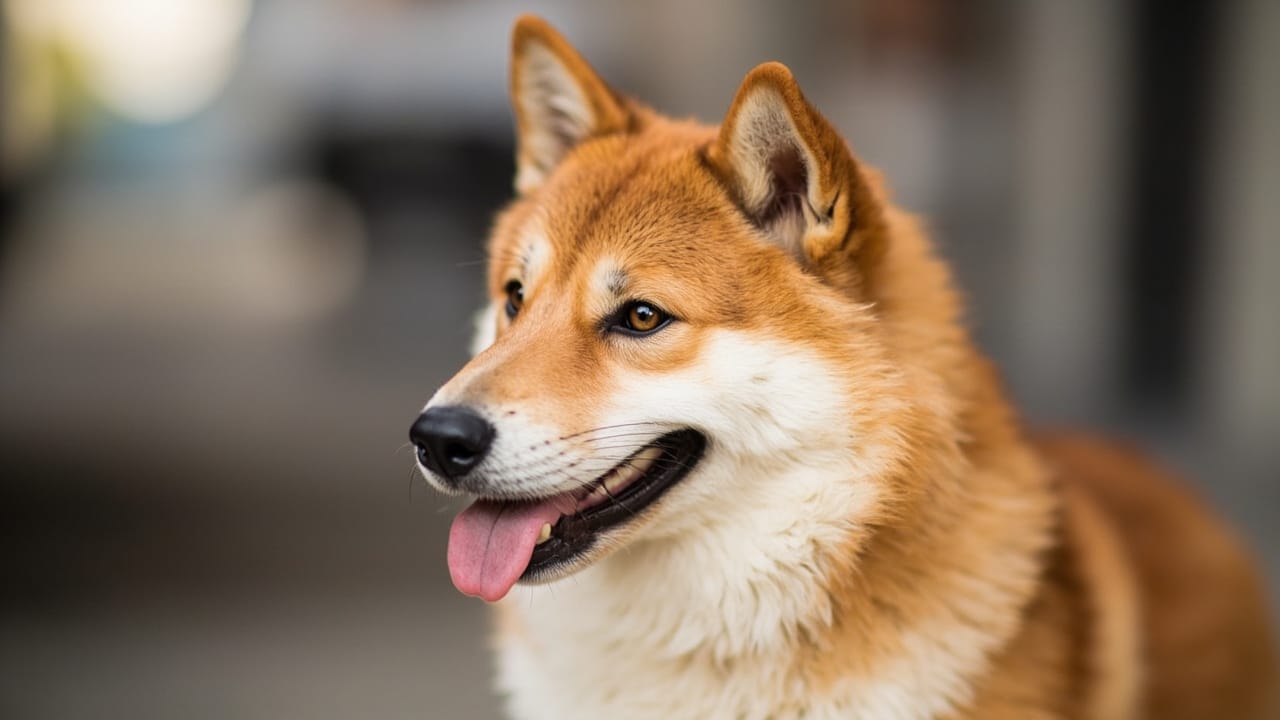
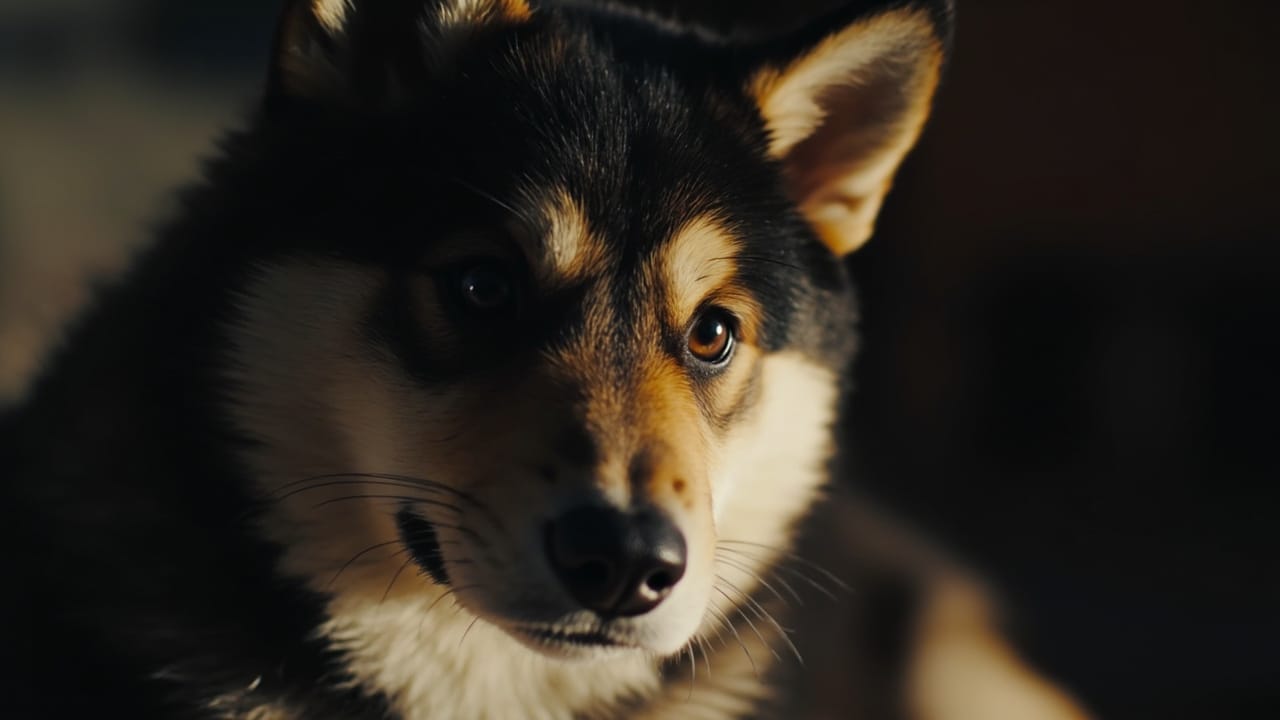
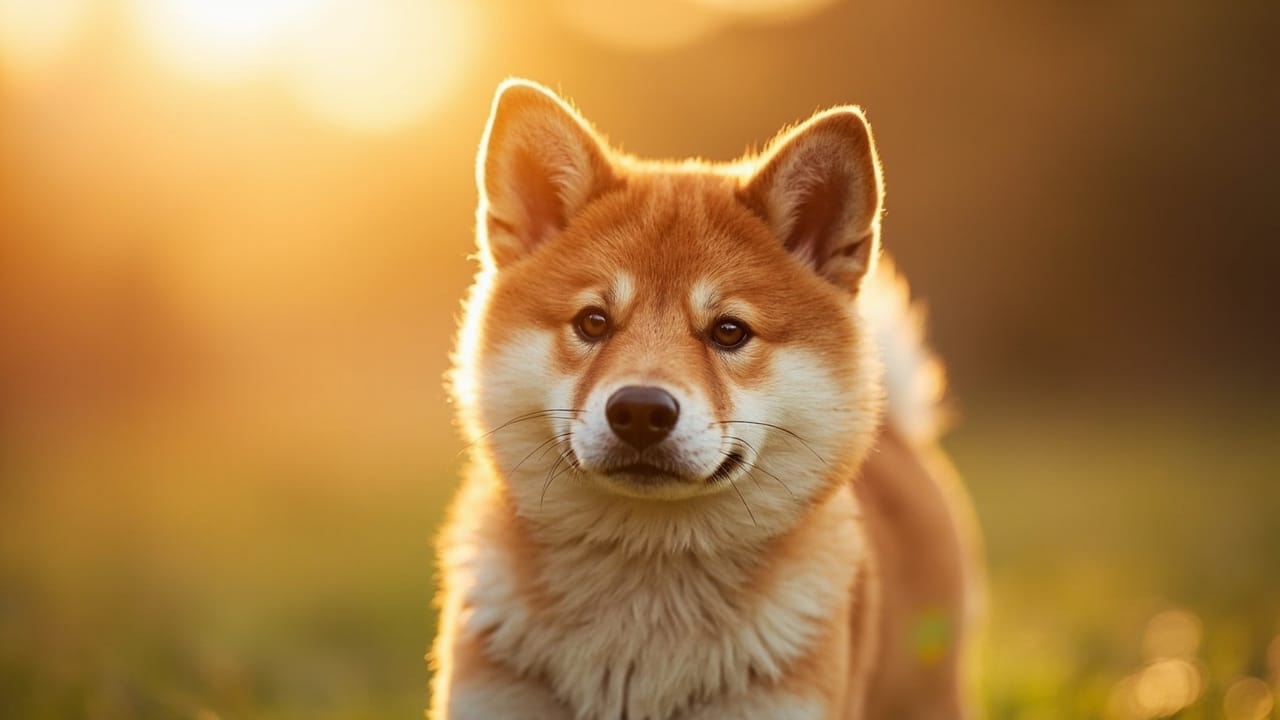
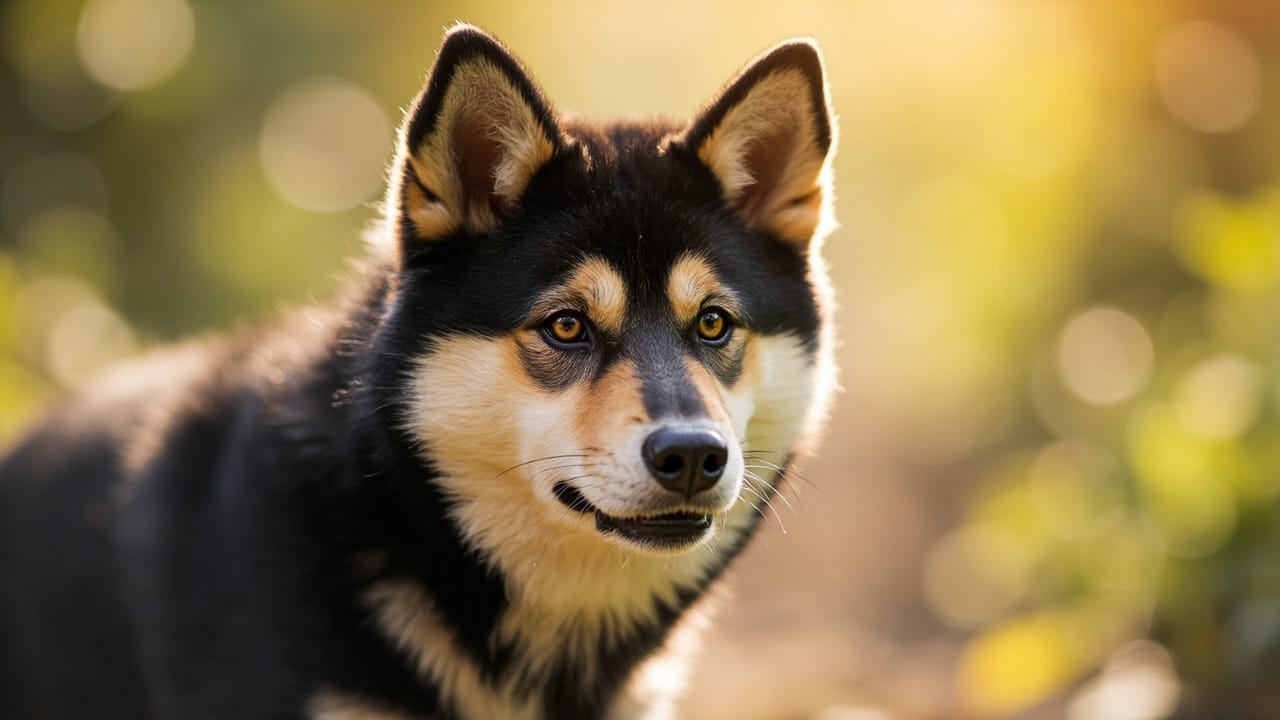
Apakah Teacup Shiba Inu Itu Nyata? Kebenaran tentang Shiba 'Teacup'
Tidak ada yang namanya teacup Shiba Inu sejati. Istilah "teacup" adalah label pemasaran, bukan kategori ukuran resmi, dan tidak ada klub kennel besar yang mengenalinya. Siapa pun yang menjual "teacup Shiba" sedang menggelembungkan anak anjing yang kerdil, menyilangkan Shiba dengan ras yang lebih kecil, atau menjual anjing yang tidak sehat dari peternak yang tidak etis.
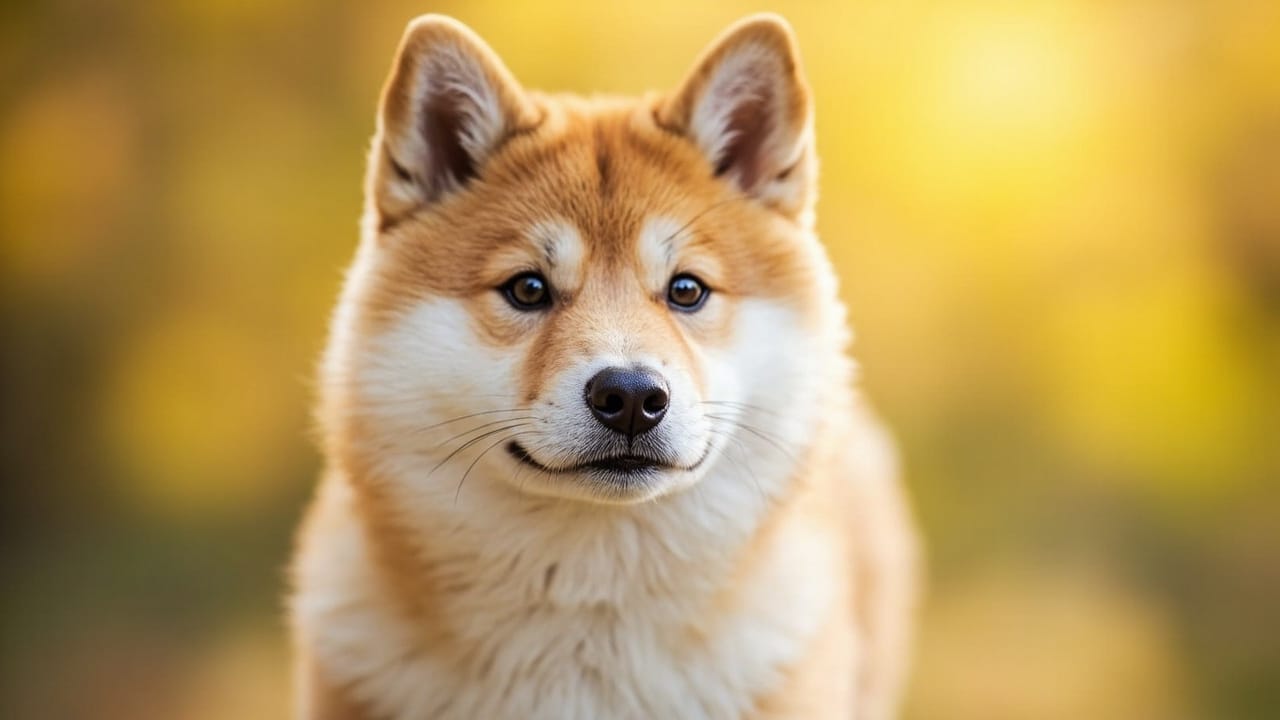
Apa yang Sebenarnya Dimaksud dengan "Teacup"
Jika Anda pernah melihat daftar "teacup Shiba Inu" secara daring dan bertanya-tanya apakah Shiba Inu, salah satu ras spitz asli Jepang yang terkecil, benar-benar hadir dalam versi ukuran saku, jawaban singkatnya adalah tidak. Istilah "teacup" bukanlah ukuran, garis darah, atau designation ras yang diakui untuk Shiba Inu. Ini adalah kata pemasaran yang digunakan untuk membuat anjing terdengar lebih kecil, lebih lucu, dan lebih eksklusif sehingga penjual dapat membanderol harga yang lebih tinggi.
Shiba Inu sudah memiliki standar ukuran yang jelas. Jantan memiliki tinggi 35–43 cm (kira-kira 8–11 kg) dan betina memiliki tinggi 33–41 cm (kira-kira 7–9 kg). Standar NIPPO Jepang, standar AKC, dan standar FCI semuanya mendeskripsikan anjing yang ringkas dan kekar. Tidak satu pun dari standar tersebut yang mencakup varietas "teacup" atau "miniatur". Ketika seorang penjual menggunakan kata itu, mereka sedang menciptakan kategori yang tidak ada di registrasi resmi mana pun.
Dari Mana Asalnya Label Teacup
Jadi, mengapa istilah itu ada sama sekali? Tiga hal biasanya menjadi latar belakangnya:
- Anak kerdil yang dilebih-lebihkan. Anak anjing terkecil dalam satu litter, kadang disebut anak kerdil, mungkin memiliki berat yang jauh lebih rendah dari saudara-saudaranya. Penjual yang tidak beretika memberi label ulang anak kerdil sebagai "teacup" atau "mini" dan mengenakan harga premium untuk mereka.
- Persilangan dengan anjing yang lebih kecil. Beberapa penjual diam-diam menyilangkan Shiba dengan Pomeranian, Papillon, atau ras mainan lain untuk mendapatkan anak anjing yang lebih kecil dan agak mirip Shiba. Ini adalah anjing campuran, bukan Shiba Inu, dan mereka tidak akan tumbuh menjadi contoh yang sehat dari salah satu ras.
- Mengawinkan anjing dewasa terkecil satu sama lain. Mengawinkan anjing terkecil dan terlemah berulang kali untuk mencoba mengecilkan garis keturunan menghasilkan anjing yang terlihat kecil tetapi sering menderita masalah organ, tulang yang rapuh, dan umur yang lebih pendek. Umur alami Shiba Inu sebesar 13–16 tahun dapat terpangkas secara drastis oleh perkawinan sedarah selektif semacam ini.
Dalam ketiga kasus tersebut, anjing tersebut bukan Shiba Inu, tidak sehat, atau keduanya.
Masalah Kesehatan di Balik Hype
Permintaan akan anjing yang lebih kecil telah menciptakan masalah kesejahteraan hewan yang nyata. Anjing yang disebut teacup dari ras apa pun secara statistik lebih mungkin menderita:
- Hipoglikemia (gula darah yang terlalu rendah)
- Shunt hati dan masalah pencernaan kronis
- Cacat jantung seperti patent ductus arteriosus
- Tulang yang rapuh dan mudah patah
- Fontanel terbuka (bintik lunak di tengkorak yang tidak pernah menutup)
- Luxasi patellar, masalah Shiba Inu yang sudah dikenal dan diperparah oleh struktur tubuh yang buruk
- Kepadatan gigi dan kehilangan gigi dini
Ini bukan kasus ekstrem yang jarang. Kasus ini cukup umum sehingga sebagian besar asosiasi veteriner, termasuk AVMA, telah memperingatkan pembeli secara terbuka tentang anjing berukuran teacup. Shiba Inu yang benar-benar sehat sudah berukuran kecil dan mudah diatur; mengecilkannya lebih jauh tidak menjadikannya lebih praktis, itu hanya membuatnya sakit.
Cara Membeli Shiba Inu dengan Benar
Cara yang sehat, etis, dan jelas secara hukum untuk membawa pulang Shiba Inu terlihat seperti ini:
- Ternak sesuai standar. Carilah peternak yang dapat menunjukkan silsilah dari registri yang diakui (AKC, NIPPO, FCI) dan menyaring indukan untuk pinggul, patella, dan mata melalui OFA atau CHIC. Standar adalah standar karena suatu alasan.
- Kisaran harga Shiba yang sebenarnya. Di AS, Shiba Inu yang diternakkan secara bertanggung jawab dari induk yang telah diuji kesehatannya biasanya berharga $1.400–$2.500, dan $3.500–$5.000 untuk kualitas pertunjukan atau garis keturunan yang diimpor penuh. Jika seseorang mengenakan biaya $4.000+ untuk "teacup," Anda membayar lebih untuk sebuah label, bukan anjing yang lebih kecil.
- Pertimbangkan adopsi. Penyelamatan khusus ras dan penyelamatan Shiba Inu umum di AS, Jepang, dan Eropa secara teratur memiliki anjing dewasa muda yang tersedia seharga $300–$600, kadang lebih murah. Banyak dari anjing-anjing ini sudah terlatih buang air di rumah dan melewati fase remaja yang sulit.
- Berjalanlah dari taktik tekanan. "Garis teacup langka," "hanya tersisa dua," "kesempatan terakhir sebelum mereka pergi" adalah semua tanda bahaya klasik untuk daftar bergaya penipuan, yang umum di pasar media sosial.
Intinya
"Teacup Shiba Inu" adalah sebuah invention pemasaran. Shiba Inu asli hadir dalam satu ukuran, yang tertulis dalam standar ras, dan mereka sudah merupakan anjing yang ringkas dan ramah apartemen. Jika Anda menginginkan Shiba, belilah dari peternak yang menguji kesehatan dan beternak sesuai standar, atau adopsi satu. Lewati saja penjual mana pun yang menjanjikan sesuatu yang lebih kecil, karena yang sebenarnya mereka janjikan adalah anjing dengan kemungkinan lebih tinggi untuk masalah kesehatan serius selama sisa hidupnya yang lebih pendek.
FAQ
Seberapa besar Shiba Inu dewasa penuh?
Jantan memiliki tinggi 35–43 cm dan berat sekitar 10 kg; betina memiliki tinggi 33–41 cm dan berat sekitar 8 kg. Shiba adalah yang terkecil dari enam ras spitz asli Jepang, dan itu sudah merupakan rentang ukuran resminya.
Apakah ada Shiba Inu miniatur atau toy?
Tidak. NIPPO, AKC, dan FCI semuanya mengakui satu ukuran Shiba Inu. Shiba "miniatur," "toy," atau "teacup" apa pun adalah anak kerdil, ras campuran, atau produk dari perkawinan yang tidak sehat, bukan varietas yang diakui.
Berapa harga anak anjing Shiba Inu yang sehat dari peternak bereputasi baik?
Di Amerika Serikat, Shiba Inu yang diternakkan secara bertanggung jawab dari induk yang telah diuji kesehatannya biasanya berharga $1.400–$2.500, dengan kualitas pertunjukan atau garis impor dihargai $3.500–$5.000. Penyelamatan biasanya mengenakan biaya $300–$600.
Apakah Shiba Inu anjing apartemen yang baik?
Ya. Ukurannya yang kecil, kebiasaan kebersihannya, dan sifatnya yang tenang (selain 'teriakan Shiba' yang terkenal) menjadikannya sangat cocok untuk apartemen, asalkan mereka mendapatkan olahraga harian dan stimulasi mental.