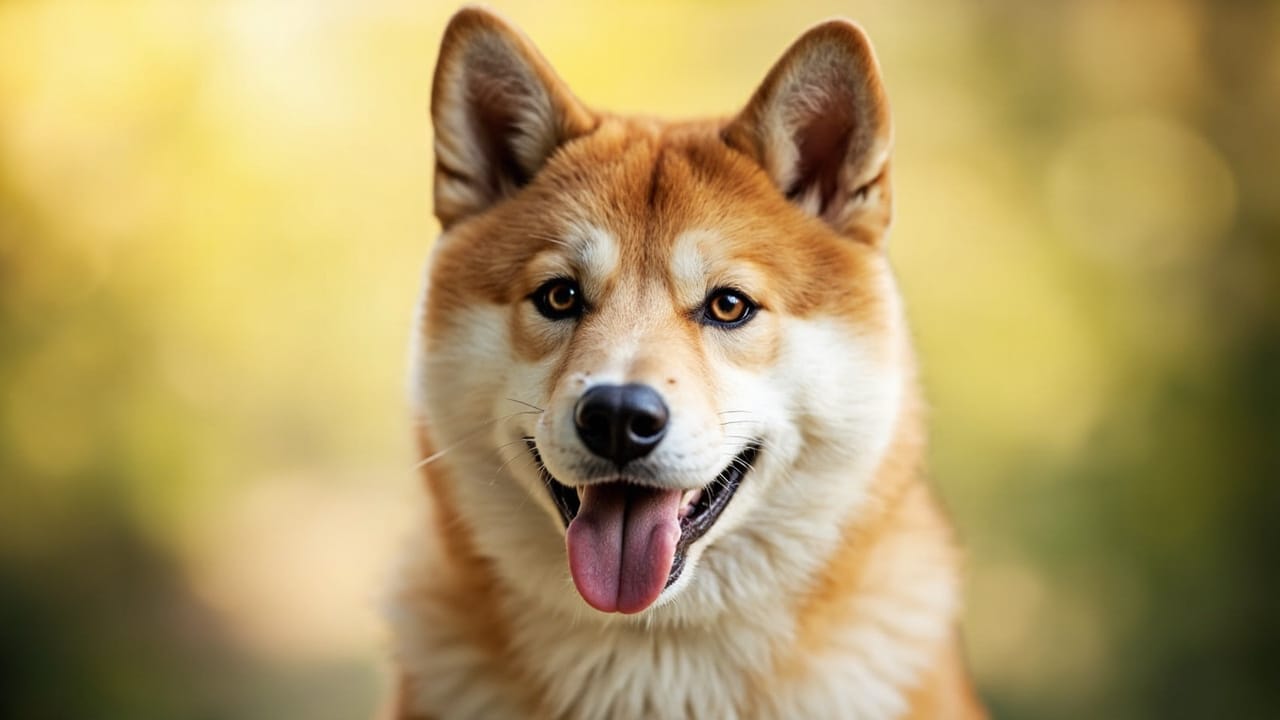
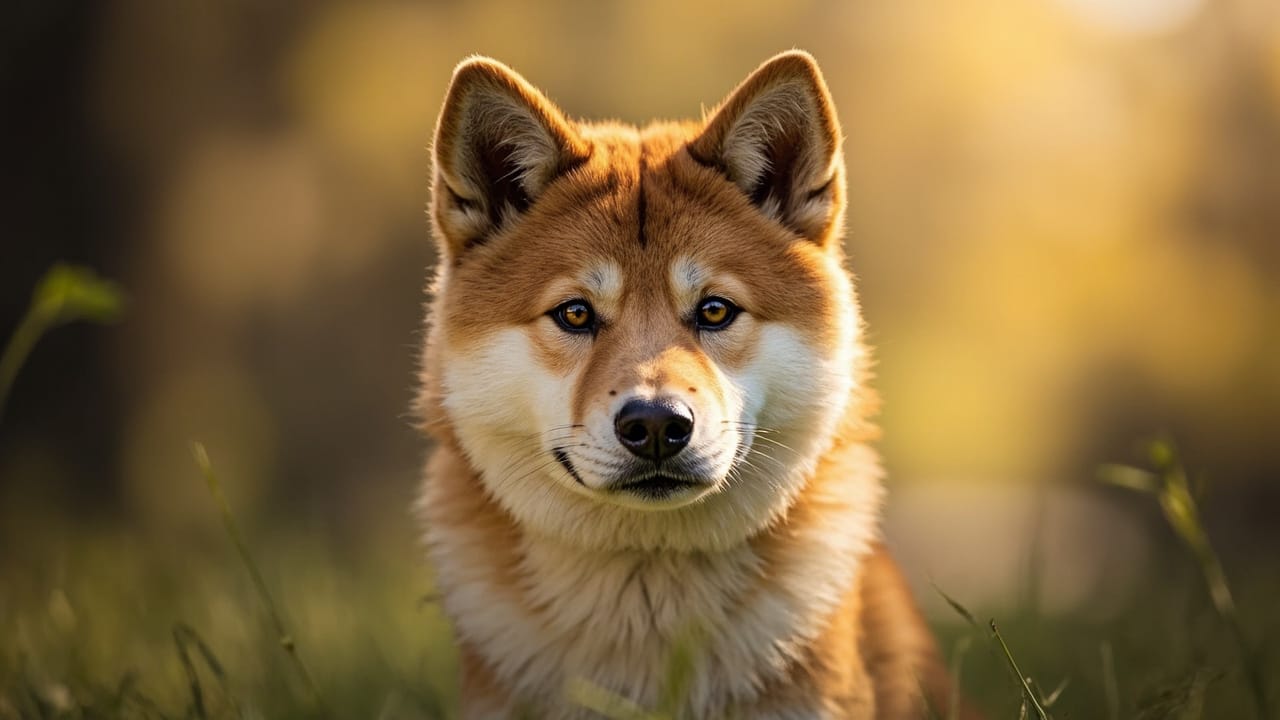
Merawat Sementara Shiba Inu: Hal yang Perlu Anda Ketahui Dahulu
Merawat sementara Shiba Inu berarti menampung sementara ras yang dikenal karena kemandiriannya, naluri mangsa yang kuat, dan vokalisasi protes sesekali ("teriakan Shiba"). Bersiaplah menghadapi anjing yang menyerupai kucing dan sering mencoba kabur, yang membutuhkan pagar yang aman, pelatihan yang sabar, dan pemahaman terhadap sifat cadangnya terhadap orang asing sebelum Anda mendaftar.

Merawat sementara Shiba Inu memang rewarding tetapi berbeda dari merawat ras lain pada umumnya. Shiba cerdas, bersih, dan penuh kasih sayang dengan caranya sendiri, namun mereka dikembangkan sebagai anjing pemburu tunggal di pegunungan Jepang, yang memberi mereka sifat keras kepala, pendiam, dan mandiri yang bisa mengejutkan keluarga asuh sementara yang pemula. Mengetahui apa yang Anda hadapi melindungi anjing, rumah Anda, dan kewarasan Anda.
Pahami Kepribadian Shiba Dahulu
Shiba sering disebut "mirip kucing" dengan alasan yang tepat. Mereka merawat diri sendiri, secara alami menjaga kebersihan rumah, dan terikat kuat pada satu atau dua orang sambil tetap bersikap sopan acuh terhadap orang lain. Mereka bukan tipe yang menyenangkan seperti Labrador; mereka bekerja sama ketika itu masuk akal bagi mereka.
Ciri perilaku utama yang perlu Anda waspadai:
- Teriakan Shiba: vokalisasi melengking tinggi yang mengerikan, dipicu oleh frustrasi, ketakutan, atau saat dikekang (potong kuku, penanganan dokter hewan). Kedengarannya mengejutkan tetapi jarang agresif.
- Shiba 500: ledakan zoomies mendadak yang frenetik, sering terjadi di malam hari, di mana anjing berlari kencang mengelilingi rumah atau halaman dengan kecepatan penuh.
- Naluri mangsa yang kuat: hewan kecil, kucing, tupai, dan bahkan anjing kecil bisa memicu pengejaran. Banyak Shiba yang tidak dapat hidup aman bersama kucing atau hewan kecil piaraan.
- Potensi penjagaan sumber daya: makanan, mainan, tempat tidur, atau orang favorit mungkin dijaga. Keluarga asuh sementara harus tahu cara melakukan trade-up dan mengelola ruang.
- Seni melarikan diri: mereka memanjat, menggali, menyelinap, dan melompat. Pagar setinggi 6 kaki adalah batas minimum praktis, dan gerbang membutuhkan kunci yang benar-benar kuat.
Evaluasi Rumah Anda Secara Jujur
Sebelum merawat sementara, periksa daftar berikut:
- Pagar yang aman: setidaknya 5–6 kaki, tanpa celah di bawah, tanpa furnitur atau pohon yang bisa dipanjat di dekat perimeter. Pagar listrik tanpa kabel tidak bekerja untuk sebagian besar Shiba — mereka akan menahan kejutnya.
- Tanpa dinding bersama dengan drywall tipis: Shiba bisa reaktif terhadap suara lorong, tetangga, dan bel pintu.
- Halaman vs. apartemen: keduanya bisa, tetapi apartemen menuntut komitmen olahraga harian yang serius dan peredam suara.
- Tanpa hewan kecil kecuali rescue secara eksplisit sudah menguji anjing tersebut dengan kucing dan memastikan keberhasilannya.
- Anak-anak di rumah: Shiba umumnya lebih cocok dengan anak yang lebih tua dan paham anjing. Balita dan Shiba adalah pasangan yang berisiko mengingat toleransi ras yang rendah terhadap penanganan dan kecenderungan berteriak atau menggigit saat tertekan.
- "Ruang dekompresi" terpisah: crate, playpen, atau kamar cadangan tempat anjing asuh sementara bisa dekompresi selama 1–3 minggu pertama tanpa merasa kewalahan.
Realitas Kesehatan dan Medis
Shiba adalah salah satu ras dengan umur terpanjang, sering mencapai 13–16 tahun, tetapi bukan berarti bebas masalah. Keluarga asuh sementara harus mewaspadai kemungkinan:
- Dermatitis atopik dan alergi kulit (sangat umum; anggarkan untuk diet hipoalergenik, sitologi, atau Apoquel).
- Luxating patella, terutama pada individu yang lebih kecil.
- Displasia pinggul (~7,6% angka terpengaruh OFA).
- Glaukoma sudut tertutup primer, yang bersifat akut, menyakitkan, dan mengancam penglihatan; akses dokter hewan darurat penting.
- Katarak, PRA, dan hipotiroidisme.
Sebagian besar rescue yang memiliki reputasi baik akan menanggung biaya medis, tetapi tanyakan kepada organisasi skrining yang direkomendasikan CHIC mana (OFA hips, OFA patella, pemeriksaan mata CERF/CAER) yang sudah dilakukan pada anjing tersebut, dan konfirmasikan siapa yang membayar untuk keadaan darurat di luar jam kerja.
Pelatihan, Olahraga, dan "Periode Dekompresi"
3 minggu pertama adalah dekompresi. Jangan langsung membanjiri anjing dengan tamu, taman anjing, atau kelas kepatuhan. Biarkan mereka mempelajari rutinitas terlebih dahulu. Lalu bangun secara perlahan:
- Olahraga harian: 45–60 menit jalan cepat atau kerja mencium. Shiba membutuhkan kerja mental sama banyaknya dengan kerja fisik.
- Hanya pelatihan tanpa paksaan. Shiba akan shut down dengan hukuman dan mengingatnya. Gunakan treats, bermain, dan manajemen.
- Recall yang andal adalah permainan jangka panjang; banyak pemilik Shiba berpengalaman yang tidak pernah benar-benar melepas tali anjingnya di area yang tidak aman.
- Perawatan bulu: penyikatan mingguan, dengan dua kali rontok bulu berat per tahun (musim semi dan musim gugur) di mana Anda akan menyikat setiap hari dan hidup dikelilingi bulu.
Apa yang Diinginkan Rescue dari Anda
Sebagian besar rescue Shiba (contoh nasional termasuk National Shiba Inu Rescue Network dan Shiba Inu Rescue Association) memiliki persyaratan ketat untuk keluarga asuh sementara:
- Pemeriksaan rumah atau video walk-through.
- Kontrak asuh sementara yang ditandatangani yang merinci siapa yang membayar untuk apa.
- Kesediaan untuk mengantar ke janji dokter hewan dan acara adopsi.
- Kemampuan untuk mengucapkan selamat tinggal. Merawat sementara berarti mencintai anjing cukup untuk melepaskannya pergi.
Keluarga asuh sementara yang melakukannya dengan baik adalah tulang punggung rescue Shiba. Keunikan ras ini berarti lebih sedikit pelamar yang berani, jadi keluarga asuh sementara yang siap bisa benar-benar menyelamatkan nyawa anjing. Masuklah dengan mata terbuka, halaman yang aman, dan selera humor tentang teriakannya.
FAQ
Apakah Shiba Inu sulit untuk diasuh sementara dibandingkan ras lain?
Ya, bagi orang yang baru pertama kali memelihara anjing. Kemandirian, naluri mangsa, risiko kabur, dan protes vokal mereka membutuhkan manajemen dan pengetahuan tentang ras yang lebih besar daripada anjing asuh sementara pada umumnya.
Apakah Shiba Inu bisa diasuh sementara di apartemen?
Bisa, jika Anda berkomitmen pada olahraga harian 45–60 menit, mengelola gonggongan, dan dog-proof terhadap upaya kabur. Halaman yang aman memang memudahkan, tetapi tidak wajib.
Apakah Shiba Inu akur dengan kucing atau hewan piaraan lain?
Sering kali tidak. Naluri mangsa mereka yang kuat berarti banyak Shiba yang tidak bisa hidup dengan kucing, kelinci, atau anjing kecil. Hanya asuh sementara Shiba yang secara eksplisit sudah diuji kucing oleh rescue dan dinyatakan kompatibel.
Berapa lama Shiba Inu biasanya tinggal dalam asuh sementara?
Sebagian besar masa asuh sementara berlangsung 2–8 minggu, tergantung kebutuhan medis anjing, persyaratan pelatihan, dan seberapa cepat adopter yang cocok ditemukan. Beberapa kasus perilaku bisa tinggal lebih lama.