Menjaga Shiba Inu Berlapis Ganda Tetap Nyaman di Cuaca Panas dan Dingin
Lapisan ganda Shiba Inu adalah insulator yang mengatur dirinya sendiri: menahan udara sejuk di musim panas dan udara hangat di musim dingin. Tugas Anda adalah bekerja sama dengannya, bukan melawannya — jangan pernah mencukurnya. Sediakan tempat teduh, air, dan sirkulasi udara di cuaca panas, danandalkan lapisan bawah yang kering serta lapisan tambahan yang sensible di cuaca dingin.

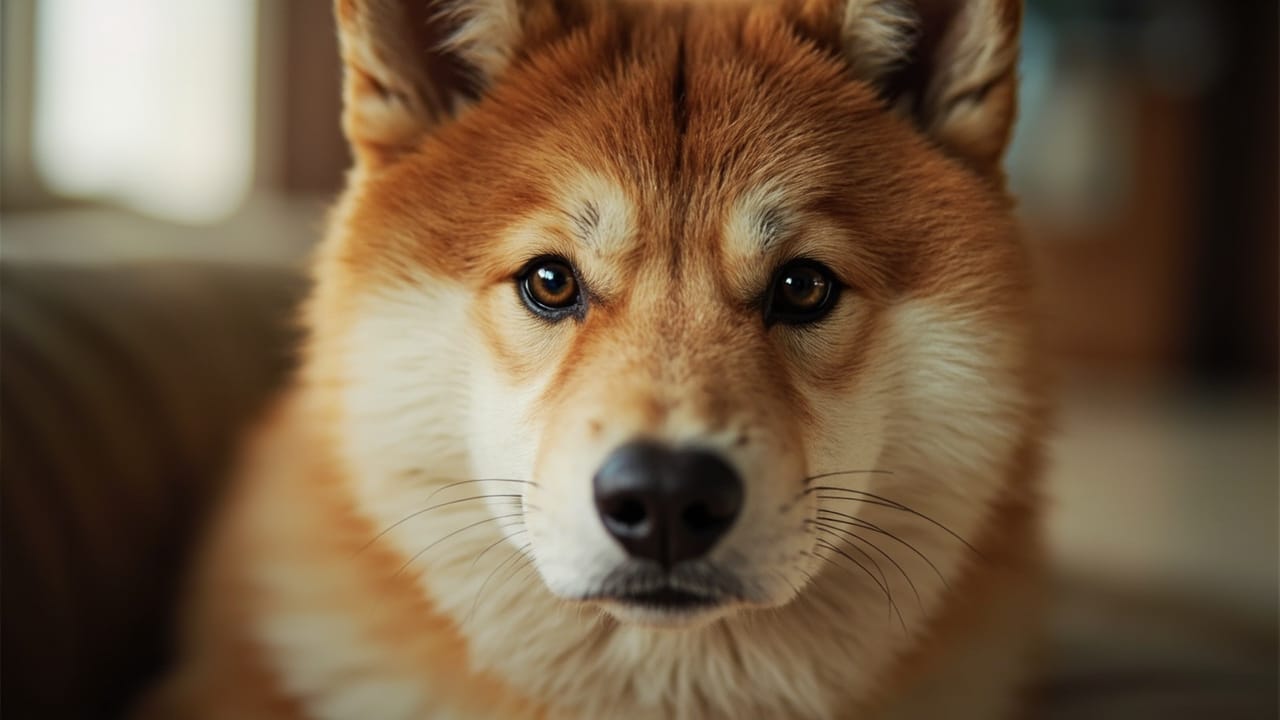
Lapisan ganda Shiba Inu adalah salah satu sistem pengatur suhu alami paling efisien di dunia anjing. Rambut pelindung luar yang kasar menolak air, menghalangi sinar UV, dan memantulkan panas, sementara lapisan bawah yang lembut dan padat menahan lapisan udara yang sudah diatur suhunya oleh tubuh. Di musim panas, lapisan itu menahan udara yang lebih sejuk di dekat kulit; di musim dingin, lapisan itu menahan panas tubuh. Inilah sebabnya ras ini berkembang baik dari Hokkaido yang bersalju hingga Kyushu yang lembap. Peran Anda sederhana: lindungi bulu, kelola lingkungan, dan biarkan anjing mengatur suhunya sendiri.
Jangan Pernah Mencukur Shiba Inu
Kesalahan terbesar yang dilakukan pemilik adalah mencukur bulu "agar anjing tetap sejuk." Shiba yang dicukur justru kurang terlindungi: kulitnya terpapar sinar matahari langsung (risiko nyata terbakar matahari dan heat-stroke), rambut pelindungnya mungkin tidak tumbuh kembali dengan benar, dan anjing kehilangan lapisan udara insulator yang memang menjadi sistem pendinginnya. Biarkan bulu tetap utuh sepanjang tahun dan fokus pada langkah-langkah di bawah ini.
Mendinginkan Shiba di Cuaca Panas
Shiba cukup toleran terhadap panas, tetapi tetap berisiko pada suhu di atas ~29 °C / 85 °F, terutama individu yang cenderung brachycephalic, anjing senior, dan anjing hitam-cokelat yang menyerap lebih banyak radiasi matahari.
- Teduh dan sirkulasi udara adalah yang utama. Tempat terbuka yang beratap dan berangin jauh lebih berharga daripada produk apa pun. Bawa mereka masuk ke dalam rumah saat puncak panas siang hari.
- Air segar yang selalu tersedia. Beberapa mangkuk, beberapa dengan es batu. Tambahkan air mancur hewan peliharaan — banyak Shiba lebih suka air yang mengalir.
- Keset pendingin dan handuk lembap. Letakkan keset pendingin di tempat istirahat favorit mereka. Handuk lembap (bukan dingin, bukan basah) yang disampirkan di punggung meniru efek evaporatif seperti berenang.
- Waktu olahraga. Berjalan-jalan saat fajar atau setelah matahari terbenam. Aspal bisa mencapai 60 °C / 140 °F di siang hari — jika Anda tidak bisa menahan telapak tangan Anda di permukaannya selama 5 detik, itu terlalu panas untuk telapak kaki anjing.
- Kolam kecil atau genangan dangkal. Kebanyakan Shiba menerima kolam plastik rendah di tempat teduh; ini memungkinkan mereka mendinginkan diri sendiri tanpa stres akibat perendaman penuh.
- Rapikan, jangan cukur. Trim sanitasi di sekitar area belakang dan merapikan bulu di kaki masih boleh dilakukan; jangan pernah memotong bulu badan.
- Perawatan bulu. Sikat 2–3 kali seminggu dan setiap hari selama dua kali periode rontok bulu tahunan untuk menghilangkan lapisan bawah yang mati. Semakin sedikit lapisan bawah = semakin baik sirkulasi udara ke kulit.
Perhatikan tanda-tanda heat-stroke: terengah-engah berat, gusi merah tua, mengeluarkan air liur kental, mata berkabut, terhuyung-huyung, atau pingsan. Bertindak segera — basahi tubuh dengan air sejuk (bukan es), tawarkan minum sedikit-sedikit, dan pergi ke dokter hewan.
Menghangatkan Shiba di Cuaca Dingin
Berkat lapisan bawahnya, kebanyakan Shiba dewasa merasa nyaman hingga suhu sekitar -5 °C / 23 °F saat kering, aktif, dan sudah teraklimatisasi. Di bawah suhu itu, atau untuk anak anjing, anjing senior, anjing kurus, dan Shiba mana pun yang menggigil atau mengangkat cakarnya, tambahkan perlindungan.
- Bulu kering adalah wajib. Lapisan bawah yang basah kehilangan hingga 90% nilai isolasinya. Keringkan dengan handuk secara menyeluruh setelah terkena salju atau hujan; pertimbangkan jaket hujan anjing di iklim basah.
- Mantel atau sweter untuk cuaca sangat dingin atau basah. Pilih lapisan luar yang tahan air dan breathable yang menutupi punggung dan dada. Hindari lapisan tebal di dalam ruangan — lapisan itu memadatkan lapisan bawah dan mengurangi loft alaminya.
- Booties untuk es, garam, dan bahan kimia. Paw wax (misalnya, Musher's Secret) melindungi dari gumpalan es dan garam pencair es; bilas kaki setelah berjalan.
- Tempat tidur jauh dari lantai dingin. Tempat tidur yang ditinggikan atau alas tebal dengan lapisan fleece di atasnya menjaga lapisan udara insulator di bawah anjing, bukan terkompresi ke lantai ubin yang dingin.
- Batasi waktu di luar ruangan pada cuaca sangat dingin. Bepergian singkat dan sering lebih baik daripada satu perjalanan panjang.
Kebiasaan Sepanjang Tahun yang Melindungi Fungsi Pengatur Suhu Bulu
- Sikat, jangan terlalu sering dimandikan. Mandikan setiap 6–8 minggu dengan sampo khusus anjing yang lembut; memandikan terlalu sering menghilangkan minyak yang menjaga bulu tetap tahan air.
- Beri makan untuk kesehatan kulit dan bulu. Asam lemak Omega-3 (minyak ikan) mendukung lapisan bawah yang sehat yang mengisolasi secara efisien. Jaga Shiba Anda pada berat ideal 8–10 kg (jantan) atau 7–9 kg (betina) — anjing yang kelebihan berat badan lebih cepat kepanasan.
- Hindari tudung dan peralatan yang membatasi. Apa pun yang memadatkan rambut pelindung mengurangi efek penahan udara.
- Aklimatisasi secara bertahap. Shiba yang dipindahkan dari Arizona ke Helsinki membutuhkan waktu 4–6 minggu untuk menumbuhkan lapisan bawah yang lebih padat, dan sebaliknya.
Lembar Contekan Musiman Singkat
- Rencana hari panas: jalan pagi → teduh + air → keset pendingin → Kong beku → jalan sore → sikat lapisan bawah yang lepas.
- Rencana hari dingin: lapisan tempat tidur hangat → mantel tahan air untuk外出 → keringkan handuk dari salju → paw wax → makanan sedikit tapi sering untuk bahan bakar thermoregulasi.
Percayalah pada bulu. Bulunya berevolusi selama berabad-abad di pegunungan Jepang khusus untuk menghadapi perubahan cuaca yang persis seperti ini. Tugas Anda adalah mendukung, bukan mengesampingkan, biologi tersebut.
FAQ
Should I shave my Shiba Inu in summer to keep them cool?
Tidak. Lapisan ganda Shiba mengisolasi dari panas maupun dingin; mencukur membuat kulit terpapar sengatan matahari, dapat merusak rambut pelindung secara permanen, dan menghilangkan lapisan udara yang justru membuat mereka tetap sejuk.
What temperature is too hot for a Shiba Inu?
Kebanyakan Shiba menangani suhu hingga sekitar 29 °C / 85 °F dengan nyaman, tetapi anjing hitam-cokelat, anjing senior, dan individu yang cenderung brachycephalic dapat kesulitan pada suhu di atas itu. Selalu sediakan tempat teduh, air, dan batasi olahraga di tengah hari.
Do Shiba Inus need a coat or sweater in winter?
Shiba dewasa yang sehat dengan lapisan bawah penuh biasanya baik-baik saja hingga sekitar -5 °C / 23 °F saat kering. Di bawah suhu itu, dalam cuaca basah, atau untuk anak anjing, anjing senior, atau anjing kurus, lapisan luar tahan air atau lapisan penghangat disarankan.
How often should I brush a Shiba Inu to help with temperature regulation?
Sikat 2–3 kali seminggu dalam kondisi normal, dan setiap hari selama dua kali periode rontok bulu tahunan (biasanya musim semi dan musim gugur) untuk menghilangkan lapisan bawah yang mati agar udara sejuk dapat mencapai kulit di musim panas dan udara hangat dapat tertahan secara efisien di musim dingin.