Come Trattare la Tosse dei Canili in uno Shiba Inu: Guida Completa per il Proprietario
La maggior parte degli Shiba Inu con la tosse dei canili guarisce in 2-3 settimane con riposo, isolamento e cure di supporto, anche se i casi gravi richiedono un antibiotico o un sedativo della tosse prescritto dal veterinario. Chiama subito il tuo veterinario perché l'infezione da Bordetella bronchiseptica può evolvere in polmonite, soprattutto nei cuccioli, negli anziani o nei cani stressati.
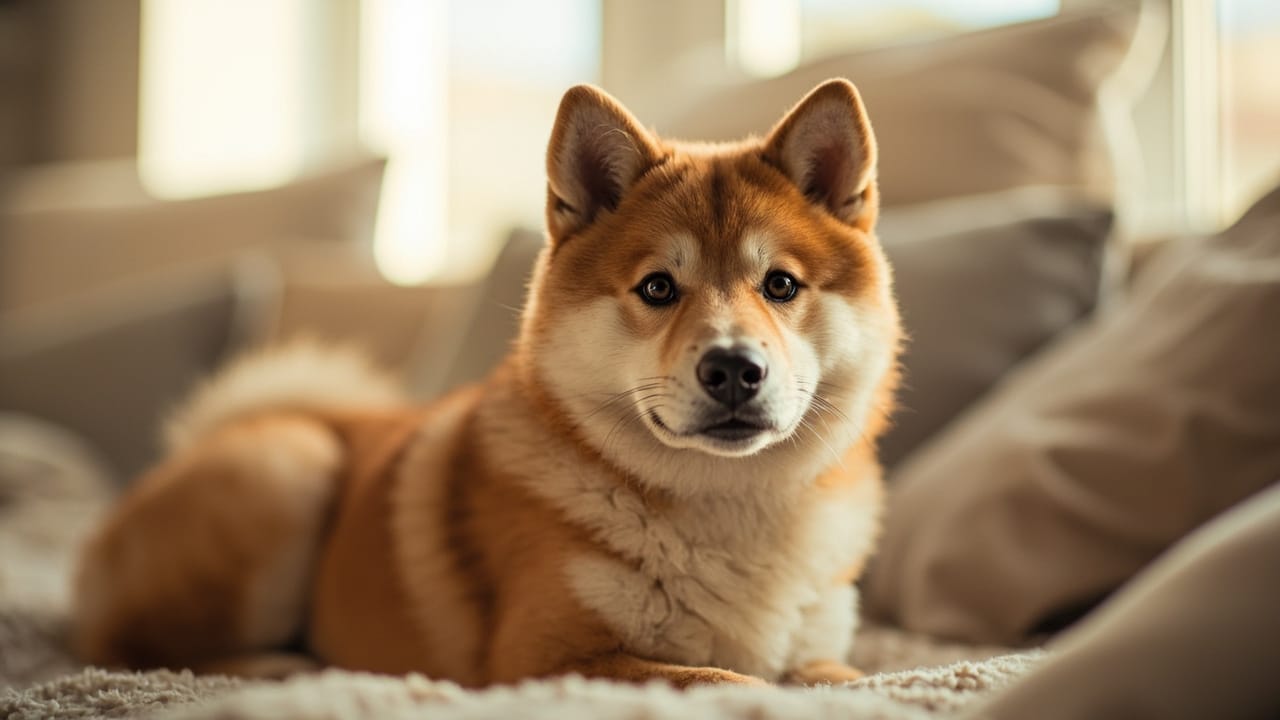
La tosse dei canili (tracheobronchite infettiva) in uno Shiba Inu di solito è autolimitante e si risolve in 2-3 settimane con riposo, umidità e isolamento dagli altri cani, ma è comunque opportuno contattare il proprio veterinario per una guida. I casi lievi si gestiscono a casa, mentre i casi moderati o gravi richiedono una visita veterinaria, esami diagnostici e farmaci su prescrizione come doxiciclina, amoxicillina-acido clavulanico o un sedativo della tosse come l'idrocodone. Poiché gli Shiba sono noti per cali immunitari legati allo stress (e il famoso "Shiba scream" peggiora l'irritazione alla gola), un intervento precoce accorcia la guarigione e previene la polmonite.
Riconoscere Prima i Sintomi
La tosse dei canili ricorda un raffreddore toracico. Fai attenzione a:
- Una tosse secca, insistente, a colpi di "raglio d'oca" che peggiora con l'eccitazione o la pressione del guinzaglio
- Starnuti inversi o conati che terminano in vomito
- Scolo nasale chiaro e acquoso
- Lieve letargia e riduzione dell'appetito
- Febbre bassa (sotto i 39,4°C / 103°F)
Vai urgentemente dal veterinario se il tuo Shiba ha una tosse produttiva umida, respira rapidamente, ha le gengive bluastre, rifiuta il cibo per più di 24 ore, oppure è un cucciolo, un anziano o ha dermatite atopica o ipotiroidismo sottostante: tutti fattori che aumentano il rischio di complicanze.
Quando Andare dal Veterinario (e Cosa Farà)
Chiama il veterinario invece di curare da solo se i sintomi durano più di 3-5 giorni o peggiorano. Un tipico iter diagnostico include:
- Visita clinica e anamnesi (recente pensione, toelettatura, visite al parco cani, stress)
- Radiografie toraciche per escludere polmonite o collasso tracheale
- Tampone PCR o lavaggio tracheale per identificare Bordetella, parainfluenza o influenza canina
- Esami del sangue negli Shiba anziani per screening dell'ipotiroidismo, una predisposizione di razza
Prescrizioni comuni:
- Doxiciclina 5-10 mg/kg una o due volte al giorno per 7-14 giorni (prima scelta per la Bordetella)
- Amoxicillina-acido clavulanico 13,75 mg/kg due volte al giorno
- Idrocodone o butorfanolo per tosse grave che interrompe il sonno
- Soluzione salina nebulizzata o broncodilatatori per l'infiammazione delle vie aeree
Non somministrare mai sciroppi per la tosse umani, ibuprofene, paracetamolo o Benadryl senza approvazione del veterinario; il paracetamolo è tossico per i cani.
Cure a Casa Che Funzionano Davvero
La maggior parte dei casi lievi risponde a cure di supporto costanti:
- Riposo stretto per 10-14 giorni; niente agility, passeggiate lunghe o gioco al parco cani
- Usa una pettorina al posto del collare; la pressione del collare sulla trachea scatena accessi di tosse e peggiora l'infiammazione
- Fai funzionare un umidificatore a nebbia fredda nella stanza dove dorme il tuo Shiba
- Offri cibo caldo e aromatico (croccette leggermente scaldate al microonde o brodo di ossa a basso contenuto di sale) per invogliare a mangiare e lenire le vie aeree
- Tieni sempre acqua fresca disponibile e aggiungi un cucchiaino di miele per cani sopra l'anno d'età per rivestire la gola
- Isola il tuo Shiba dagli altri cani per almeno 14 giorni dopo la prima tosse; la Bordetella si trasmette tramite goccioline aerodisperse
- Disinfetta ciotole, cucce e trasportini con una soluzione di candeggina e acqua in rapporto 1:32
Prevenzione: Il Vaccino per la Tosse dei Canili
Esistono due principali forme di vaccino:
- Bordetella intranasale (il più efficace, immunità in 3-5 giorni)
- Bordetella iniettabile (immunità in 2-3 settimane, utile per Shiba che temono gli aghi)
Pensioni, toelettatori ed esposizioni canine di solito richiedono la prova della vaccinazione effettuata negli ultimi 6-12 mesi. I richiami sono consigliati ogni 6-12 mesi per cani ad alta esposizione. Il vaccino non copre ogni ceppo (parainfluenza, coronavirus, mycoplasma), quindi riduce il rischio senza eliminarlo del tutto.
Tempistiche di Guarigione e Segnali d'Allarme
Decorso tipico in uno Shiba adulto sano:
- Giorni 1-3: compare tosse secca, spesso dopo un evento stressante o un soggiorno in pensione
- Giorni 4-10: picco della tosse, soprattutto di notte o quando si tira al guinzaglio
- Giorni 11-21: miglioramento graduale con riposo e eventuali farmaci prescritti
Torna dal veterinario se la tosse peggiora dopo il giorno 7, la febbre supera i 39,4°C, la frequenza respiratoria supera i 30 respiri al minuto a riposo, o il tuo Shiba smette di mangiare. I cuccioli sotto i 6 mesi e gli anziani sopra i 10 anni possono peggiorare rapidamente sviluppando una polmonite e potrebbero aver bisogno di ricovero con fluidi IV e ossigeno.
Con cure tempestive, la stragrande maggioranza degli Shiba Inu guarisce completamente e mantiene intatta la sua celebre personalità focosa.
FAQ
Quanto dura la tosse dei canili in uno Shiba Inu?
La maggior parte degli Shiba adulti sani guarisce in 2-3 settimane. I cuccioli, gli anziani o i cani con ipotiroidismo o dermatite atopica possono richiedere più tempo o sviluppare una polmonite, quindi è necessario monitorarli attentamente.
Posso dare al mio Shiba Inu Benadryl o uno sciroppo per la tosse umano contro la tosse dei canili?
No. Non somministrare alcun farmaco umano da banco senza l'approvazione del veterinario. La difenidramina viene talvolta usata sotto guida veterinaria, ma il destrometorfano e il paracetamolo possono essere tossici.
Il vaccino Bordetella è obbligatorio per gli Shiba Inu?
Non è obbligatorio per legge, ma la maggior parte delle pensioni, dei toelettatori, delle classi di addestramento e delle esposizioni canine richiede la prova della vaccinazione effettuata entro 6-12 mesi.
Il mio Shiba Inu può prendere la tosse dei canili anche se vaccinato?
Sì. Il vaccino è mirato al ceppo di Bordetella più comune, ma non copre parainfluenza, coronavirus o mycoplasma, quindi sono possibili infezioni breakthrough, di solito però più lievi.
⚕️ This article is researched from the AKC and NIPPO breed standards, OFA/CHIC health data and veterinary sources. It is for general information only and is not a substitute for advice from your own veterinarian.