Shiba Inu vs Korean Jindo: un confronto completo tra le razze
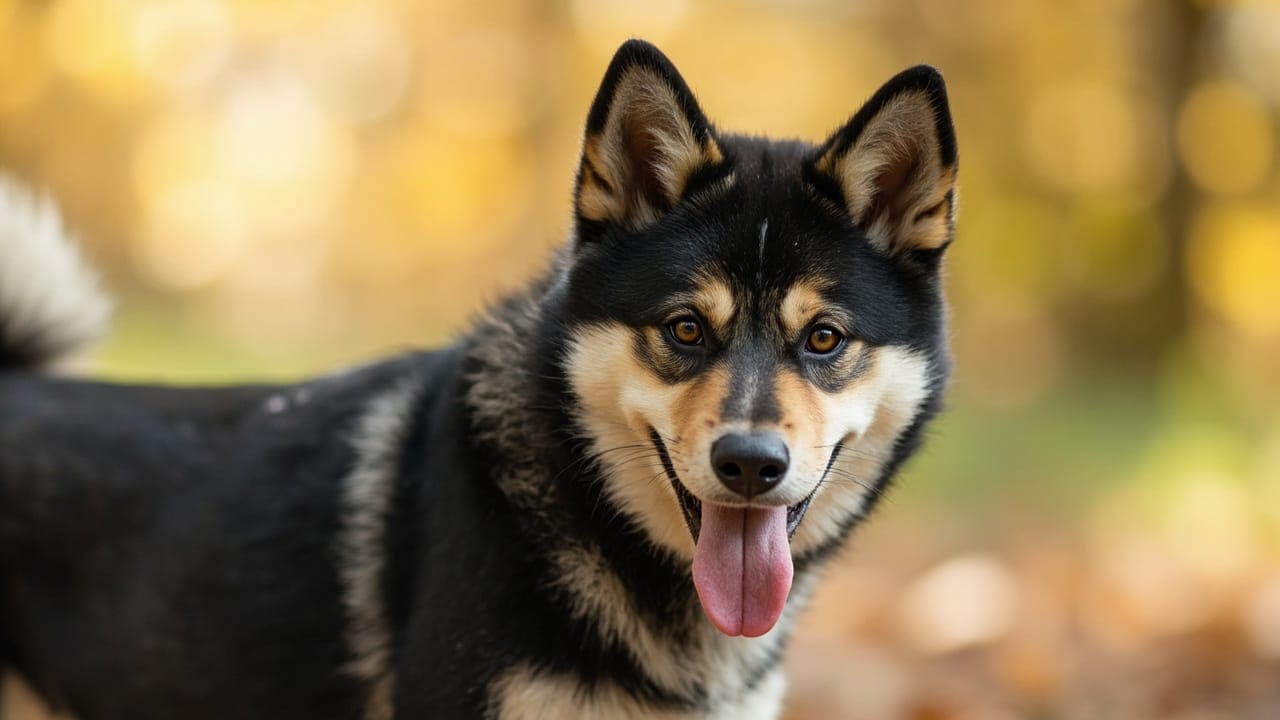
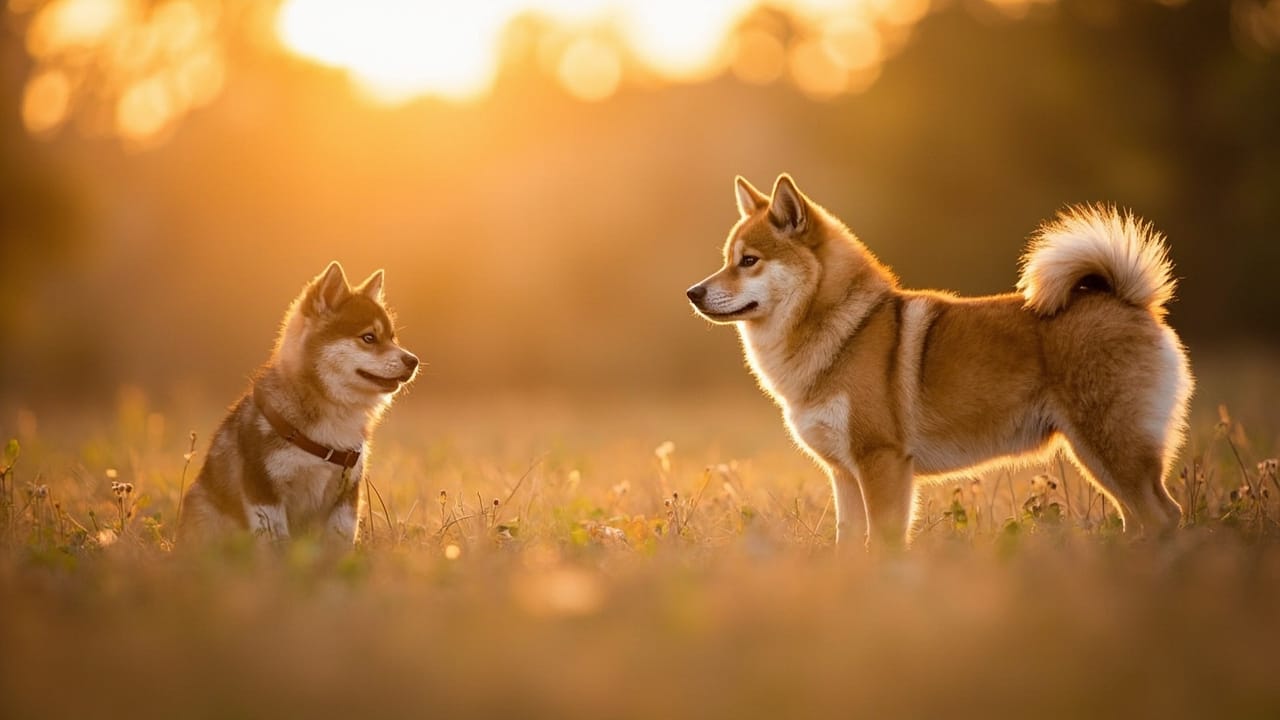
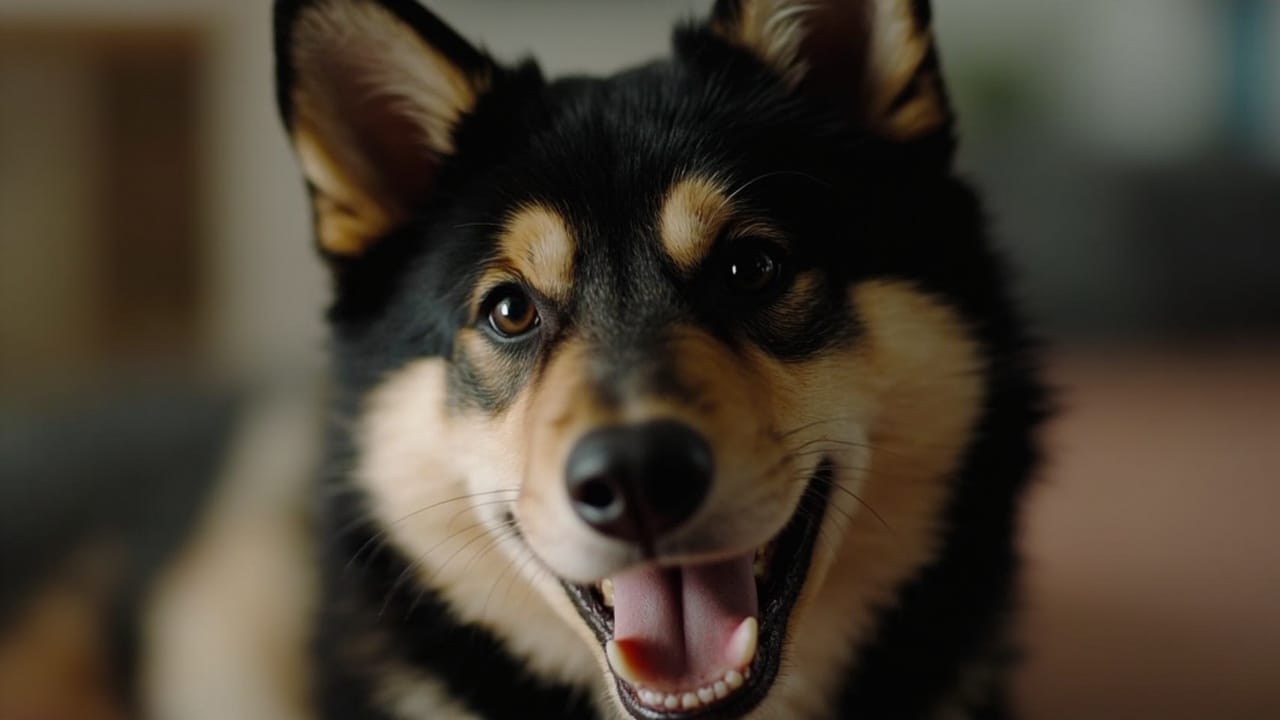
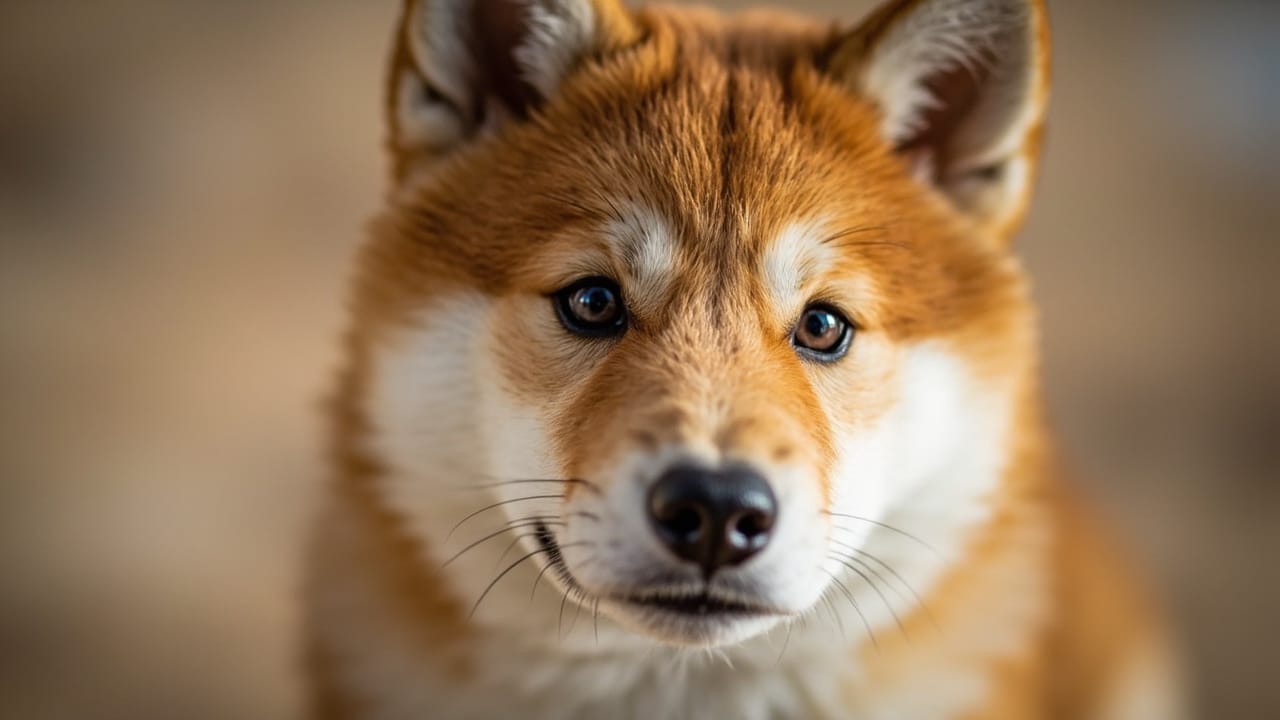
Lo Shiba Inu e il Korean Jindo sono entrambi antichi cani da caccia di tipo spitz con aspetto simile a una volpe, ma differiscono nettamente per temperamento, addestrabilità e disponibilità. Gli Shiba sono cani da compagnia indipendenti, selezionati per stanare piccola selvaggina in Giappone, mentre i Jindo sono intensi guardiani del branco, sviluppati su un'isola al largo della costa coreana, spesso riservati con gli estranei e di indole più seria.

Lo Shiba Inu e il Korean Jindo vengono spesso confusi perché condividono il muso da volpe, le orecchie erette, la coda arricciata e un'antica discendenza spitz dell'Asia orientale. Entrambi sono di taglia media, a doppio mantello e notoriamente puliti. Ma sotto la silhouette simile sono cani piuttosto diversi: lo Shiba è un cacciatore di piccola selvaggina diventato cane da compagnia, mentre il Jindo è un feroce guardiano devoto a una sola persona, plasmato da secoli di vita semi-brada su un'isola coreana. La scelta tra i due dipende da quanta indipendenza, predazione e gestione sociale si è disposti ad affrontare.
Origini e storia
Lo Shiba Inu è la più antica e la più piccola razza autoctona giapponese, usata per secoli per stanare uccelli e piccola selvaggina in terreni montuosi. Il nome significa letteralmente "cane del sottobosco", in riferimento alla vegetazione cespugliosa in cui cacciava. Dopo la quasi estinzione nel secondo dopoguerra, tre linee di sangue regionali — Shinshu, Mino e San'in — vennero unificate nello standard NIPPO moderno (1934) e la razza fu designata Monumento Naturale Giapponese nel 1936. L'AKC ha riconosciuto lo Shiba nel 1992.
Il Korean Jindo (Gae-nong Jindo-gae, o "cane di Jindo") si è sviluppato sull'isola di Jindo, al largo della costa sudoccidentale della Corea, dove veniva lasciato in condizioni semi-brade e allevato per cacciare cervi, cinghiali e conigli. È stato designato Monumento Naturale della Corea n. 53 nel 1962. La FCI ha riconosciuto provvisoriamente il Jindo nel 2005 e l'AKC lo ha ammesso nel Foundation Stock Service nel 2008. Resta molto più raro fuori dalla Corea rispetto allo Shiba.
Taglia, mantello e colori
Shiba Inu
- Maschi 35–43 cm (~10 kg); femmine 33–41 cm (~8 kg)
- Colori: rosso, nero focato, sesamo, crema (il crema è un grave difetto in esposizione)
- Richiesto l'urajiro — macchie bianco crema su guance, petto, ventre e parte interna delle zampe
Korean Jindo
- Maschi 48–53 cm (~18–23 kg); femmine 45–50 cm (~15–18 kg)
- Circa il doppio del peso di uno Shiba
- Colori: bianco (il più popolare e tradizionale), fulvo rosso, nero, nero focato, tigrato, grigio lupo
- Nessuna macchia richiesta; il bianco uniforme è molto apprezzato
Entrambe le razze hanno un mantello esterno ruvido e dritto con sottopelo denso, perdono pelo tutto l'anno e soffiano il mantello in modo abbondante due volte l'anno. Nessuna delle due è ipoallergenica.
Temperamento e adattamento alla famiglia
Gli Shiba sono sicuri di sé, vigili e notoriamente indipendenti — spesso descritti come "simili a gatti". Sono affettuosi con la famiglia ma riservati con gli estranei, e tollerano la solitudine meglio della maggior parte delle razze spitz. Sono notoriamente difficili da addestrare perché selezionati per pensare in autonomia sul campo, e manifestano il disappunto con il famoso "Shiba scream".
I Jindo sono più seri. Si legano intensamente a una sola persona o famiglia e sono notoriamente distaccati — a volte apertamente sospettosi — con gli estranei. Hanno una forte gerarchia di branco, una predazione più marcata e una tendenza documentata verso l'aggressività tra cani dello stesso sesso. I Jindo venivano usati anche come guardiani, quindi possono essere più protettivi e territoriali rispetto a uno Shiba medio. Una socializzazione precoce e ampia è non negoziabile.
Addestrabilità e predazione
Entrambe le razze sono intelligenti ma testarde. Nessuna delle due risponde bene a un addestramento ripetitivo o duro; entrambe hanno bisogno di metodi positivi basati sul rinforzo. Uno Shiba ignorerà un comando che considera inutile; un Jindo valuterà attivamente se il conduttore è un vero leader. Costanza, pazienza e premi alimentari di alto valore sono essenziali per entrambi.
La predazione è forte in entrambi, ma quella del Jindo è tipicamente più intensa e rivolta a prede più grandi — un Jindo è molto più propenso a inseguire e potenzialmente ferire gatti, cani di piccola taglia e fauna selvatica rispetto a uno Shiba. Entrambi sono abili evasi; entrambi hanno bisogno di recinzioni sicure di almeno 1,8 m.
Salute e longevità
Entrambe sono straordinariamente longeve. Gli Shiba vivono in media 13–16 anni; i Jindo raggiungono comunemente i 12–15 anni, con alcuni che arrivano a 17+.
Per gli Shiba, gli screening sanitari raccomandati (CHIC) includono OFA per anche, rotula e visita oculistica. Fare attenzione a dermatite atopica, lussazione della rotula, displasia dell'anca (~7,6% secondo OFA), glaucoma primario ad angolo chiuso, cataratta, PRA e ipotiroidismo.
I Jindo sono generalmente sani con pochi studi specifici sulla razza, ma le problematiche riportate includono displasia dell'anca, ipotiroidismo e cataratta. Poiché la razza è rara in Occidente, i dati di screening sono limitati — scegliete un allevatore che esegua almeno OFA per anche e tiroide.
Prezzo e disponibilità
Un Shiba Inu da allevatore serio negli USA costa circa $1.400–$2.500, con cuccioli da esposizione che raggiungono $3.500–$5.000. Rescue e gruppi di razza (spesso in Corea, Giappone e USA) affidano adulti a circa $300. Il Jindo è decisamente più difficile da trovare fuori dalla Corea; aspettatevi di attendere un allevatore serio, di rivolgersi a un rescue specifico per Jindo o di importare secondo le normative USDA. Jindo importati e testati per la salute costano tipicamente $1.500–$3.500.
Quale dei due è adatto a voi?
Uno Shiba si addice a un proprietario esperto che desidera un compagno più piccolo, leggermente più gestibile e adatto alla vita urbana, e che sia soddisfatto di un cane che non sarà mai addestrabile come un cane da servizio.
Un Jindo si addice a un proprietore esperto e attivo, con spazi sicuri, senza piccoli animali domestici, e con un forte impegno alla socializzazione per tutta la vita. In cambio otterrete un cane intensamente leale, quasi singolarmente devoto.
Se volete l'aspetto da volpe con minore predazione e maggiore compatibilità, scegliete lo Shiba. Se volete un serio guardiano devoto a una sola persona e avete tempo, spazio e competenza, il Jindo può essere straordinario.
FAQ
Are Shiba Inus and Korean Jindos related?
Condividono una lontana ascendenza di tipo spitz dell'Asia orientale, ma si sono sviluppati indipendentemente in paesi diversi per selvaggina e scopi differenti. Non sono razze direttamente imparentate.
Which is bigger, a Shiba Inu or a Korean Jindo?
Il Jindo è significativamente più grande. I maschi misurano 48–53 cm e pesano 18–23 kg, circa il doppio dei 10 kg e 35–43 cm dello Shiba.
Do Shiba Inus and Jindos get along with cats and other dogs?
Entrambi hanno una forte predazione e necessitano di socializzazione precoce. Gli Shiba a volte possono convivere con gatti con cui sono cresciuti; i Jindo sono più inclini a mostrare una predazione seria verso i piccoli animali e aggressività tra cani dello stesso sesso.
Which is easier to train, the Shiba or the Jindo?
Nessuno dei due è facile. Gli Shiba sono indipendenti e ignorano i comandi che trovano inutili; i Jindo sono orientati al branco e hanno bisogno di un leader sicuro. Entrambi rispondono meglio al rinforzo positivo e a sessioni brevi e variate.