Shiba Inu vs Kai Ken (Tora Dog): differenze chiave spiegate
Lo Shiba Inu e il Kai Ken sono entrambe razze giapponesi di tipo spitz, ma differiscono per taglia, temperamento e rarità. Gli Shiba sono più piccoli (8-10 kg), più indipendenti e molto più comuni a livello globale, mentre i Kai Ken sono di taglia media (14-18 kg), più orientati al branco e restano una razza rara anche in Giappone.

Lo Shiba Inu e il Kai Ken (detto anche Tora Inu o "cane tigre") sono due delle sei razze spitz autoctone del Giappone, e vengono spesso confusi dalle persone al di fuori del Giappone. Pur condividendo un muso da volpe, orecchie erette e un'antica discendenza da "cani da boscaglia", sono chiaramente razze distinte per taglia, temperamento, mantello e disponibilità attuale.
Taglia e costruzione
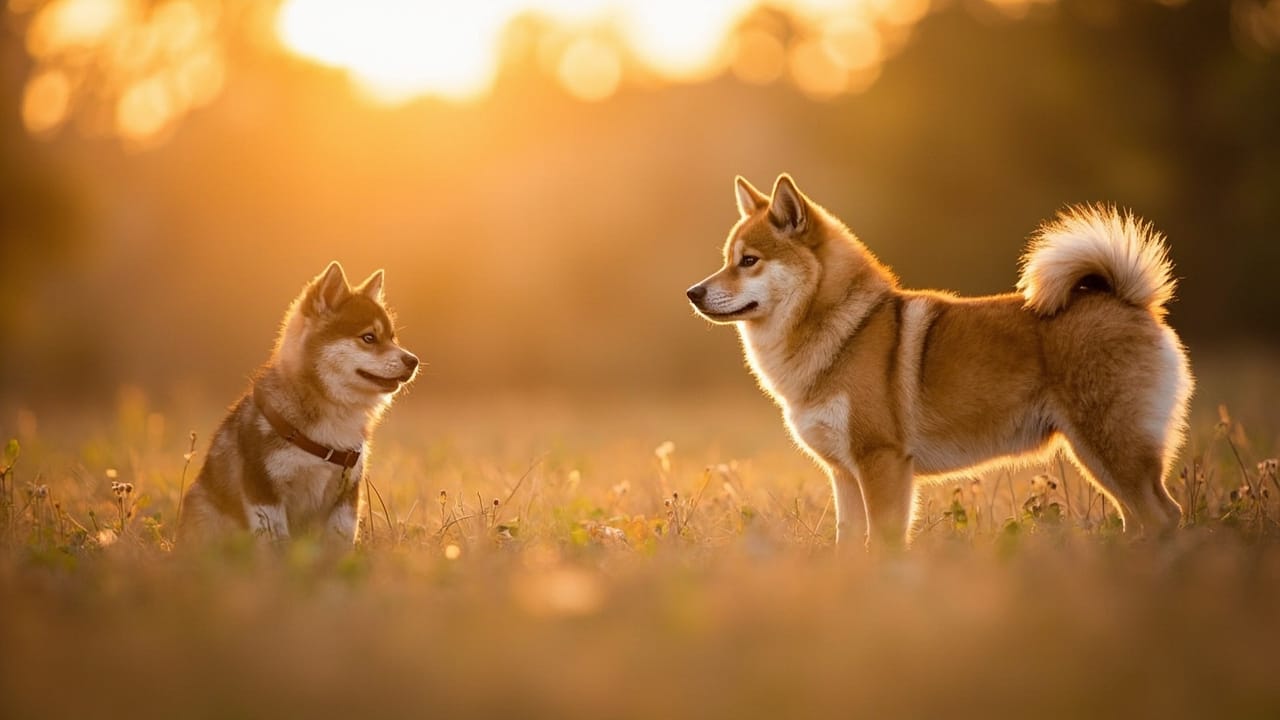
Lo Shiba è la più piccola tra le razze autoctone giapponesi. I maschi misurano 35-43 cm (circa 10 kg) e le femmine 33-41 cm (circa 8 kg), il che conferisce loro una corporatura compatta, quasi felina. Il Kai Ken è un cane di taglia media: i maschi raggiungono tipicamente 47-53 cm e le femmine 42-48 cm, con un peso di 14-18 kg. I Kai Ken sono più atletici e slanciati, selezionati originariamente per abbattere cinghiali e cervi nelle montagne della prefettura di Yamanashi.
Mantello e colori
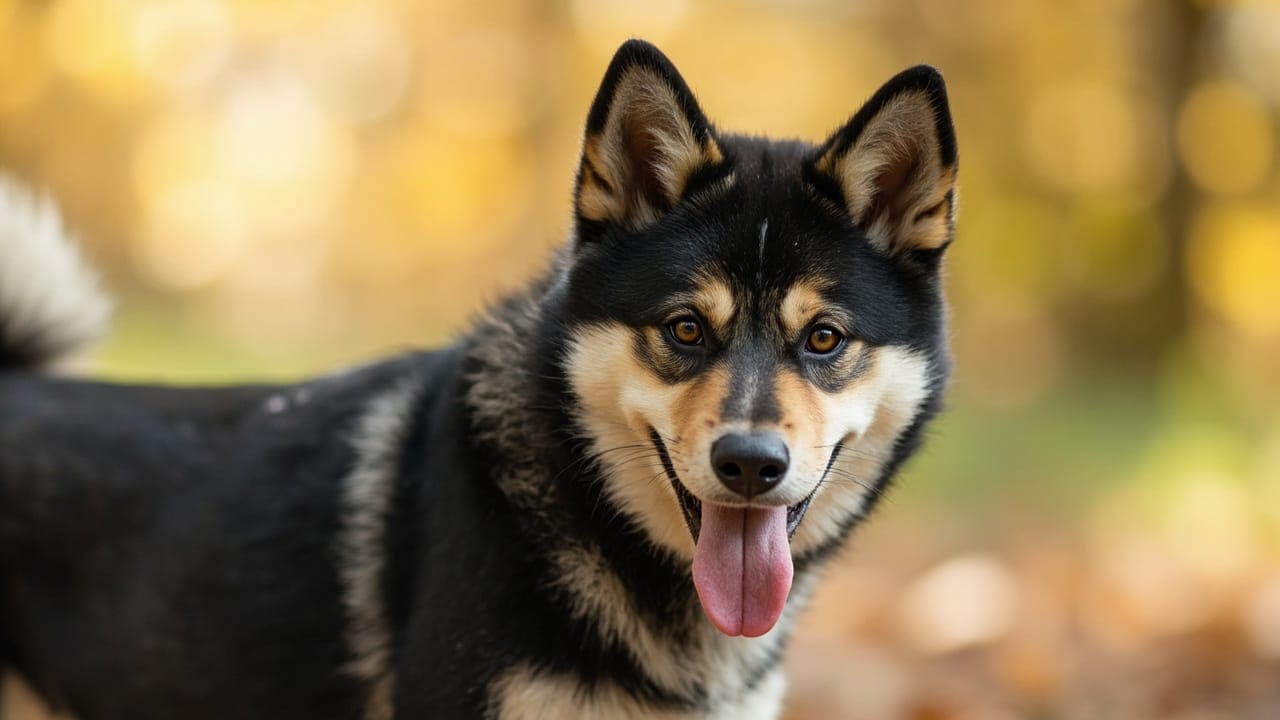
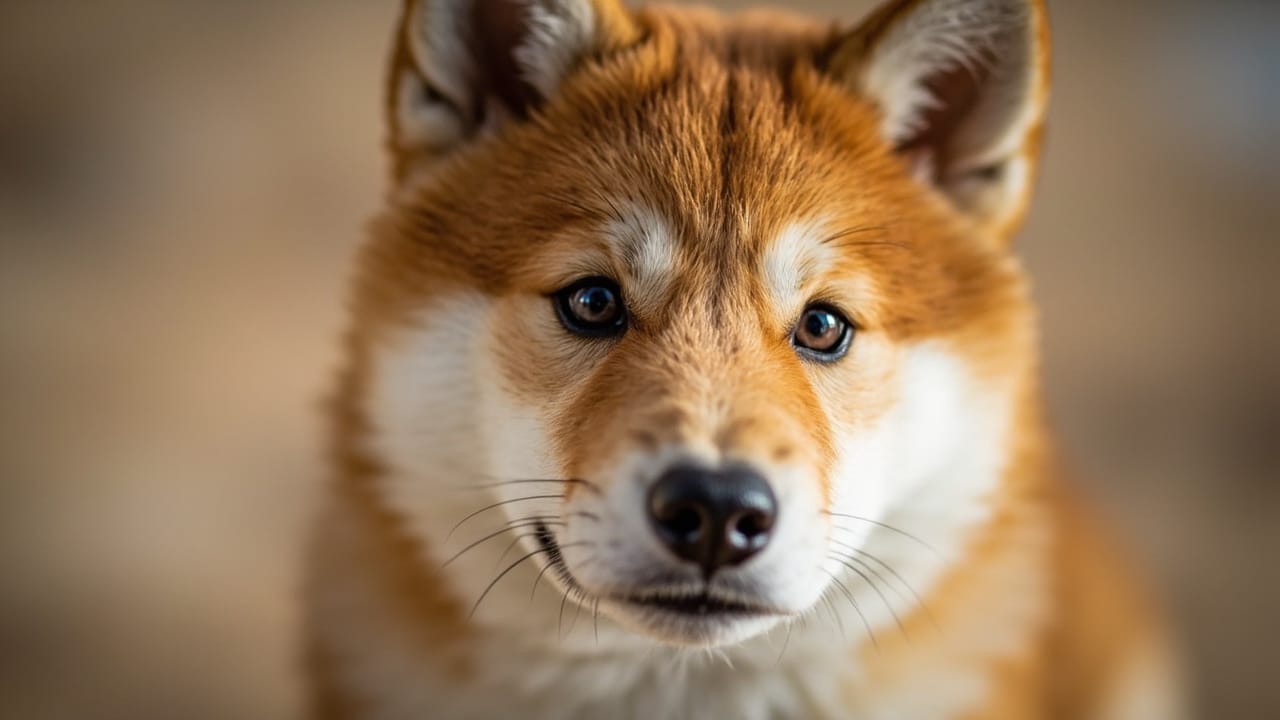
Gli Shiba Inu si presentano in quattro colori: rosso, nero focato, sesamo e crema (che è un difetto in expo). Tutti gli Shiba devono mostrare l'urajiro, le marcature bianco-crema su guance, petto, ventre e parte interna delle zampe. I Kai Ken nascono di colore nero uniforme e sviluppano con la crescita il caratteristico mantello tigrato (a strisce di tigre). I tre colori Kai accettati sono tigrato nero (kuro-tora), tigrato rosso (aka-tora) e tigrato intermedio (chu-tora). Nessuna delle due razze è ipoallergenica, ed entrambi perdono il sottopelo due volte l'anno.
Confronto del temperamento
È qui che le due razze divergono in modo più netto.
- Shiba Inu: notoriamente distaccato, indipendente e simile a un gatto. Si lega fortemente al proprio umano di riferimento, ma spesso tollera gli estranei piuttosto che amarli. Molti esibiscono il cosiddetto "Shiba scream", lo "Shiba 500" (scatti di zoom) e una forte predazione. Sono artisti della fuga e necessitano di recinzioni sicure.
- Kai Ken: ancora primitivo e vigile, ma decisamente più socievole e orientato al branco rispetto allo Shiba. È generalmente più addestrabile, più affidabile con gli altri cani e più devoto all'intera famiglia piuttosto che a una sola persona. Mantiene una forte predazione ma è in genere meno reattivo di uno Shiba tipico.
Se desideri un cane che si comporti più come un classico cane da compagnia pur conservando quella nota da spitz giapponese, il Kai Ken viene spesso descritto come "uno Shiba a cui piaci".
Rarità e disponibilità
Gli Shiba sono una delle razze più popolari al mondo e la razza da compagnia più popolare in Giappone. Negli Stati Uniti, uno Shiba da compagnia proveniente da un allevatore responsabile costa $1.400-$2.500, mentre esemplari da expo o con registrazione completa raggiungono i $3.500-$5.000. I Kai Ken restano rari fuori dal Giappone. Esistono solo pochi allevatori attivi in Nord America e in Europa, le liste d'attesa variano comunemente dai 6 ai 18 mesi e i prezzi superano spesso $2.500-$4.000. Il recupero da rescue è la via più economica per gli Shiba (circa $300), ma il rescue di Kai Ken è estremamente limitato.
Salute e aspettativa di vita
Entrambe le razze sono longeve. Gli Shiba raggiungono comunemente i 13-16 anni, e i Kai Ken un simile 12-16 anni. I problemi di salute noti degli Shiba includono dermatite atopica, lussazione della rotula, displasia dell'anca (circa il 7,6% nei dati OFA), glaucoma primario ad angolo chiuso, cataratta, atrofia progressiva della retina (PRA) e ipotiroidismo. Il pannello di screening CHIC raccomandato per gli Shiba prevede OFA anche, OFA rotula e un esame oculistico CAER. I Kai Ken hanno un database sanitario più limitato, ma vengono sottoposti a screening per displasia dell'anca, lussazione rotulea e patologie oculari; sono generalmente considerati robusti, anche se alcune linee sono portatrici di tiroidite autoimmune.
Quale dei due è adatto a te?
- Scegli uno Shiba Inu se desideri un cane piccolo, ordinato, indipendente, se non ti infastidisce un distacco di livello felino e se vuoi un facile accesso ad allevatori e rescue.
- Scegli un Kai Ken se desideri una razza giapponese leggermente più grande e più orientata alla famiglia, se sei disposto ad aspettare un allevatore responsabile e se vuoi un cane più raro che attiri comunque l'attenzione.
Entrambe le razze hanno bisogno di socializzazione precoce, un cortile recintato in modo sicuro e un proprietario che rispetti la loro natura primitiva invece di contrastarla. Nessuna delle due è una buona scelta per un proprietario alla prima esperienza che si aspetti un retriever desideroso di compiacere.
Scheda storica
Entrambe le razze discendono dagli antichi "cani da boscaglia" giapponesi e furono quasi sterminate dopo la Seconda Guerra Mondiale. Gli Shiba furono salvati grazie alle linee di sangue Shinshu, Mino e San'in e furono dichiarati Monumento Naturale nel 1936, con il riconoscimento AKC arrivato nel 1992. Anche i Kai Ken hanno origini antichissime nella regione del Kai (l'odierna Yamanashi), furono designati Monumento Naturale nel 1934 e hanno ottenuto il riconoscimento AKC come Foundation Stock Service negli anni 2000, con il pieno riconoscimento ancora in attesa.
Per la maggior parte dei proprietari occidentali, lo Shiba Inu resta la scelta pratica. Per chi è attratto dalle strisce tigrate ed è disposto a impegnarsi nella ricerca, un Kai Ken ricompensa lo sforzo con un cane raro e straordinariamente devoto.
FAQ
Un Kai Ken è più grande di uno Shiba Inu?
Sì. I Kai Ken sono di taglia media, 14-18 kg e 42-53 cm al garrese, mentre gli Shiba sono la più piccola razza spitz giapponese, con 8-10 kg e 33-43 cm.
I Kai Ken perdono pelo quanto gli Shiba?
Entrambe le razze hanno un folto doppio mantello e lo perdono in modo abbondante due volte l'anno. È necessaria una spazzolatura di routine più volte a settimana tutto l'anno, con spazzolatura quotidiana durante la muta.
I Kai Ken sono più facili da addestrare degli Shiba?
In genere sì. I Kai Ken sono ancora primitivi e indipendenti, ma tendono ad essere più concentrati sul conduttore e più socievoli rispetto al notoriamente distaccato Shiba Inu, risultando leggermente più facili per i proprietari alle prime armi con razze primitive.
I Kai Ken possono vivere in appartamento come gli Shiba?
Sì, entrambi possono adattarsi alla vita in appartamento se ricevono sufficiente esercizio quotidiano e stimolazione mentale. I Kai Ken possono riuscire leggermente meglio in case con più cani grazie alla loro natura più socievole, mentre gli Shiba spesso preferiscono essere l'unico animale domestico.