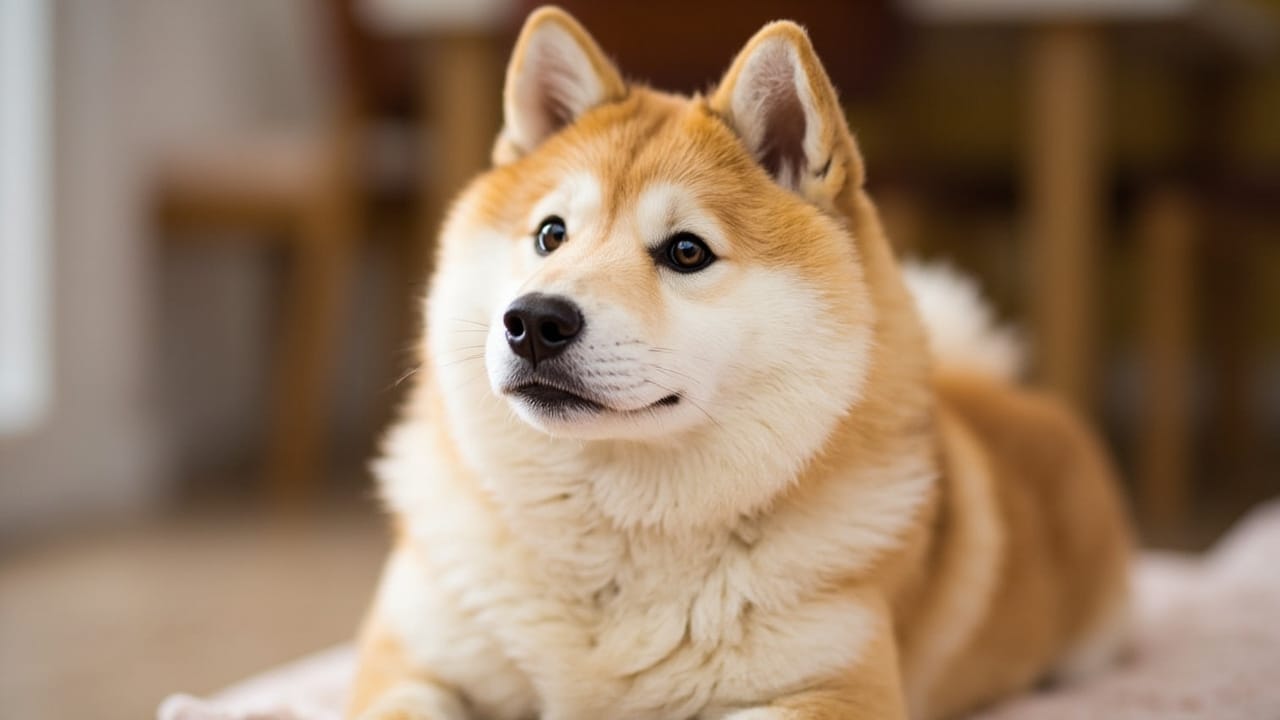
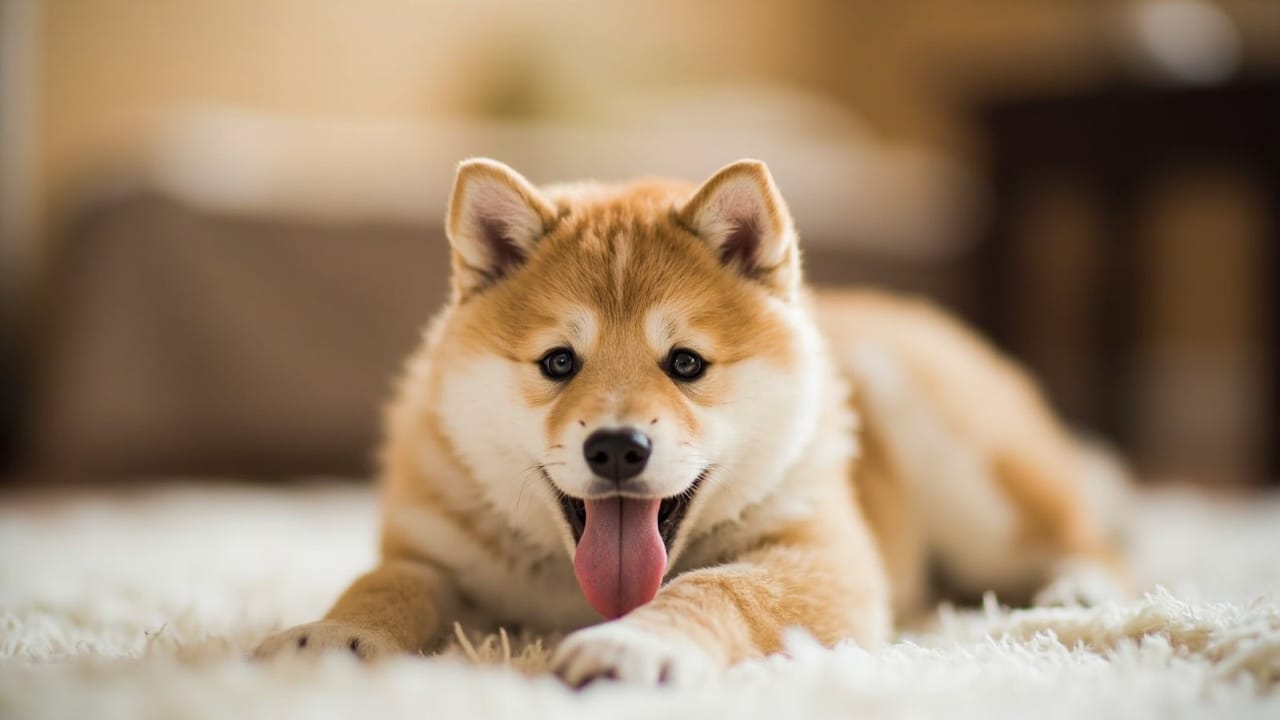
Perché il mio Shiba Inu dorme così tanto? 7 motivi verificati dal veterinario
Gli Shiba Inu dormono in media 12–16 ore al giorno, il che è del tutto normale per la razza. Gli Shiba adulti sono crepuscolari, il che significa che sono più attivi all'alba e al tramonto, quindi lunghe pennichelle a metà giornata sono radicate nella loro biologia. Cuccioli, anziani e giornate fredde o piovose possono spingere quel totale ancora più in alto.
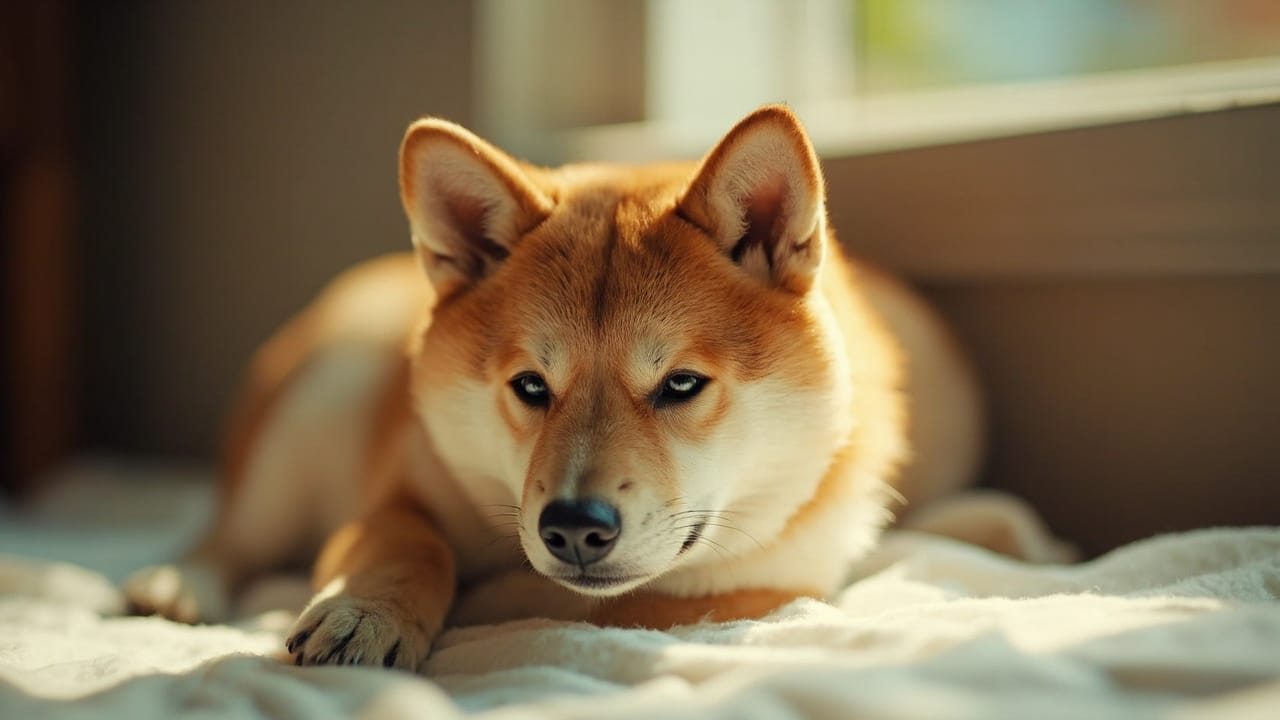
Se il tuo Shiba Inu sembra passare metà giornata a sonnecchiare sul divano, fai un respiro profondo: questo è uno dei tratti di razza più normali che incontrerai. Gli Shiba in genere dormono da 12 a 16 ore al giorno, e molti adulti sani registrano felicemente 14 ore. Il numero sembra alto solo perché gli esseri umani sono diurni; il tuo Shiba è fatto per essere sveglio all'alba e al tramonto e riposare nel resto del tempo. Quel ritmo crepuscolare è geneticamente codificato nella storia della razza come cane da caccia nel terreno montuoso del Giappone, dove le prede si muovono più attivamente ai margini della giornata.
Quindi la risposta breve è: molto probabilmente non c'è nulla di sbagliato. Ma la quantità di sonno, il modo in cui il tuo Shiba dorme e il momento di qualsiasi cambiamento possono dirti se stai vedendo un riposo sano o un segnale di allarme precoce.
Qual è il sonno normale per uno Shiba Inu per fase di vita
Il bisogno di sonno cambia con l'età, e gli Shiba raggiungono alcune pietre miliari molto chiare:
- Cuccioli di Shiba (8 settimane–6 mesi): 18–20 ore al giorno. I cuccioli in crescita bruciano un'energia enorme e hanno bisogno di seri tempi di recupero. Aspettati il classico ciclo "scatto, crollo, ripeti".
- Shiba adolescenti (6 mesi–2 anni): 14–16 ore. Persino lo Shiba adolescente più selvaggio è biologicamente programmato per riposare tra gli scoppi dell'infame Shiba 500.
- Shiba adulti (2–7 anni): 12–14 ore. La fase calma, dignitosa, simile a un gatto che l'allevatore ti aveva promesso.
- Shiba anziani (8+ anni): 14–18 ore. Rigidità articolari, minore energia e condizioni legate all'età li rallentano ulteriormente.
7 motivi per cui gli Shiba Inu dormono così tanto
- Genetica crepuscolare. Gli Shiba sono stati allevati per stanare uccelli e piccola selvaggina nel territorio della brughiera giapponese, e quella preda era attiva all'alba e al tramonto. Il resto della giornata era dedicato a conservare energia.
- Temperamento indipendente e poco esigente. A differenza dei Labrador o dei Border Collie, gli Shiba non sono stati allevati per essere costantemente impegnati con gli esseri umani. Sono perfettamente contenti di intrattenersi dormendo.
- Noia e autoregolazione. Gli Shiba sono notoriamente scarsi nel "giocare a fetch per ore". Uno Shiba che non ha nulla da fare sceglierà il sonno rispetto alla maggior parte delle alternative.
- Sensibilità meteorologica. Caldo, freddo, pioggia o neve mettono KO uno Shiba. Molti proprietari scherzano sul fatto che il loro cane diventi un masso nei giorni di tempesta.
- Crollo post-esercizio. Una lunga passeggiata, un'escursione o una sessione di addestramento vigorosa saranno seguite da un pisolino insolitamente lungo. Si tratta di affaticamento sano, non di letargia.
- Stagione del cambio del pelo. Gli Shiba soffiano il sottopelo circa due volte all'anno, e il costo metabolico della rigenerazione di quel fitto doppio mantello è reale. Aspettati sonno extra durante queste finestre di muta di 2–4 settimane.
- Età e comfort articolare. Molti Shiba anziani sviluppano lussazione della rotula o displasia dell'anca (circa il 7,6% degli Shiba testati OFA mostra displasia dell'anca). Il disagio rende il riposo più attraente del movimento.
Quando il sonno extra è un segnale di allarme
La letargia è diversa dal sonnellino. Fai attenzione a questi segnali che richiedono una visita dal veterinario:
- Dormire più di 18–20 ore al giorno da adulto
- Rifiutare cibo, passeggiate o premi che normalmente ama
- Cambiamento improvviso di personalità: nascondersi, scattare o ignorarti
- Sintomi di ipotiroidismo: aumento di peso, perdita di pelo, intolleranza al freddo, mantello opaco (comune nella razza)
- Rigidità, zoppia o riluttanza a saltare — possibile lussazione rotulea o dolore all'anca
- Ansimo eccessivo, cambiamenti oculari o irrequietezza notturna (potrebbe indicare glaucoma, che può essere primario ad angolo chiuso negli Shiba)
Una regola ragionevole: se il sonno totale è aumentato ma la risposta agli stimoli è invariata, è un comportamento di razza normale. Se il sonno sostituisce l'interesse per il mondo, chiama il tuo veterinario.
Come favorire un sonno sano nel tuo Shiba
- Mantieni una routine. Gli Shiba prosperano nella prevedibilità. Stessi orari di passeggiata, stessi orari dei pasti, stessa ora di andare a dormire.
- Fornisci lavoro mentale. I rompicapi alimentari, i giochi di ricerca olfattiva e le brevi sessioni di addestramento stancano il cervello di uno Shiba più velocemente delle passeggiate infinite e riducono il comportamento "non ho nulla da fare quindi urlo".
- Posti comodi per riposare. Offri qualche letto ortopedico, soprattutto per gli anziani o per i cani con problemi rotulei. Posizionali in angoli tranquilli: agli Shiba piace dormire con una visione chiara della stanza.
- Controlla la temperatura. Gli Shiba gestiscono meglio il freddo che il caldo, ma temperature estreme di qualsiasi tipo li spingeranno a dormire di più.
- Controlli veterinari annuali. Dopo i 5 anni, includi screening basale per tiroide e occhi (CHIC raccomanca anche anca OFA, rotula e un esame oculistico annuale).
In conclusione
Il tuo Shiba Inu dorme molto perché la razza è fatta così. Lunghi periodi di riposo tra scatti di attività crepuscolare sono esattamente ciò che generazioni di allevamento selettivo hanno prodotto. Abbraccia i pisolini, proteggi la routine e osserva la qualità della veglia più della quantità di sonno. Uno Shiba che salta su all'alba, mangia bene, si allena bene e mostra normale curiosità prima di riaccasciarsi è uno Shiba che sta facendo esattamente ciò che uno Shiba dovrebbe fare.
FAQ
È normale che un cucciolo di Shiba Inu dorma 20 ore al giorno? Sì. I cuccioli di Shiba fino a circa 6 mesi dormono comunemente 18–20 ore perché la crescita, lo sviluppo cerebrale e brevi scatti di gioco intenso sono estenuanti. Il modello di gioco, mangia, dormi, ripeti è un comportamento sano da manuale del cucciolo.
Gli Shiba Inu dormono di più in inverno? Spesso sì. Gli Shiba sono resistenti al freddo grazie al loro fitto doppio mantello, ma conservano anche energia con il freddo e possono dormire più a lungo nelle giornate di tempesta o di pioggia. Un aumento di 1–3 ore è normale; un salto drammatico del sonno combinato con tremori o riluttanza a muoversi dovrebbe essere controllato da un veterinario.
Il mio Shiba improvvisamente dorme molto di più. Cosa devo fare? Osserva il quadro completo. Controlla appetito, assunzione di acqua, disponibilità a passeggiare, comfort articolare e qualità del mantello. I colpevoli specifici degli Shiba per aumenti improvvisi del sonno includono ipotiroidismo, dolore da lussazione rotulea, displasia dell'anca e affaticamento post-cambio del pelo. Prenota una visita veterinaria se il cambiamento dura più di qualche giorno.
Dovrei svegliare il mio Shiba per giocare o mangiare? Generalmente no. Uno Shiba che dorme è uno Shiba contento, e svegliarlo può provocare il famoso borbottio dello Shiba o persino un urlo da Shiba. Invece, struttura la tua routine in modo che le passeggiate e i pasti cadano nelle loro finestre naturali di attenzione — mattina presto e sera presto — e lasciali riposare per il resto della giornata.