🐕ShibaWorld

Best No-Pull Harness for a Shiba Inu: Top Picks & Fit Guide

By Shiba World Editorial Team· Updated 2026年6月23日

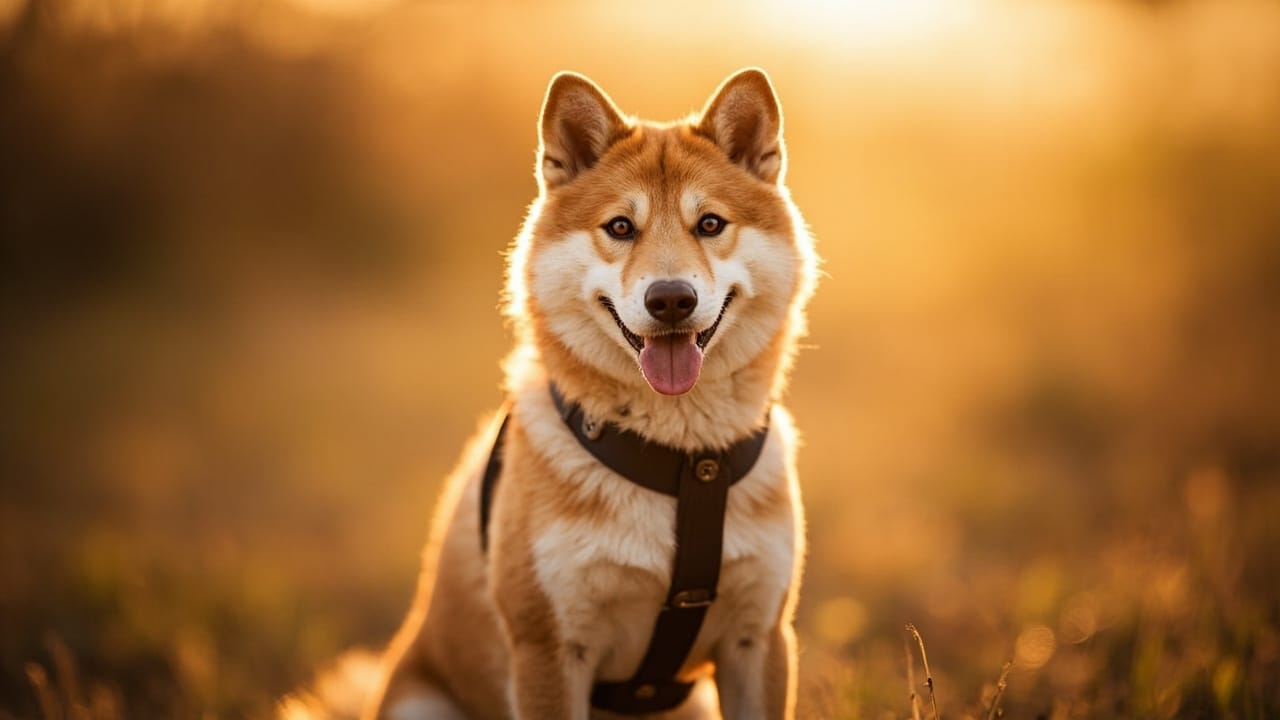
The best no-pull harness for a Shiba Inu is a Y-front, front-clip design with a padded chest plate and an adjustable belly strap, like the Ruffwear Front Range, Blue-9 Balance, or Rabbitgoo No-Pull. Shibas need a harness that prevents throat pressure, stops forward lunging, and lets their high-set shoulders move freely without chafing the urajiro undercoat.

Best No-Pull Harness for a Shiba Inu: Top Picks & Fit Guide

Shiba Inus are escape artists, sprinters, and surprisingly strong for their 8–10 kg frame, so the wrong harness turns a walk into a tug-of-war and can damage their coat or throat. The best no-pull harness for a Shiba Inu is a Y-shaped front-clip harness with a padded chest plate, martingale-style back panel, and fully adjustable belly strap. Unlike collars, which can trigger the Shiba scream and pressure a sensitive trachea, a well-fitted front-clip harness redirects pulling at the chest and gives an independent dog a reason to slow down without choking.

Why Shibas Need a Special Harness Fit

Shibas are not built like a Lab or a Husky. Their features create very specific harness requirements:

  • High-set shoulders and a deep chest — A vest-style or broad-strap harness sits on the shoulder blade and restricts the natural reach of the front leg, leading to a choppy gait and long-term joint strain. Look for a "Y-front" design where the chest strap splits just below the sternum and the shoulder blades stay completely free.
  • The urajiro undercoat — The cream-white fur on the chest and belly mats easily. A harness with a wide, soft, breathable chest plate (not a narrow nylon strip) prevents friction burns during sustained pulling.
  • Escape-artist build — A slim waist, deep chest, and thick neck mean a Shiba can back out of loose harnesses. The harness needs four or more adjustment points and a belly strap that sits well behind the ribcage.
  • Prey drive and "Shiba 500" bursts — Sudden lunges at squirrels, cats, or leaves can snap a clip. A reinforced D-ring (anodized aluminum or stamped steel, not plastic) and bartacked stitching (zigzag reinforcement at stress points) are non-negotiable.

Top Harness Picks for Shiba Inus

  1. Ruffwear Front Range Harness — Daily-walk favorite. Padded chest and belly panels, two leash points (front and back), and a low-profile Y-front that doesn't block shoulders. Best for most Shibas and easy to find in Asia, US, and EU.
  2. Blue-9 Balance Harness — Six adjustment points make it the most customizable fit on the market. Excellent for in-between sizes or Shibas that back out of standard harnesses.
  3. Rabbitgoo No-Pull — Best budget option. Front and back rings, reflective stitching, and a soft padded plate. Heavier than premium brands but reliable for casual walkers.
  4. Ruffwear Hi & Light — Best warm-weather option. Ultralight mesh, padded yoke, great for Shiba blow-coat season when undercoat is shedding and ventilation matters.
  5. Kurgo Tru-Fit Smart — Crash-tested for car rides, useful if your Shiba travels in the car. Step-in design works well for dogs that dislike things going over the head.

How to Fit It (Step by Step)

  1. Stand the Shiba on a flat surface and slip the harness on with the dog standing, not sitting.
  2. Adjust the neck so two fingers fit flat between the strap and the highest point of the breastbone. The Y should sit right at the sternum — not up on the throat, not down on the belly.
  3. Pull the belly strap snug so it sits 2–3 cm behind the front legs. You should still fit one finger underneath.
  4. Attach the leash to the front chest ring only for no-pull training. Switch to the back ring once leash manners are solid (around weeks 4–6 of consistent training).
  5. Walk the dog. If the front legs move with the same reach as when the dog is unhooked, the fit is correct. A short, choppy stride means the chest plate is sitting too high or too far back.

Common Mistakes to Avoid

  • Head-only harnesses (like the PetSafe Easy Walk) — Many Shiba owners use them, and they do stop pulling, but the narrow chest strap sits directly behind the front legs and can chafe the soft urajiro fur within a few weeks. They also offer no shoulder freedom.
  • Martingale-only collars — Fine for ID, terrible for pulling. A flat collar puts full force on a Shiba's neck, which is exactly the pressure the dog learns to pull against.
  • Cheap plastic side-release buckles — They snap under a sudden lunge. Look for metal or reinforced polymer.
  • Sizing by weight alone — Shibas vary 7–12 kg, so measure the girth (chest circumference just behind the front legs) and neck, then match to the brand's size chart.

Pairing Harness With Real Training

A harness is a tool, not a fix. Even the best front-clip harness won't stop pulling long-term without basic leash training. For most Shibas, 2–3 weeks of loose-leash work combined with a front-clip harness is enough to see dramatic improvement. Keep sessions short (10–15 minutes), use high-value treats, and never yank — Shibas shut down under pressure and remember it.

For more on leash gear, coat care during blow-coat season, and Shiba-safe training tools, browse the Gear & Lifestyle section of the portal.

FAQ

Are front-clip harnesses bad for a Shiba's shoulders?

Only if poorly fitted. A Y-shaped front-clip harness that sits at the sternum and keeps the shoulder blades free does not restrict gait. The pet-store style harnesses that sit across the shoulder blades are the ones that cause choppy movement and joint strain.

What size harness does a Shiba Inu need?

Most adult Shibas (8–10 kg) fit a small or medium harness with a chest girth of 45–60 cm. Always measure your specific dog behind the front legs and check the brand's size chart, since Shiba proportions vary more than most breeds.

Can a Shiba Inu back out of a harness?

Yes — it's one of the most common complaints. Use a four- or six-point adjustable harness with a snug belly strap and a martingale-style back panel. The Blue-9 Balance is a top pick for chronic backers-out.

Is a harness better than a collar for Shiba Inus?

For walks, yes. Shibas have a sensitive throat, strong prey drive, and a tendency to pull hard, which can damage the trachea (windpipe) over time. A properly fitted harness protects the neck and gives you more control without triggering the Shiba scream.