🐕ShibaWorld
サインイン

Best Treats for a Shiba Inu: Vet-Approved Guide for 2025

· Updated 2026年6月25日· 5 分で読めます
シェア:𝕏f🟢🅡📌

The best treats for a Shiba Inu are small, low-calorie, single-ingredient options made in North America, the EU, or another country with strict pet-food safety standards. Skip anything with artificial additives, and remember that treats should make up no more than 10% of daily calories to prevent the weight gain this naturally lean breed is prone to.

Best Treats for a Shiba Inu: Vet-Approved Guide for 2025

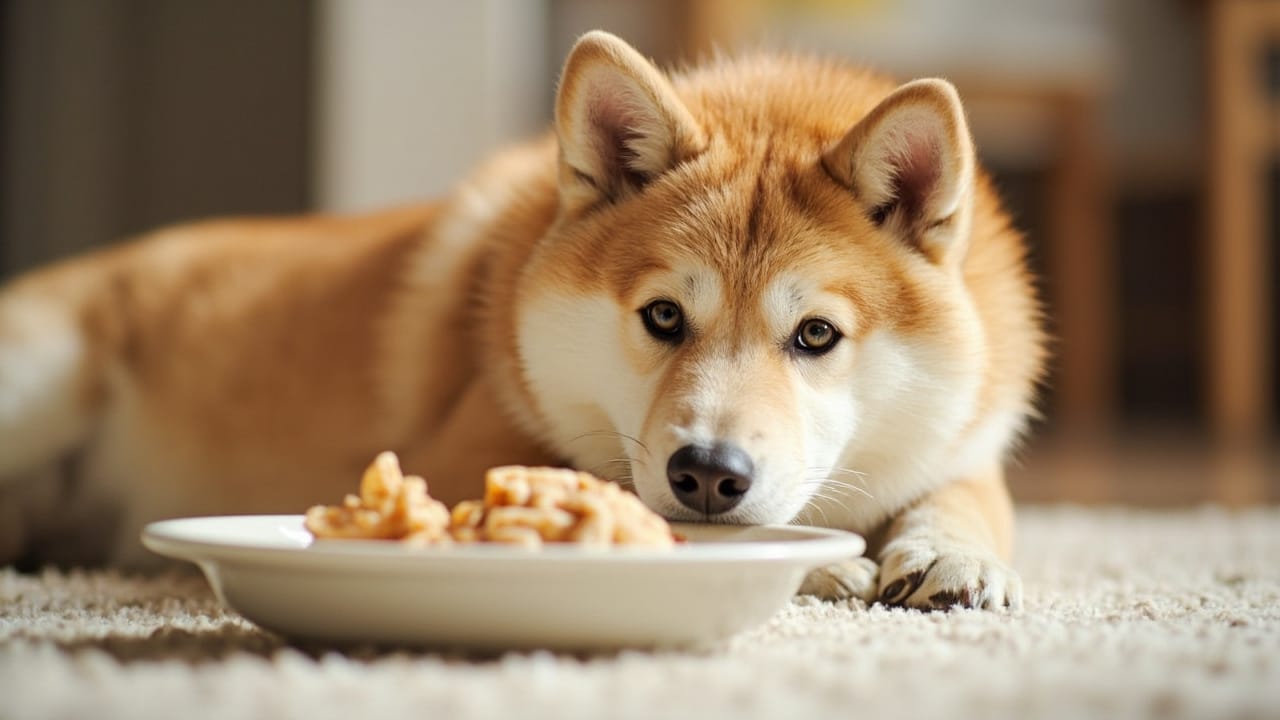
Shibas are notoriously picky, manipulative eaters who quickly decide which treats are "worthy" and which aren't. The best treats for a Shiba Inu are small (pea-sized for training), low in fat and calories, made from limited, recognizable ingredients, and manufactured in a country with strict pet-food safety oversight. Lean, single-ingredient proteins like freeze-dried chicken, cod skin, or salmon, paired with limited-ingredient baked biscuits for longer chews, hit the sweet spot between nutrition and the strong food drive you need to motivate this independent breed.

What to Look for in a Shiba Treat

Shibas are a small, naturally lean breed (males ~10 kg, females ~8 kg), so calorie density matters far more than for a Labrador. A "training handful" of high-fat treats can quietly add several pounds over a year, and even small weight gains stress the hips and patellas Shibas are already prone to.

Prioritize treats that are:

  • Small and soft — pea-sized cubes or soft morsels that disappear in one bite, so they don't interrupt training flow
  • Low in fat — under 10% fat for everyday training treats; save richer chews for special occasions
  • Limited ingredients — five or fewer whole-food ingredients you can pronounce
  • Made in regulated markets — USA, Canada, the UK, EU, Australia, or New Zealand have the strictest pet-food safety enforcement
  • Free of artificial colors, flavors, and preservatives — Shibas are overrepresented in atopic dermatitis cases, and unnecessary additives can aggravate skin and ears

For high-value rewards (recall around deer, counter-surfing, vet visits), keep a stash of genuinely smelly, stinky treats — dried liver, sardines, or freeze-dried fish — in a separate pouch. Shibas will ignore a boring biscuit when something better might be on offer, so treat selection directly shapes behavior.

Top Treat Categories That Actually Work for Shibas

Freeze-dried single-protein meats. The gold standard for high-value training rewards. Look for 100% chicken, beef liver, cod, salmon, or rabbit with no added salt, sugar, or glycerin. These are lightweight, calorie-controlled (you can break them into tiny pieces), and the smell reliably beats kibbles.

Air-dried jerky-style strips. Denser and longer-lasting than freeze-dried, these work well for crate rewards or enrichment. Trim fat before giving — Shibas don't need extra saturated fat in their diet.

Fish-based chews. Whole freeze-dried sardines, dehydrated cod skins, and salmon skin rolls are rich in omega-3s, which support the skin and coat during the biannual coat blow. Omega-3s also have mild anti-inflammatory effects that can help allergic Shibas.

Limited-ingredient baked biscuits. Useful for the 90% of training reps where you need a quick, clean reward. Choose recipes with one protein (chicken, duck, or fish) and one starch (sweet potato, oat, or chickpea flour). Break them into quarters to keep calories low.

Fresh toppers. Tiny pieces of cooked chicken breast, scrambled egg, or plain cooked shrimp straight from your kitchen. For a food-motivated breed, "human food" from your hand often outperforms any packaged treat, and you control every ingredient.

Dental chews (judiciously). VOHC-approved dental chews can help with tartar, but most are calorie-dense. Reserve them for a few times a week, not daily, and account for them in the daily ration.

Treats to Avoid

  • Anything with xylitol, garlic, onion, chocolate, macadamia nuts, or grapes/raisins — all toxic to dogs
  • High-fat table scraps — bacon, sausage, and cheese are pancreatitis triggers and far too calorie-dense
  • Bone-in cooked bones and weight-bearing raw bones — Shibas have strong jaws and crack bones, leading to slab fractures of the premolars
  • Rawhide, especially for power chewers — choking and obstruction risk; Shibas often swallow large pieces
  • Grain-free boutique treats with exotic proteins — the FDA has linked some grain-free, legume-heavy diets to dilated cardiomyopathy; stick with traditional, well-established brands unless your vet has recommended otherwise
  • Colorful, sugary "dog cookies" from bakeries — empty calories and unnecessary sugar

How Many Treats Can a Shiba Inu Have Per Day?

Treats should stay under 10% of total daily calories — roughly 20–30 calories for the average adult Shiba. For a dog eating ~350 kcal/day of balanced kibble, that's about 3–5 small freeze-dried meat pieces, or one medium biscuit equivalent. If you're doing heavy training (puppy classes, nose work, agility), scale back the main meals by 10–15% to make room for training rewards without weight gain.

Watch the body condition score, not the scale: you should easily feel the ribs under a thin layer of fat, and the waist should tuck up明显 when viewed from above. A Shiba who's "filling out" around the ribs and losing the tuck is on a treat-based weight-gain program, and joint problems will follow.

Special Considerations for Shiba Puppies and Seniors

Puppies (8 weeks–6 months): Use soft, moist, pea-sized treats that don't require chewing — they swallow treats whole during training and can choke on hard biscuits. Freeze-dried meats crumble easily between your fingers and work perfectly.

Seniors (10+ years): Prioritize soft treats for dogs with dental disease, which is common in older Shibas. Reduce fat further if your dog has developed hypothyroidism or pancreatitis. Omega-3-rich fish treats are a smart choice for cognitive support and joint health.

Allergic Shibas: Many Shibas with atopic dermatitis also have food sensitivities. Novel-protein or hydrolyzed-protein treats (venison, rabbit, or vet-prescribed hydrolyzed options) can reduce ear infections and itchy paws. Talk to your vet before switching if your Shiba is on a prescription diet.

The right treat won't just motivate your Shiba — it will protect their joints, skin, and waistline for the 13–16 years you're lucky to share with them.

FAQ

What is the highest-value treat for a Shiba Inu?

Freeze-dried or air-dried single-ingredient proteins with strong smell — chicken liver, beef liver, sardines, or salmon. Shibas respond to odor over flavor, and stinky, oily treats reliably beat kibbles and biscuits for motivation.

Are rawhide treats safe for Shiba Inus?

Generally no. Shibas are strong, enthusiastic chewers who often swallow large pieces, creating choking and gastrointestinal obstruction risks. Safer alternatives include freeze-dried meat, fish-skin rolls, and VOHC-approved dental chews sized appropriately for an 8–10 kg dog.

How many calories of treats can a Shiba Inu have per day?

Treats should stay under 10% of total daily calories, typically 20–30 calories for an adult Shiba. That's roughly 3–5 small freeze-dried meat pieces or one medium biscuit. During heavy training, reduce the main meal by 10–15% to compensate.

Can Shiba Inus have fruits and vegetables as treats?

Yes — small pieces of apple (no core/seeds), blueberries, banana, carrot, cucumber, and plain cooked pumpkin are all safe and low-calorie. Avoid grapes, raisins, onions, garlic, avocado, and anything with xylitol, all of which are toxic to dogs.

続きを読む