なぜうちの柴犬はリードで反応するのか?そしてどう直すのか?
柴犬のリードに対する反応性は、ほとんどの場合攻撃性ではなく frustration(欲求不満)、恐怖、強い prey drive(獲物への欲求)から生じます。距離に基づく脱感作、トリガーへの counter-conditioning(条件付け換え)、そして引くことへの報酬を奪うフロントクリップ式ハーネスや head halter で改善できます。継続して取り組めば、ほとんどのリード反応性の柴犬は4〜8週間で改善します。
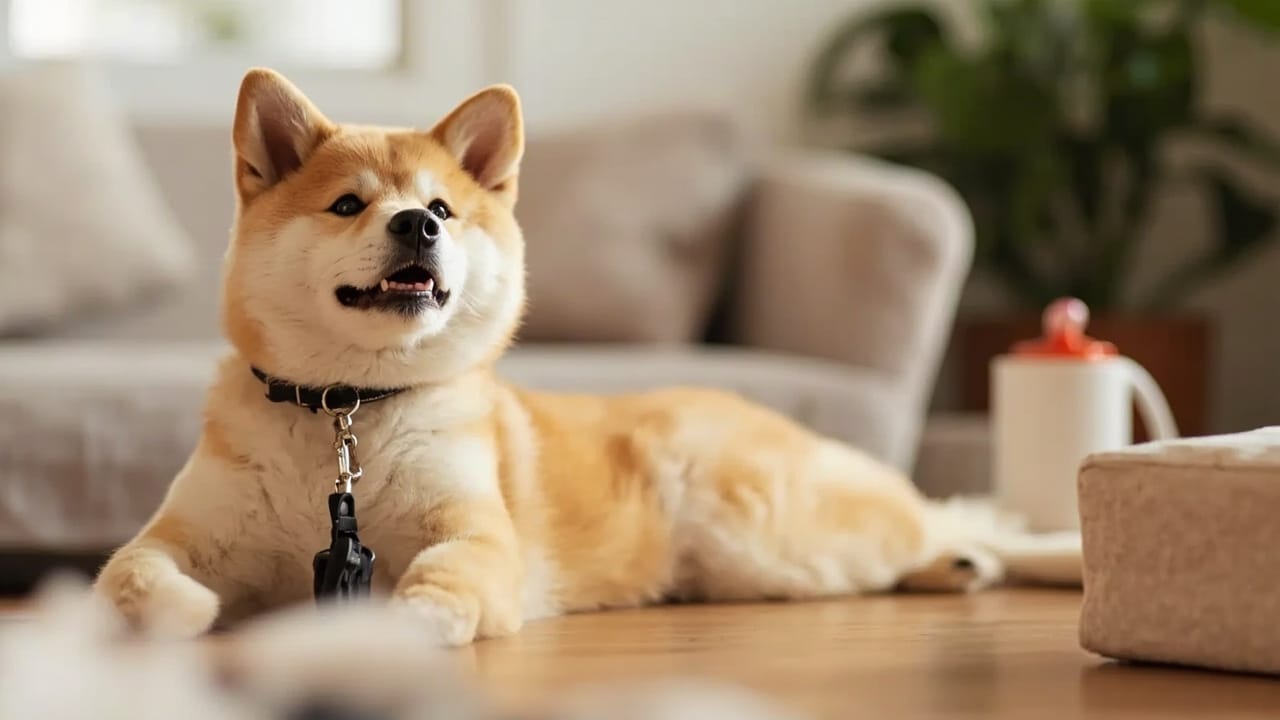
柴犬がリードをつけたまま、他の犬や人、リスに向かって突進したり、吠えたり、悲鳴を上げたりしているなら、それは柴犬に最も多い行動問題のひとつに直面しているということです。良い知らせがあります。柴犬のリード反応性は、しつけが非常に効きやすいのです。なぜなら、ほとんどの場合その原因は frustration、恐怖、prey drive というはっきりした感情的なものであり、柴犬はよりよい反応方法を一度教えられれば、それを学ぶだけの賢さを持っているからです。
問題の「リード」という部分が重要です。犬は、リードが張った瞬間に、興奮する(または怖い)ものが遠ざかり、その突進が報われたと学習しています。このループを3つの段階で断ち切ります。まず management(環境管理)、次に脱感作、そして proofing(実環境での般化訓練)です。
なぜ柴犬は特にリード反応性が出やすいのか
柴犬は日本の山岳地帯で独立した狩猟犬として作出されました。そのブリーディングによって、リードの端に表れる3つの特性が残されました。
- 強い prey drive。 リス、猫、ジョギングしている人、小型犬は、犬にとって「譲れない」と感じる追及本能を刺激します。
- 高い警戒閾値と低い寛容性の組み合わせ。 柴犬はすべてに気づき、多くの場合、知らない犬をすぐに脅威と判断します。
- Frustration reactivity(欲求不満型の反応性)。 柴犬は挨拶したり、探索したり、追いかけたいのですが、リードがそれを許しません。ため込まれたエネルギーは、あの有名な「柴犬の悲鳴」や、くるくる回ること、爆発的な吠えとなって外に溢れ出します。
さらに、脱走の名人という性質と、もともと独立心の強い気質を組み合わせると、飼い主が介入しない限り、犬は反応性を必死に練習し続けることになります。
ステップ1:行動を強化しない(Management)
どのようなトレーニングが定着する前にも、突進に対して報酬を支払うことをやめなければなりません。そのために:
- フロントクリップハーネスまたは head halter を使う。 フロントクリップハーネス(2Hounds Design Freedom No-Pull など)は、犬が引くと体を横向きにさせるため、「前に進む」という報酬を取り除きます。Head halter はさらに即効性がありますが、装着自体にも脱感作の期間が必要です。
- リードを早めに手に取り直す。 柴犬がフルボリュームで悲鳴を上げ始めるまで待つのではなく、耳がピクリと上がった時点で介入を始めましょう。
- トリガーから距離を取る。 人の少ない時間帯に散歩し、脇道を選び、反応が起きそうな遭遇の前に道路を渡りましょう。すでに閾値を越えている犬をトレーニングすることはできません。
ステップ2:脱感作と counter-conditioning(BAT と Look-at-That)
これが本当の改善方法です。目標は、トリガーに対して柴犬が「何をするか」ではなく「どう感じるか」を変えることです。
Look-at-That(LAT)ゲーム(Leslie McDevitt が開発):
- 柴犬がトリガーに気づくが反応しない距離を見つけます。多くの犬では30〜50メートルです。
- 柴犬がトリガーを一瞬でも見た瞬間に、「はい」またはクリッカーでマークし、高価値なおやつ(フリーズドライチキン、チーズ、茹でたレバー)を与えます。
- 1セッションにつき10〜15回繰り返し、その後、距離を伸ばすかおやつの頻度を下げます。
Behavior Adjustment Training(BAT)(Grisha Stewart が開発):
- 柴犬がトリガーに気づいたら、トリガーから自発的に「離れて歩く」のを許可します。自分で距離を取るという行動そのものが強化されます。
- 犬が落ち着いた状態を保てる範囲で、徐々に距離を縮めます。
柴犬の場合、セッションは短く(5〜10分)保ち、成功体験で終えましょう。この犬種は繰り返しにとても早く疲れます。
ステップ3:代替行動を教える
反応性はデフォルトの反応です。もっと報酬の高いデフォルトに置き換えましょう。
- 「タッチ」または hand target(手のターゲット)。 犬があなたの手のひらに鼻をぶつけ、おやつをもらいます。不信感の強い柴犬にはアイコンタクトよりも取り組みやすいです。
- 「Find it(探して)」のおやつばら撒きゲーム。 トリガーが現れた時に5〜10個のおやつを地面にばら撒きます。嗅覚を使う行動は突進と両立せず、犬自身を落ち着かせます。
- Uターン。 柴犬がトリガーにロックオンした瞬間、明るく「let's go」と言って180度方向転換します。追いついてきたら犬を褒美で報います。
ステップ4:実生活で般化(proofing)する
柴犬がトリガーから離れた状態で落ち着いていられるようになったら、小さなステップで距離を縮めていきます。目安は以下のとおりです。
- 1〜2週目: トリガーが30メートル以上離れた位置で見える
- 3〜4週目: トリガーが15〜20メートルの距離
- 5〜6週目: 5〜10メートル以内を通過
- 7〜8週目: 中立的なボディランゲージで2〜3メートル以内を通過
どの段階で柴犬が後退しても、2段階前に戻ってください。反応性は直線的には改善しません。
専門家に頼るべきとき
以下の場合、認定された force-free(強制しない)の行動コンサルタント(IAABC または CPDT-KA 認定)に相談してください。
- 柴犬が飼い主に対して攻撃性を向け直す(redirected aggression)
- 4週間継続して取り組んでいるのに反応性が悪化している
- 咬傷歴や resource guarding(資源防衛)が関係している
- 犬がオフ leash でも反応性を見せる
prong collar( prong 首輪)、choke collar(首絞まり首輪)、shock collar(電気首輪)をすすめるトレーナーは避けてください。これらは症状を抑え、ストレスを高め、長期的に柴犬の反応性を悪化させることが多いです。
現実的なタイムライン
毎日5〜10分のセッションと一貫した management を続ければ、ほとんどのリード反応性の柴犬は4〜8週間で意味のある改善を示します。オフ leash の犬や強い prey トリガー(リスなど)の前での完全な信頼性獲得には6〜12か月かかることもあります。あなたの柴犬はおそらくドッグパーク向きの犬にはならないでしょう——でもそれで良いのです。犬種標準はラブラドールのような誰とでもフレンドリーな気質ではなく、reserved(控えめ)な気質を求めています。目標は、トリガーを前にしても冷静さを保てる犬であって、誰にでも好かれる犬になることではありません。
FAQ
リード反応性は柴犬の攻撃性と同じですか?
いいえ。リード反応性はほとんどの場合 fear-based、frustration-based、または prey-driven であり、本当の攻撃性ではありません。犬はトリガーに「近づきたい」「逃げたい」「追いかけたい」のいずれかであって、傷つけたいわけではありません。行動コンサルタントが動機を確認してくれます。
ハーネスで柴犬の引きと反応性を止められますか?
フロントクリップハーネスは引くことを物理的に難しくし、前への勢いの報酬を取り除くため、反応性の一因を減らします。ただし犬の感情は変えないので、根本的な効果には脱感作トレーニングと組み合わせて使う必要があります。
なぜうちの柴犬はリードでは悲鳴を上げるのに、オフ leash では上げないのですか?
リードが、犬の instincts(近づく・追いかける・逃げる)を実行するのを妨げるため、欲求不満が vocalization(鳴き)として外に溢れ出ます。オフ leash では、犬自身が距離を調整できます。柴犬の悲鳴は攻撃のシグナルではなく、欲求不満のシグナルです。
柴犬はいつ頃からリードに対して反応性が出ますか?
反応性は多くの場合8か月〜2歳の間に出始めます。これは、犬が子犬期の容易な社会化期を抜けて、青年期に入る時期です。早期に介入した方が、成犬の柴犬に固まったパターンを修正するよりもはるかに早いです。