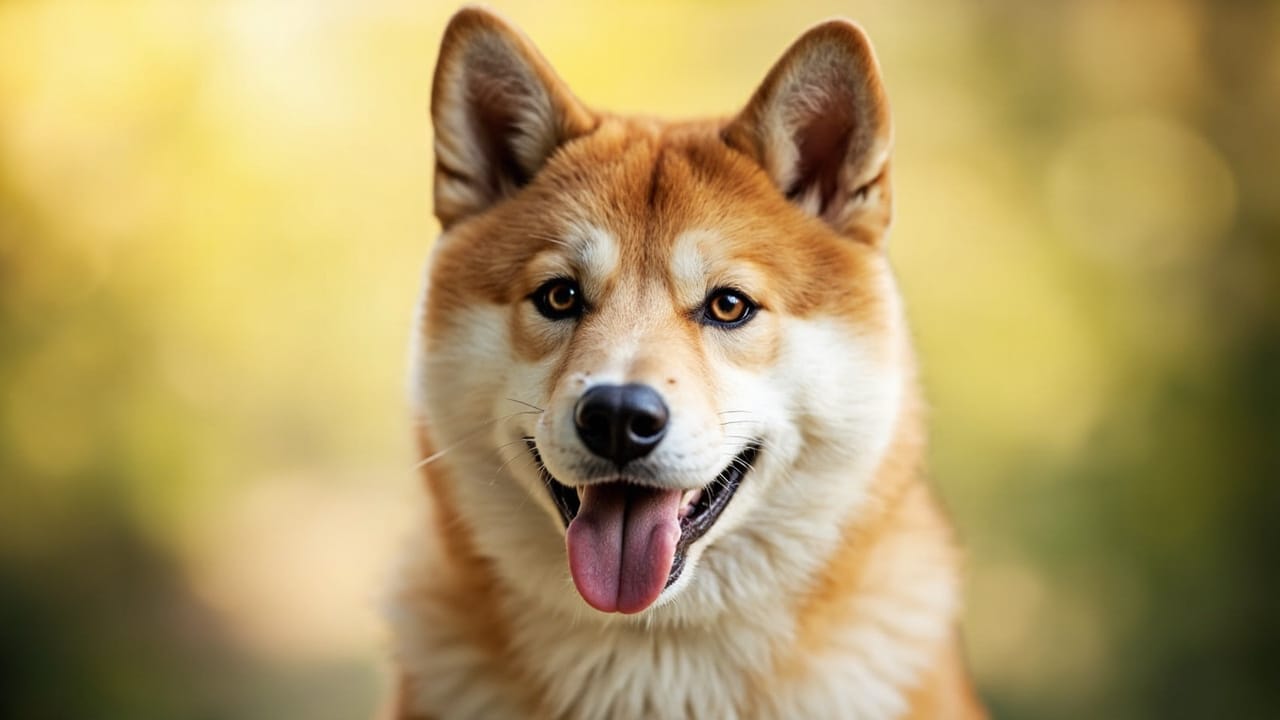
Membantu Anjing Shiba Inu Terlindung Menyesuaikan Diri di Rumah Baharu
Sediakan ruang yang tenang dan kalis anjing untuk Shiba Inu terlindung anda, pastikan dua minggu pertama berjalan dengan santai, dan biarkan mereka menyesuaikan diri mengikut waktu mereka sendiri. Kebanyakan Shiba memerlukan 2–8 minggu untuk menunjukkan personaliti sebenar mereka, dan kesabaran, rutin, serta peneguhan positif adalah kunci kepada peralihan yang lancar.

Membawa pulang Shiba Inu terlindung adalah sesuatu yang menggembirakan, tetapi anjing purba "brushwood" ini bukanlah kanvas kosong. Banyak anjing terlindung datang dengan latar belakang yang tidak diketahui, dan walaupun Shiba yang dibiak dengan baik pun terkenal dengan sifat bebas, seperti kucing, dan lambat untuk mempercayai. Jangkakan tempoh penyesuaian kira-kira 2–8 minggu sebelum anjing baharu anda menunjukkan personaliti sebenar mereka, dan dalam sesetengah kes sehingga tiga bulan untuk penyesuaian sepenuhnya.
Sediakan Rumah Sebelum Ketibaan
Sediakan sebuah bilik sanctuary kecil yang kalis anjing — bilik dobi, bilik tidur, atau pejabat berpintu — yang dilengkapi dengan air, katil atau peti, mainan yang selamat untuk dikunyah, dan rancangan tandas. Sekat bahagian lain rumah dengan pintu bayi. Shiba terkenal sebagai pelarian ulung, jadi periksa pagar untuk sebarang celah (mereka boleh memanjat dan menerobos bukaan yang kecil sekali pun) dan pastikan tong sampah, makanan, ubat-ubatan, kord elektrik, dan objek kecil yang boleh dikunyah disimpan dengan selamat. Tentukan terlebih dahulu di mana anjing akan makan, tidur, dan membuang air; konsistensi dari hari pertama mencegah kemalangan dan kebimbangan.
48 Jam Pertama: Kurang Adalah Lebih
Shiba terlindung sering terlebih rangsang, kurang tidur, dan tidak pasti dengan persekitaran baharu mereka. Pastikan keadaan tenang: tiada pelawat, tiada taman anjing, tiada berjalan jauh. Tawarkan dua kali jalan singkat bertali untuk buang air, kemudian kembali ke bilik sanctuary. Jangan paksa pelukan, masa riba, atau sentuhan mata. Ramai Shiba pada mulanya bersembunyi, menolak makanan, atau mengikut anda dari bilik ke bilik — semua ini normal. Beri makan secara tangan dengan hidangan berkhasiat tinggi (ayam rebus, hati kering beku) untuk memulakan perkaitan positif tanpa tekanan. Kunyahan tahan lama seperti Kong berisi atau stik bully boleh menenangkan tekanan.
Jika anjing benar-benar lumpuh (tidak makan selama lebih 24 jam, muntah, atau terus bersembunyi), pemeriksaan doktor haiwan adalah bijak untuk menolak sebarang penyakit, yang lazim pada anjing yang baru dipindahkan.
2–4 Minggu Pertama: Bina Rutin
Shiba berkembang dengan kepastian. Beri makan, berjalan, dan masukkan ke dalam peti pada waktu yang sama setiap hari. Kekalkan laluan berjalan yang pendek dan konsisten sementara anjing membina keyakinan. Latih adab asas — pengecaman nama, duduk, panggil balik — menggunakan hidangan kecil yang lembut dan suara yang tenang. Elakkan kaedah berasaskan hukuman; Shiba akan lumpuh dan cepat hilang kepercayaan. Latihan berasaskan ganjaran membina semula keyakinan dan mengeratkan ikatan anda.
Hadkan pendedahan kepada orang, haiwan, dan persekitaran baharu semasa fasa ini. Setiap pencetus tekanan baharu harus diperkenalkan secara beransur-ansur, satu demi satu, dengan pilihan untuk menarik diri.
Memperkenalkan Haiwan dan Orang Lain
Untuk anjing yang sedia ada: mulakan dengan berjalan selari di kawasan neutral, kemudian perkenalan di halaman berpagar, kemudian masa dalam rumah di bawah pengawasan. Ramai Shiba menunjukkan prestasi terbaik dengan teman serumah yang berlainan jantina dan bertenaga serupa. Jangan sekali-kali memaksa perkenalan bersemuka melalui pagar atau pintu.
Untuk kanak-kanak dan pelawat: ajar kanak-kanak untuk mengabaikan anjing selama minggu pertama — tidak boleh merenung, menghulurkan tangan, atau membelai tanpa kebenaran. Ganjarkan pendekatan yang tenang daripada orang asing dengan hidangan yang dilemparkan perlahan ke lantai dan bukan sentuhan tangan secara terus.
Perhatikan Isyarat Tekanan
Shiba berkomunikasi secara halus. Menjilat bibir, mata ikan paus, menguap, badan tegang, ekor disembunyikan, dan "jeritan Shiba" yang terkenal apabila diuruskan adalah semua tanda untuk berundur. Jeritan ini khususnya bukanlah pencerobohan — ia adalah protes dramatik yang sering dicetuskan oleh dandanan, pengendalian doktor haiwan, atau rasa terperangkap. Lakukan kaunter-pengkondisian dengan hidangan dan jangan sekali-kali menghukum bunyi tersebut.
Kesihatan dan Penjagaan Veterinar
Jadualkan lawatan doktor haiwan dalam minggu pertama untuk pemeriksaan fizikal penuh, ujian tinja, dan sebarang saringan berkaitan baka. Shiba cenderung kepada dermatitis atopik, patella luxasi, displasia pinggul, glaukoma sudut tertutup primer, katarak, PRA, dan hipotiroidisme, jadi bincangkan ujian asas. Kekalkan vaksinasi terkini dan mulakan pencegahan parasit dengan segera jika status tidak diketahui. Jalankan pemandulan atau pengembirian jika belum dilakukan — Shiba terlindung yang utuh boleh menanda, merayau, dan memperhebatkan pencerobohan sesama jantina.
Dandanan, Pemakanan, dan Kehidupan Harian
Walaupun Shiba berbulu pendek, mereka menumpahkan bulu dua kali setahun dalam gumpalan yang dramatik, dan sesi memberus harian selama 5–10 minit semasa tempoh ini adalah wajib. Di luar tempoh penumpahan, memberus mingguan dan pemangkasan kuku bulanan sudah memadai. Beri makan kibble berkualiti tinggi untuk dewasa atau semua peringkat hayat; ramai Shiba terlindung datang dengan perut sensitif, jadi tukar makanan secara beransur-ansur selama 7–10 hari. Pemberian makan bebas berisiko dengan Shiba, yang boleh memiliki makanan dan menjadi sangat cerewat — dua hidangan terukur sehari adalah yang terbaik.
Bilakah Perlu Mendapatkan Bantuan Profesional
Jika selepas 8–12 minggu anjing masih tidak dapat menyesuaikan diri, menunjukkan penjagaan sumber, gigitan ketakutan yang teruk, atau tekanan perpisahan, hubungi perunding tingkah laku bebas paksa yang bertauliah. Ramai Shiba terlindung mempunyai respons seperti PTSD yang bertindak balas dengan indah terhadap desensitisasi dan kaunter-pengondisian tetapi memerlukan peta jalan profesional.
Beri anjing masa. Dengan konsistensi, kepimpinan yang tenang, dan penghormatan terhadap sifat bebas mereka, Shiba Inu terlindung akan membalas anda dengan teman yang tenang, bermaruah, dan sangat setia untuk 13–16 tahun jangka hayat biasa mereka.
FAQ
Berapa lama masa yang diambil oleh Shiba Inu terlindung untuk menyesuaikan diri di rumah baharu?
Kebanyakan Shiba terlindung memerlukan 2–8 minggu untuk menyesuaikan diri dan menunjukkan personaliti sebenar mereka; penyesuaian penuh boleh mengambil masa sehingga tiga bulan. Rutin yang konsisten dan tekanan minimum sepanjang tempoh ini mempercepatkan ikatan dengan ketara.
Mengapa Shiba terlindung baharu saya begitu gelisah atau suka bersembunyi?
Bersembunyi, menolak makanan, dan mengikut anda dari bilik ke bilik adalah tanda-tanda penyesuaian klasik pada Shiba terlindung. Kekalkan persekitaran yang tenang, tawarkan makanan dengan tangan, dan elakkan memaksa interaksi — keyakinan biasanya kembali dalam 2–4 minggu.
Adakah jeritan Shiba normal pada anjing terlindung?
Ya. Jeritan Shiba adalah protes vokal yang dramatik, bukan pencerobohan, dan sering dicetuskan oleh pengendalian, dandanan, atau rasa terperangkap. Lakukan kaunter-pengondisian dengan hidangan dan jangan sekali-kali menghukum bunyi tersebut; ia biasanya berkurangan apabila kepercayaan terbina.
Apakah pemeriksaan kesihatan yang perlu diperoleh oleh Shiba Inu terlindung dahulu?
Jadualkan pemeriksaan doktor haiwan penuh dalam minggu pertama, termasuk ujian tinja, ujian darah asas, dan saringan untuk isu Shiba yang lazim seperti patellar luxation, displasia pinggul, penyakit mata, dan hipotiroidisme. Bincangkan pemandulan atau pengembirian jika belum dilakukan.