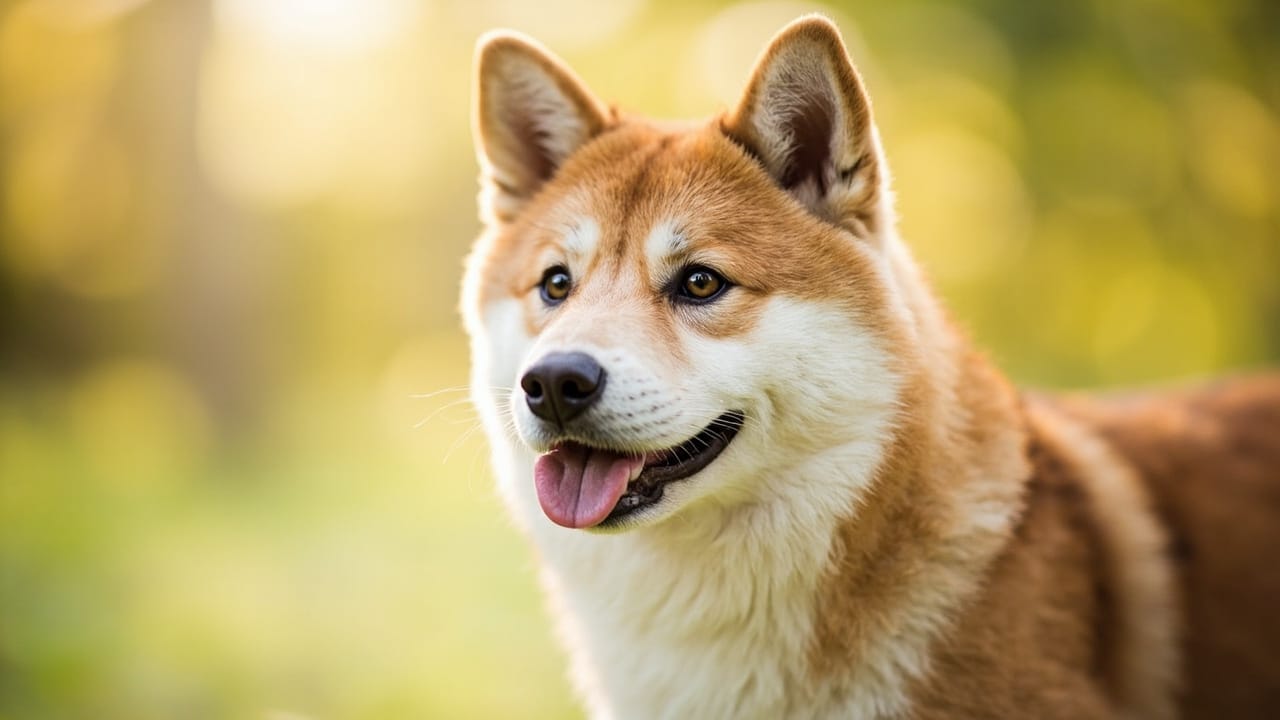
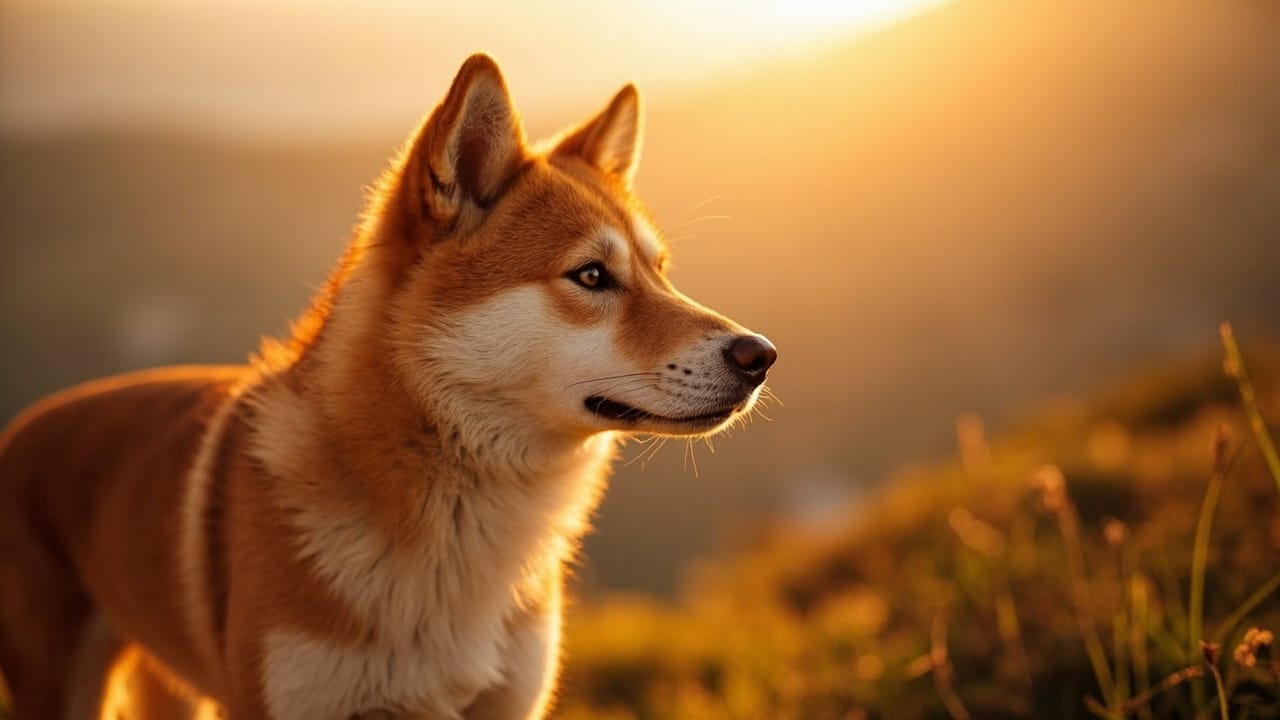
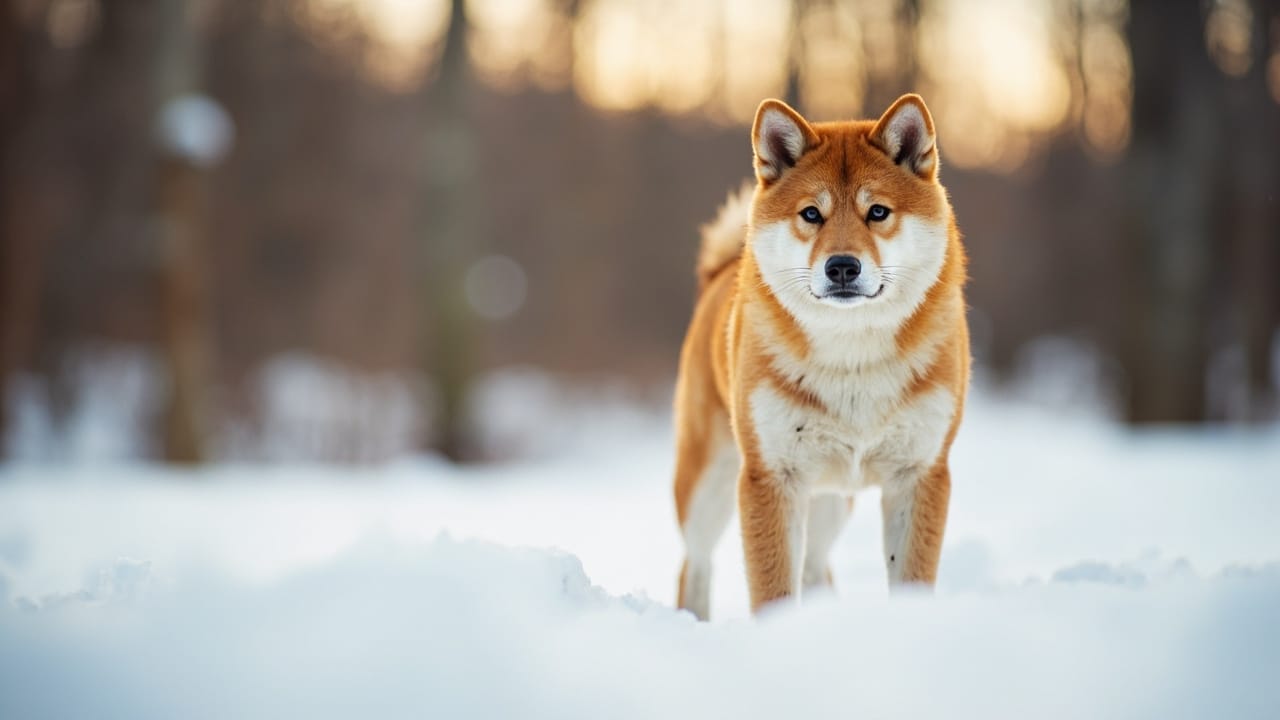
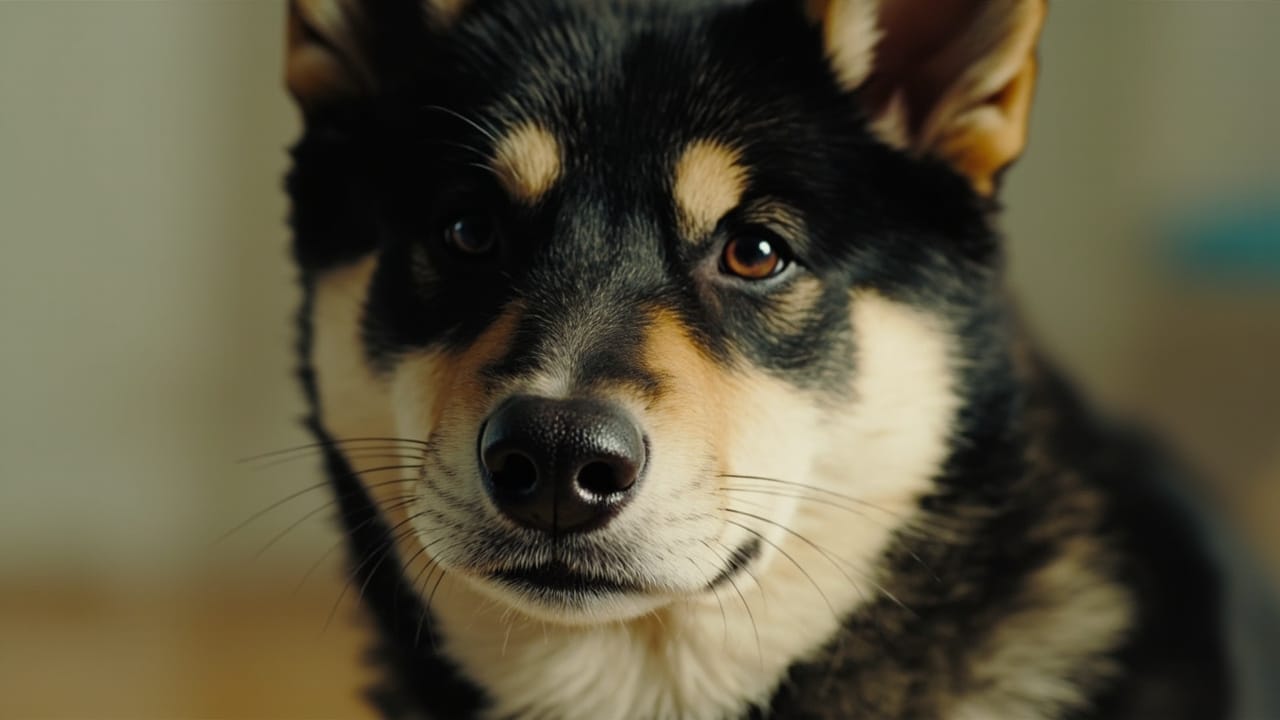
Pengeboman Bulu Shiba Inu di Iklim Eropah Utara: Apa Yang Dijangka
Pengeboman bulu Shiba Inu berkelakuan lebih dramatik di iklim Eropah utara yang sejuk berbanding di zon sederhana, dengan kitaran penumpahan yang lebih panjang dan lebih sengit disebabkan oleh perubahan suhu bermusim yang ekstrem. Pemilik harus menjangka dua pengeboman utama setahun (musim bunga dan musim luruh) yang berlangsung selama 4–8 minggu setiap satu, ditambah peningkatan kegemapan sepanjang tahun semasa musim sejuk yang lembap dan gelap.
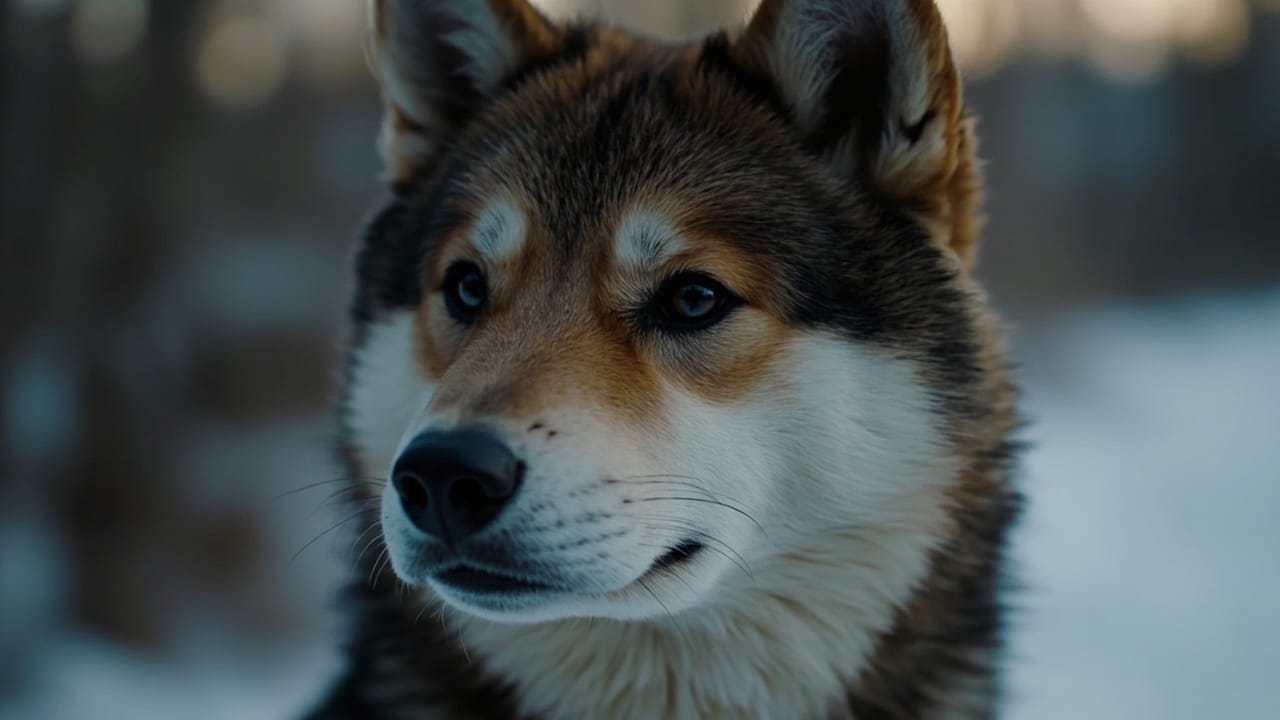
Apa Yang dilakukan Iklim Sejuk terhadap Pengeboman Bulu Shiba
Jika anda tinggal di Scandinavia, Baltik, Scotland, atau utara Jerman, pengeboman bulu Shiba anda akan kelihatan lebih berat dan lebih lama berbanding anjing yang sama di, katakan, selatan Perancis. Perubahan dramatik antara musim sejuk di bawah paras beku, musim bunga yang basah, dan musim panas yang pendek serta sederhana mengelirukan isyarat hormon yang mendorong kitaran penumpahan yang dikawal oleh fotoperiod, menghasilkan pelepasan bulu bawah yang lebih besar dan pengeboman mini yang lebih kerap di antaranya.
Mengapa Eropah Utara Memperhebatkan Pengeboman
Shiba menumpahkan bulu terutamanya sebagai tindak balas kepada panjang waktu siang, bukan suhu, tetapi realiti iklim sejuk merumitkan isyarat tersebut.
- Kontras bermusim yang tajam: Musim sejuk yang panjang dan gelap mendorong bulu ke "mod musim sejuk" secara agresif, manakala peningkatan waktu siang musim bunga yang mendadak mencetuskan pelepasan besar yang diselaraskan.
- Pemanasan dalaman yang berterusan: Rumah yang dipanaskan mengekalkan anjing dalam keadaan ringan yang berterusan, jadi bulu bawah menumpahkan secara bertompok sepanjang tahun dan bukan menunggu satu acara bermusim yang kemas.
- Kelembapan yang berterusan: Hujan, salji, dan kelembapan tinggi di kawasan Nordik pesisir pantai memperlahankan pengeringan bulu bawah yang longgar, menyebabkan ia lebih cepat bergumpal dan terasa lebih padat.
- UV yang terhad pada musim sejuk: Cahaya matahari yang berkurangan mengganggu kitaran folikel yang dipacu oleh melatonin, kadangkala melanjutkan pengeboman musim luruh sehingga ke Disember atau Januari.
Seperti Apa Sebenarnya Pengeboman Itu
Pengeboman Shiba klasik dalam iklim sejuk tidak dapat disangkal:
- Gumpalan bulu bawah berwarna krim, putih, atau kelabu keluar dalam genggaman apabila anda membelai anjing.
- Bulu pelindung luar kekal melekat, memberikan penampilan dua tona yang compang-camping selama beberapa minggu.
- Bulu terkumpul pada pakaian, perabot, dan terapung dengan jelas di pancaran cahaya matahari — jangka untuk mengisi bekas vakum setiap minggu.
- Tingkah laku sering berubah: ramai Shiba menjadi lebih gatal, sedikit merengus, atau lebih bertenaga (sesi "Shiba 500") semasa minggu-minggu paling teruk.
Berapa Lama Pengeboman Berlangsung
Dalam iklim Eropah utara yang sejuk, jangkakan:
| Musim | Tempoh Biasa | Minggu Puncak |
|---|---|---|
| Pengeboman musim bunga (Mac–Mei) | 5–8 minggu | Pertengahan April hingga awal Mei |
| Pengeboman musim luruh (September–November) | 4–6 minggu | Pertengahan Oktober |
| Pengeboman mini musim sejuk | 2–3 minggu | Disember–Januari |
| Sentuhan semula musim panas | 1–2 minggu | Julai |
Jumlah penumpahan keseluruhan bagi setiap pengeboman utama boleh mengisi beberapa beg beli-belah.
Menguruskan Pengeboman: Rutin Praktikal
Iklim sejuk memerlukan jadual dandanan yang lebih berdisiplin berbanding iklim Mediterranean.
- Alat yang berkesan: Rake bulu bawah berkualiti tinggi (contohnya Chris Christensen, Furminator yang digunakan dengan lembut) ditambah berus slicker. Elakkan sikat gigi pendek yang hanya menyentuh bulu atas.
- Kekerapan: Semasa puncak pengeboman, berus setiap 2–3 hari selama 10–15 minit. Di luar musim, sekali seminggu biasanya sudah cukup.
- Masa memandikan: Mandikan sebelum pengeboman bermula (akhir Februari, akhir Ogos) untuk melonggarkan bulu mati. Elakkan memandikan di tengah-tengah pengeboman dalam cuaca lembap, kerana bulu bawah kekal basah dan boleh menyebabkan hot spot.
- Kelembapan dalaman: Kekalkan kelembapan rumah sekitar 40–50% pada musim sejuk untuk melindungi penghalang kulit dan mengurangkan kegumpalan akibat statik.
- Sokongan diet: Asid lemak Omega-3 (minyak ikan) membantu bulu baharu tumbuh berkilat dan mengurangkan keradangan daripada pusing ganti folikel yang berterusan.
Perkara Yang Perlu Dipantau dari Segi Kesihatan Semasa Pengeboman Berat
Iklim yang sejuk dan lembap sudah menjadikan Shiba cenderung kepada dermatitis atopik. Semasa pengeboman bulu, perhatikan:
- Gatal yang berlebihan atau hot spot di bawah bulu musim sejuk yang padat, terutamanya di belakang telinga dan sepanjang paha.
- Tompok botak yang mungkin menandakan hipotiroidisme dan bukan pengeboman biasa (lebih biasa pada anjing berusia lebih 6 tahun).
- Gumpalan felted yang bergumpal di belakang siku dan seluar — biasa berlaku dalam kelembapan Nordik dan merupakan pendahulu kepada jangkitan kulit.
Jika pengeboman berlarutan melebihi 10 minggu atau kelihatan bertompok dengan kulit yang meradang, jumpa doktor haiwan untuk menolak punca endokrin atau alahan.
Kesimpulan
Iklim Eropah utara yang sejuk tidak menghasilkan lebih banyak pengeboman setahun, tetapi menjadikan setiap pengeboman lebih besar, lebih lama, dan lebih berselerak, dengan penumpahan tambahan di antaranya. Berkomitmenlah kepada rutin rake bulu bawah yang konsisten, kawal kelembapan dalaman, dan terima bahawa seekor Shiba di Oslo, Helsinki, atau Edinburgh pada dasarnya akan menjadi penderma bulu selama kira-kira empat bulan setahun.
FAQ
Adakah Shiba Inu menumpahkan lebih banyak bulu dalam iklim sejuk berbanding iklim panas?
Tidak semestinya lebih banyak pengeboman, tetapi setiap pengeboman lebih berat dan lebih lama disebabkan oleh kontras cahaya bermusim yang lebih kuat dan pemanasan dalaman yang berterusan, yang memecahkan kitaran.
Berapa kali setahun Shiba mengebom bulu di Scandinavia?
Dua pengeboman utama (musim bunga dan musim luruh) ditambah sekurang-kurangnya satu pengeboman mini musim sejuk pada Disember atau Januari, dan sentuhan semula ringan pada musim panas pada bulan Julai.
Bolehkah saya mencukur Shiba saya untuk mengurangkan penumpahan dalam iklim sejuk?
Tidak. Bulu berganda melindungi daripada kesejukan dan juga haba musim panas; pencukuran merosakkan pertumbuhan semula, risiko terbakar matahari, dan tidak mengurangkan penumpahan secara kekal.
Apakah berus yang paling sesuai untuk Shiba dalam iklim utara yang lembap?
Rake bulu bawah dengan gigi panjang yang digabungkan dengan pin slicker adalah kombinasi paling berkesan untuk menarik keluar bulu bawah yang padat dan lembap tanpa merosakkan bulu pelindung.