Piawaian NIPPO untuk Shiba Inu: Bagaimana Hakim Baka Jepun Menilai Anjing
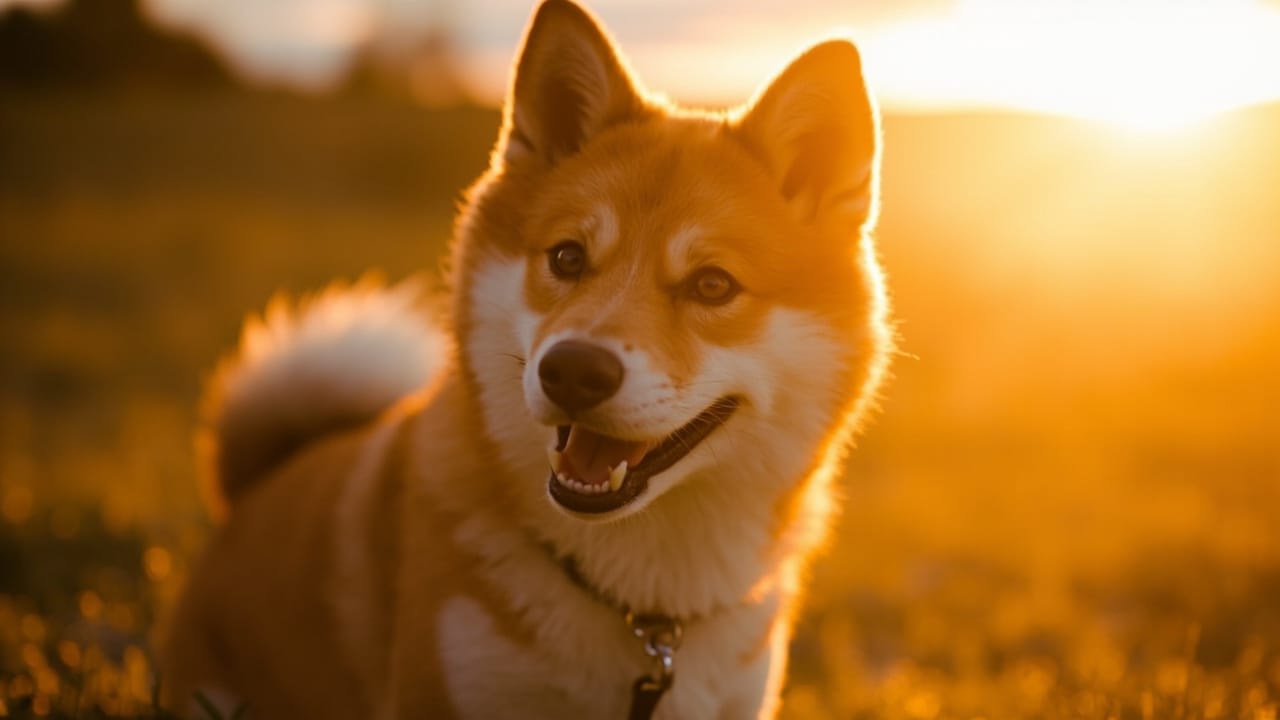
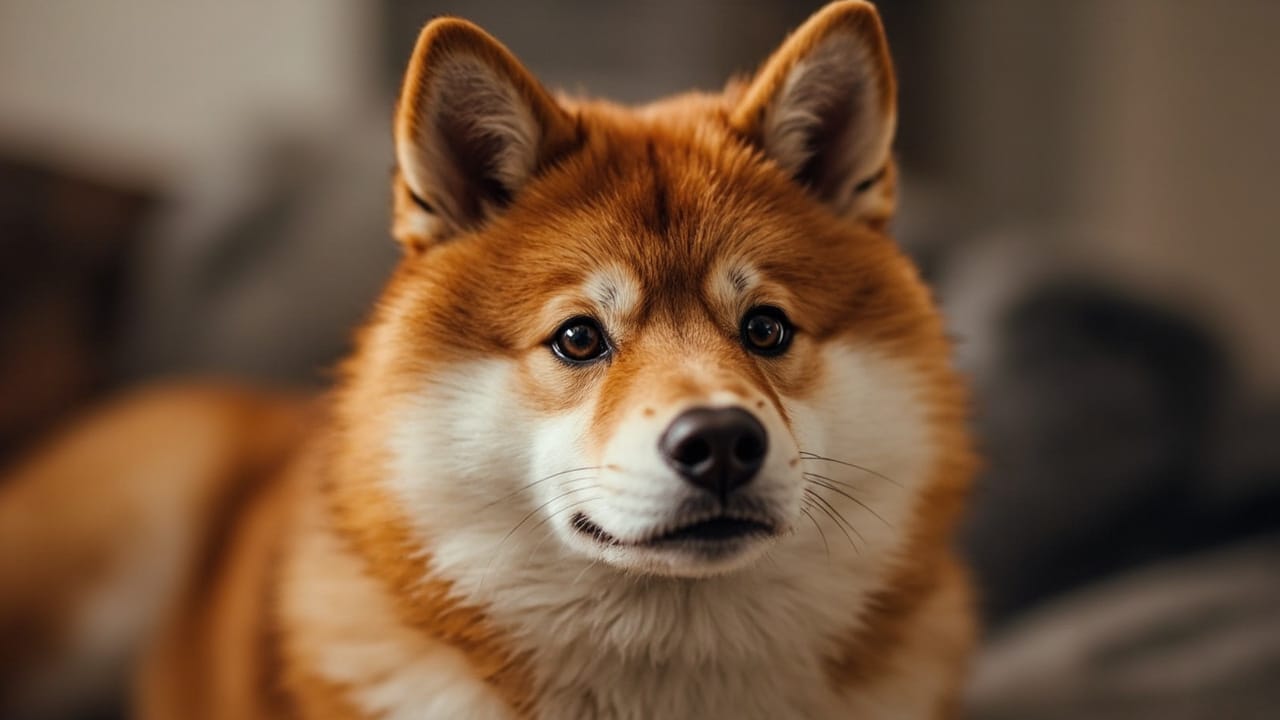
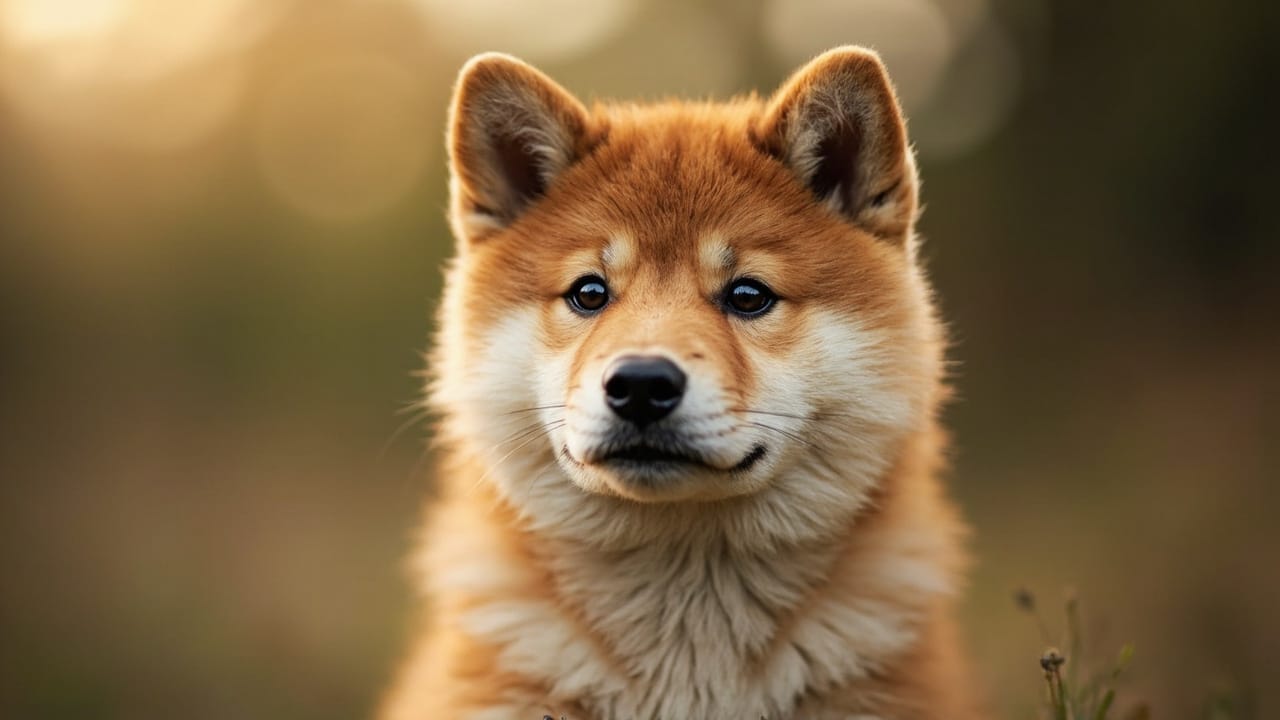
Piawaian NIPPO ialah piawaian baka rasmi Jepun yang ditulis oleh Nihon Ken Hozonkai (日本犬保存会), ditubuhkan pada 1928 untuk memelihara enam baka anjing asli Jepun. Dalam gelanggang pertunjukan, hakim menilai Shiba Inu berdasarkan ideal yang berakar umbi daripada arketip 'anjing brushwood' purba — menekankan keseimbangan, urajiro yang betul, serta perwatakan bersemarak dan bermaruah yang dipanggil kan-i muchi ryosei.
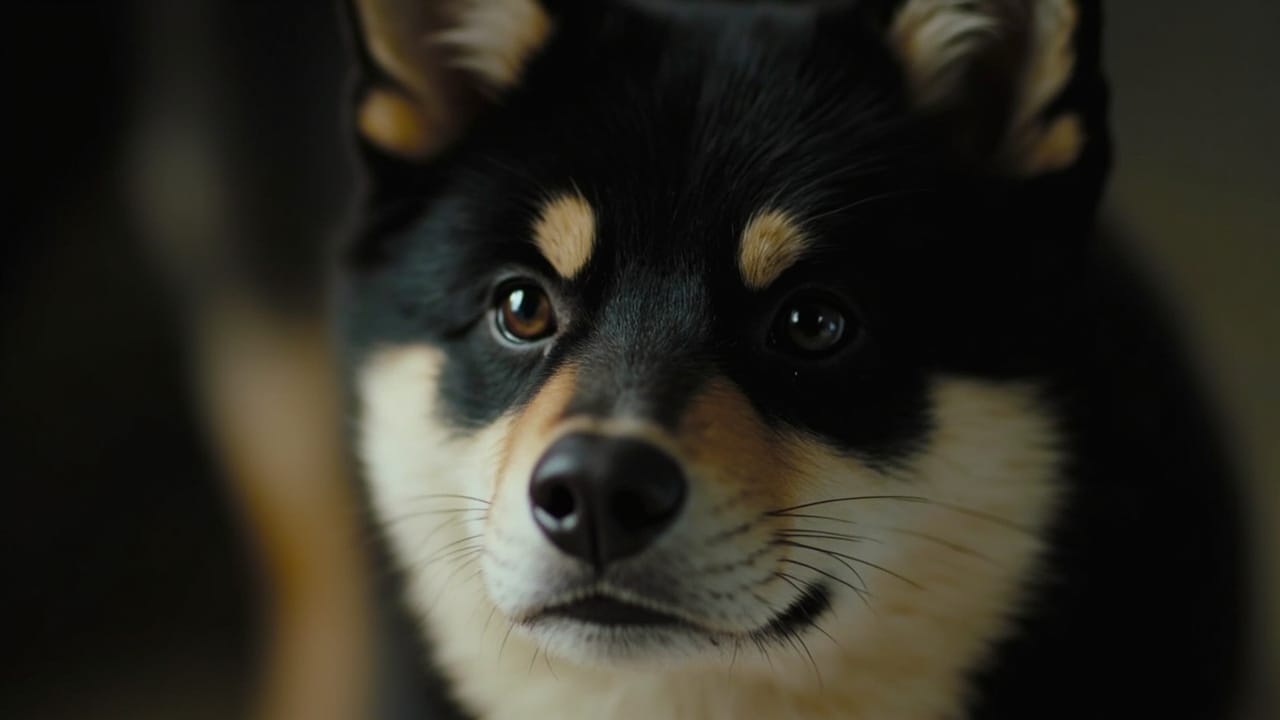
Kelahiran NIPPO dan Piawaian Shiba Inu Jepun
Piawaian NIPPO untuk Shiba Inu telah digubal pada 1934 oleh Nihon Ken Hozonkai, persatuan yang diasaskan enam tahun sebelumnya untuk menyelamatkan baka spitz asli Jepun daripada kepupusan. Shiba secara rasmi diiktiraf sebagai Monumen Semula Jadi Jepun pada 1936, sejurus sebelum kemusnahan zaman perang menghampirkan baka ini kepada kepupusan. Populasi yang kekal hari ini berasal daripada tiga zuriat yang terselamat — Shinshu, Mino, dan San'in — yang gabungan telitinya menghasilkan ideal NIPPO moden.
Tiga Tonggak Yang Dicari Oleh Hakim
Penghakiman Jepun dirumuskan dengan terkenal melalui ungkapan kan-i, ryosei, dan soboku — semangat, perwatakan baik, dan keanggunan tanpa pretensi. Anjing yang menang di Jepun ialah anjing yang semata-mata kelihatan seperti Shiba seharusnya kelihatan, tanpa berlebihan.
- Kan-i (悍威) — keberanian yang tenang, maruah, dan kewaspadaan. Anjing seharusnya berdiri dengan kepala tegak, telinga terangkat, dan mata menunjukkan semangat, tetapi tidak pernah pencerobohan atau ketakutan.
- Ryosei (良性) — perwatakan baik dan dispositions lembut terhadap handler. Shiba yang benar-benar bersemarak juga tenang dan mudah dikendalikan.
- Soboku (素朴) — keindahan rustic dan semula jadi tanpa keindahan buatan atau tiruan. Tiada glamor, tiada berlebihan.
Keperluan Struktur: Badan, Tulang, dan Keseimbangan
Piawaian NIPPO memerlukan anjing yang seimbang, sedikit lebih panjang daripada tinggi, ketinggian layu jantan 39.5 cm (ideal), betina 36.5 cm (ideal) — dengan julat yang dibenarkan iaitu 35–43 cm dan 33–41 cm. Berat adalah lebih kurang 10 kg untuk jantan, 8 kg untuk betina. Rangka harus teguh tanpa menjadi kasar: tulang harus terasa pejal tetapi tidak pernah berat, dan anjing harus bergerak dengan ketangkasan yang ringan dan melantun.
Titik struktur utama yang dihakimi:
- Kepala: tengkorak lebar, stop yang jelas, muncung lurus kira-kira 40% daripada panjang tengkorak, hidung hitam.
- Mata: segi tiga, cekung masuk, coklat gelap, menyampaikan keyakinan yang tenang.
- Telinga: kecil, segi tiga, tebal, terangkat ke hadapan pada sudut yang sedikit.
- Gigitan: gigitan gunting yang kuat; gigi yang hilang adalah kesalahan serius.
- Ekor: berpangkal tebal, tergulung ke atas belakang dalam bentuk sabit atau gulungan ketat — makura-o yang masyhur atau "ekor bantal."
Urajiro dan Warna: Tanda Putih Yang Penting
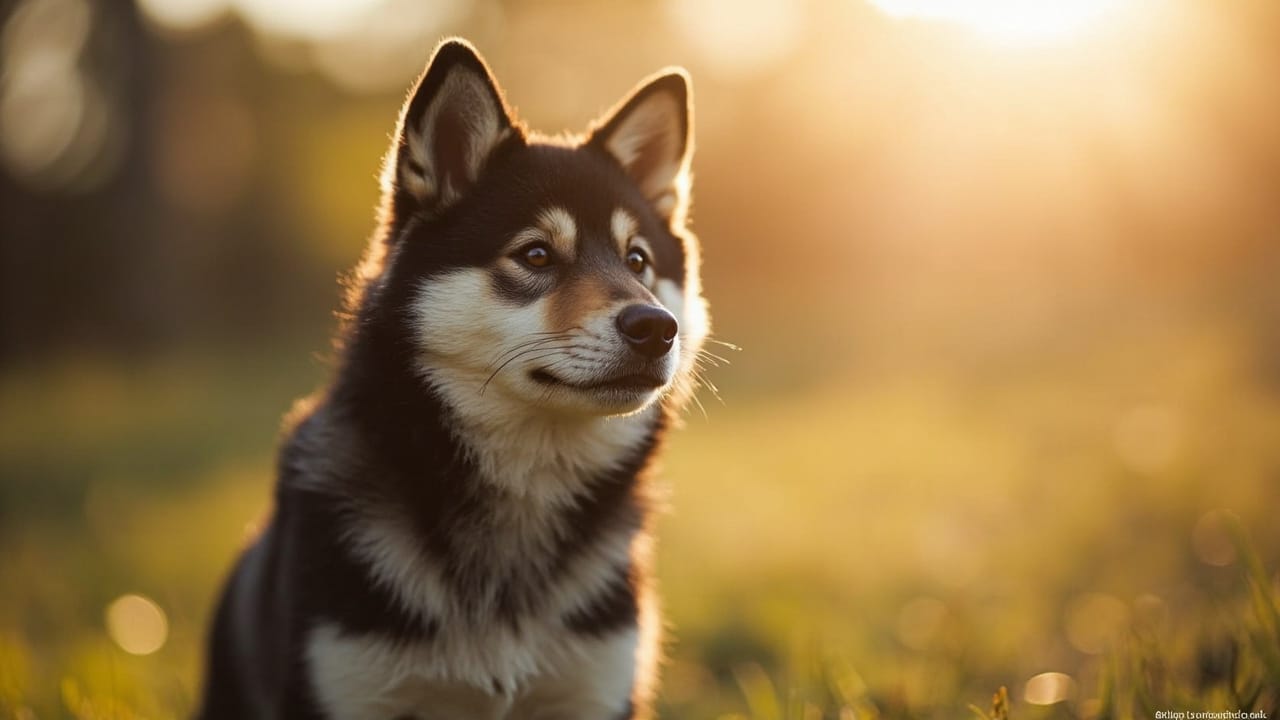
Warna di Jepun dihakimi sejujur struktur. Hanya empat warna diterima: merah, hitam dan sawo matang (dengan putih), bijan, dan krim — tetapi krim dihukum berat sebagai kesalahan pertunjukan.
Tanda yang menentukan ialah urajiro (裏白), lorekan krim-ke-putih yang diperlukan pada:
- Pipi, bahagian bawah rahang, dan tekak
- Dada dan perut
- Bahagian dalam kaki dan belakang paha atas
- Bahagian bawah ekor
Urajiro mesti kelihatan pada anjing yang berdiri dilihat dari sisi. Pada anjing merah dan bijan ia muncul sebagai krim lembut; pada hitam dan sawo matang ia membentuk tanda putih yang tajam. Hakim secara khusus mencari penempatan yang betul — urajiro pada muka sangat dihargai dan menandakan Shiba yang berpigmen betul dan tradisional.
Perbezaan Jantina dalam Penghakiman Shiba Inu
NIPPO secara jelas membezakan antara jantina, lebih daripada piawaian Barat biasanya lakukan. Jantan harus kelihatan maskulin — tulang lebih berat, kepala lebih lebar, kehadiran lebih berani, kan-i lebih kuat. Betina harus kelihatan feminin — tulang halus, ekspresi lebih lembut, keseimbangan elegan — tetapi tidak pernah delicado atau seperti mainan. Ini adalah antara kesilapan paling biasa yang dilakukan oleh pemamer asing: betina tidak dihukum kerana kelihatan seperti betina.
Bagaimana Pertunjukan Jepun Sebenarnya Berfungsi
Tidak seperti pertunjukan AKC, acara NIPPO menghakimi setiap anjing secara individu di atas meja mengikut piawaian, bukan secara lawan dengan pesaing. Tiada kejuaraan baka atau kumpulan dalam pengertian Barat; kehormatan tertinggi ialah anugerah Honbuto (本物), yang diberikan hanya kepada anjing yang dianggap contoh cemerlang piawaian. Sistem ini menghargai jenis baka mutlak berbanding kiraan kemenangan relatif.
Mengapa Ini Penting Di Luar Jepun
Walaupun anda tidak pernah bertanding di Jepun, memahami NIPPO mengubah cara anda menilai Shiba Inu. Shiba yang betul-betul tepat adalah seimbang dan sederhana: bukan anjing bermuka mainan, berbulu tebal, atau bersaiz besar yang sering dilihat di gelanggang Barat. Cari urajiro, saiz yang betul, jenis yang sesuai dengan jantina, dan kan-i yang sukar ditakrifkan tetapi tidak dapat disangkal — semangat yang bermaruah dan waspada yang telah mentakrifkan anjing brushwood selama berabad-abad.
FAQ
Bilakah piawaian NIPPO Shiba Inu ditulis?
Piawaian NIPPO telah digubal pada 1934, dua tahun sebelum Shiba Inu ditetapkan sebagai Monumen Semula Jadi Jepun pada 1936.
Apakah yang dimaksudkan dengan kan-i dalam penghakiman Shiba Inu?
Kan-i (悍威) bermaksud semangat yang bermaruah dan keberanian yang tenang — kehadiran waspada dan yakin yang mesti ditunjukkan Shiba tanpa pencerobohan.
Apakah anugerah Honbuto di Jepun?
Honbuto (本物) ialah kehormatan NIPPO tertinggi, yang diberikan kepada anjing individu yang dihakimi sebagai contoh Shiba Inu yang tepat mengikut piawaian, kerana pertunjukan Jepun menghakimi mengikut piawaian dan bukan secara kepala-lawan-kepala.
Adakah krim warna yang melayakkan penyingkiran di Jepun?
Krim bukan penyingkiran di bawah NIPPO tetapi merupakan kesalahan pertunjukan yang serius, dengan empat warna yang diterima ialah merah, bijan, hitam dan sawo matang, dan krim.