Insurans Haiwan Peliharaan Terbaik untuk Shiba Inu: Panduan Pembeli 2025
Insurans haiwan peliharaan terbaik untuk Shiba Inu ialah pelan kemalangan dan penyakit yang menyeluruh daripada pembekal bertaraf tinggi seperti Healthy Paws, Trupanion, atau Embrace, dengan pembayaran balik 80–90%, deductible $250–$500, dan tiada had umur atas. Shiba cenderung kepada luxating patella, displasia pinggul, alahan, glaukoma, dan hipotiroidisme, jadi pilih pelan yang melindungi keadaan keturunan dan kronik tanpa pengecualian baka.
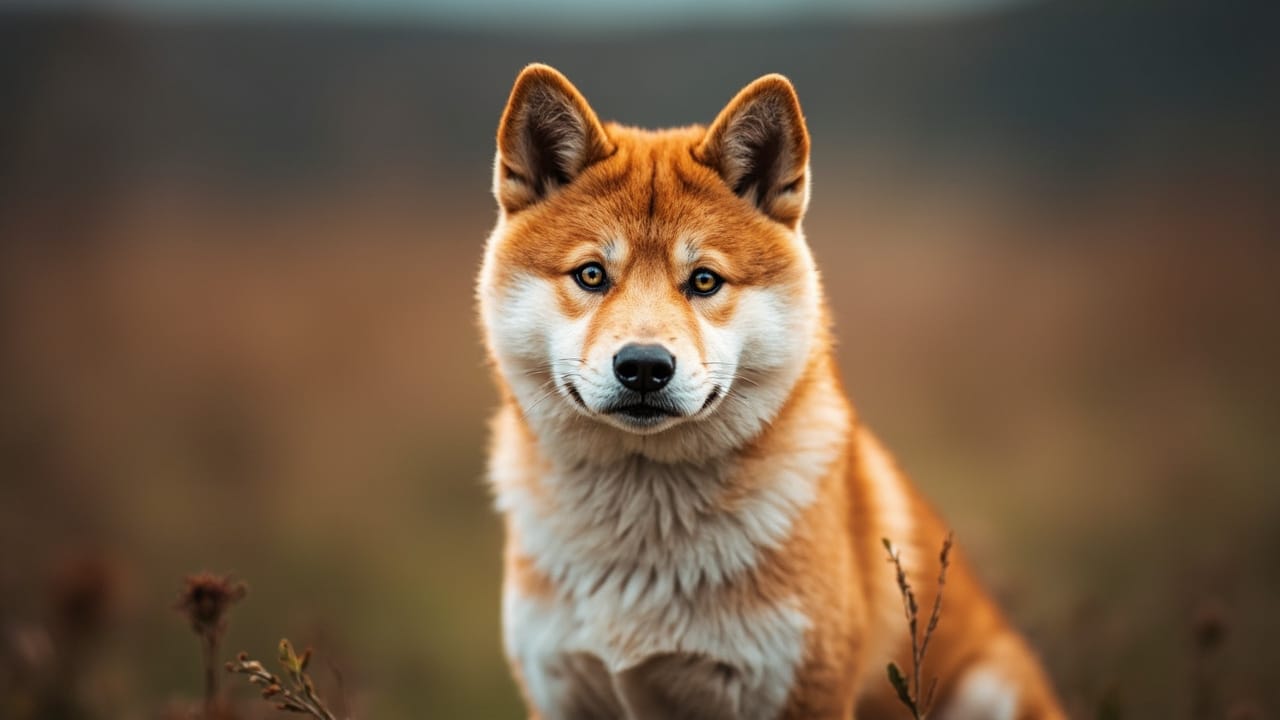
Pemilik Shiba Inu perlu mencari polisi kemalangan dan penyakit dengan perlindungan keturunan yang kukuh, peratusan pembayaran balik yang tinggi, dan deductible yang munasabah. Pilihan industri untuk Shiba pada 2025 termasuk Healthy Paws, Trupanion, Embrace, Pets Best, dan Lemonade. Pelan yang tepat membayar balik (ditolak deductible dan coinsurance anda) untuk diagnostik, pembedahan, kemasukan ke hospital, ubat-ubatan, dan lawatan pakar — iaitu kos yang paling mungkin ditanggung oleh seekor Shiba sepanjang hayat 13–16 tahun.
Mengapa Shiba Inu Memerlukan Perlindungan yang Tepat
Shiba adalah salah satu baka anjing yang paling lama hidup, biasanya mencapai 13–16 tahun. Umur panjang itu satu kelebihan, tetapi ia juga bermakna lebih banyak peluang untuk penyakit kronik secara statistik. Mengikut data OFA, kira-kira 7.6% Shiba menghidap displasia pinggul, dan tinjauan kesihatan kelab baka sering menyenaraikan luxating patella, dermatitis atopik, glaukoma sudut tertutup primer, katarak, atrofi retina progresif (PRA), dan hipotiroidisme sebagai kebimbangan yang berulang. Tambahkan reputasi baka sebagai pelarian dan pemangsa (kecederaan akibat berlari ke jalan raya atau mengejar hidupan liar adalah biasa), dan polisi kemalangan dan penyakit pada dasarnya membayar dirinya sendiri pada kali pertama anda memerlukannya.
Pelan Shiba yang baik harus:
- Meliputi keadaan keturunan dan kongenital tanpa pengecualian khusus baka
- Membayar balik 70–90% bil veterinar
- Membenarkan deductible yang anda mampu dalam kecemasan ($250–$500 adalah tipikal)
- Termasuk faedah tahunan atau seumur hidup tanpa had, atau sekurang-kurangnya had yang tinggi ($15,000+)
- Membayar berdasarkan invois veterinar sebenar, bukan "jadual faedah"
- Menawarkan tuntutan digital yang pantas (pembekal teratas memproses dalam 2–14 hari)
Cara Membandingkan Pembekal Teratas
| Pembekal | Terbaik Untuk | Pembayaran Balik | Pilihan Deductible | Ciri Utama |
|---|---|---|---|---|
| Healthy Paws | Perlindungan keturunan | 70–90% | $250–$500 | Seumur hidup tanpa had, tiada had |
| Trupanion | Bayaran terus kepada veterinar | 90% | $0–$1,000 | Membayar klinik semasa daftar keluar |
| Embrace | Tambahan kesejahteraan | 70–90% | $200–$1,000 | Deductible Haiwan Sihat yang mengecil setiap tahun |
| Pets Best | Premium bajet | 70–90% | $50–$1,000 | Talian bantuan veterinar 24/7, kesejahteraan pilihan |
| Lemonade | Tuntutan digital pantas | 70–90% | $100–$500 | Tuntas segera dipacu AI, yuran rendah |
Untuk Shiba sihat berumur 2 tahun di A.S., premium bulanan biasanya $40–$75 untuk pelan menyeluruh. Shiba senior (10+) boleh melonjak kepada $90–$180, jadi mengunci perlindungan semasa anjing anda masih muda adalah langkah penjimatan wang terbesar yang boleh dilakukan oleh pemilik.
Apakah Kos Khusus Shiba yang Patut Dijangka?
- Pembedahan luxating patella: $1,500–$5,000 setiap lutut
- Pengurusan displasia pinggul (X-ray, NSAID, kemungkinan FHO atau pinggul total): $3,000–$7,000+
- Pemeriksaan alahan/dermatologi dan imunoterapi: $500–$2,000/tahun
- Glaukoma (kecemasan + ubat jangka panjang atau pembedahan): $1,000–$4,000
- Pembedahan katarak setiap mata: $2,500–$4,000
- Diagnostik hipotiroidisme dan ubat seumur hidup: $300–$800/tahun
Walaupun satu episod sudah pun menghapuskan premium beberapa tahun, sebab itulah harga bulanan terendah jarang menjadi nilai terbaik. Sebaliknya, cari pelan tanpa had atau had yang tinggi.
Pelan Kesejahteraan: Biasanya Pilihan, Kadang-kadang Berbaloi
Shiba tidak memerlukan perlindungan vaksin tanpa had, tetapi rider kesejahteraan (Embrace, Pets Best, Lemonade) boleh mengimbangi kos yang boleh dijangka seperti ujian darah tahunan, saringan air kencing, dan cucian gigi ($300–$700 setiap satu). Untuk Shiba senior, ini adalah tambahan yang bijak kerana saringan awal tiroid dan glaukoma mengesan masalah sebelum menjadi kecemasan. Untuk anak anjing di bawah 3 tahun, langkau dan masukkan $15–$25/bulan ke dalam akaun simpanan.
Tips Pendaftaran dan Perangkap Biasa
- Daftar pada 8 minggu jika boleh — keadaan sedia ada tidak dilindungi, dan walaupun jangkitan telinga ringan yang dicatatkan pada lawatan veterinar pertama anda boleh dikecualikan kemudian.
- Pilih pembayaran balik tertinggi yang anda mampu (90% mengatasi 70% sepanjang hayat Shiba).
- Elakkan pelan kemalangan sahaja untuk Shiba dewasa; ia mengecualikan keadaan keturunan yang paling mungkin dialami baka ini.
- Baca cetakan halus tentang pengecualian bilateral — sesetengah penanggung insurans tidak akan melindungi luxasi patella kedua jika yang pertama dirawat sebelum pendaftaran.
- Manfaatkan jaminan wang dikembalikan 14–30 hari dan batalkan dalam tempoh tersebut jika proses tuntutan terasa perlahan.
- Lengkapkan saringan yang disyorkan CHIC (OFA pinggul, OFA patella, pemeriksaan mata CERF/CAER) dan hantarkannya — beberapa penanggung insurans (Healthy Paws, Embrace) menawarkan premium yang lebih rendah untuk rekod kesihatan yang disahkan.
Untuk kebanyakan keluarga Shiba Inu, polisi Healthy Paws 90% pembayaran balik / $500 deductible / had tanpa had, atau pelan Trupanion yang setara dengan bayaran terus kepada veterinar, memberikan keseimbangan terbaik antara perlindungan, harga, dan perlindungan khusus Shiba.
FAQ
Berapa kos insurans haiwan peliharaan sebulan untuk Shiba Inu?
Polisi kemalangan dan penyakit yang menyeluruh untuk Shiba dewasa muda biasanya berharga $40–$75 sebulan. Anak anjing bermula sekitar $30–$50, manakala Shiba senior (10+ tahun) boleh menelan kos $90–$180 sebulan.
Adakah insurans haiwan peliharaan melindungi displasia pinggul pada Shiba Inu?
Ya, kebanyakan penanggung insurans utama (Healthy Paws, Trupanion, Embrace, Pets Best) melindungi displasia pinggul sebagai keadaan keturunan, dengan syarat diagnosis berlaku selepas tempoh menunggu polisi dan keadaan itu bukan sedia ada.
Adakah insurans haiwan peliharaan berbaloi untuk Shiba Inu?
Ya. Shiba hidup 13–16 tahun dan cenderung kepada luxasi patella, displasia pinggul, alahan, glaukoma, dan hipotiroidisme. Satu pembedahan atau keadaan kronik boleh menelan kos beberapa ribu dolar, manakala jumlah premium seumur hidup biasanya di bawah $10,000.
Bilakah saya perlu menginsuranskan anak anjing Shiba Inu saya?
Daftar pada umur 8–10 minggu jika boleh. Pendaftaran lebih awal bermakna premium yang dikunci lebih rendah dan memastikan keadaan sedia ada tidak dikecualikan, yang penting kerana masalah pinggul dan mata kadangkala dikesan pada tahun pertama.