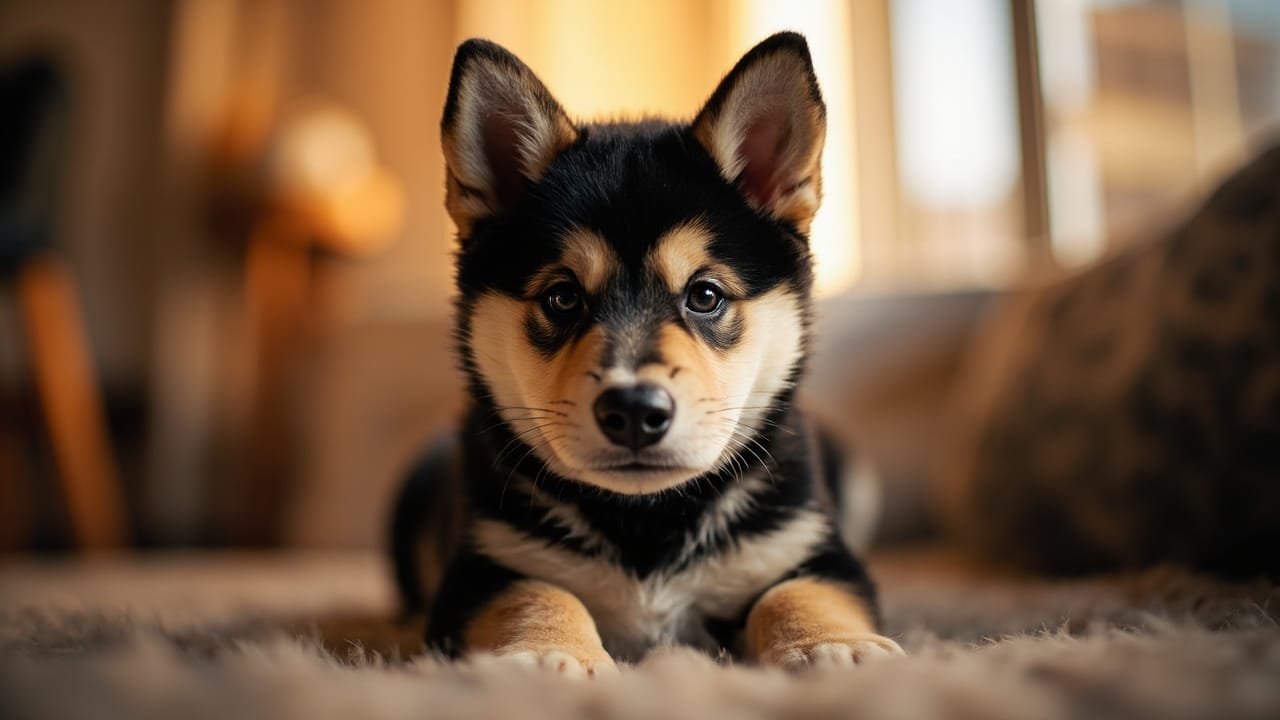
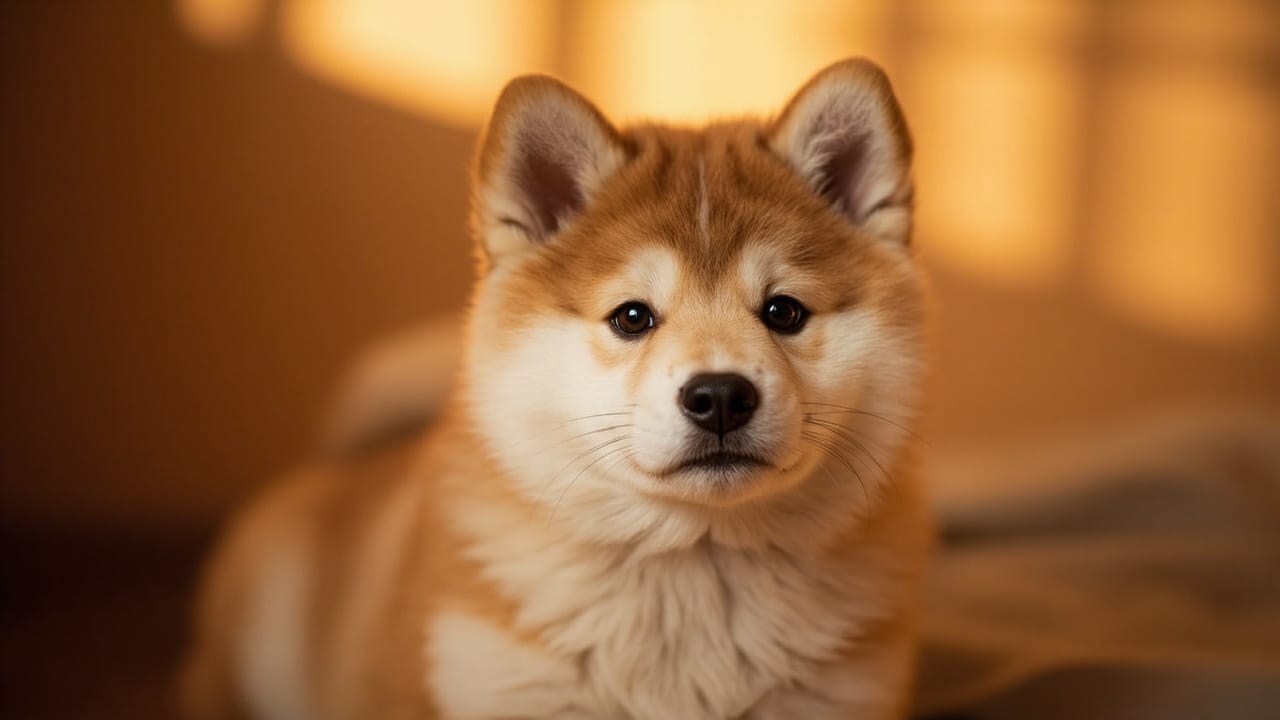
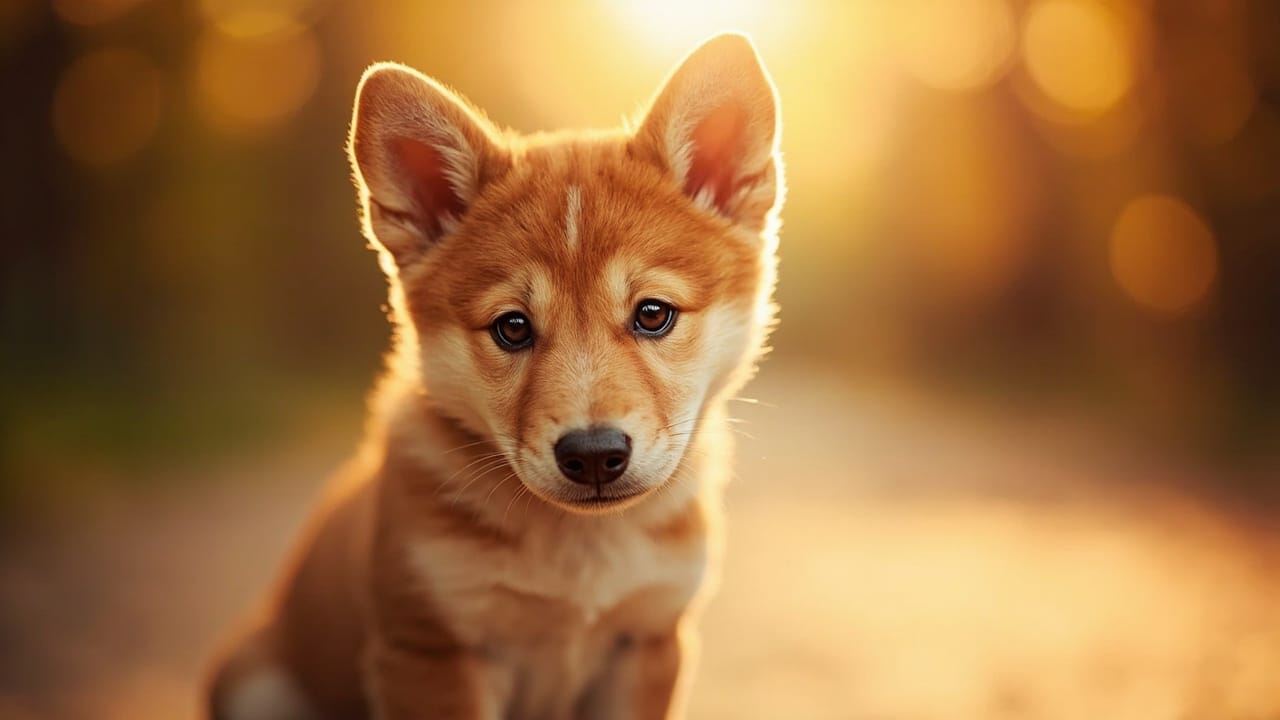
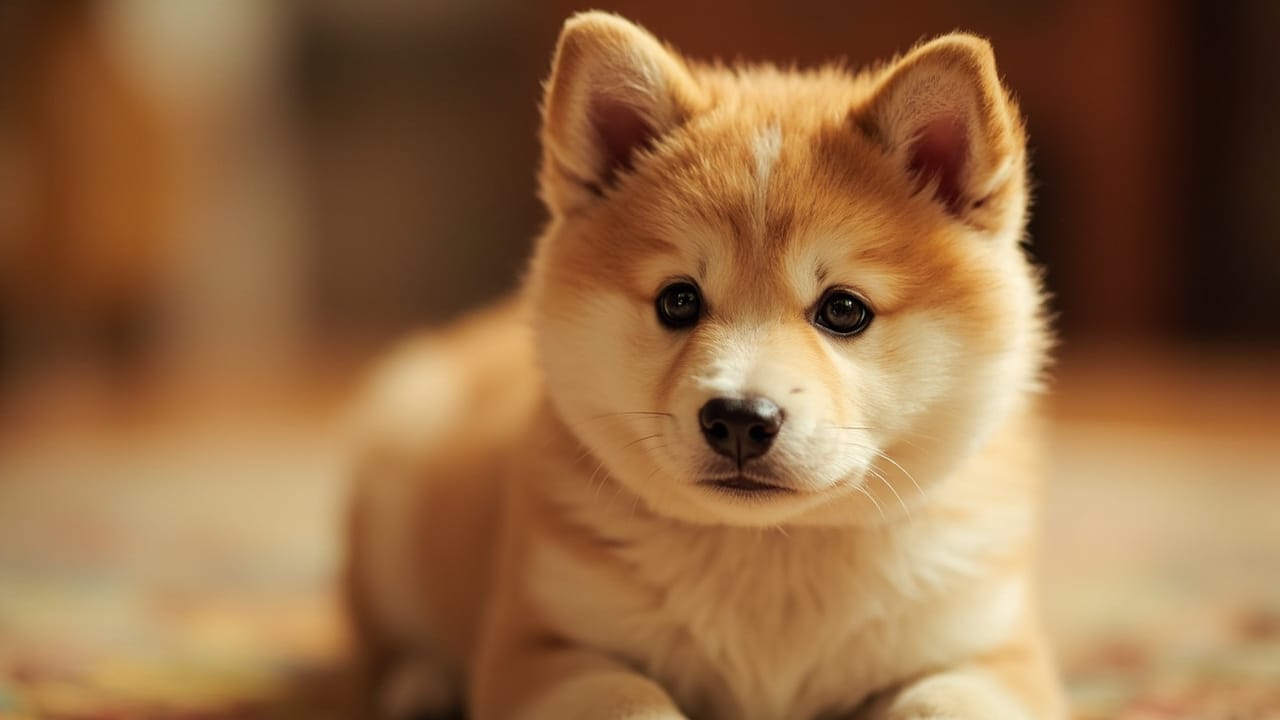
Mame Shiba Diterangkan: Mini Shiba, Bean Shiba, dan Mengapa Ia Kontroversi
Mame Shiba ialah Shiba Inu bersaiz kecil yang dibiak secara terpilih, biasanya 9-14 inci tinggi dan 5-12 paun, jauh lebih kecil daripada piawai baka rasmi. Ia tidak diiktiraf oleh mana-mana kelab kenel utama, kontroversi di kalangan pembiak baka bereputasi, dan dikaitkan dengan risiko kesihatan yang ketara termasuk luxasi patela dan tulang yang rapuh.
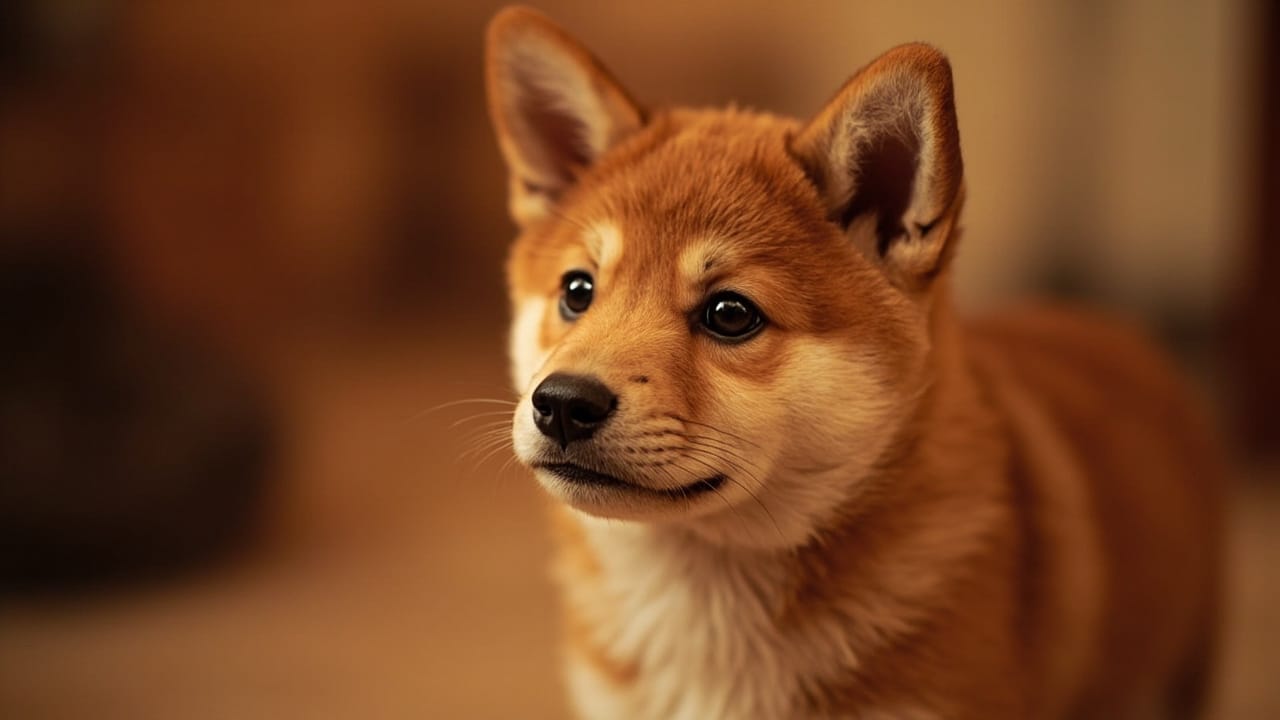
Jika anda pernah melihat gambar Shiba Inu yang sangat kecil yang dilabel "Mame Shiba" atau "mini Shiba" di media sosial dan tertanya-tanya sama ada ia benar, jawapan ringkasnya ialah ini: ia wujud sebagai anjing, tetapi ia bukan variasi baka yang sah. Mame Shiba (豆柴, secara harfiah "bean Shiba") ialah Shiba Inu yang dibiak untuk menjadi jauh lebih kecil daripada piawai, biasanya 9-14 inci pada bahu dan 5-12 paun, manakala Shiba yang dibiak dengan betul ialah yang terkecil daripada enam baka spitz asli Jepun pada 33-43 cm (kira-kira 13-17 inci) dan 8-10 kg. Di luar Jepun, tiada kelab kenel utama mengiktiraf Mame Shiba, dan ramai pembiak baka beretika menganggap trend ini memudaratkan baka tersebut.
Apa Sebenarnya Maksud "Mame Shiba"
"Mame" (豆) bermaksud "kacang" dan ia bahasa slanga Jepun untuk "sangat kecil." Istilah ini dipopularkan di Jepun pada tahun 2000-an untuk menggambarkan Shiba Inus yang dibiak jauh di bawah piawai saiz NIPPO dan AKC. Di Jepun, sesetengah pembiak baka menggunakan istilah ini secara lebih longgar untuk bermaksud "di hujung bawah piawai," tetapi di peringkat antarabangsa ia hampir selalu merujuk kepada anjing yang sengaja dikecilkan.
Tiada daftar baka berasingan, tiada piawai bersatu, dan tiada badan pentadbir untuk Mame Shiba. Ia hanyalah label pemasaran yang digunakan pada anak anjing paling kecil (runts), spesimen yang terlalu kecil, atau hasil pencampuran baka yang lebih kecil ke dalam garis darah.
Bagaimana Mame Shibas Dihasilkan
Pembiak baka Shiba yang bereputasi yang menghasilkan anjing bersaiz "mame" atau "mini" biasanya melakukannya melalui salah satu daripada tiga kaedah, yang tiada satu pun disokong oleh kelab induk:
- Membiak runts dengan runts: Memilih anak anjing paling kecil daripada setiap generasi dan memadankannya. Lama kelamaan, garis darah menjadi stabil lebih kecil, tetapi kepelbagaian genetik mengecil.
- Outcrossing dengan anjing spitz yang lebih kecil: Beberapa pembiak baka yang tidak beretika telah memperkenalkan garis Pomeranian atau Spitz kecil untuk mengecilkan saiz dengan cepat, yang menghasilkan anak anjing yang kelihatan seperti Shiba tetapi bukan baka tulen.
- Memilih gen kekerdilan (dwarfism): Sesetengah garis darah membawa bentuk chondrodysplasia atau kekerdilan pituitari. Anjing yang membawa gen ini selalunya sangat kecil tetapi kerap mengalami masalah ortopedik dan endokrin yang serius.
Shiba yang dibiak dengan baik dari perinduk biasa akan mempunyai berat 8-10 kg semasa dewasa. Jika seorang pembiak baka secara konsisten menghasilkan anjing dewasa 4-5 kg, terdapat sesuatu yang sedang dibiak secara terpilih yang bukan Shiba standard.
Risiko Kesihatan Mame Shibas
Oleh kerana pengecilan saiz menyusun kad genetik menentang anjing, Mame Shibas berisiko lebih tinggi untuk beberapa keadaan:
- Luxating patella: Tempurung lutut tergelincir dari tempatnya, sangat biasa dalam baka toy dan mini.
- Masalah pinggul dan sendi: Struktur tulang yang lebih kecil dengan organ bersaiz standard boleh menyebabkan salah jajaran dan arthritis awal.
- Hipoglisemia dan badan yang rapuh: Anjing kecil sangat cepat merosot jika terlepas waktu makan.
- Kesesakan gigi: Gigi dewasa yang padat dalam rahang kecil menyebabkan kesakitan dan jangkitan.
- Masalah jantung dan hati: Terutamanya pada anjing dari garis darah kekerdilan pituitari.
- Jangka hayat lebih pendek: Shiba Inus standard secara rutin hidup 13-16 tahun. Garis darah mini sering hidup 10-13 tahun, kadangkala kurang.
Pembiak baka yang bereputasi menjalankan ujian kesihatan yang disyorkan CHIC: OFA hips, OFA patella, dan pemeriksaan mata CAER. Ramai pembiak baka Mame Shiba melangkau ujian ini kerana anjing mereka tidak boleh lulus atau kerana ibu bapa tidak pernah dinilai.
Harga dan Dari Mana Datangnya
Di AS, Mame Shiba biasanya berharga $2,500-$6,000, selalunya lebih daripada Shiba standard yang dibiak dengan baik daripada pembiak baka garis juara (yang berharga $1,400-$2,500 untuk kualiti haiwan peliharaan, $3,500-$5,000+ untuk tunjuk). Premium ini wujud kerana tanggapan novelty dan permintaan tinggi, bukan kerana pembiakan yang unggul.
Kebanyakan penjual Mame Shiba beroperasi dalam talian, menghantar anak anjing, dan jarang menjadi ahli National Shiba Club of America (NSCA) atau mengikuti kod etikanya. Ramai yang mengiklankan di Instagram, TikTok, dan pasaran anak anjing umum dan bukannya melalui rujukan kelab baka.
Patutkah Anda Membelinya?
Jika matlamat anda ialah teman yang sihat dan berumur panjang dengan temperament Shiba klasik, anda lebih baik membeli Shiba bersaiz standard daripada pembiak baka yang menjalankan ujian kesihatan, menjuaraikan anjing, dan merupakan ahli NSCA atau kelab Shiba antarabangsa yang diiktiraf. Anda akan membayar kurang, mendapat anjing yang lebih sihat, dan mengelakkan diri daripada menyokong pasaran yang mengeksploitasi populariti baka untuk keuntungan.
Jika anda specifically mahukan anjing yang lebih kecil, pertimbangkan Shiba dari garis darah yang menghasilkan saiz di hujung bawah piawai secara semula jadi (betina terutamanya lebih kecil, selalunya sekitar 8 kg). Bercakap dengan pembiak baka dengan jujur tentang pilihan saiz, dan pilih yang anjing terkecilnya masih dalam julat 33-41 cm untuk betina atau 35-43 cm untuk jantan.
Shiba Inu standard sudah pun anjing yang kecil, padat, dan mesra apartmen. Kebanyakan pemilik yang mahukan "mini Shiba" terkejut apabila mengetahui betapa mudah diurusnya Shiba bersaiz penuh yang dibiak dengan betul sebenarnya.
Kesimpulan
Mame Shiba ialah anjing sebenar, tetapi ia bukan variasi yang diiktiraf, baka berasingan, atau alternatif yang lebih sihat. Ia adalah Shiba bersaiz kecil yang dibiak secara terpilih atau dioutcross yang sering datang dengan beban kesihatan yang serius dan tanda harga yang lebih tinggi. Pembiak baka Shiba yang sah, NSCA, NIPPO, dan AKC semuanya menganggap Mame Shiba sebagai di luar piawai. Belilah hanya dengan kesedaran penuh tentang pertukaran genetik dan etika, dan idealnya selamatkanlah Shiba standard yang memerlukan bantuan sebaliknya.
Soalan Lazim
How big is a Mame Shiba? A: Mame Shiba biasanya 9-14 inci tinggi pada bahu dan 5-12 paun, jauh di bawah saiz Shiba standard iaitu 33-43 cm (13-17 inci) dan 8-10 kg.
Is a Mame Shiba a different breed? A: Tidak. Mame Shiba tidak diiktiraf sebagai baka berasingan oleh AKC, NIPPO, atau mana-mana kelab kenel utama. Ia adalah penunjuk saiz yang digunakan pada Shiba Inus yang terlalu kecil atau sengaja dikecilkan.
How much does a Mame Shiba cost in the US? A: Kebanyakan Mame Shibas dijual pada harga $2,500-$6,000, selalunya lebih daripada Shiba standard yang dibiak dengan baik daripada pembiak baka bereputasi.
Are Mame Shibas healthy? A: Mereka berisiko lebih tinggi untuk luxasi patela, masalah sendi, hipoglisemia, kesesakan gigi, dan jangka hayat lebih pendek berbanding Shiba Inus standard, yang sering hidup 13-16 tahun.
What is a healthy alternative to a Mame Shiba? A: Shiba Inu standard daripada pembiak baka ahli NSCA yang menjalankan ujian OFA hips, OFA patella, dan CAER eye exams, terutamanya betina, yang secara semula jadi berada di hujung bawah piawai.