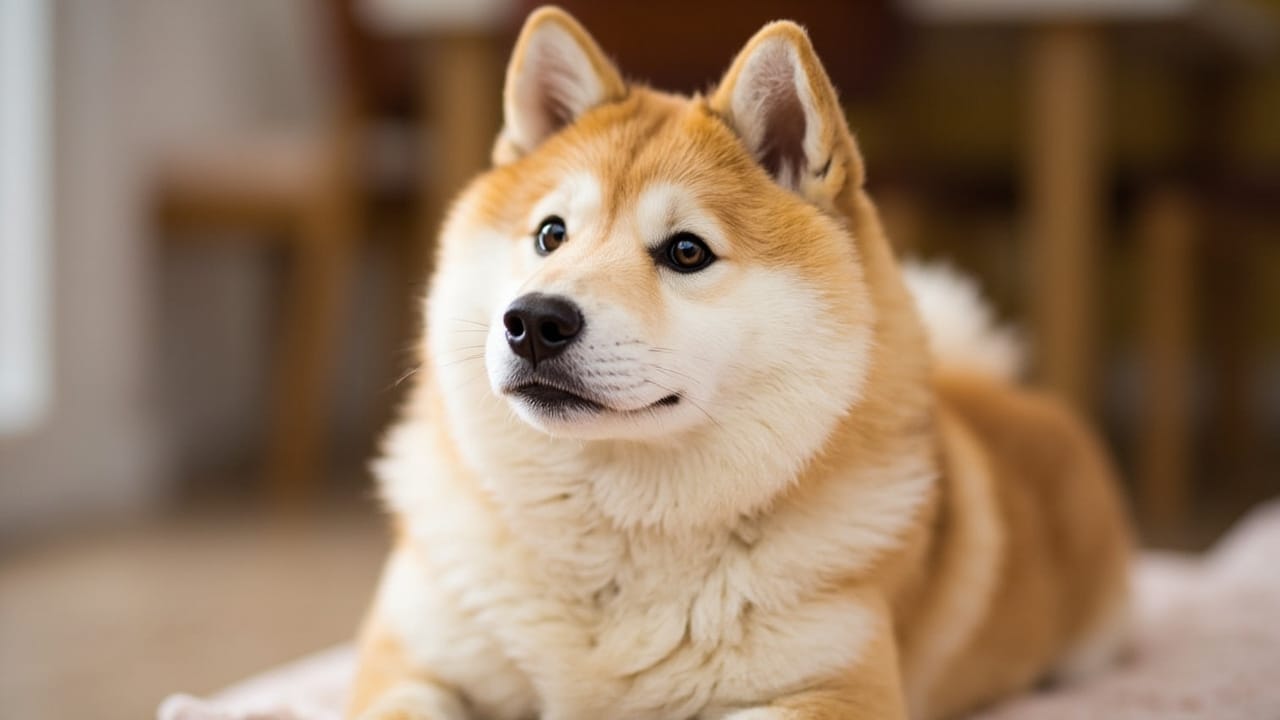
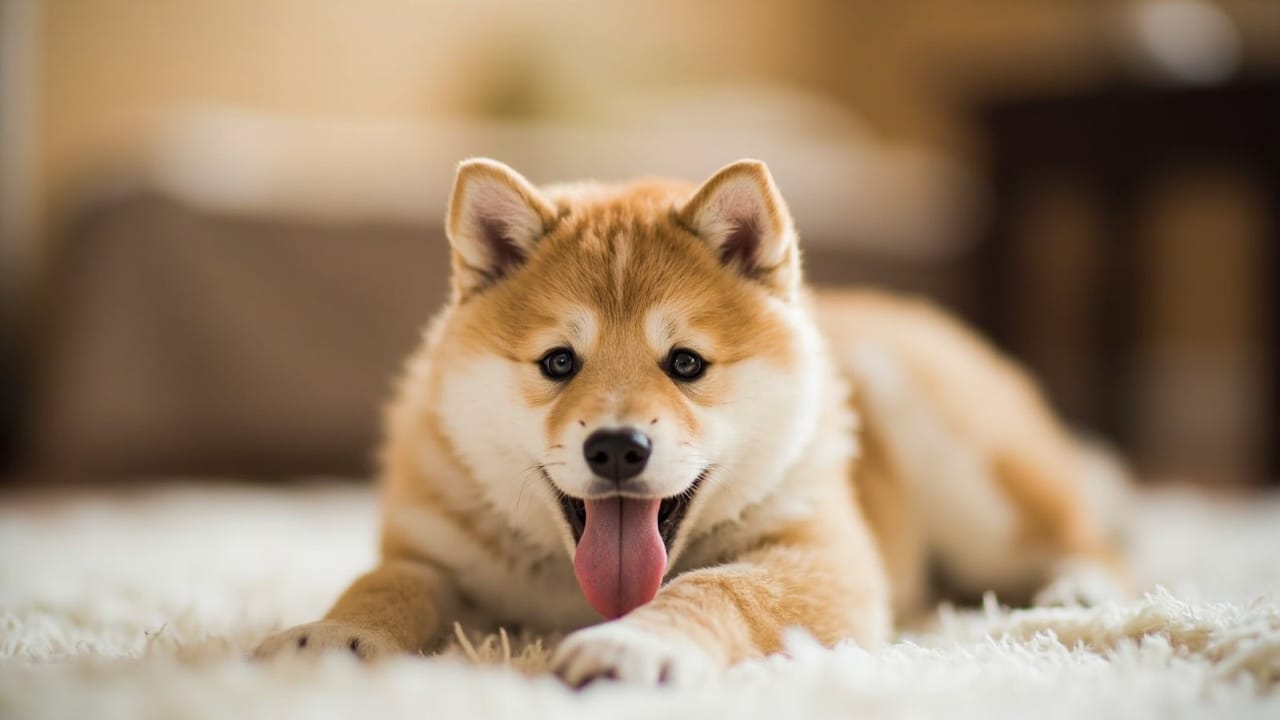
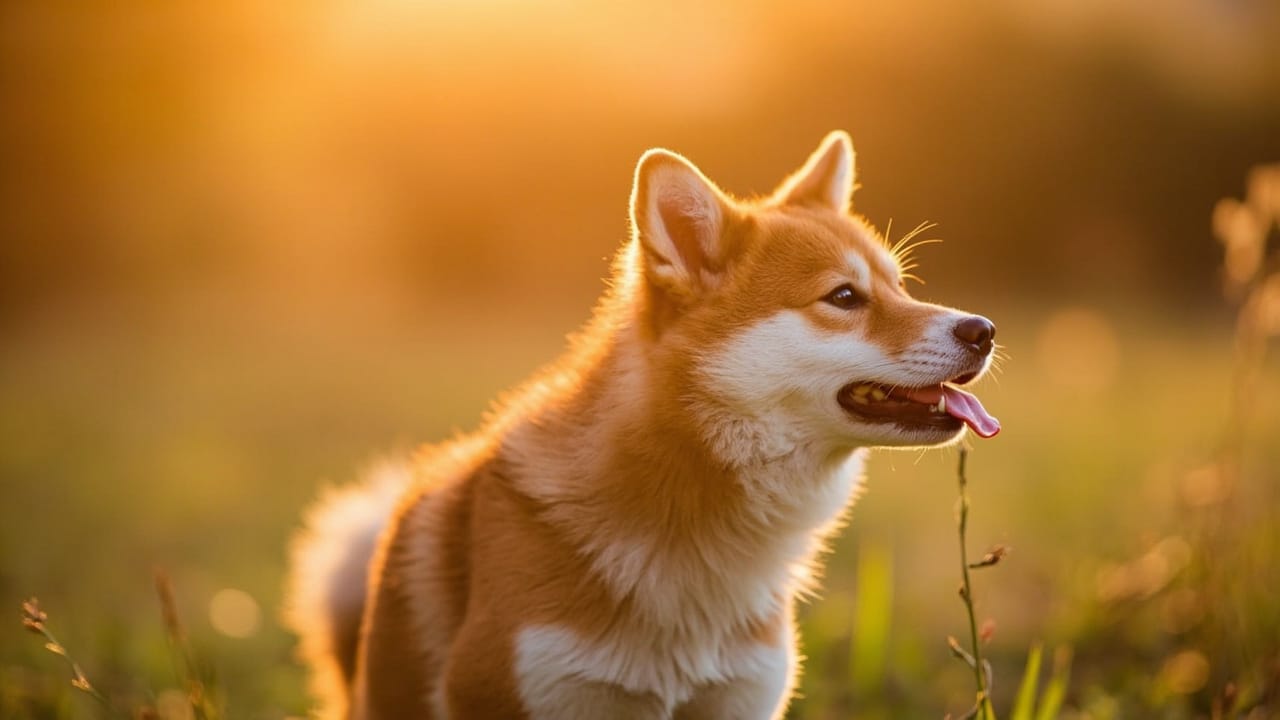
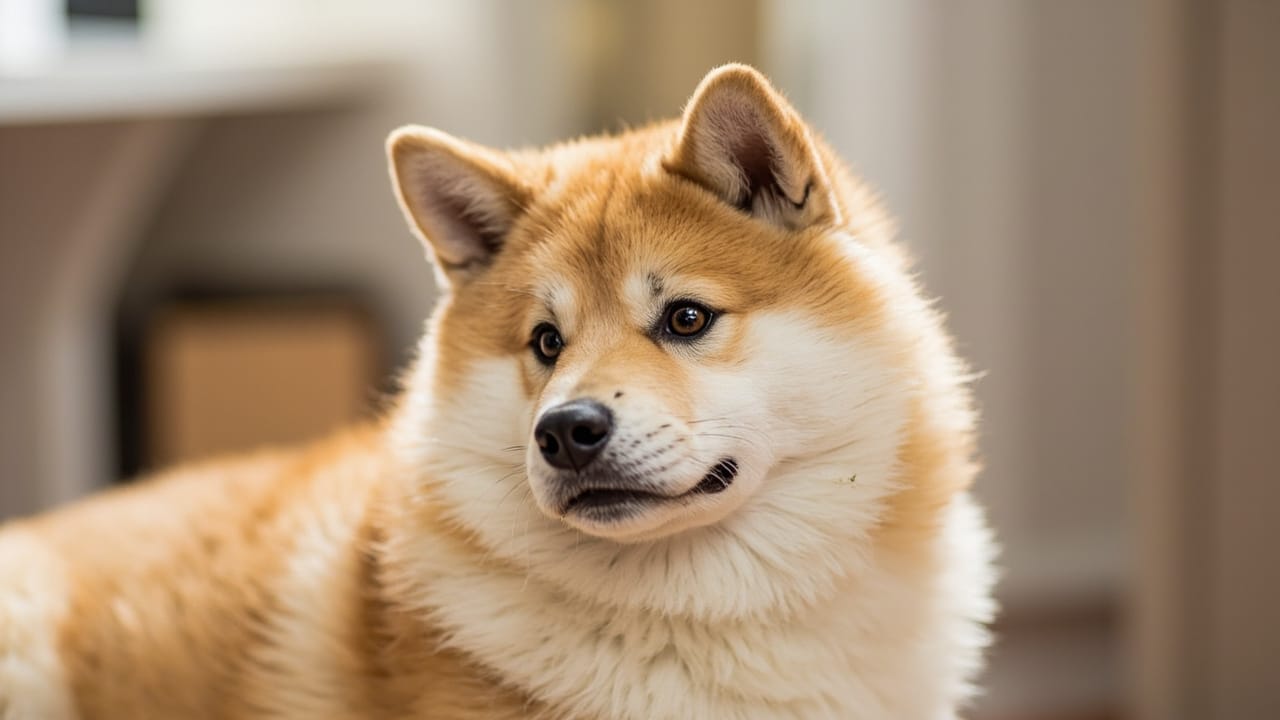
Mengapa Shiba Inu Saya Benci Mandi? Sebab Sebenar Dijelaskan
Shiba Inus benci mandi kerana mereka adalah baka primitif yang membersihkan diri sendiri dan berevolusi untuk mengelakkan air, ditambah dengan temperamen yang sensitif dan berdikari yang menganggap pengendalian paksa sebagai ancaman. Memandikan mereka menanggalkan minyak semula jadi, mencetuskan sistem amaran dorongan mangsa yang kuat, dan sering berkait dengan pengalaman negatif berkaitan air. Kesabaran, kaedah latihan positif, dan mengurangkan mandi penuh adalah penyelesaiannya.

Shiba Inu anda benci mandi kerana temperamen purba "anjing berus" baka ini tidak dibentuk untuk air. Shiba adalah anjing spitz primitif yang teliti dan membersihkan diri sendiri, mempunyai bulu ganda yang kering dan tahan air yang berevolusi untuk menolak kelembapan dan memerangkap kehangatan. Rendamkan bulu tersebut dan anda serentak menanggalkan minyak pelindung, membasahi lapisan penebat padat yang mengambil masa berjam-jam untuk kering, dan memaksa baka yang terkenal berdikari dan tidak suka disentuh ke posisi terdedah di atas permukaan licin. Bagi Shiba, mandi terasa seperti ancaman, bukan spa.
Memahami mengapa mencetuskan kekecohan itu adalah langkah pertama untuk membetulkannya. Berikut adalah pemandu temperamen dan sejarah baka di sebalik kebencian terhadap mandi, diikuti dengan penyelesaian praktikal.
1. Temperamen Spitz Primitif: Jangan Sentuh Bulu Saya
Shiba berasal dari anjing pemburu tertua di Jepun dan mengekalkan sifat primitif seperti serigala:冷漠、ketegasan, naluri pemeliharaan diri yang kuat, dan toleransi yang rendah terhadap sekatan paksa. Mandi memerlukan diangkat, dibawa, diletakkan ke dalam tab, direndam, digosok, dan dipegang di tempatnya sementara air dan bahan kimia mengalir ke muka dan telinga. Untuk baka yang tidak suka digosok perutnya oleh orang asing, urutan tersebut adalah beban deria dan psikologi.
Gabungkan itu dengan "jeritan Shiba" yang terkenal — lolongan mengerikan yang meletup apabila Shiba merasa terperangkap, takut, atau hanya sedikit terganggu — dan anda mempunyai anjing yang akan menyuarakan, meronta, dan mengingati pengalaman itu dengan jelas.
2. Bulu yang Membersihkan Diri: Mereka Benar-Benar Tidak Perlukan Mandi
Shiba terkenal bersih seperti kucing. Mereka:
- Membersihkan diri beberapa kali sehari
- Mengelakkan lopak, lumpur, dan hujan apabila boleh
- Mempunyai bulu pelindung yang kasar dan lurus yang mudah menanggalkan kotoran
- Kekal bersih dengan luar biasa antara tempoh penumpahan bulu bermusim
Memandikan terlalu kerap sebenarnya membahayakan bulu dengan menanggalkan minyak semula jadi yang menjadikannya tahan cuaca dan bebas bau. Shiba yang terlalu kerap dimandikan sering berbau lebih busuk, mendapat kulit bersisik, dan membangunkan dermatitis atopik — salah satu masalah kesihatan Shiba yang paling biasa. Kebanyakan Shiba dewasa hanya memerlukan mandi penuh setiap 6–10 minggu, dan ada yang baik dengan hanya 2–3 kali mandi setahun.
3. "Shiba 500" + Lantai Licin = Panik
Tab basah adalah landasan pelancar. Shiba sudah panik semasa lawatan doktor haiwan yang tertekan dan potong kuku, dan permukaan porselin atau akrilik yang licin menguatkan ketakutan. Naluri mereka adalah untuk melarikan diri. Inilah saat ramai pemilik gambarkan sebagai "Shiba 500 di dalam tab" — ronta kencang, melompat, menggigit muncung semburan, dan cuba memanjat dinding.
Kaki belakang mereka yang berkuasa (dibina untuk pergunungan) boleh dengan mudah melancarkan anjing 10 kg keluar dari tab standard, berisiko mencederakan anjing dan pemilik.
4. Dorongan Mangsa yang Kuat Bertemu Bunyi Air yang Kuat
Pili mandi, pemancar air, dan air yang mengalir menghasilkan bunyi tiba-tiba dan nyaring yang mengenai sistem amaran dorongan mangsa Shiba. Digabungkan dengan pergerakan visual air yang menyembur, ini mencetuskan refleks terkejut yang ditafsirkan oleh baka itu sebagai bahaya. Kebanyakan pemilik Shiba melaporkan anjing mereka minum dengan gembira dari bekas air yang tenang tetapi panik di bawah kepala pancuran.
5. Latihan, Bukan Baka — Tetapi Baka Menyukarkan
Mana-mana anjing boleh dilatih untuk menerima mandi dengan peneguhan positif. Shiba boleh belajar untuk mentolerir mandi, tetapi sikap berdikari mereka yang bersifat "apa untungnya saya?" bermakna tetingkap latihan adalah lebih sempit. Sesi mesti pendek, berasaskan ganjaran, dan tidak pernah dipaksa. Satu pengalaman buruk pada usia 12 minggu boleh menetapkan kebencian mandi seumur hidup.
Cara Memudahkan Masa Mandi
- Langkau mandi penuh apabila boleh. Bersihkan setempat dengan tisu anjing, syampu kering, atau tuala microfiber lembap antara mandi penuh.
- Gunakan tikar tidak licin di setiap permukaan mandi — tab, sinki, atau besin luar.
- Letakkan hadiah di atas tikar jilat yang disapu dengan mentega kacang atau makanan basah dilekatkan pada dinding pada paras hidung.
- Gunakan air suam (bukan panas) dengan muncung semburan bertekanan rendah dan senyap.
- Langkau muka dan telinga. Lap dengan kain lembap dan bukannya menyembur.
- Keringkan dengan teliti menggunakan pengering berkelajuan tinggi dan bukan pengering rambut manusia yang bising; bulu ganda padat Shiba memegang air selama berjam-jam dan boleh membangunkan hot spot jika dibiarkan lembap.
- Beri ganjaran di atas lantai selepas itu — jangan sekali-kali tamatkan mandi di dalam tab.
Jika masa mandi kerap melibatkan pertumpahan darah, jururawat bergerak atau salon dandanan bebas-sedasi yang berpengalaman dengan baka primitif bernilai setiap sen.
Apabila Mandi Diperlukan Secara Perubatan
Jika Shiga anda berguling dalam sesuatu yang toksik, mempunyai jangkitan kulit, atau sedang dirawat untuk dermatitis atopik atau serangan kutu, mandi adalah wajib. Hubungi doktor haiwan anda untuk kursus pendek ubat anti-kebimbangan seperti gabapentin atau trazodone untuk menjadikan acara itu lebih selamat untuk semua orang — mandi bermedikasi tidak berkesan jika anjing itu tertekan tahap gila.
Shiba tidak akan pernah menyukai mandi seperti Labrador, tetapi dengan latihan pintar dan kekerapan minimum, masa mandi boleh menjadi acara lima minit yang boleh ditoleransi dan bukannya peperangan bulanan.
Bacaan berkaitan di portal Shiba Inu: Shiba Inu Coat 101: Memahami Bulu Ganda, Jeritan Shiba: Mengapa Anjing Anda Kedengaran Seperti Sedang Mati, Dermatitis Atopik pada Shiba Inu: Gejala dan Rawatan.
7–10 FAQ (skema JSON akan mengumpulnya secara berasingan)
FAQ
Berapa kerap saya perlu memandikan Shiba Inu saya?
Setiap 6–10 minggu untuk kebanyakan orang dewasa, dan ramai yang baik dengan hanya 2–3 kali mandi penuh setahun. Shiba membersihkan diri sendiri dan mandi berlebihan menanggalkan minyak pelindung mereka, sering memburukkan masalah kulit seperti dermatitis atopik.
Boleh saya melatih Shiba Inu saya untuk suka mandi?
Ya, dengan sesi peneguhan positif yang pendek bermula dari usia anak anjing. Gunakan tikar tidak licin, tikar jilat dengan mentega kacang, air suam bertekanan rendah, dan jangan sekali-kali membasahi muka atau telinga. Temperamen berdikari mereka menjadikan latihan lebih sukar berbanding Labrador atau Golden, tetapi konsistensi berkesan.
Mengapa Shiba saya menjerit semasa mandi?
Itulah "jeritan Shiba" yang terkenal, penyuaraan nyaring yang dicetuskan apabila baka itu merasa terperangkap, takut, atau disekat. Mandi menggabungkan sekatan, permukaan licin, bunyi air, dan pengendalian paksa — semua pencetus tekanan Shiba yang biasa.
Patut saya menggunakan jururawat profesional untuk Shiba saya?
Kebanyakan pemilik Shiba lebih baik dengan jururawat yang berpengalaman dengan baka primitif atau spitz, atau jururawat bergerak yang bekerja secara satu-satu dalam persekitaran yang tenang. Dandanan penuh setiap 8–12 minggu ditambah pemberusan harian semasa penumpahan bulu adalah rutin biasa.