Mengapa Shiba Inu Saya Mempunyai Nafas Busuk? Punca, Penyelesaian, dan Bilanya Perlu Khuatir
Nafas busuk pada Shiba Inus paling kerap disebabkan oleh penyakit gigi — pembentukan karang gigi, radang gusi, atau jangkitan periodontal — tetapi ia juga boleh menandakan masalah pencernaan, masalah buah pinggang atau hati, atau sekadar diet yang salah. Jika baunya tiba-tiba, luar biasa busuk, atau disertai dengan air liur meleleh, muntah, atau hilang selera makan, bawa anjing anda ke doktor haiwan dalam masa 24-48 jam.
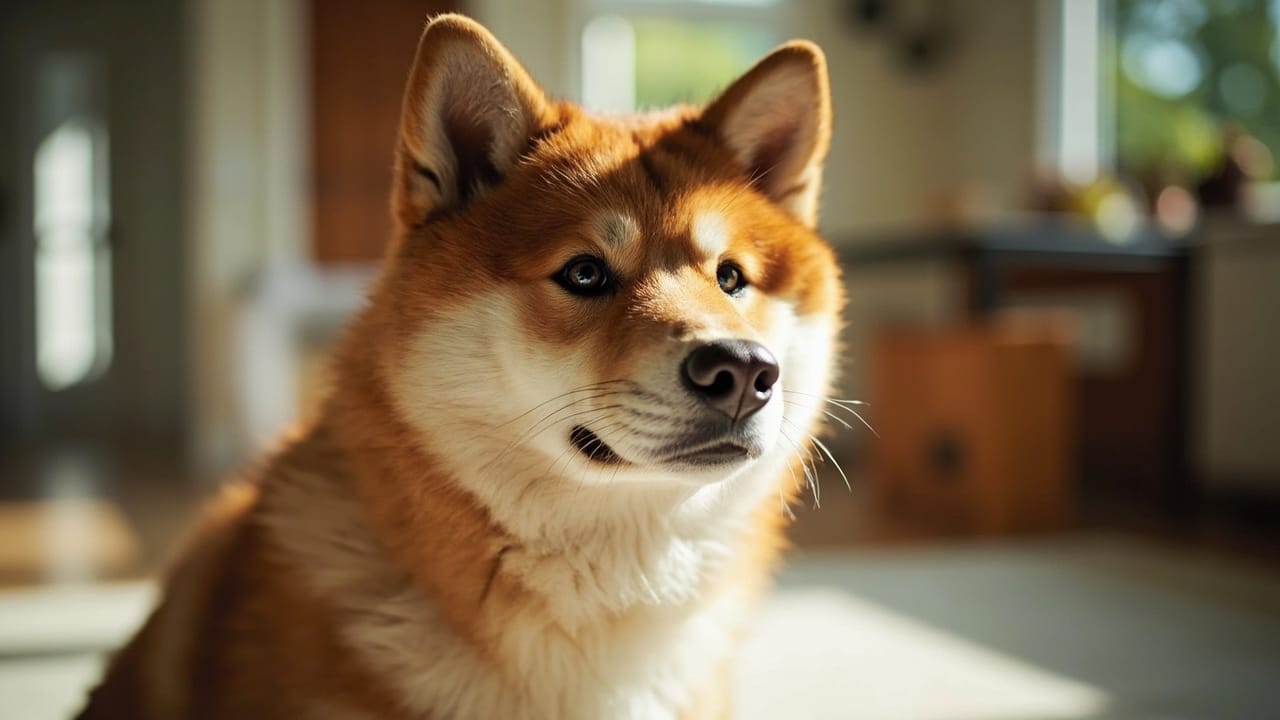
Nafas busuk pada Shiba Inu merupakan salah satu masalah kesihatan yang paling biasa — dan paling mudah diatasi — yang dilaporkan oleh pemilik. Dalam kebanyakan kes, puncanya berada betul-betul di dalam mulut anjing anda: plak, karang gigi, dan bakteria yang memakannya. Shiba secara genetik tidak lebih terdedah kepada penyakit gigi berbanding baka lain, tetapi gigi mereka yang kecil dan rapat (terutama geraham kecil) memerangkap makanan dan karang gigi dengan cepat, dan ramai pemilik mengabaikan penjagaan gigi sehingga nafas menjadi sukar diabaikan.
Punca #1: Penyakit Gigi
Pada usia tiga tahun, dianggarkan 80% anjing mempunyai beberapa bentuk penyakit periodontal, dan Shiba termasuk sepenuhnya dalam statistik ini. Perkembangannya adalah seperti berikut:
- Plak terbentuk dalam beberapa jam selepas makan — filem bakteria yang lembut dan tidak berwarna.
- Karang gigi (kalkulus) mengeras pada gigi dalam masa 3-5 hari, terutamanya berhampiran garis gusi.
- Radang gusi berkembang apabila bakteria menyebabkan keradangan pada gusi — anda akan melihat kemerahan, bengkak, dan nafas berbau ikan atau logam yang menjadi petanda jelas.
- Periodontitis menyusul: pengecutan gusi, kerosakan akar gigi, kehilangan tulang, dan kesakitan. Nafas menjadi jelas busuk.
- Abses akar gigi dan fistula oral-nasal boleh berkembang dalam kes lanjutan.
Memberus gigi setiap hari dengan ubat gigi enzim yang selamat untuk anjing adalah piawaian emas. Sasarkan 3-4 kali seminggu sebagai minimum. Kunyah gigi anjing, bahan tambahan air, dan diet berasaskan kibble membantu tetapi tidak pernah menggantikan memberus gigi. Pembersihan veterinar profesional di bawah bius — biasanya $300-$700 — diperlukan apabila karang gigi telah mengeras, dan kebanyakan Shiba dewasa memerlukan satu setiap 1-2 tahun.
Punca Berkaitan Diet
Apa yang Shiba anda makan secara langsung menjejaskan bau nafas. Punca biasa termasuk:
- Kibble berkualiti rendah yang tinggi dengan kanji dan pengisi yang memberi makan bakteria mulut.
- Sisa meja, terutamanya ikan, hati, atau protein berperisa kuat.
- Coprophagia (makan najis) — Shiba terkenal dengan tabiat ini. Bersihkan halaman dengan segera.
- Mengorek sampah — Shiba adalah seniman pelarian dengan dorongan mangsa yang kuat; mereka akan merompak benda yang tidak sepatutnya.
Beralih kepada diet tinggi protein, rendah karbohidrat dan menggunakan mangkuk keluli tahan karat (plastik menyimpan bakteria) selalunya meningkatkan nafas dalam masa 2-3 minggu.
Punca Perubatan Melepasi Mulut
Jika gigi dan gusi Shiba anda kelihatan bersih tetapi nafas masih busuk, punca dalaman berkemungkinan besar:
- Penyakit buah pinggang — nafas berbau seperti air kencing atau ammonia. Biasa pada Shiba senior (usia 10+).
- Penyakit hati — nafas berbau manis, pengap, atau seperti najis, sering disertai dengan gusi menguning.
- Diabetes — bau aseton atau manis yang berbuah menandakan ketoasidosis diabetes, satu kecemasan.
- Masalah gastrousus — refluks asid, halangan objek asing, atau gastritis kronik boleh menghasilkan nafas masam atau masam seperti susu.
- Tumor oral — lebih biasa pada anjing yang lebih tua; perhatikan asimetri, benjolan, atau sebelah mulut yang berbau lebih teruk.
Bilanya Perlu Jumpa Doktor Haiwan Dengan Segera
Jadualkan janji temu segera jika nafas busuk muncul secara tiba-tiba atau disertai dengan:
- Air liur meleleh atau mengais mulut
- Menjatuhkan makanan, mengunyah sebelah, atau menolak kibble keras
- Muntah, lesu, atau hilang selera makan
- Air liur berdarah atau gusi jelas bengkak
- Bau manis, seperti air kencing, atau luar biasa busuk
Pencegahan: Rutin Khusus Shiba
Oleh kerana Shiba bersifat bebas dan sering menolak pengendalian, mulakan penjagaan gigi awal — 8-12 minggu adalah ideal. Pasangkan memberus gigi dengan hidangan bernilai tinggi. Gunakan berus jari dahulu, kemudian naik taraf kepada berus gigi anjing berbulu lembut. Kelab baka Kanada dan kebanyakan penternak sejajar NIPPO mengesyorkan pemeriksaan mulut mingguan sebagai sebahagian daripada dandanan.
Tambah kunyah khusus gigi pada rutin anda (cari produk yang diluluskan VOHC). Berus bulu dua kali setahun semasa salutan bermusim — Shiba dengan bulu kusut berhampiran mulut menyimpan bakteria. Dan jangan langkau pemeriksaan doktor haiwan tahunan: pemeriksaan oral yang cepat mengesan kebanyakan isu sebelum ia menjadi teruk.
Kesimpulan: nafas Shiba yang busuk hampir selalu boleh dirawat. Berus gigi, naik taraf diet, dan jumpa doktor haiwan jika ada apa-apa yang tidak kena. Jangka hayat Shiba anda yang 13-16 tahun sangat bergantung pada kesihatan gigi — ia adalah punca paling boleh cegah bagi jangkitan kronik dan kerosakan organ dalam baka ini.
Soalan Lazim
Apakah maksudnya jika nafas Shiba saya berbau seperti ikan?
Nafas berbau ikan hampir selalu menandakan penyakit gigi — plak dan karang gigi menyimpan bakteria anaerob yang membebaskan sebatian sulfur berbau seperti ikan busuk. Jadualkan pemeriksaan gigi doktor haiwan dalam minggu hadapan.
Bolehkah nafas busuk pada Shiba Inus menjadi petanda sesuatu yang serius?
Ya. Penyakit buah pinggang (bau air kencing/ammonia), penyakit hati (bau manis/pengap), dan ketoasidosis diabetes (bau berbuah) semua menunjukkan melalui perubahan nafas. Permulaan tiba-tiba dengan gejala lain memerlukan lawatan doktor haiwan dalam masa 24 jam.
Berapa kerap saya perlu memberus gigi Shiba Inu saya?
Setiap hari adalah ideal. Tiga hingga empat kali seminggu adalah minimum yang realistik untuk mencegah pembentukan karang gigi. Anak anjing paling bertoleransi jika anda mula antara 8-12 minggu.
Adakah kunyah gigi sebenarnya berkesan untuk Shiba?
Kunyah gigi yang diluluskan VOHC mengurangkan plak sebanyak 20-40% tetapi tidak dapat menggantikan memberus gigi. Ia paling berkesan sebagai suplemen — dan jangan berikan kunyah yang lebih keras daripada enamel gigi Shiba anda (elakkan antler, kuku, dan tulang nilon keras).
FAQ
Apakah maksudnya jika nafas Shiba saya berbau seperti ikan?
Nafas berbau ikan hampir selalu menandakan penyakit gigi — plak dan karang gigi menyimpan bakteria anaerob yang membebaskan sebatian sulfur berbau seperti ikan busuk. Jadualkan pemeriksaan gigi doktor haiwan dalam minggu hadapan.
Bolehkah nafas busuk pada Shiba Inus menjadi petanda sesuatu yang serius?
Ya. Penyakit buah pinggang (bau air kencing atau ammonia), penyakit hati (bau manis atau pengap), dan ketoasidosis diabetes (bau berbuah) semua menunjukkan melalui perubahan nafas. Permulaan tiba-tiba dengan gejala lain memerlukan lawatan doktor haiwan dalam masa 24 jam.
Berapa kerap saya perlu memberus gigi Shiba Inu saya?
Setiap hari adalah ideal. Tiga hingga empat kali seminggu adalah minimum yang realistik untuk mencegah pembentukan karang gigi. Anak anjing paling bertoleransi jika anda mula antara 8-12 minggu.
Adakah kunyah gigi sebenarnya berkesan untuk Shiba?
Kunyah gigi yang diluluskan VOHC mengurangkan plak sebanyak 20-40% tetapi tidak dapat menggantikan memberus gigi. Ia paling berkesan sebagai suplemen — dan jangan berikan kunyah yang lebih keras daripada enamel gigi Shiba anda.
⚕️ This article is researched from the AKC and NIPPO breed standards, OFA/CHIC health data and veterinary sources. It is for general information only and is not a substitute for advice from your own veterinarian.