Een betrouwbare Shiba Inu-fokker vinden in Nederland
Een betrouwbare Nederlandse Shiba Inu-fokker is aangesloten bij een erkende kennelclub zoals de Raad van Beheer, voert gezondheidsonderzoeken uit (OFA-heupen, patella's, CERF/oogonderzoek), laat je bij hen thuis komen en plaatst puppy's met een contract en een terugnamebeleid. Reken op €1.800–€3.000 voor een goed gefokte puppy, met wachtlijsten van 6–18 maanden die normaal zijn.
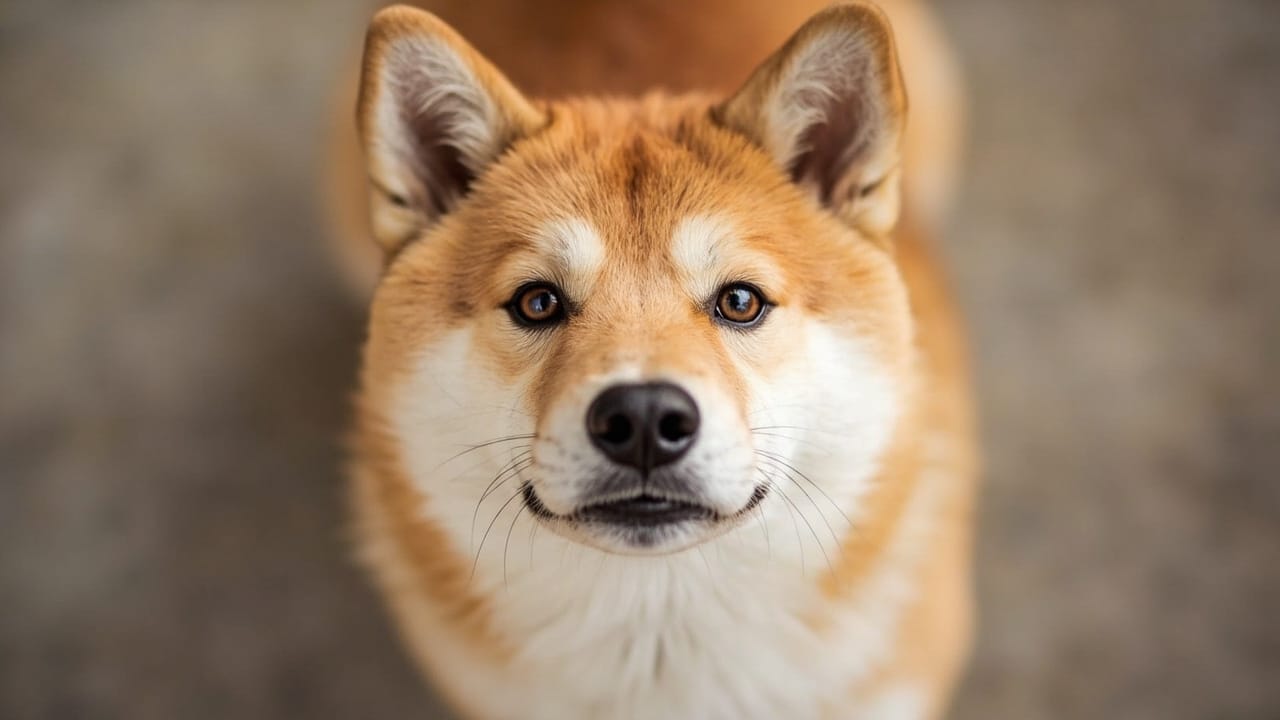
Een gezonde, goed gesocialiseerde Shiba Inu in Nederland vinden begint met het kiezen van een fokker die gezondheid, temperament en rasstandaard boven winst stelt. Omdat de Nederlandse Shiba Inu-populatie klein is, hebben de meeste goede fokkers wachtlijsten, en importeren uit buurlanden is ook gebruikelijk. Hier lees je hoe je verantwoorde fokkers van de rest kunt onderscheiden.
Begin bij officiële registers
Elke betrouwbare Nederlandse fokker is lid van een erkende ras- of kennelclub, wat betekent dat nesten geregistreerd zijn en stambomen generaties lang traceerbaar zijn.
- Raad van Beheer (RvB) – de Nederlandse Kennelclub en de enige instantie die FCI-erkende stambomen in Nederland uitgeeft. Doorzoek hun database naar geregistreerde Shiba Inu-nesten.
- Nippo Nederland – de Nederlandse tak van de Japanse NIPPO-vereniging, toegewijd aan het behoud van het oorspronkelijke Japanse Shiba-type.
- NVOW, EBCU en andere rasverenigingen – handig om ethische fokpraktijken te controleren.
Een fokker die bij geen van deze organisaties is aangesloten is een waarschuwingssignaal, hoe mooi de website er ook uitziet.
Gezondheidsonderzoek is niet onderhandelbaar
Shiba Inu's zijn vatbaar voor verschillende erfelijke aandoeningen, waaronder heupdysplasie, luxerende patella, oogaandoeningen (glaucoom, staar, PRA) en allergieën. Een verantwoordelijke fokker test het fokmateriaal en deelt resultaten openlijk.
Vraag om certificaten of database-uitslagen voor:
- Heupen – gescoord via FCI- of OFA-systeem
- Patella's – graad van luxatie
- Ogen – recent ECVO/CERF-onderzoek (minder dan 12 maanden oud)
- DNA-tests – afhankelijk van de lijnen, voor PRA of andere bekende mutaties
Als een fokker zegt dat testen niet nodig is of geen papieren kan laten zien, loop dan weg.
Bezoek de fokker persoonlijk
Een legitieme fokker zal je op afspraak welkom heten bij hen thuis. Let tijdens het bezoek op:
- Leven de honden binnen in huis, niet in buitenkennels?
- Worden de puppy's in huis grootgebracht met socialisatie aan huishoudelijke geluiden?
- Is de moederhond rustig, vriendelijk en in goede conditie?
- Zijn de puppy's schoon, nieuwsgierig en goed gehanteerd?
De moeder (en idealiter de vader) ontmoeten vertelt je veel over het temperament dat je toekomstige hond waarschijnlijk zal ontwikkelen.
Stel de juiste vragen
Een goede fokker zal jou net zo uitgebreid interviewen als jij hen. Wees voorbereid op vragen over je huis, ervaring, werkschema en plannen met de hond. Stel op je beurt:
- Hoeveel nesten fok je per jaar? (Goede fokkers hebben er meestal maar 1–2)
- Wat is je socialisatieprotocol voor de puppy's?
- Heb je een schriftelijk contract en gezondheidsgarantie?
- Neem je de hond op elke leeftijd terug als ik hem niet meer kan houden?
- Kan ik contact opnemen met enkele van je eerdere pupkopers?
Fokkers die levenslange ondersteuning bieden en hun honden altijd terug zullen nemen, zijn degenen die echt om de honden geven.
Waarschuwingssignalen om te vermijden
Mijd elke verkoper die:
- Puppy's verkoopt die jonger zijn dan 8 weken
- Geen bezoek toestaat of je alleen op een parkeerplaats ontmoet
- Meerdere rassen tegelijk aanbiedt (puppyfabriek-stijl)
- Geen stamboompapieren of gezondheidsgegevens kan overleggen
- Je onder druk zet om een aanbetaling te doen voordat je de puppy hebt gezien
- Constant puppy's beschikbaar heeft zonder wachtlijst
Alternatieve routes in Nederland
Als je openstaat voor oudere honden, herplaatsen rasgerichte rescues af en toe Shiba's. De kosten zijn doorgaans €250–€500 en de hond is meestal gevaccineerd, gechipt en beoordeeld. De Nederlandse Shiba Inu-gemeenschap op sociale media helpt ook eigenaren te koppelen aan betrouwbare fokkers en kondigt aankomende nesten aan.
Reken op een wachttijd. Een goed gefokte Shiba van een Nederlandse fokker betekent meestal een wachtlijst van 6–18 maanden, met prijzen tussen €1.800 en €3.000, afhankelijk van stamboom en showpotentieel. Geïmporteerde puppy's van Duitse, Belgische of Scandinavische fokkers kunnen iets duurder zijn, maar vergroten je opties aanzienlijk.
Geduld, verificatie en een gezonde dosis scepsis zijn je beste hulpmiddelen. De juiste Shiba is het wachten waard.
FAQ
Hoeveel kost een Shiba Inu-puppy in Nederland?
Van een geregistreerde Nederlandse fokker mag je €1.800–€3.000 verwachten. Puppies van showkwaliteit of geïmporteerde puppy's uit top-lijnen kunnen meer dan €3.500 kosten. Adoptie via een rescue kost doorgaans €250–€500.
Zijn er Shiba Inu-fokkers in Nederland of moet ik importeren?
Ja, er zijn verschillende betrouwbare Nederlandse fokkers aangesloten bij de Raad van Beheer, maar de populatie is klein en de wachtlijsten zijn lang. Importeren uit Duitsland, België of Scandinavië is gebruikelijk en geaccepteerd.
Welke gezondheidstests moet een Nederlandse Shiba Inu-fokker doen?
Minimaal: heupbeoordeling (FCI/OFA), patella-evaluatie en een recent ECVO-oogonderzoek. Veel fokkers doen ook DNA-tests op PRA en andere erfelijke aandoeningen.
Is de Raad van Beheer het enige officiële register in Nederland?
Het is de enige FCI-aangesloten kennelclub in Nederland en de enige uitgever van officiële FCI-stambomen. Nippo Nederland is een aanvullende rasvereniging voor traditionele Japanse Shiba's.
Lees verder
 Een Mame Shiba importeren uit Japan naar de VS of Europa: complete gids
 Is het ethisch verantwoord om een Mame Shiba te kopen of te fokken? Een complete gids
 Hoe je oplichting met "theekopje" en "mini" Shiba Inu en onethische fokkers kunt vermijden
 Mame Shiba Prijs: Japan vs VS vs Europa (Kostengids 2025)