EU-regels voor dierenwelzijn en fokkerij voor Shiba Inu-fokkers
Shiba Inu-fokkers die in de EU actief zijn, moeten voldoen aan het Europees Verdrag voor de bescherming van gezelschapsdieren (ETS 123), EU-verordening 1/2005 inzake diertransport, nationale fokverboden voor honden met erfelijke aandoeningen, en landspecifieke eisen van kennelclubs. Verplichte screening omvat doorgaans een heupevaluatie, onderzoek naar patellaluxatie en een oogtest binnen het CHIC-kader.
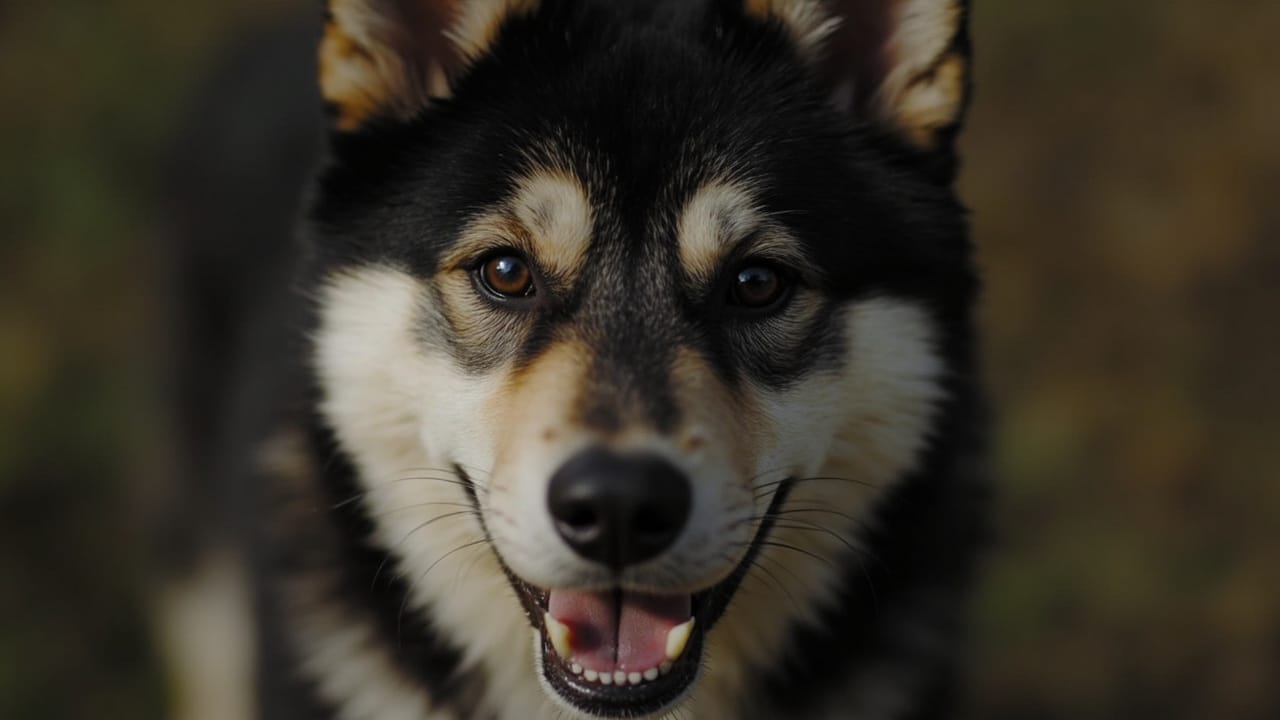
Shiba Inu-fokkers in de Europese Unie opereren binnen een van de strengste kaders voor gezelschapsdieren ter wereld. Als u in Europa een Shiba koopt, vindt u hier precies welke wetten en regels van rasverenigingen u en uw toekomstige hond beschermen, te beginnen met de allerbelangrijkste regel: het fokken van honden met erfelijke aandoeningen is in verschillende EU-lidstaten illegaal.
Het Europees Verdrag ETS 123 — het basisverdrag voor dierenwelzijn
Het Europees Verdrag tot bescherming van gezelschapsdieren (ETS 123) van de Raad van Europa is het bindende Europese verdrag dat het welzijn van gezelschapsdieren regelt. Hoewel de EU het verdrag zelf nog niet heeft geratificeerd, volgt elke serieuze Shiba-fokker in Europa de beginselen ervan, en verschillende EU-landen hebben het rechtstreeks in nationale wetgeving opgenomen.
ETS 123 stelt kernverplichtingen die gelden voor elk Shiba Inu-nest:
- Dieren moeten worden gehouden in omstandigheden die rekening houden met hun fysiologische en gedragsmatige behoeften.
- Chirurgische ingrepen om cosmetische redenen (oren couperen, staart couperen) zijn verboden. Dit is een van de redenen waarom Shiba Inu-staarten en -oren in Europa altijd natuurlijk blijven.
- Het fokken moet zo worden gepland dat de gezondheid en het welzijn van de nakomelingen gewaarborgd blijven.
- Pups mogen niet vóór de leeftijd van acht weken van de moeder worden gescheiden (de meeste nationale wetten gaan verder, tot 12 weken).
Nationale fokverboden op erfelijke aandoeningen
Dit is de regel die het Shiba Inu-fokken het meest direct raakt. EU-lidstaten hebben ETS 123 omgezet in strenge nationale fokwetgeving, en sommige verbieden expliciet het fokken met dieren die lijden aan erfelijke aandoeningen.
- Duitsland (Tierschutzgesetz §11b): fokverbod voor honden die genetische defecten dragen, waarbij heupdysplasie en patellaluxatie behoren tot de aandoeningen die door rechtbanken en veterinaire autoriteiten actief worden gehandhaafd. Duitse Shiba-fokkers zijn verplicht om heupen en knieën te laten onderzoeken vóór de fok.
- Nederland (Besluit houders van dieren, 2014): fokkerij die voorspelbaar lijden of schade veroorzaakt bij de ouder of de nakomelingen is verboden, met inbegrip van erfelijke orthopedische en oogheelkundige aandoeningen.
- Frankrijk (Loi de 2015 / 2021): veterinaire certificering van de fokdieren is vereist voor zeven rassen en aanbevolen voor andere, en het concept van «élevage compatible avec la santé et le bien-être» is nu wet.
- Oostenrijk en België hanteren vergelijkbare beperkingen via dierenbeschermingswetten die het fokken van honden met erfelijke aandoeningen rechtstreeks beperken.
Voor een Shiba betekent dit dat gerenommeerde Europese fokkers minimaal screenen op heupdysplasie, patellaluxatie en oogziekten vóór de dekking. Zonder die resultaten kunnen zij in veel landen een nest niet wettig registreren.
EU-verordening 1/2005 — regels voor diertransport
Wanneer een Shiba-pup een grens oversteekt — zelfs bij een ritje van een uur van een Nederlandse kennel naar een Belgische koper — is EU-verordening (EG) nr. 1/2005 van de Raad van toepassing. De verordening heeft betrekking op het transport van levende gewervelde dieren in verband met een economische activiteit, hetgeen ook de verkoop van pups omvat.
Belangrijke punten die relevant zijn voor een Shiba-koper:
- Reisjournaal vereist voor reizen van meer dan 65 km waarbij honden betrokken zijn.
- Minimale regels voor ruimte, ventilatie en temperatuur zijn van toepassing — belangrijk voor een klein spitz-type ras dat gevoelig is voor hitte.
- Pups jonger dan 8 weken mogen alleen met hun moeder reizen.
- Voertuigen moeten zijn uitgerust voor transport over lange afstanden (klimaatregeling, water, scheidingswand). De meeste Europese Shiba-fokkers vervoeren per auto binnen hun eigen land of maken gebruik van gereguleerde huisdiervervoerdiensten, niet van vrachtvervoer.
Als een fokker aanbiedt om een pup van 8 weken oud in een vliegtuigvrachtruim te versturen, is dat een waarschuwingssignaal onder de EU-regels.
Kennelclub-eisen: FCI en nationale clubs
De FCI (Fédération Cynologique Internationale) is gevestigd in België en standaardiseert de raseisen binnen de EU-lidclubs. Elke nationale kennelclub — Société Royale Saint-Hubert in België, Société Centrale Canine in Frankrijk, VDH in Duitsland, ENCI in Italië, Raad van Beheer in Nederland — handhaaft de FCI-regels via eigen reglementen.
Wat dit betekent voor een Shiba Inu-nest:
- Beide ouders moeten zijn geregistreerd bij de nationale FCI-aangesloten club (of een contractueel erkende club zoals NIPPO voor Japanse lijnen).
- Elke pup ontvangt een door de FCI erkende stamboom, die uw bewijs is van raszuiverheid en de basis vormt voor eventuele toekomstige fokkerij.
- De meeste EU-clubs vereisen identificatie door middel van een microchip voordat de stamboom wordt afgegeven.
- Sommige nationale clubs (met name de VDH in Duitsland) vereisen aanvullende gezondheidsscreening, waaronder oogonderzoek door een gecertificeerde oogarts, voordat nesten worden geregistreerd.
Shiba-specifieke gezondheidsscreening verwacht in de EU
Zelfs waar de wet zwijgt, volgt de Europese Shiba Inu-fokkerijgemeenschap het CHIC-protocol van de OFA als de facto standaard:
- OFA-heupen of PennHIP-evaluatie — de OFA-database toont ruwweg 7,6% van de Shiba's met heupdysplasie, dus screening is belangrijk.
- Patellaluxatie-evaluatie — een erkend probleem bij kleine rassen bij Shiba's.
- CERF/ECVO-oogonderzoek — screening op primaire gesloten-kamerhoekglaucoom, staar en PRA, allemaal gedocumenteerd bij het ras.
- Schildklierfunctie-test waar de lijnen daar aanleiding toe geven.
Een fokker die u geen gecertificeerde, gedateerde gezondheidsresultaten kan tonen voor beide ouders van een Europees Shiba-nest, voldoet niet aan de regionale norm, zelfs niet als de wet in hun land technisch soepeler is.
Praktische checklist bij de aankoop van een Shiba in de EU
Gebruik deze lijst wanneer u contact opneemt met een fokker:
- Vraag bij welke nationale kennelclub zij registreren en bevestig dat het nest is aangegeven.
- Vraag kopieën op van de heup-, patella- en oogcertificaten van beide ouders.
- Bevestig dat de pup bij aflevering minstens 12 weken oud zal zijn (Duitse en Nederlandse minimums).
- Bevestig dat de microchip en de eerste vaccinatie zijn voltooid vóór de overdracht.
- Vraag een schriftelijk contract met een terugnamebeleid — vereist of aanbevolen in de meeste EU-landen.
- Wees voorzichtig met EU-fokkers die zeer jonge pups importeren van buiten de EU zonder de juiste gezondheids- en douanedocumenten.
Prijsrealiteit in Europa
Een verantwoord gefokte Shiba Inu in de EU, afkomstig van FCI-geregistreerde ouders met volledige gezondheidsscreening, kost doorgaans €1.500–€2.500. Pups met showpotentieel of uit zeldzame lijnen van gevestigde kennels kunnen oplopen tot €3.500–€4.500. Rescue-Shiba's in Europa vragen meestal een donatie van €200–€400, en er zijn verschillende rasspecifieke Shiba-rescues actief in Duitsland, Nederland, Frankrijk en het VK (rassenclubs coördineren vaak de laatste).
Kopen binnen dit gereguleerde kader is de allerbeste bescherming die u heeft als Shiba-eigenaar in Europa. De papierwerk voelt misschien zwaar, maar het is precies wat het ras gezond houdt voor de volgende generatie.
FAQ
Is het legaal om een Shiba Inu-pup van buiten de EU naar Europa te importeren?
Ja, maar de pup moet minstens 15 weken oud zijn, voorzien zijn van een ISO-chip met 15 cijfers, gevaccineerd zijn tegen rabiës met een geldig certificaat, en reizen met een EU-gezondheidscertificaat afgegeven door de autoriteit van het exporterende land. Pups jonger dan 15 weken kunnen wettelijk niet voldoen aan de rabiës-titereis.
Op welke leeftijd mag een Shiba Inu-pup in de EU bij de moeder weg?
ETS 123 stelt een minimum van 8 weken, maar de meeste EU-landen hebben dit verhoogd. Duitsland, Nederland en België vereisen een minimum van 12 weken voordat een pup permanent mag worden gescheiden. Verantwoordelijke Shiba-fokkers in Europa geven pups vrij op 10–14 weken, vaak na de eerste vaccinatie.
Moeten EU-Shiba Inu-fokkers staarten of wolfsklauwen couperen?
Nee. ETS 123 verbiedt cosmetische chirurgie, en elke grote nationale EU-wet implementeert dit verbod. Shiba Inu's in Europa hebben altijd hun natuurlijke gekrulde staart en natuurlijke oren, en het verwijderen van wolfsklauwen is eveneens beperkt tot medische noodzaak.
Kan ik een FCI-Shiba Inu-stamboom online verifiëren?
Ja. Elke FCI-lidkennelclub biedt een online stamboekdatabase die toegankelijk is via de nationale club. In Duitsland, Oostenrijk, België en Nederland kunt u zoeken op de geregistreerde naam van de ouder en de nestregistratie, afstamming en eventuele bij de club geregistreerde gezondheidstestresultaten van de fokker bevestigen.
Lees verder
 Een Mame Shiba importeren uit Japan naar de VS of Europa: complete gids
 Is het ethisch verantwoord om een Mame Shiba te kopen of te fokken? Een complete gids
 Hoe je oplichting met "theekopje" en "mini" Shiba Inu en onethische fokkers kunt vermijden
 Mame Shiba Prijs: Japan vs VS vs Europa (Kostengids 2025)