Ooguitvloeiing en traanstrepen bij de Shiba Inu: normaal of een probleem?
Een kleine hoeveelheid heldere of lichtbruine ooguitvloeiing is normaal bij Shiba Inu's, vooral na het slapen of tijdens seizoensgebonden allergieën. Maar dikke, gele, groene of plotseling overmatige uitvloeiing — of roodbruine traanstrepen die de vacht aantasten — wijst meestal op een probleem zoals allergieën, glaucoom, droge ogen of een verstopt traankanaal en vereist een bezoek aan de dierenarts.
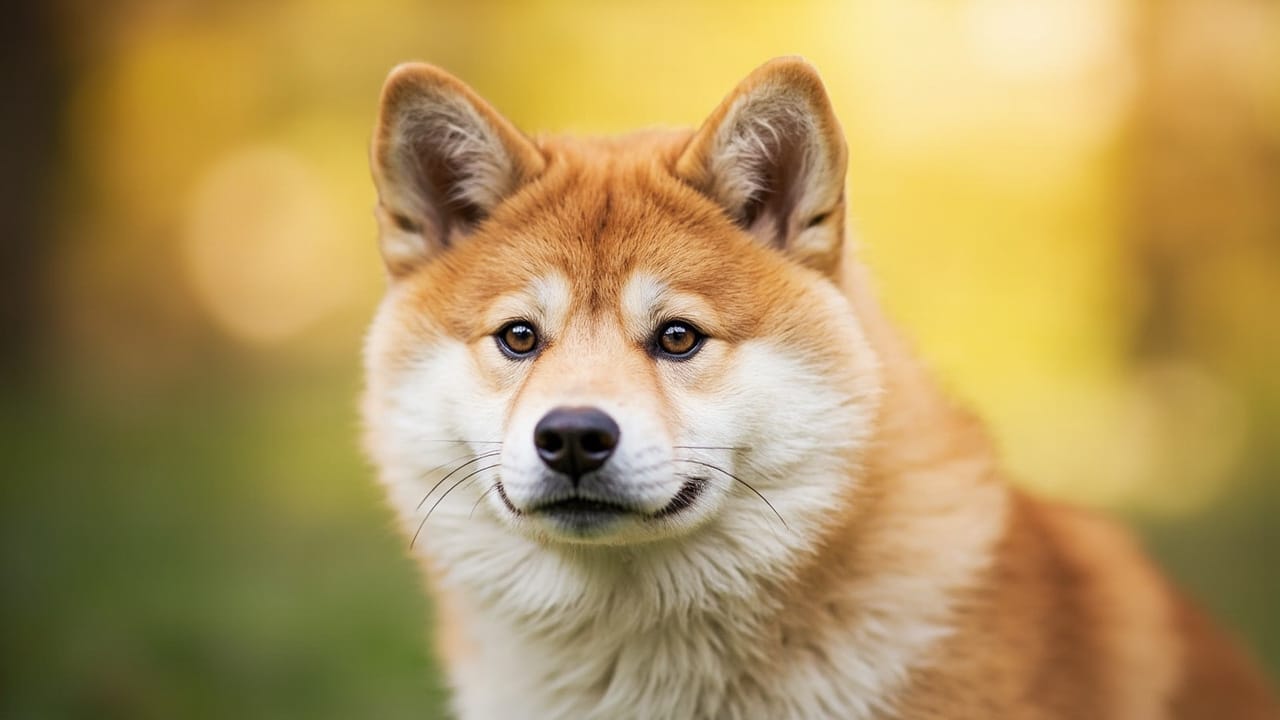
Een kleine hoeveelheid heldere of vaag roestkleurige ooguitvloeiing is volkomen normaal bij een Shiba Inu, vooral 's morgens vroeg of na een dutje. Shiba's hebben iets ondiepe oogkassen, amandelvormige oogleden en dat klassieke urajiro-patroon in het gezicht, waarbij lichtere vacht rond de ogen eventueel vocht beter zichtbaar maakt. Waar eigenaren alert op moeten zijn, is wanneer de uitvloeiing van kleur, hoeveelheid of samenstelling verandert, of wanneer traanstrepen de gezichtsvacht roodbruin beginnen te kleuren — dat wijst bijna altijd op een onderliggend probleem dat baat heeft bij een snelle controle door de dierenarts.
Hoe normale ooguitvloeiing bij een Shiba eruitziet
- Heldere of licht kleverige slijm dat zich ophoopt in de binnenste ooghoek (vergelijkbaar met slaapkorstjes bij mensen)
- Lichtbruine "traansporen" die snel opdrogen en gemakkelijk weg te vegen zijn met een vochtig doekje, vooral bij jonge puppy's van wie de traankanaaltjes nog volop in ontwikkeling zijn
- Lichte seizoensgebonden toename in lente en herfst wanneer de pollenaantallen stijgen
- Een kleine hoeveelheid vlekken op de witte urajiro-vacht die verbetert wanneer je het gezicht dagelijks schoonveegt
Als de ogen van je Shiba helder zijn, het wit van de ogen schoon is, en de uitvloeiing minimaal is en gemakkelijk weg te vegen, dan heb je hoogstwaarschijnlijk te maken met een normale fysiologie.
Wanneer uitvloeiing NIET normaal is
Deze tekenen betekenen dat het tijd is om een afspraak bij de dierenarts te maken:
- Gele, groene of pusachtige uitvloeiing — wijst op een bacteriële infectie of conjunctivitis
- Plotse, hevige tranenvloed in één of beide ogen
- Dik slijm dat de oogleden 's ochtends aan elkaar plakt
- Roodheid, zwelling of knijpen met de ogen (de "Shiba-knijp" is niet normaal)
- Troebele, blauwachtige of zichtbaar vergrote oogbol — een alarmsignaal voor glaucoom
- Korsterige, stinkende of voortdurend natte vacht rond de ogen
- Krabben of wrijven met het gezicht tegen meubels of de vloer
Veelvoorkomende gezondheidsredenen voor overmatige uitvloeiing bij Shiba's
- Atopische of omgevingsallergieën — de meest voorkomende oorzaak; Shiba's zijn vatbaar voor huid- en oogallergieën veroorzaakt door pollen, stof of voeding.
- Primair gesloten-kamerhoekglaucoom — een bekend gezondheidsprobleem bij de Shiba Inu; het is een medisch noodgeval. Let op een waasblauw oog, verwijde pupil en duidelijke pijn.
- Droge ogen (KCS) — veroorzaakt paradoxaal genoeg dikke, slijmerige uitvloeiing doordat het oog overcompenseert met slijm in plaats van tranen.
- Cataract en progressieve retinale atrofie (PRA) — deze erfelijke aandoeningen kunnen secundaire ontsteking en uitvloeiing veroorzaken.
- Conjunctivitis — bacterieel, viraal of allergisch.
- Entropion of distichiasis — naar binnen rollende oogleden of extra wimpers die het hoornvlies krassen.
- Verstopte nasolacrimale (traan)kanaaltjes — tranen lopen over het gezicht in plaats van af te voeren.
- Vreemde voorwerpen — grasaaren, stof of shampooresten.
Voor fokkers en proactieve eigenaren: het door CHIC aanbevolen screeningsprogramma voor Shiba Inu's omvat een jaarlijks OFA-oogonderzoek door een veterinair oogarts, waarmee glaucoom, cataract en netvliesaandoeningen vroeg kunnen worden opgespoord.
Hoe je milde traanstrepen thuis kunt behandelen
- Veeg het gebied rond de ogen een- of tweemaal per dag schoon met een zacht, vochtig doekje of een ongeparfumeerde hondendoekje voor de ogen — veeg altijd naar buiten, weg van het oog.
- Houd de gezichtsvacht kort geknipt rond de ogen, vooral onder de binnenste ooghoek.
- Gebruik roestvrijstalen, keramische of glazen bakken in plaats van plastic, om bacteriën en biofilm te verminderen die kunnen bijdragen aan vlekken.
- Gebruik gefilterd of bronwater als je leidingwater veel ijzer of mineralen bevat.
- Voeg een theelepel naturel ongezoete yoghurt of een probiotica toe aan de maaltijden, maar bespreek dit eerst met je dierenarts.
- Houd de oog- en neusplooien schoon en droog, omdat vocht dat in de urajiro-plooien blijft zitten gist aantrekt (de bron van die roestachtige rode vlek).
Vermijd vrij verkrijgbare "traanvlekverwijderaars" die tylosine (een antibioticum) of witmakers bevatten, zonder begeleiding van een dierenarts.
Preventie en ooggezondheid op de lange termijn
- Plan een jaarlijks OFA-oogonderzoek met een veterinair oogarts — sterk aanbevolen voor het ras.
- Onderhoud routinebezoeken aan de dierenarts en meld elke verandering in het uiterlijk van de ogen, zelfs als die subtiel is.
- Geef een hoogwaardige, uitgebalanceerde voeding; voedselovergevoeligheden kunnen zich het eerst uiten als jeukende, waterige ogen.
- Beperk blootstelling aan bekende allergenen waar mogelijk, en vraag je dierenarts naar antihistaminica of omega-3-suppletie in piekseizoenen.
- Fok niet met aangetaste honden. Glaucoom, PRA en cataract hebben erfelijke componenten bij Shiba's, dus verantwoorde fokkers screenen voor ze een nest plannen.
Snelle thuischecklist vóór je de dierenarts belt
- Is de uitvloeiing helder of gekleurd?
- Zit het in één oog of in beide?
- Knijpt je Shiba met de ogen, krabt hij eraan of wrijft hij met zijn gezicht?
- Is het wit van de ogen wit, of rood/troebel?
- Wanneer is het begonnen, en is het veranderd?
Door deze vragen te beantwoorden, kan je dierenarts beter inschatten of de ooguitvloeiing van je Shiba Inu een eenvoudig schoonmaakprobleem is of het eerste teken van een aandoening zoals allergieën, glaucoom of droge ogen die behandeld moet worden.
FAQ
Waarom heeft mijn Shiba Inu bruine traanstrepen onder zijn ogen?
De roodbruine kleur komt van porfyrinen, natuurlijke pigmenten in tranen en speeksel, in combinatie met gist en bacteriën die gedijen in vochtige gezichtsvacht. Shiba's laten dit beter zien vanwege hun witte urajiro-tekening in het gezicht. Milde vlekken kunnen cosmetisch zijn, maar plotselinge hevige vlekken met natte vacht wijzen vaak op allergieën, verstopte traankanaaltjes of oogirritatie.
Kunnen Shiba Inu's glaucoom krijgen, en wat zijn de waarschuwingssignalen?
Ja. Primair gesloten-kamerhoekglaucoom is een erkende erfelijke aandoening bij het ras. Waarschuwingssignalen zijn een troebel of blauwachtig oog, een zichtbaar vergrote of uitpuilende oogbol, plotselinge pijn, knijpen met de ogen, tranenvloed en verlies van gezichtsvermogen. Het is een noodgeval — ga dezelfde dag nog naar een dierenarts of veterinair oogarts als je deze tekenen opmerkt.
Hoe maak ik de ooguitvloeiing van mijn Shiba Inu veilig schoon?
Gebruik een zachte, pluisvrije doek of een ongeparfumeerd oogdoekje voor huisdieren, bevochtigd met warm water of fysiologische zoutoplossing. Veeg voorzichtig van de binnenste ooghoek naar buiten, en gebruik steeds een schoon stukje doek per veeg. Gebruik nooit menselijke oogdruppels, waterstofperoxide of etherische oliën bij de ogen zonder goedkeuring van de dierenarts.
Moet ik me zorgen maken over een oogkorreltje 's ochtends?
Nee. Een kleine hoeveelheid heldere of lichtbruine korst na het slapen is normaal bij de meeste honden, ook bij Shiba's. Veeg het voorzichtig weg en houd het in de gaten. Als de hoeveelheid toeneemt, de kleur verandert naar geel of groen, of het oog er rood of troebel uitziet, dan is het niet langer normaal en moet het worden onderzocht.
⚕️ This article is researched from the AKC and NIPPO breed standards, OFA/CHIC health data and veterinary sources. It is for general information only and is not a substitute for advice from your own veterinarian.