Hoe behandel je hot spots bij een Shiba Inu: een complete gids
Behandel hot spots bij een Shiba Inu door de haren rond de plek weg te knippen, voorzichtig te reinigen met een chloorhexidine- of antiseptische oplossing, en een door de dierenarts aanbevolen antibiotica- of steroïdenspray aan te brengen. Voorkom herhaling door de onderliggende oorzaak aan te pakken — allergieën, vocht dat vastzit in de dichte dubbele vacht, of vlooien — en houd de plek droog en in de gaten terwijl de dikke vacht terug groeit.
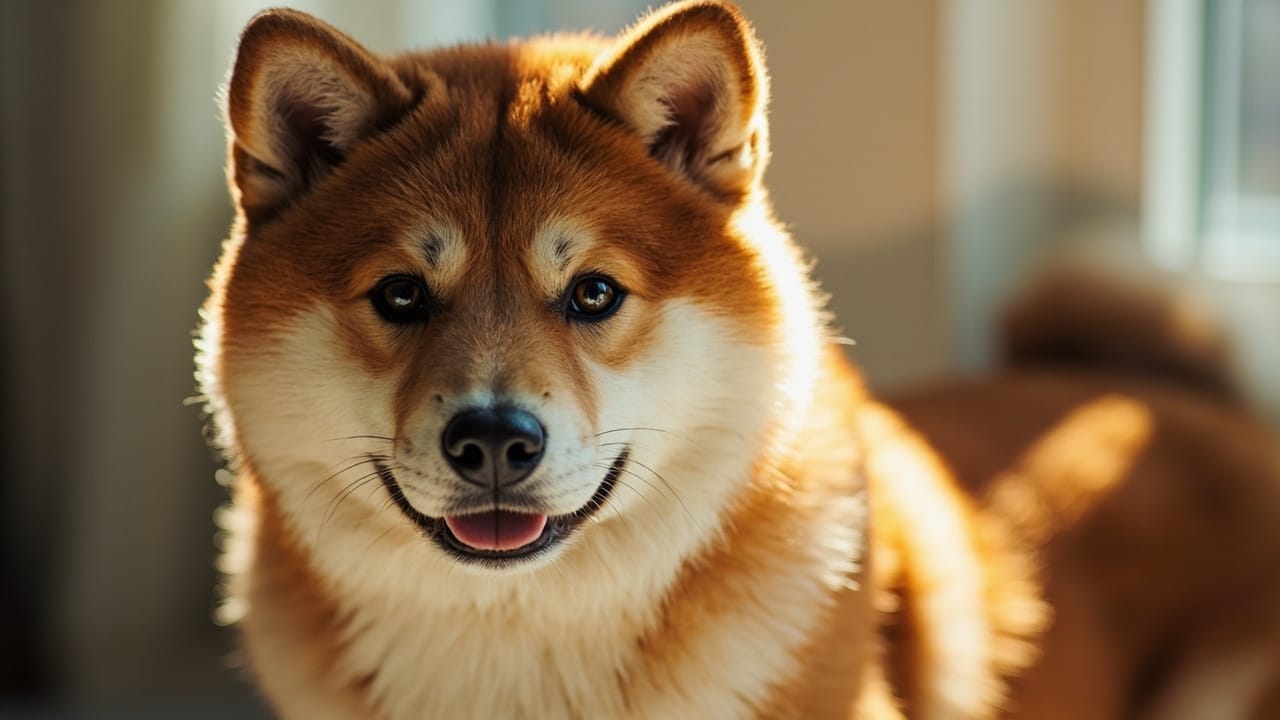
Hot spots (acute vochtige dermatitis) bij een Shiba Inu zijn pijnlijke, snel uitbreidende huidinfecties die binnen enkele uren in omvang kunnen verdubbelen. Omdat Shiba's een dikke, isolerende dubbele vacht hebben, raken vocht en bacteriën gevangen tegen de huid, waardoor ze extra vatbaar zijn voor opflakkeringen achter de oren, op de romp, de dijen en de staartaanzet. Snelle behandeling thuis stopt de meeste hot spots binnen 3–7 dagen, maar diepe of terugkerende plekken vereisen een bezoek aan de dierenarts.
Stapsgewijze thuisbehandeling
- Knip de vacht rond de plek weg. Knip voorzichtig een rand van 1–2 cm rond de hot spot met een stompe schaar of een tondeuse. Dit stelt de wond bloot aan lucht en voorkomt klitten. De dichte ondervacht van een Shiba is de belangrijkste reden waarom hot spots verergeren — vocht en bacteriën gedijen eronder.
- Reinig het gebied. Gebruik een verdunde chloorhexidine 0,05%-oplossing of een door de dierenarts goedgekeurde antiseptische was (bijv. Vetericyn, Hibiscrub verdund 1:10). Vermijd waterstofperoxide en alcohol, omdat deze genezend weefsel beschadigen.
- Breng een lokale behandeling aan. Vrij verkrijgbare opties zijn veterinaire antibiotica-/steroïdensprays (bijv. Corti-Care, Betagen) of medicinale crèmes met hydrocortison en pramoxine. Breng 2–3 keer per dag aan gedurende 5–7 dagen.
- Voorkom krabben en likken. Gebruik een e-collar (kraag) of een recovery suit. Hot spots blijven nat en geïnfecteerd wanneer de hond blijft likken, en Shiba's zijn bijzonder stoïcijns — ze stoppen niet vanzelf.
- Houd het droog. Dep (niet wrijven) het gebied na elk contact met water. Vermijd baden tot het volledig genezen is.
De meeste oppervlakkige hot spots genezen binnen 3–5 dagen met dit protocol. Als de plek groter is dan een munt, pus afscheidt, dieper is dan het huidoppervlak, of niet verbetert binnen 48 uur, ga dan naar de dierenarts.
Wanneer naar de dierenarts?
Maak een afspraak bij de dierenarts als je een van de volgende dingen opmerkt:
- Hot spot groter dan 5 cm of snel uitbreidend
- Sterke geur, gele/groene afscheiding of zichtbare pus
- Koorts, sloomheid of verlies van eetlust
- Meerdere hot spots die tegelijk verschijnen
- Terugkerende hot spots (meer dan 2–3 per jaar)
Een dierenarts kan orale antibiotica voorschrijven (meestal 2–3 weken cefalexine of amoxicilline-clavulaanzuur), sterkere ontstekingsremmende medicatie, of sedatie met knippen uitvoeren bij ernstige klitten. Terugkerende hot spots wijzen vaak op een onderliggende aandoening die diagnose behoeft.
Veelvoorkomende oorzaken bij Shiba Inu's
Hot spots zijn een symptoom, geen ziekte. De meest voorkomende triggers bij Shiba's zijn:
- Atopische dermatitis — omgevingsallergieën (pollen, huisstofmijt) zijn een belangrijke oorzaak van terugkerende hot spots bij dit ras.
- Vlooienallergie-dermatitis — zelfs één vlooienbeet kan intens krabben veroorzaken bij gevoelige honden.
- Vastzittend vocht — na zwemmen, baden of regen komt water vast te zitten onder de dichte dubbele vacht. De seizoensrui (lente en herfst) maakt dit erger, omdat dode haren tegen de huid klitten.
- Oorontstekingen — Shiba's met chronische otitis krabben vaak achter de oren, waardoor hot spots ontstaan aan de zijkant van het gezicht of de nek.
- Anale klierproblemen — honden die slepen of bijten aan de staartaanzet kunnen hot spots op de romp ontwikkelen.
- Stress of verveling — Shiba's zijn vatbaar voor dwangmatig likken wanneer ze ondergestimuleerd zijn.
Preventietips voor Shiba Inu's
- Borstel 2–3 keer per week (dagelijks tijdens de rui) met een ondervachtkam om dode haren te verwijderen en de luchtcirculatie naar de huid te verbeteren.
- Bad en grondig drogen elke 6–8 weken; laat de ondervacht nooit vochtig.
- Gebruik het hele jaar door vlooienpreventie (NexGard, Simparica, of een door de dierenarts voorgeschreven topical).
- Pak allergieën vroeg aan — bespreek hypoallergene diëten, Apoquel of Cytopoint met je dierenarts als krabben seizoensgebonden is.
- Onderhoud heup-, patella-, oog- en schildklieronderzoeken via CHIC (OFA heupen, OFA patella, CERF/CAER oogonderzoek) — een Shiba in goede algehele gezondheid houden vermindert secundaire huidproblemen.
- Controleer de vacht dagelijks bij warm of vochtig weer, vooral na buitenactiviteit.
Genezing en nazorg
Een behandelde hot spot vormt meestal binnen 5–7 dagen een korstje, en de haren beginnen binnen 2–3 weken terug te groeien. Volledige vachtgroei in de dichte Shiba-vacht kan 6–10 weken duren. Let op nieuwe plekken in deze periode. Als hot spots op dezelfde plek terugkeren, kan je dierenarts allergietesten, een eliminatiedieet of een huidbiopsie aanbevelen om diepere aandoeningen zoals MRSA of auto-immuunziekten uit te sluiten. Met consistente preventie en vroege behandeling herstellen de meeste Shiba Inu's snel en vermijden ze langdurige huidbeschadiging.
FAQ
Can I use Neosporin on my Shiba Inu's hot spot?
Neosporin kan in een dunne laag worden gebruikt voor kleine, oppervlakkige hot spots, maar het is niet de beste keuze voor Shiba's omdat hun dichte vacht vocht vasthoudt en het gebied meestal groter is dan het lijkt. Veterinaire antibiotica-/steroïdensprays of orale medicatie zijn effectiever en moeilijker voor de hond om af te likken.
How long does it take for a hot spot to heal on a Shiba Inu?
Oppervlakkige hot spots die snel worden behandeld, vormen meestal binnen 5–7 dagen een korstje. Omdat Shiba's een dikke dubbele vacht hebben, duurt volledige haargroei 6–10 weken. Diepe of geïnfecteerde hot spots kunnen 2–3 weken orale antibiotica vereisen.
Why does my Shiba Inu keep getting hot spots?
Terugkerende hot spots bij Shiba's wijzen meestal op een onderliggende oorzaak — meestal atopische dermatitis, vlooienallergie, vastzittend vocht in de ondervacht, of chronische oorontstekingen. Een dierenarts kan allergietesten uitvoeren en controleren op hypothyreoïdie, een bekende gezondheidskwestie bij het ras die bijdraagt aan huidproblemen.
Should I shave the area around my Shiba's hot spot?
Ja. Het wegnemen van de vacht rond een hot spot is een van de belangrijkste stappen in de behandeling, omdat het lucht bij de wond laat komen en klitten voorkomt. Voor Shiba's met een dikke dubbele vacht kan de dierenarts de hond moeten sederen voor het correct wegnemen van de vacht als het gebied pijnlijk of groot is.
⚕️ This article is researched from the AKC and NIPPO breed standards, OFA/CHIC health data and veterinary sources. It is for general information only and is not a substitute for advice from your own veterinarian.