Tekenen van huidallergieën bij een Shiba Inu: een complete handleiding voor eigenaren
De meest voorkomende tekenen van huidallergieën bij een Shiba Inu zijn intense jeuk (vooral aan de buik, poten, liezen en het gezicht), rode en ontstoken huid, terugkerende oorontstekingen, haarverlies door krabben, hotspots en de klassieke "Shiba-uitslag" van roze, geïrriteerde oksels en liezen. Als je Shiba krabt, aan de poten likt of met de kop over het tapijt wrijft, zijn allergieën de meest waarschijnlijke oorzaak.
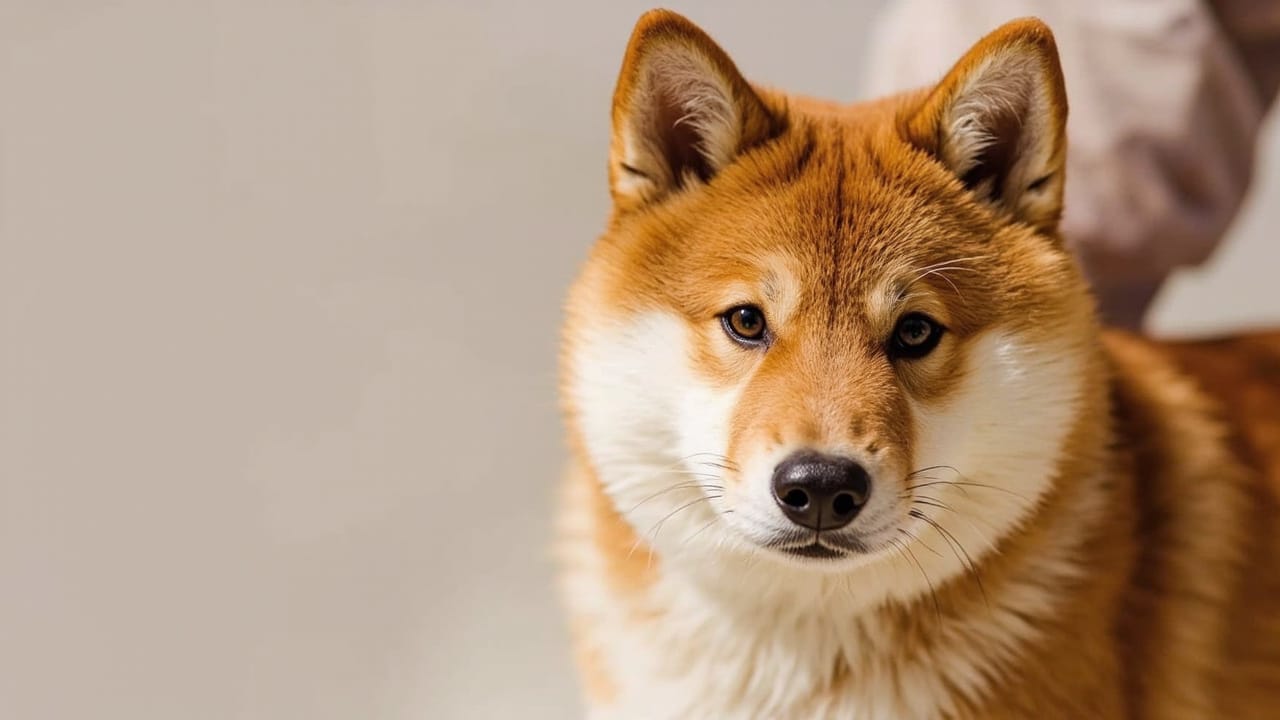
Huidallergieën behoren tot de meest voorkomende gezondheidsklachten bij Shiba Inu's, en atopische dermatitis is de meest gerapporteerde allergische aandoening bij het ras. Omdat Shiba's een dichte dubbele vacht hebben en een sterke neiging tot zelfverzorging, zijn vroege allergietekens makkelijk te missen totdat het probleem duidelijk zichtbaar wordt. Door de waarschuwingssignalen vroeg te herkennen, bespaar je je hond maanden van ongemak en voorkom je secundaire infecties.
Waarom Shiba's gevoelig zijn voor huidallergieën
Shiba Inu's zijn genetisch voorbestemd voor atopische dermatitis, een overgevoeligheid voor omgevingsallergenen zoals pollen, huisstofmijt, schimmelsporen en voorraadmijten. Voedselallergieën (meestal voor kip, rund, zuivel of tarwe) en vlooienallergie-dermatitis zijn ook veelvoorkomende triggers. Omdat Shiba's fanatieke zelfverzorgers zijn, is een toename van het likken vaak het eerste signaal dat je opvalt, nog vóórdat je uitslag ziet.
De meest voorkomende tekenen om op te letten
Jeuk (pruritus) is het belangrijkste kenmerk. Als je Shiba 's nachts zo jeukt dat je er wakker van ligt, zijn allergieën de belangrijkste verdachte. Let vooral op deze klassieke plekken:
- Buik, liezen en binnenkant van de dijen
- Oksels en voorzijde van de borst
- Poten en tussen de tenen
- Oren en gehoorgangen
- Rond de ogen, snuit en kin
- Polsen en enkels
Zichtbare veranderingen aan huid en vacht zijn onder andere:
- Rode, roze of ontstoken huid (vooral op plekken met dunne huid)
- De klassieke "Shiba-okseluitslag" — felroze oksels en liesplooien
- Haarverlies of dunnere vacht door krabben en likken
- Hotspots (acute vochtige dermatitis) — natte, klittende, vochtafgevende plekken die 's nachts lijken te ontstaan
- Oorontstekingen: schudden met de kop, geur, donkere wasachtige afscheiding, krabben aan de oren
- Chronische oorproblemen die elke paar weken terugkomen
- "Zweterige" of verkleurde poten door constant likken (roodbruine speekselvlekken)
- Verdikking en verkleuring van de huid (lichenificatie) bij chronische gevallen
- Secundaire bacteriële of gistinfecties: vettige geur, muffe geur, gele korstjes of zwarte puntjes
Gedragsmatige tekenen die eigenaren vaak als eerste opmerken:
- Constant krabben, bijten of kauwen aan de huid
- De "Shiba-nies" — omgekeerde niesaanvallen die kunnen samengaan met ingeademde allergenen
- Wrijven met gezicht of lichaam over tapijt, meubels of muren
- Over de grond schuren (anusklierirritatie kan samengaan met voedselallergieën)
- Rusteloosheid, vooral 's nachts
De vachtfactor bij Shiba's: hoe allergieën verborgen worden
De dikke dubbele vacht van een Shiba kan roodheid van de huid verbergen totdat je de ondervacht uit elkaar duwt. Laat je vingers tijdens de wekelijkse borstelbeurt tegen de haargroei in glijden over de buik, onder de oksels en aan de binnenkant van de dijen. Zelfs bij een gezonde Shiba is de huid op deze plekken bleek; als hij roze oogt of warmer aanvoelt dan de rest van het lichaam, zijn allergieën waarschijnlijk in ontwikkeling. Tijdens de seizoensgebonden vachtverwisseling (ongeveer twee keer per jaar) kunnen vastzittende allergenen in de ondervacht de jeuk sterk verergeren.
Wanneer naar de dierenarts
Maak een afspraak bij de dierenarts als je Shiba een van deze alarmsignalen vertoont:
- Jeuk die de slaap of het dagelijks leven verstoort
- Open wonden, bloedingen of hotspots
- Terugkerende oorontstekingen (meer dan 2-3 per jaar)
- Haarverlies in plekken
- Een sterke gist- of "kunststof"-geur van de huid
- Krabben dat binnen een week niet verbetert
Je dierenarts kan huidafkrabsels, cytologie, een dieet-eliminatieproef (8-12 weken op een nieuwe of gehydrolyseerde eiwitbron), bloed- of intradermale allergietesten, of een verwijzing naar een veterinaire dermatoloog aanbevelen.
Tips voor behandeling en beheer
- Het hele jaar door vlooienbestrijding, ook voor Shiba's die binnen leven
- Regelmatig baden met een havermout- of chloorhexidine-shampoo (elke 1-2 weken tijdens opflakkeringen)
- Poten afvegen na wandelingen om pollen te verwijderen
- Omega-3 vetzuursupplementen om de huidbarrière te ondersteunen
- Hypoallergene diëten met nieuwe eiwitbronnen (eend, hert, vis) bij vermoedelijke voedselallergie
- Antihistaminica, Apoquel, Cytopoint of immunotherapie zoals voorgeschreven
- HEPA-luchtreinigers en huisstofmijt-werende bekleding
- Regelmatig oren schoonmaken om opflakkeringen te voorkomen
Shiba's zijn niet hypoallergeen, en hun huidproblemen zijn meestal levenslang in plaats van geneesbaar. Met de juiste combinatie van omgevingsbeheer, dieet en diergeneeskundige zorg leiden de meeste Shiba Inu's met allergieën een comfortabel, jeukvrij leven, tot ver in hun levensduur van 13-16 jaar.
Interne links om op de site toe te voegen: [Gezondheidsproblemen bij de Shiba Inu], [Atopische dermatitis bij honden], [Beste dieet voor Shiba Inu's met allergieën], [Vachtverzorgingsgids voor de Shiba Inu]
FAQ
Welke voedingsmiddelen zijn Shiba Inu's het meest allergisch voor?
De meest voorkomende voedselallergenen voor Shiba Inu's zijn kip, rund, zuivel en tarwe. Veel dierenartsen raden een eliminatiedieet van 8-12 weken aan met een nieuwe eiwitbron zoals eend, hert of vis om een voedselallergie te bevestigen.
Kunnen Shiba Inu's seizoensgebonden allergieën hebben?
Ja. Veel Shiba's lijden aan seizoensgebonden atopische dermatitis, veroorzaakt door boompollen in de lente, graspollen in de zomer en schimmels of huisstofmijt in de herfst en winter. De symptomen flakkeren vaak 1-2 keer per jaar op.
Zijn huidallergieën erfelijk bij Shiba Inu's?
Ja, atopische dermatitis heeft een sterke erfelijke component bij Shiba's. Honden met aangedane ouders hebben een aanzienlijk grotere kans om omgevingsallergieën te ontwikkelen, daarom screenen gerenommeerde fokkers hun fokdieren.
Hoe weet ik of mijn Shiba allergieën heeft of alleen een droge huid?
Een droge huid veroorzaakt meestal lichte schilfering zonder intense jeuk. Allergieën veroorzaken actief krabben, roodheid in de liezen en oksels, poten likken en terugkerende oorontstekingen. Als je Shiba zo jeukt dat de slaap wordt onderbroken of haarverlies optreedt, zijn allergieën veel waarschijnlijker.
⚕️ This article is researched from the AKC and NIPPO breed standards, OFA/CHIC health data and veterinary sources. It is for general information only and is not a substitute for advice from your own veterinarian.