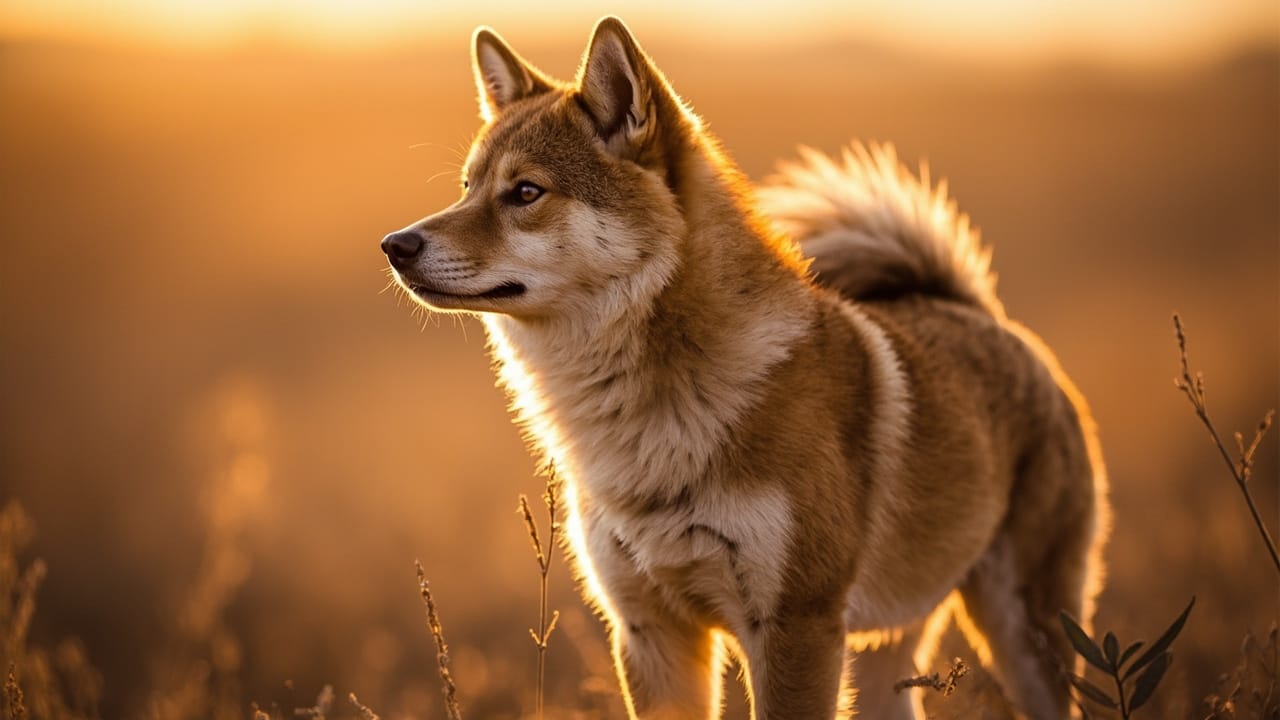
Shiba Inu vs Alaskan Klee Kai: Volledige rasvergelijking
De Shiba Inu en de Alaskan Klee Kai lijken op elkaar, maar verschillen sterk in grootte, herkomst en verzorgingsbehoeften. Shiba's zijn een middelgrote, oude Japanse spits (8–10 kg) gefokt voor de jacht, terwijl Klee Kai een klein, modern Amerikaans gezelschapsras is (4–11 kg) dat in de jaren 1970 werd gecreëerd. Beide delen spitsachtige kenmerken — rechtopstaande oren, dubbele vacht en een onafhankelijk karakter — maar hun bewegings-, trainings- en gezondheidsprofielen lopen flink uiteen.

De Shiba Inu en de Alaskan Klee Kai worden op het eerste gezicht vaak met elkaar verward, omdat beide spitsachtige honden zijn met een gekrulde staart, vosachtig gezicht en opvallende vachtkleuren. Het zijn echter heel verschillende rassen qua herkomst, grootte, temperament en verzorgingseisen. Hieronder vind je een zij-aan-zij vergelijking om te bepalen welke het beste bij jouw huishouden past.
Herkomst en geschiedenis
De Shiba Inu is een van de oudste en kleinste inheemse rassen van Japan, met een geschiedenis van duizenden jaren. De naam vertaalt zich ruwweg naar "struikgewas hond", verwijzend naar het terrein waar hij klein wild jaagde. Het ras verdween bijna na de Tweede Wereldoorlog en werd opnieuw opgebouwd uit drie overlevende bloedlijnen: Shinshu, Mino en San'in. De NIPPO-standaard werd in 1934 vastgelegd, en in 1936 werden Shiba's uitgeroepen tot Japans natuurmonument. In 1992 werden ze erkend door de AKC.
De Alaskan Klee Kai is een modern Amerikaans ras dat in de jaren 1970 werd ontwikkeld door Linda Spurlin in Alaska. Zij kruiste kleine Alaskan Husky-achtige honden met Siberische en Amerikaanse Husky's (en later met Schipperke- en American Eskimo Dog-lijnen) om een miniatuur Husky-gezelschapshond te creëren. Het ras werd in 1997 erkend door de UKC, maar is nog niet erkend door de AKC.
Grootte en uiterlijk
- Shiba Inu: Reuen 35–43 cm, teven 33–41 cm. Gewicht doorgaans 8–10 kg. Compact, gespierd en goed in verhouding.
- Alaskan Klee Kai: Drie groottevarianten — Toy (tot 33 cm, minder dan 4,5 kg), Miniatuur (33–38 cm, 4,5–7 kg) en Standaard (38–43 cm, 7–11 kg).
Beide komen in meerdere kleuren voor. Shiba's zijn rood, zwart en tan, sesam en crème (crème is een showfout). Klee Kai zijn zwart-wit, grijs-wit en rood-wit, altijd met een duidelijk afgetekend masker en symmetrische gezichtsaftekening — een kenmerkend raskenmerk.
Temperament en gedrag
Shiba's staan bekend als onafhankelijk, katachtig en afstandelijk tegenover vreemden. Ze werden gefokt om solo te jagen in bergachtig terrein, dus denken ze zelfstandig na en zijn ze niet van nature aanhankelijk. Bekende eigenaardigheden zijn de "Shiba scream" (een luid protestgeluid), "Shiba 500"-zoomies en een sterke prooidrift op kleine dieren.
Klee Kai zijn socialer en meer op mensen gericht dan Shiba's. Ze hechten zich sterk aan hun gezin en zijn vaak vocaal — ze "praten", huilen en kletsen eerder dan dat ze de kenmerkende Shiba-scream produceren. Ze zijn alert en gereserveerd tegen vreemden, maar over het algemeen minder koppig dan de Shiba tijdens de training.
Beide rassen kunnen ontsnappingskunstenaars zijn en hebben een veilige omheining nodig. Geen van beide wordt aanbevolen voor een eerste hondenbezitter die een makkelijk te trainen huisdier wil.
Beweging en training
- Shiba Inu: 30–60 minuten dagelijkse beweging. Sterke prooidrift en een onafhankelijke geest maken de recall-training lastig. Vroege socialisatie is essentieel om hun natuurlijke terughoudendheid te verzachten.
- Alaskan Klee Kai: 30–60 minuten dagelijkse beweging, inclusief mentale verrijking. Meerdere meegaand dan Shiba's, maar nog steeds intelligent en gevoelig voor verveling. Ze staan bekend als schichtig en hebben zorgvuldige socialisatie nodig om angstgebaseerde reactiviteit te voorkomen.
Geen van beide rassen is een goede keuze om zonder lijn te wandelen zonder intensieve training.
Gezondheid en levensduur
Beide rassen zijn langlevend. Shiba's worden gemiddeld 13–16 jaar; Klee Kai gemiddeld 12–16 jaar.
Veelvoorkomende gezondheidsproblemen bij de Shiba:
- Atopische dermatitis (huidallergieën)
- Luxerende patella
- Heupdysplasie (~7,6% OFA-percentage)
- Primair gesloten-kamerhoekglaucoom
- Staar en PRA
- Hypothyreoïdie
Aanbevolen CHIC-screening voor Shiba's: OFA-heupen, OFA-patella en een CERF/CAER-oogonderzoek.
Klee Kai zijn over het algemeen gezond, maar er zijn zorgen gesignaleerd over:
- Patellaluxatie
- Hartproblemen
- Schildklierdisfunctie
- Juveniele staar
- Levershunts (in sommige lijnen)
Omdat de genenpoel van de Klee Kai klein is, moeten toekomstige kopers gezondheidstests bij de fokker bevestigen.
Vachtverzorging
Beide rassen hebben een dikke dubbele vacht en verharen zwaar. Houd rekening met:
- Het hele jaar door matige verharing
- Zware seizoensgebonden "coat blow" ongeveer tweemaal per jaar (lente en herfst)
- Minimaal wekelijks borstelen, dagelijks tijdens de coat blow
- Geen van beide is hypoallergeen
Prijs en beschikbaarheid
- Shiba Inu (VS): $1.400–$2.500 bij een gerenommeerde fokker, $3.500–$5.000 voor showkwaliteit. Adoptie via de rescue kost doorgaans $300–$500.
- Alaskan Klee Kai (VS): Gemiddeld $1.500–$3.000, vaak hoger vanwege het beperkte aantal fokkers en kleine nesten.
Welk ras past bij jou?
Kies een Shiba Inu als je een onafhankelijke, waardige, rustige gezelschapshond wilt en het niet erg vindt dat hij niet bij vreemden gaat kwispelen. Ze passen bij ervaren eigenaren die een katachtig karakter waarderen.
Kies een Alaskan Klee Kai als je een kleinere, socialere, vocale gezelschapshond wilt met Husky-uiterlijk maar een handzaam appartementformaat — en je de tijd hebt om hem grondig te socialiseren.
Beide rassen belonen geduldige, consequente eigenaren en vormen een uitdaging voor wie directe gehoorzaamheid verwacht.
FAQ
Zijn Alaskan Klee Kai gewoon miniatuur-Husky's?
Nee. Klee Kai werden ontwikkeld uit Alaskan Husky-achtige honden, gekruist met Siberische en Amerikaanse Husky's, plus in sommige lijnen Schipperke en American Eskimo Dog. Het is een apart ras met strikte groottestandaarden (Toy, Miniature, Standard) en verplichte gezichtsmaskers.
Welk ras kan beter overweg met andere huisdieren?
Geen van beide is ideaal voor huishoudens met kleine dieren. Shiba's hebben een sterke prooidrift en kunnen achter katten aangaan. Klee Kai tolereren huishonden beter, maar hebben nog steeds prooi-instincten. Beide hebben zorgvuldige introducties en toezicht nodig.
Welk ras verhaart meer, Shiba Inu of Alaskan Klee Kai?
Beide verharen het hele jaar door zwaar en blazen hun vacht ongeveer tweemaal per jaar. Shiba's hebben doorgaans een dichtere ondervacht en staan bekend om hun dramatische seizoensverharing. Dagelijks borstelen is tijdens de coat blow voor beide rassen nodig.
Is een Alaskan Klee Kai makkelijker te trainen dan een Shiba Inu?
Iets, ja. Klee Kai zijn meer op mensen gericht en gemotiveerder om te behagen, hoewel ze nog steeds onafhankelijke spits-types zijn. Shiba's staan berucht als koppig en behoren vaak tot de moeilijkste rassen om betrouwbaar los te laten lopen.