Hvor smarte er Shiba Inu? Intelligensrangering forklart
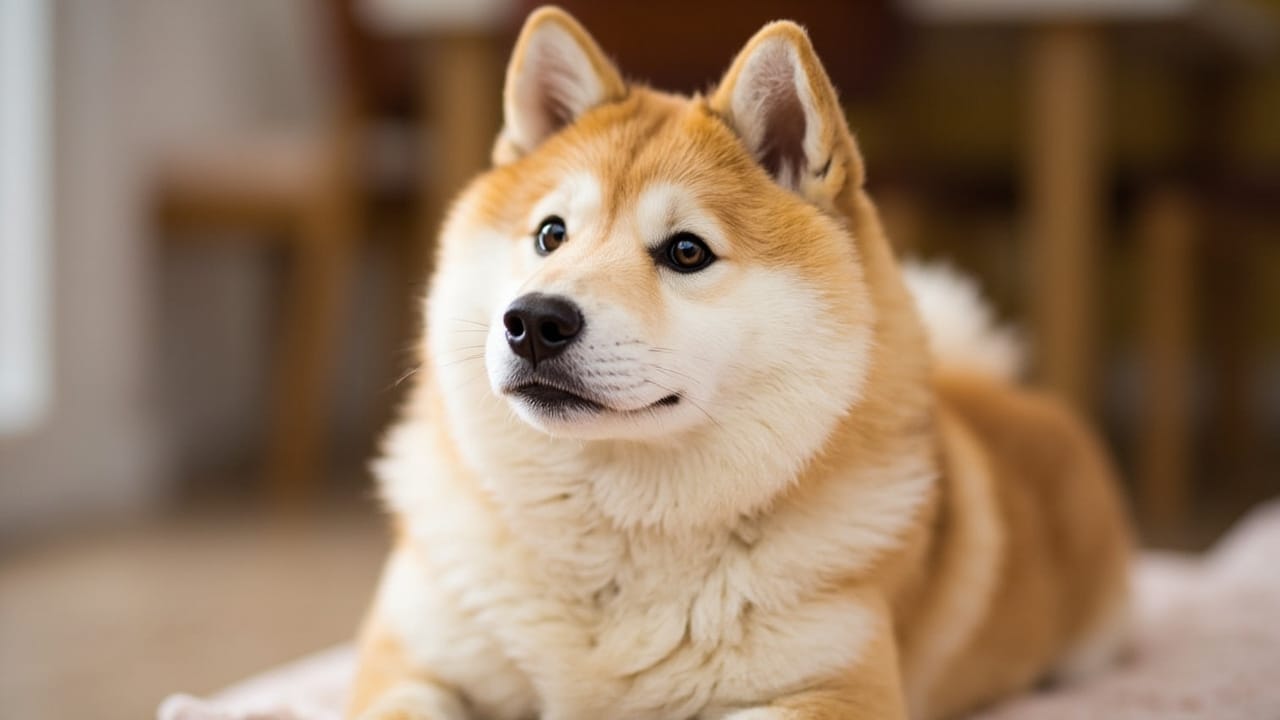
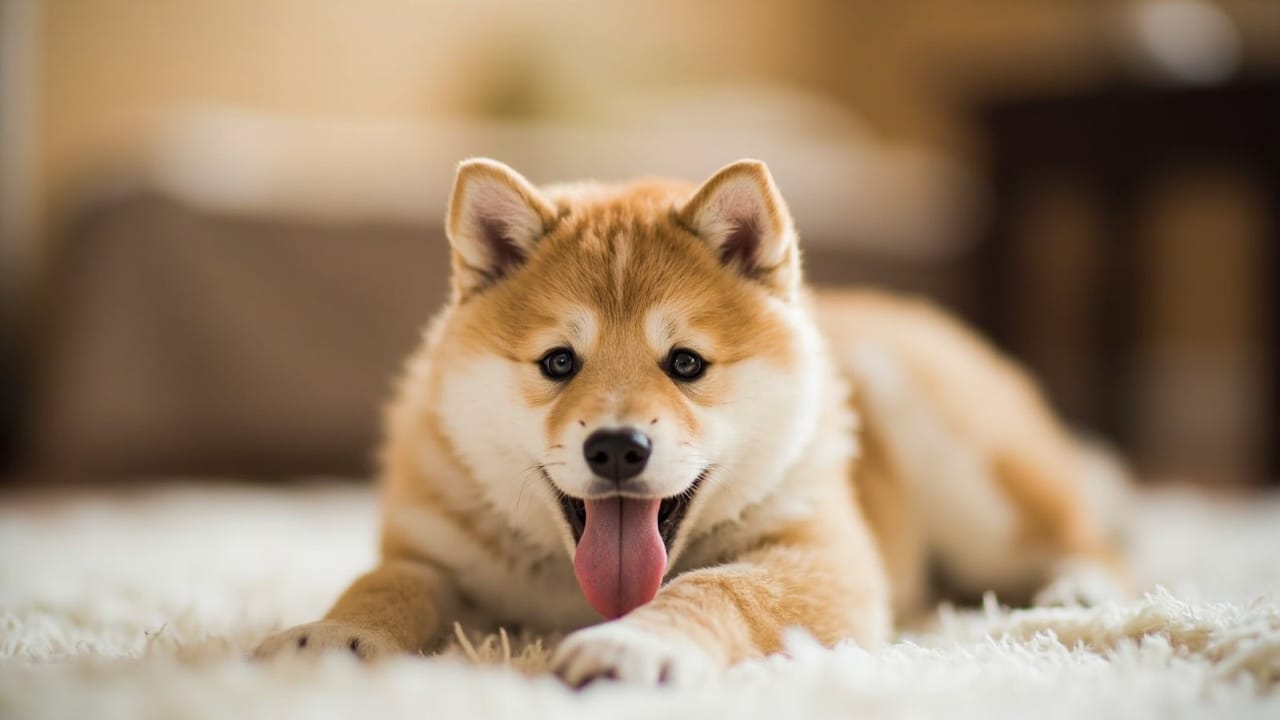
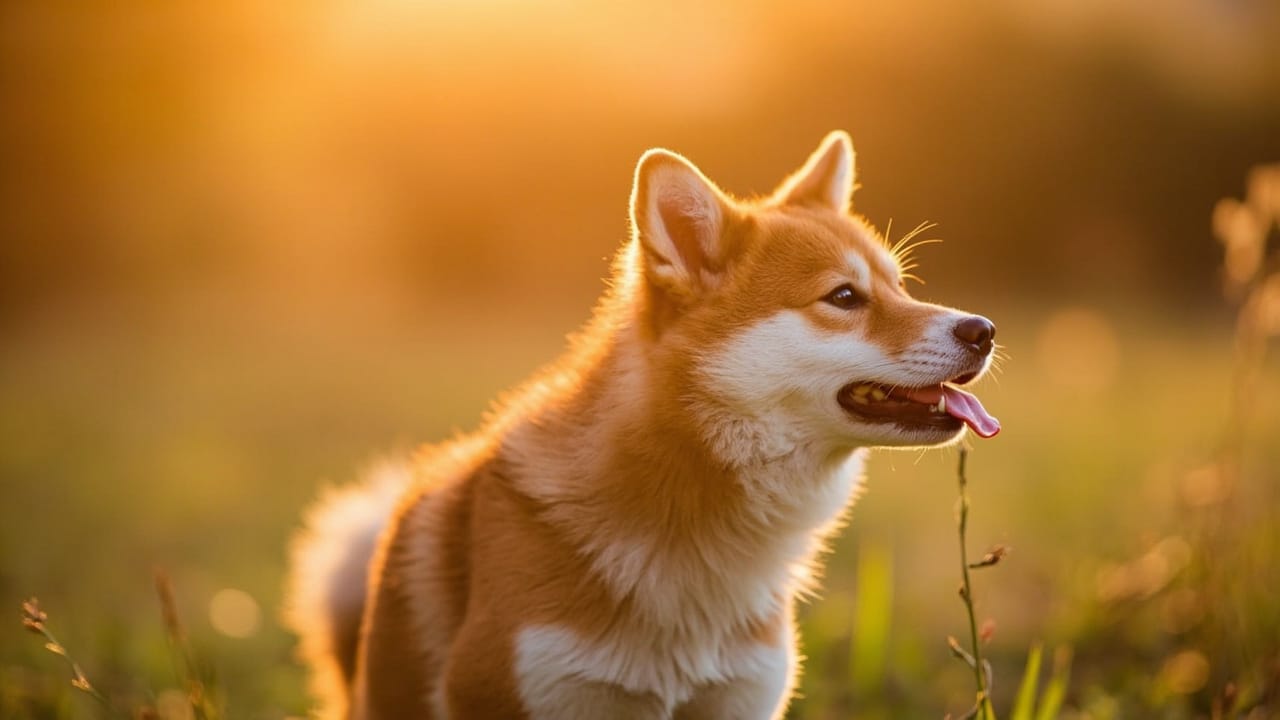
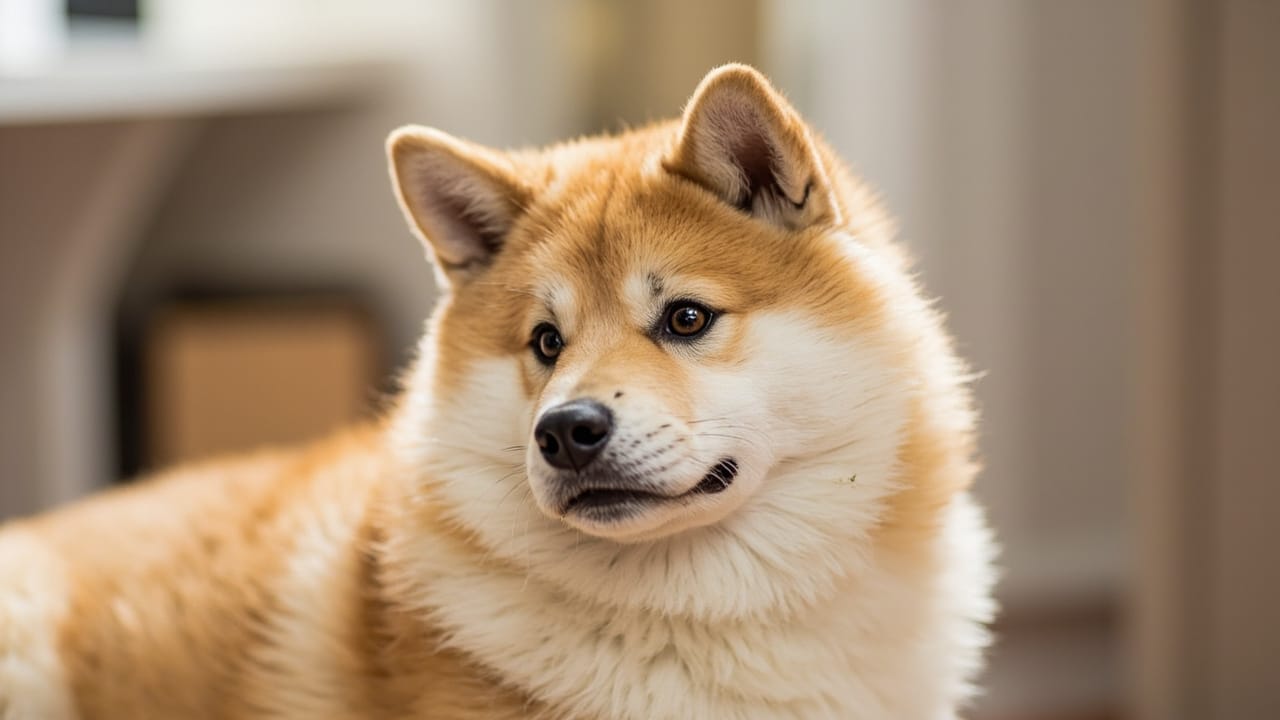
Shiba Inu er rangert rundt #93 av 138 i Stanley Corens hunders intelligensrangering, noe som plasserer dem i kategorien «over gjennomsnittet for arbeids- og lydighetsintelligens». Corens test måler imidlertid kun lydighet, og Shiba regnes bredt som en av de smarteste rasene innen adaptiv og instinktiv intelligens, med en rangering omtrent tilsvarende et 2–2,5 år gammelt menneskebarn.

Shiba Inu er rangert omtrent #93 av 138 raser i Stanley Corens kjente The Intelligence of Dogs-rangering, noe som plasserer dem i kategorien «over gjennomsnittet for arbeids- og lydighetsintelligens». Men dette ene tallet er dypt misvisende. Shibaen blir konsekvent beskrevet av erfarne eiere, oppdrettere og hundeatferdsforskere som en av de mest intelligente rasene som finnes — de bruker bare intelligensen sin til å ignorere deg i stedet for å adlyde deg.
Det virkelige målet på en Shibas intelligens er adaptiv tenkning, problemløsning og evnen til å manipulere omgivelsene sine. De fleste Shiba-eiere plasserer hundens kognitive evner på nivå med et 2 til 2,5 år gammelt menneskebarn.
Hva Stanley Corens rangering faktisk måler
Corens studie fra 1994, basert på svar fra 199 lydighetsprøvedommere, testet én smal ting: hvor mange repetisjoner en rase trengte for å lære en ny kommando, og hvor ofte de adlød på første forsøk. Shibaer trengte 25–40 repetisjoner for å lære en ny kommando og adlød den første kommandoen omtrent 50 % av gangen eller bedre.
Dette plasserer dem under Border Collie (#1, som trenger under 5 repetisjoner), men godt over de fleste ikke-sportslige og primitive rasene. Shibaens dårlige rangering er ikke et uttrykk for hjernekapasitet — det er et uttrykk for motivasjon. Shibaer ble avlet som uavhengige jakthunder i Japans fjellterreng, der det å vente på menneskelig veiledning kunne bety å gå sulten.
Adaptiv og instinktiv intelligens: Der Shibaer utmerker seg
Hvis man rangerer rasene på nytt etter adaptiv intelligens (problemløsning og læring fra omgivelsene) og instinktiv intelligens (medfødt evne knyttet til avlsformål), flytter Shibaene seg inn i toppsjiktet. Noen dokumenterte eksempler:
- Åpner dører, låser og barnesikre skaplåser
- Lærer årsak-virknings-sammenhenger innen 2–3 eksponeringer
- Mestrer husrenhet på 2–4 uker for de fleste valper
- Kommuniserer spesifikke behov gjennom tydelige vokaliseringer og gester
- Rømningskunstnerferdigheter som grenser til ingeniørkunst (se: klatre over gjerder, grave under porter, åpne bur)
Rasens instinktive intelligens er eksepsjonell. Shibaer er blant de få hundene som er i stand til å jakte uavhengig i tett undervegetasjon, og bruker syn, lyd og lukt til å jage opp småvilt uten førerveiledning.
Sammenligning av Shibaer med andre smarte raser
På Corens lydighetsliste er Shibaer rangert under Pudler, Golden Retrievere og Schæferhunder, men på omtrent samme nivå som Siberian Husky, Chow Chow og Dalmatiner. I praktisk adaptiv intelligens overgår imidlertid Shibaer de fleste av disse rasene. Huskyer er beryktet vanskelige å trene av samme grunn — uavhengig tenkning — men de mangler Shibaens presisjon i problemløsning.
En mer nyttig sammenligning: en Shibas intelligens ligger nærmere en katts problemløsningsevne enn en Labradors. De lærer ved observasjon, husker hva som fungerer, og vil bare gjenta atferd som tjener deres egne interesser.
Myten om «smart, men sta»
Å kalle en Shiba «sta» er som å kalle en sjakkspiller «usamarbeidsvillig» fordi de ikke vil spille sjakk. Shibaen oppfører seg ikke vanskelig — de vurderer aktivt om kommandoen din gir mening fra deres perspektiv. Vanlig Shiba-atferd som feilaktig merkes:
- Nekter innkalling uten bånd — De vurderte omgivelsene og bestemte at det ikke er verdt å miste lukttiden
- Ignorerer kommandoer i distraherende omgivelser — De hører deg rett og slett ikke over ekornet
- Later som de sover — En bevisst stenging av inntrykk, ikke en forståelsesfeil
- «Shiba 500» — Virker tilfeldig, men er ofte et utslipp av oppsamlet mental energi fra en kjedelig, understimulert hjerne
Hvordan engasjere en Shibas intelligens
Shibaer trenger 15–30 minutter med mental berikelse daglig for å holde seg ute av problemer. Effektive aktiviteter inkluderer:
- Snuffle-matter og matpuslespill (Kong Wobbler, Outward Hound brick)
- Nesearbeid og luktleker
- Triksetrening med shaping (fange små, trinnvise tilnærminger) i stedet for luring
- Gjemsel med leker eller familiemedlemmer
- Flirtpole-økter (i et sikkert område — aldri uten bånd i åpne områder)
- Avanserte lydighets- eller rallykurs med utelukkende positiv forsterkning
Tradisjonelle lydighetstreningsmetoder (tvang, strupbånd, dominansteori) slår katastrofalt tilbake med Shibaer og skader tilliten permanent. De responderer strålende på klikkertrening, belønningsbasert shaping og lekbasert læring.
Konklusjon om Shiba-intelligens
Shiba Inu er en intelligent rase på toppnivå pakket inn i en uavhengig, gammel innstilling. Hvis du vil ha en hund som lever for å glede deg, skaffer du deg en Golden Retriever. Hvis du vil ha en hund som jevnlig tenker raskere enn deg, av og til overlistr deg, og holder deg på tærne de neste 13–16 årene, er Shibaen blant de beste følgesvennene en gjennomtenkt eier kan velge.
FAQ
Er Shiba Inu smartere enn gjennomsnittshunden?
Ja, betydelig. Mens Shibaer er rangert som #93 i lydighetsintelligens, plasserer deres adaptive og instinktive intelligens dem godt over gjennomsnittet. De fleste hundeatferdsforskere plasserer problemløsningsevnen deres i de øverste 15 % av rasene.
Hva er IQ-en til en Shiba Inu?
Hunde-IQ måles ikke på samme måte som menneskelig IQ, men Shibaer viser konsekvent kognitive evner som kan sammenlignes med et 2–2,5 år gammelt menneskebarn, inkludert språkforståelse på 100–200 ord, grunnleggende telling og bedrag.
Hvorfor virker det som om Shibaen min ignorerer kommandoer?
Shibaen din forstår nesten helt sikkert kommandoen — de velger bare å ikke adlyde. Shibaer veier enhver forespørsel opp mot sine egne interesser og omgivelsene. Bruk belønninger med høyere verdi, tren i omgivelser med lite distrahering, og stol aldri utelukkende på repetisjon; de kobler ut kjedelige økter innen 3–5 repetisjoner.
Er Shiba Inu enkle å trene?
Nei, Shibaer regnes bredt som en av de mer utfordrende rasene å trene, ikke på grunn av langsom læring, men på grunn av selektivt samarbeid. De utmerker seg med positiv forsterkning, klikkertrening og korte økter på 5–10 minutter, og de mislykkes med maktbaserte metoder.