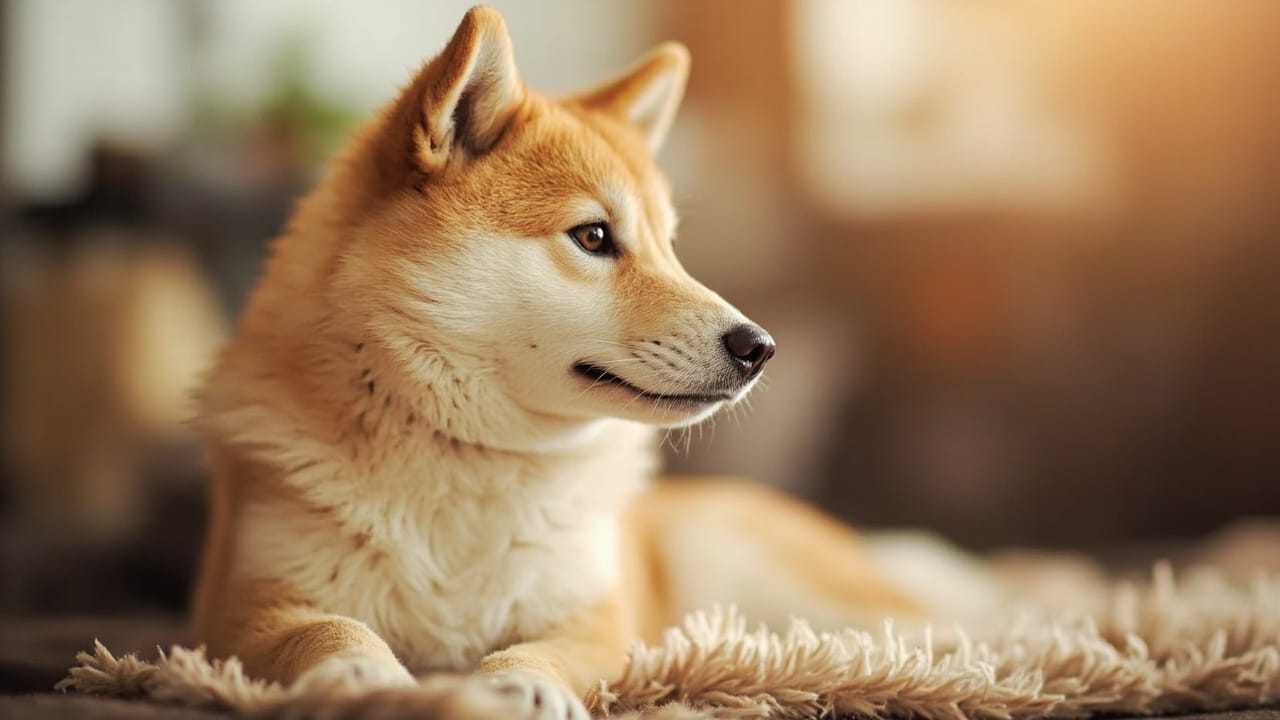
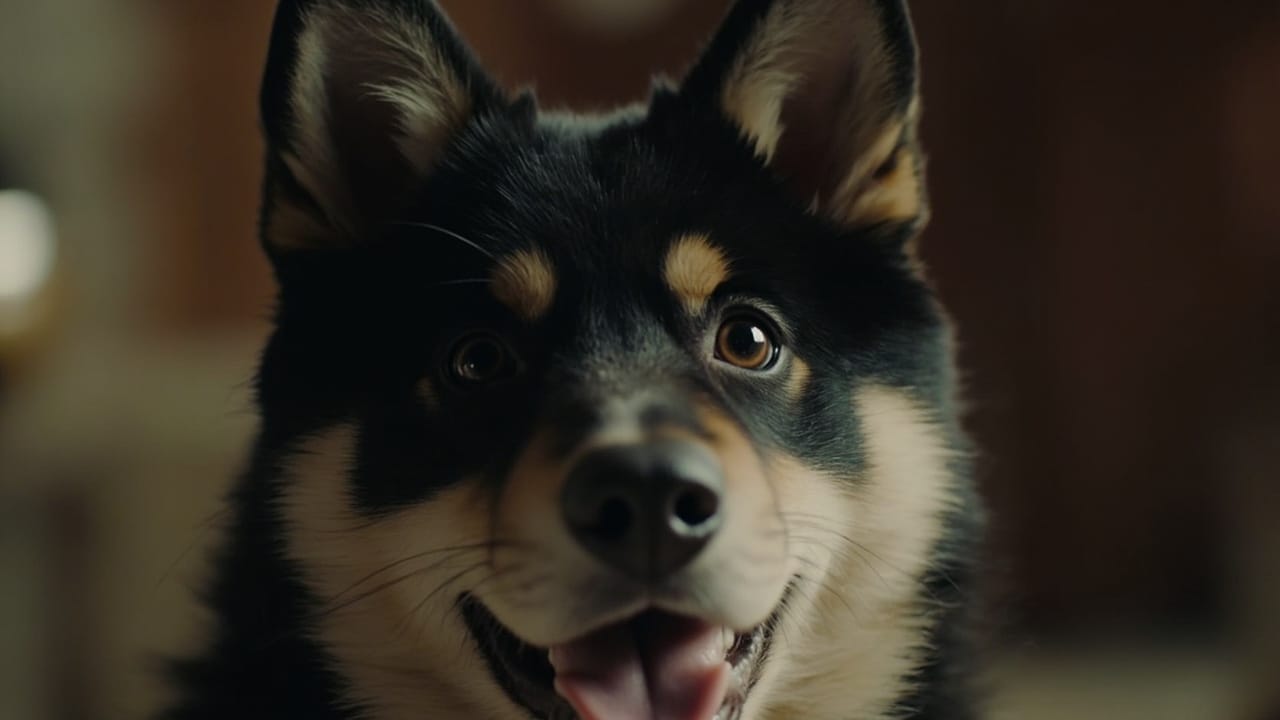
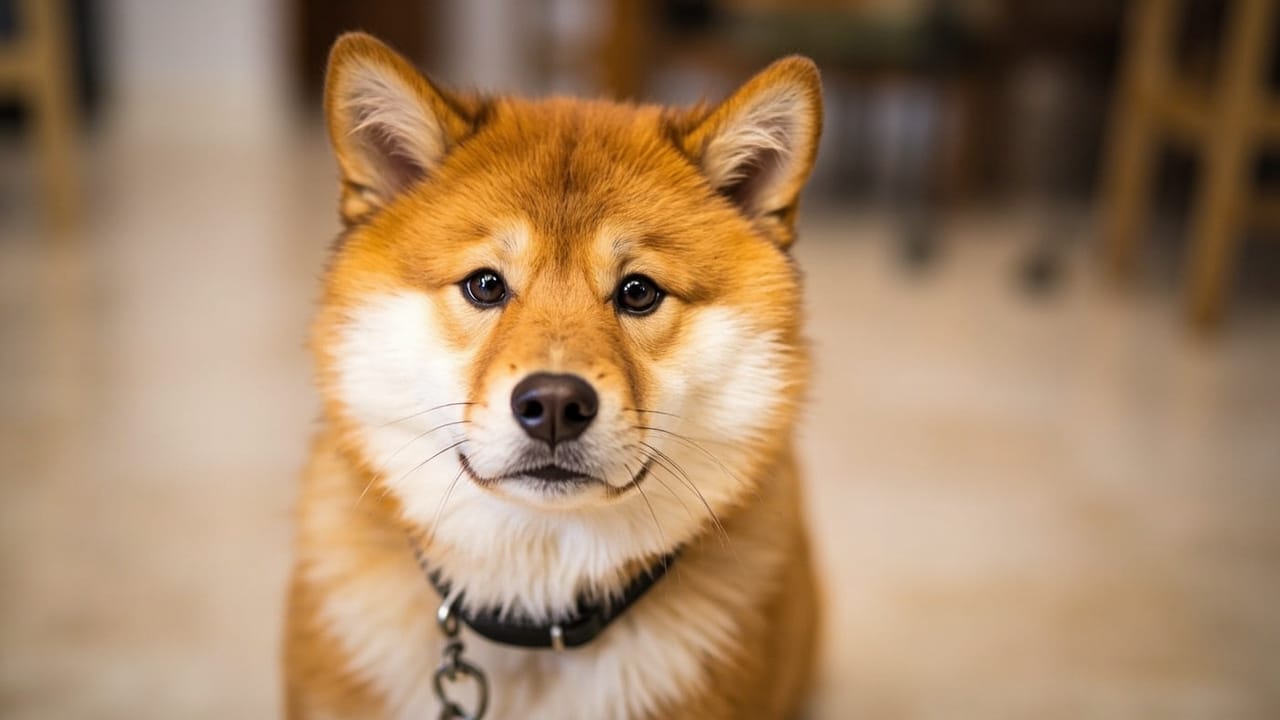
Helseproblemer hos Mame- og miniatyr-Shiba: Fullstendig guide
Mame- og miniatyr-Shibaer deler de samme genetiske helserisikoene som standard Shiba Inu, inkludert lukserende kneskål, hofteleddsdysplasi, primært trangvinkelglaukom, grå stær og atopisk dermatitt, i tillegg til en forhøyet risiko for dvergvekstrelaterte skjelett- og leddlidelser. Deres mindre størrelse gjør dem ikke friskere, og de er ikke offisielt anerkjent av NIPPO eller AKC, så screening er kjøperens ansvar.
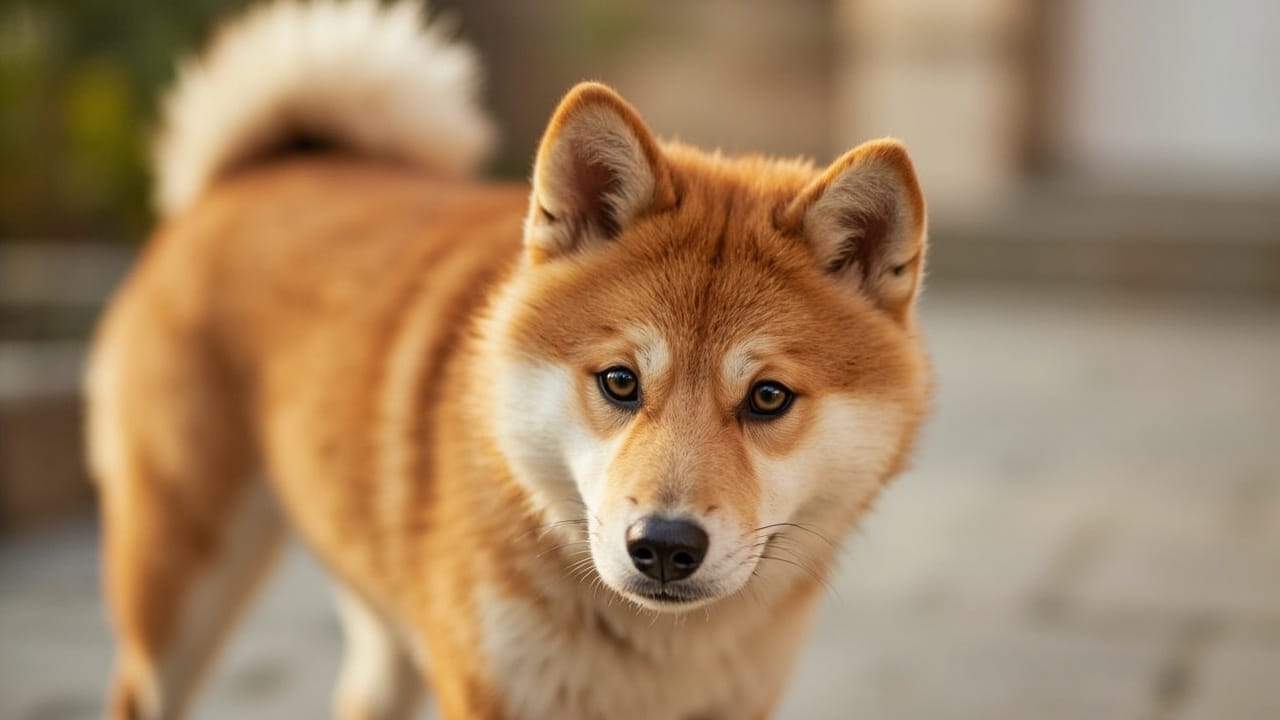
Mame Shiba og miniatyr Shiba Inu er ikke egne raser og er ikke anerkjent av NIPPO, AKC eller Japan Kennel Club. De er Shiba Inu i mindre størrelse, fremavlet ved å velge de minste hundene i kull, ved å introdusere dvergvekstgenet (akondroplasi), eller ved kryssing med mindre spitz-type hunder. På grunn av dette deler de den standard Shibas helseprofil og arver ofte i tillegg risikoer knyttet til redusert størrelse og ukonvensjonell avl.
Kjerne-genetiske helserisikoer delt med standard Shibaer
Uavhengig av størrelse bør hver Shiba screenes for tilstandene som spores av Canine Health Information Center (CHIC): OFA hofter, OFA kneskål, og en CERF/ACVO øyeundersøkelse. De vanligste dokumenterte problemene i rasen er:
- Atopisk dermatitt og allergisk hudsykdom — den aller mest rapporterte Shiba-helseplagen, ofte utløst av miljøallergener og matoverfølsomhet.
- Lukserende kneskål — en kneskål som glipper ut av ledd; graderes 1–4, og små hunder har statistisk sett generelt høyere risiko enn middels store hunder.
- Hofteleddsdysplasi — omtrent 7,6 % av OFA-evaluerte Shibaer har dysplasi, til tross for rasens moderate bygning.
- Øyesykdom — primært trangvinkelglaukom, arvelig grå stær og progressiv retinal atrofi (PRA) forekommer alle i rasen.
- Hypotyreose — typisk med debut i middelalder, håndterbart med daglig medisinering.
Disse tilstandene forsvinner ikke bare fordi en hund veier 2–4 kg i stedet for 8–10 kg.
Størrelses-spesifikke risiki hos Mame- og miniatyr-Shibaer
Jo mindre hunden er, desto mer har oppdretteren måttet komprimere normale skjelettproporsjoner. Dette skaper risiki som standard Shibaer i stor grad unngår:
- Akondroplastiske dvergveksttrekk — korte, buede bein; forstørret hode; ryggdeformiteter; tidlig debuterende leddgikt.
- Patellaluksasjon — uforholdsmessig vanlig i toy- og miniatyrraser; mange Mame Shibaer selges allerede med luksasjon ved 8–16 uker.
- Kollapsende luftrør og tannoverbefolkning — typisk for linjer med innslag av brachycephale trekk eller miniaturisering.
- Åpne fontaneller (molera) — myke partier på skallen som ikke lukker seg, og som gjør hjernen sårbar for traumer.
- Hydrocephalus — væske på hjernen, knyttet til kuppelformede skaller i noen linjer.
- Hypoglykemi — lavt blodsukker hos valper under 2 kg, som kan være dødelig uten rask behandling.
- Skjøre beinbrudd — finere bein betyr skader på bein og hale ved vanlige hopp ned fra møbler.
- Hjerteproblemer — patent ductus arteriosus (PDA) og mitralklaffsykdom ses oftere hos svært små hunder.
- Reproduktive risiki — mange tisper kan ikke føde naturlig og trenger keisersnitt, og avlshanner kan være infertile.
Forventet levetid
Standard Shiba Inu lever omtrent 13–16 år, en av de lengste levealdrene til noen renraset hund. Mame- og miniatyr-Shibaer lever ikke automatisk lenger. Deres gjennomsnittlige levealder ligger nærmere 12–15 år, og hunder med skjelettdeformiteter, alvorlig patellaluksasjon eller hjerteproblemer lever ofte kortere enn sine standardstore slektninger.
Hvilken screening bør en ansvarlig oppdretter gjøre?
Fordi det ikke finnes noen raseklubb eller register som håndhever helsetesting for mini-Shibaer, faller byrden på kjøperen. Før kjøp, be om:
- OFA- eller PennHIP-evaluering av begge foreldrene
- OFA kneskål-sertifisering
- Nylige ACVO øyelysninger
- Hjerteauskultasjon eller ekkokardiogram for begge foreldrene
- DNA-resultater for PRA og dvergvekstgenet der dette er tilgjengelig
- Dokumentasjon på at valpen kan gå, løpe og hoppe uten halthet ved 8–10 uker
Gå bort fra enhver oppdretter som ikke kan fremvise disse dokumentene, som hevder «teacup» eller «mini» uten å klargjøre hvordan størrelsen er oppnådd, eller som annonserer valper til under $1 400.
Kostnad og veterinærvirkelighet
En standard Shiba fra en helsetestet oppdretter koster $1 400–$2 500, med showkvalitetslinjer opp mot $3 500–$5 000. Mame- og miniatyr-Shibaer koster vanligvis $2 000–$6 000, og eiere bør budsjettere med høyere løpende veterinærkostnader fordi ortopediske og tannrelaterte inngrep er vanlige. Dyreforsikring anbefales sterkt og bør være på plass før valpen kommer hjem, ideelt som en polise uten ventetid på ortopediske tilstander.
Hovedpunkter
En Mame- eller miniatyr-Shiba er ikke en friskere, mindre versjon av en Shiba Inu — det er en Shiba Inu avlet utenfor rasestandarden, med den samme genetiske sykdomsbyrden pluss ekstra risiki fra miniaturisering. Velg en oppdretter som åpenhjertig diskuterer disse problemene, tilbyr full helsescreening, og lar deg møte begge foreldrene. En velavlet, mindre Shiba kan være en herlig følgesvenn, men ærlige forventninger og proaktiv veterinærhjelp er avgjørende.
FAQ
Lever Mame Shibaer lenger enn standard Shibaer?
Nei. Standard Shibaer lever typisk 13–16 år; Mame Shibaer har en gjennomsnittlig levealder på 12–15 år, og de med skjelett- eller hjerteproblemer lever ofte kortere.
Er en miniatyr Shiba Inu anerkjent av AKC eller NIPPO?
Nei. NIPPO (Japan), AKC og Japan Kennel Club anerkjenner kun standard Shiba Inu. Miniatyr- og Mame Shibaer er ikke en offisiell størrelsesvariant.
Hva er det vanligste helseproblemet hos mini-Shibaer?
Patellaluksasjon er det mest størrelsesrelaterte problemet, ofte synlig ved 8–16 uker. Allergisk hudsykdom og hofteleddsdysplasi er de vanligste tilstandene som arves fra den standard Shibas genbasseng.
Hvor mye bør jeg budsjettere med til veterinærhjelp for en Mame Shiba?
Planlegg for høyere enn gjennomsnittlige veterinærkostnader over livet. Forvent rutinemessig stell pluss potensielle ortopediske eller tannrelaterte inngrep; dyreforsikring med ortopedisk dekning anbefales sterkt før kjøp.
⚕️ This article is researched from the AKC and NIPPO breed standards, OFA/CHIC health data and veterinary sources. It is for general information only and is not a substitute for advice from your own veterinarian.