Shiba Inu øyesykdommer: Glaukom, grå stær og PRA forklart
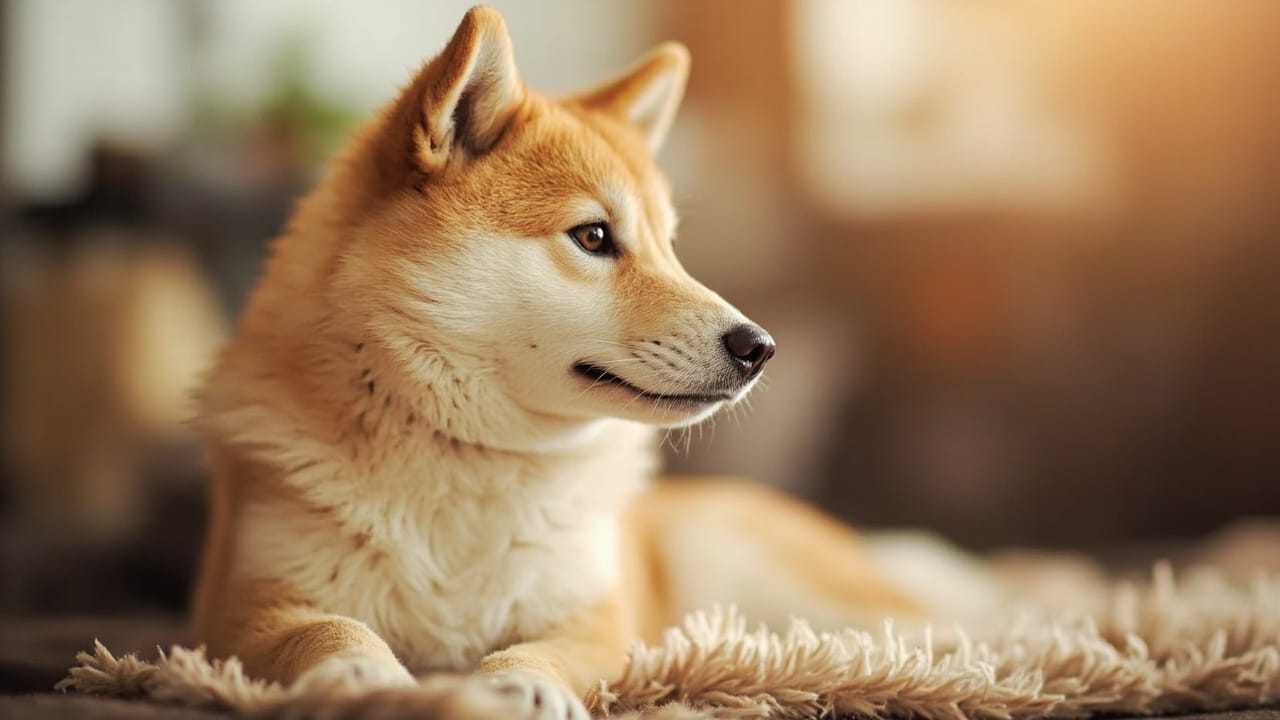
Shiba Inu er disponert for tre arvelige øyetilstander: primær vinkelblokk-glaukom, grå stær og progressiv retinal atrofi (PRA). Alle tre kan føre til blindhet hvis de ikke behandles, men tidlig oppdagelse gjennom årlige CERF/OFA-øyeundersøkelser forbedrer resultatene betydelig. Ansvarlige oppdrettere screener avlsdyr, og berørte hunder kan ofte leve fulle, komfortable liv med rask veterinærbehandling.

Eiere av Shiba Inu bør vite at tre arvelige øyetilstander forekommer i rasen med meningsfull hyppighet: primær vinkelblokk-glaukom, grå stær og progressiv retinal atrofi (PRA). Alle tre er progressive, alle tre kan ende i blindhet, og alle tre belønner tidlig oppdagelse. Det viktigste enkelttiltaket du kan gjøre, er en årlig øyeundersøkelse utført av en board-certifisert veterinær øyelege, registrert hos OFA eller CERF, før avl og gjennom hele hundens liv. Shibaer lider også av «Shiba eye» hornhinnedystrofi og entropion, men de tre som dekkes her er de vanligste årsakene til synstap i rasen.
Primær vinkelblokk-glaukom hos Shiba Inu
Glaukom skyldes farlig høyt trykk inne i øyet, som skader synsnerven. Shibaer har en rasedisposisjon for den primære vinkelblokk-formen, der drenasjevinkelen inne i øyet er anatomisk trang og gradvis lukker seg. I motsetning til sekundær glaukom (forårsaket av skade, linseforskyvning eller uveitt), er primær vinkelblokk-glaukom i stor grad genetisk og ofte bilateral, selv om det andre øyet kan følge uker til år senere.
Varseltegn å se etter:
- Rødt, blodsprengt hvitt i øyet
- Uklar eller blålig hornhinne
- Mye blinking, kloring mot øyet, eller synlig smerte
- Utvidet pupill som ikke reagerer på lys
- Forstørret eller «utstående» øyeeple
- Synstap, spesielt i dempet lys
Dette er en reell nødsituasjon. Hvis du ser disse tegnene, dra til en akuttveterinær umiddelbart; irreversibel blindhet kan oppstå i løpet av timer. Diagnose stilles med tonometri (måling av intraokulært trykk) og gonioskopi for å vurdere drenasjevinkelen. Behandlingsalternativer inkluderer topiske prostaglandinanaloger, betablokkere, kirurgi (lasercyklofotokoagulasjon, gonioimplantasjon), og i sluttstadiet, enukleasjon. Det friske øyet behandles ofte profylaktisk. Livslang oppfølging og 2–4 veterinærbesøk per år er typisk.
Grå stær hos Shiba Inu
Grå stær er en uklarhet i linsen som blokkerer lyset fra å nå netthinnen. Shibaer utvikler hovedsakelig to typer:
- Arvelig grå stær, vanligvis diagnostisert mellom 1 og 5 års alder, og rammer ofte begge øynene
- Senil grå stær hos eldre hunder (10+ år), som regel mildere
Tidlige tegn er blågrå eller hvit uklarhet i pupillen, klumsete atferd i ukjente omgivelser og vegring mot trapper eller i dempet lys. Diabetes mellitus, som er vanlig hos Shibaer i midten av livet, forårsaker også raskt innsettende grå stær og berettiger en blodsukkermåling hver gang grå stær påvises.
En veterinær øyelege kan bekrefte diagnosen og utelukke kjernens uklarhet (en normal aldringsforandring som ikke svekker synet). Når grå stær fører til betydelig synstap, er fakoemulsifisering med innsetting av kunstig linse standardbehandlingen, med en suksessrate på over 90 % når den utføres tidlig. Når en grå stær blir «hypermoden», er kirurgi ikke lenger mulig, og komplikasjoner som uveitt eller linseforskyvning blir sannsynlige. Det finnes ingen effektiv medisinsk behandling for å reversere grå stær.
Progressiv retinal atrofi (PRA) hos Shiba Inu
PRA er en gruppe arvelige sykdommer som gradvis ødelegger stav- og tappfotoreceptorene. Shiba Inu-formen er oftest PRA-PRCD (progressiv stav-tapp-degenerasjon), som arves som en autosomal recessiv egenskap. Det betyr at en hund må arve to kopier av det muterte genet (ett fra hver forelder) for å bli affisert, og bærere kan være helt friske.
Debuten er typisk mellom 3 og 8 års alder, og begynner med nattblindhet (sammenstøt med gjenstander i dempet lys, motvilje mot å gå ut etter mørkets frembrudd) og utvikler seg over 1–2 år til total blindhet. Pupillene blir merkbart utvidet og svært reflekterende i dempet lys. Det finnes ingen kur og ingen effektiv behandling; håndteringen baserer seg på tilpasning av miljøet, antioksidanter (noen øyeleger anbefaler lutein- og astaxanthin-tilskudd, selv om dokumentasjonen er begrenset), og å beskytte hunden mot farer.
Genetisk testing gjennom OptiGen eller Embark identifiserer bærere og affiserte hunder før symptomene viser seg, og er det desidert kraftigste verktøyet oppdrettere har for å utrydde PRA fra sine linjer.
Forebyggingens kraft: Helsetesting og CHIC
The Canine Health Information Center (CHIC) anbefaler tre kjernetester for Shiba Inu:
- OFA- eller PennHIP-undersøkelse av hofter
- OFA-undersøkelse for patellaluksasjon
- Øyeundersøkelse utført av en board-certifisert øyelege (OFA/CAER)
Årlige øyeundersøkelser er påkrevd for å opprettholde CHIC-sertifiseringen, fordi arvelig øyesykdom kan utvikle seg i alle aldre. Før du kjøper en Shiba Inu-valp, bør du be om å få se foreldrenes OFA/CHIC-numre og verifisere dem i den offentlige OFA-databasen. En ansvarlig oppdretter vil også ha utført eller fått utført prcd-PRA-genetisk testing på sine avlsdyr. Redningshunder og Shibaer til lavere pris er fantastiske alternativer, men følger sjelden med fullstendig helsedokumentasjon, så avtal en baseline-øyeundersøkelse hos en veterinær øyelege i løpet av de første månedene du eier hunden.
Å leve med en blind Shiba Inu
Det gode nyttet: Shibaer tilpasser seg bemerkelsesverdig godt til synstap. Deres sterke luktesans, skarpe hørsel og selvsikre temperament gjør at de fleste blinde Shibaer fortsetter å nyte turer, lek og et fullverdig liv. Praktiske tiltak som hjelper:
- Blokker tilgang til basseng og trapper med barnesikringsgrinder
- Hold en konsekvent møblering
- Bruk verbale kommandoer og duftmarkører for orientering
- Sørg for at ID-merking og mikrochip alltid er oppdatert, ettersom blinde hunder kan vandre uforutsigbart hvis de blir skremt
Med rask diagnose, riktig behandling og proaktiv screening er prognosen for Shibaer med disse øyesykdommene langt bedre enn for en generasjon siden, og rasens fremtid blir lysere med hvert ansvarlige helsetest.
Vanlige spørsmål
FAQ
I hvilken alder får Shiba Inu vanligvis glaukom eller PRA?
Primær vinkelblokk-glaukom opptrer oftest mellom 4 og 8 års alder, men kan forekomme i alle aldre. PRA-PRCD hos Shibaer viser seg typisk som nattblindhet mellom 3 og 8 år, og total blindhet følger innen 1–2 år. Grå stær varierer: arvelige former opptrer mellom 1 og 5 år, mens senil grå stær forekommer hos eldre hunder over 10 år.
Kan PRA eller glaukom kureres hos Shiba Inu?
Verken PRA eller glaukom kan kureres, men begge kan håndteres. Glaukom behandles med medisiner og kirurgi for å senke det intraokulære trykket og bremse skaden på synsnerven; det er en nødsituasjon som krever umiddelbar behandling. PRA har ingen behandling, men de fleste Shibaer tilpasser seg godt til blindhet. Grå stær, derimot, kan fjernes kirurgisk (fakoemulsifisering) med en suksessrate på over 90 %.
Hvordan finner jeg en Shiba Inu-oppdretter som screener for øyesykdommer?
Be om å få se OFA/CHIC-sertifikater for begge foreldrene (hofter, kneledd og CAER-øyeundersøkelse) og verifiser dem i den offentlige OFA-databasen på ofa.org. For PRA spesifikt, be om prcd-PRA genetiske testresultater fra OptiGen eller Embark. Ansvarlige oppdrettere deler disse åpent; motvilje er et rødt flagg.
Er øyeproblemer hos Shiba Inu smertefulle?
Glaukom er ekstremt smertefullt og er en medisinsk nødsituasjon; hunder myser ofte, klør seg mot øyet og blir sløve. Grå stær og PRA er som regel ikke smertefulle, men hypermoden grå stær og sekundær uveitt kan forårsake ubehag, og det er derfor tidlig kirurgisk vurdering er viktig. Enhver plutselig rødhet, mysing eller synlig øyesmerte berettiger et akutt veterinærbesøk.
⚕️ This article is researched from the AKC and NIPPO breed standards, OFA/CHIC health data and veterinary sources. It is for general information only and is not a substitute for advice from your own veterinarian.