Tidlige tegn på parvo hos en Shiba Inu-valp: En komplett guide
De tidligste tegnene på parvo hos en Shiba Inu-valp er sløvhet, appetittløshet og et plutselig energitap, typisk etterfulgt av oppkast og blodig diaré innen 12–24 timer. Parvo utvikler seg ekstremt raskt – ofte i løpet av 24–72 timer – så enhver mistanke berettiger et umiddelbart besøk hos akuttveterinær, ettersom overlevelsesraten synker kraftig for hver time man venter.
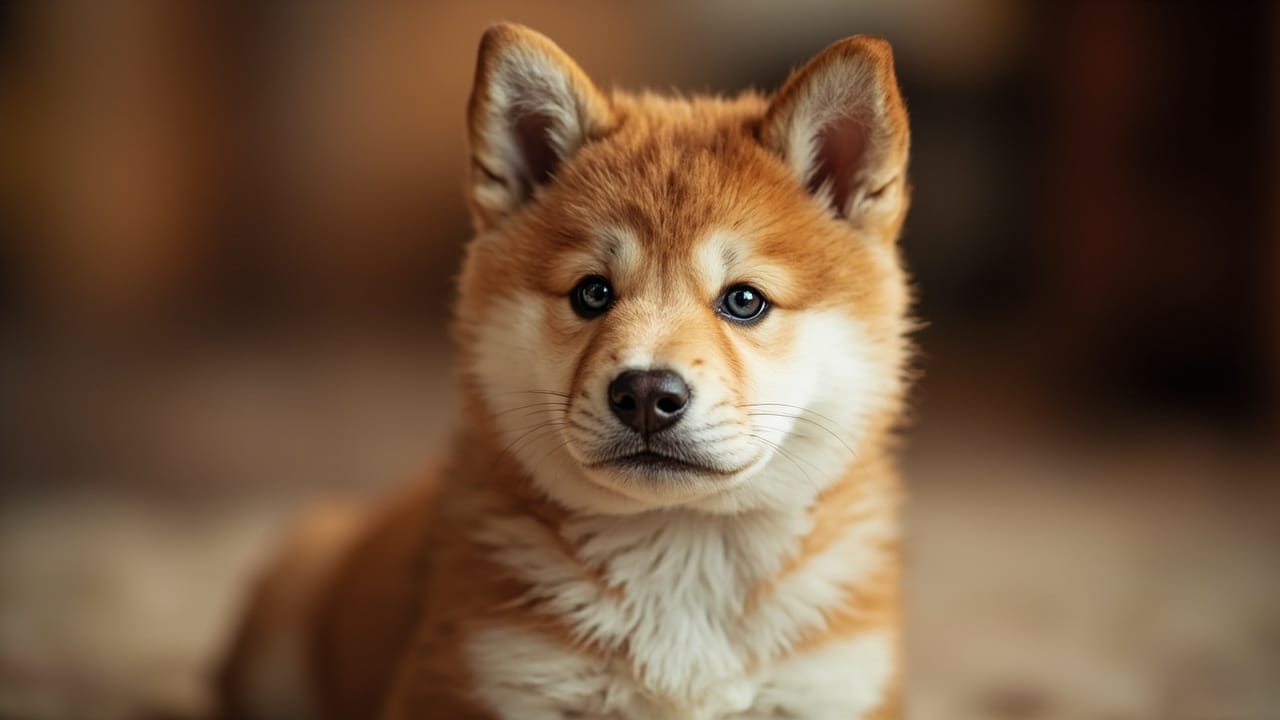
Hvis Shiba Inu-valpen din plutselig blir en «sofaspotte», nekter å spise tørrfôr og virker på en måte du ikke helt klarer å sette fingeren på, bør parvo være på radaren din. De tidligste varseltegnene på canine parvovirus hos en Shiba Inu-valp er sløvhet, appetittløshet og feber på 39,4–40,5 °C. Innen 12–24 timer utvikler nesten alle tilfeller seg til oppkast og den karakteristiske illeluktende, blodige diaréen. Fordi parvo kan ta livet av en valp på så lite som 48–72 timer, bør du i det øyeblikket du legger merke til den aller første atferdsendringen behandle det som en nødssituasjon og ringe veterinæren din eller en dyreklinikk med vakt.
Shibaer har ikke høyere genetisk risiko enn andre raser, men den typiske vekten på 1,5–3 kg ved 8 uker betyr at et lite væsketap fra oppkast eller diaré fører til rask dehydrering, noe som gjør rask handling enda viktigere.
Første 24 timer: De subtile tidlige tegnene
- Sløvhet og depresjon – valpen slutter å leke, sover gjennom måltidene og ignorerer tilrop.
- Appetittløshet – selv en valp som normalt inhalerer maten snuser og går bort.
- Feber – varme ører, tørr nese, eller målt rektal temperatur over 39,4 °C.
- Generell «ADR» («ain't doing right» – noe er galt) – erfarne Shiba-eiere beskriver ofte et sløvt uttrykk med halen inn mellom beina og glassaktige øyne.
- Mild ubehag i magen eller oppblåsthet – magen kan kjennes stram ut, eller valpen kan pipe når den løftes opp.
Disse tegnene er lette å avfeie som tannfelling, vaksinasjonsreaksjon eller bare trøtthet, og det er derfor parvo er så farlig.
Timer 24–48: De typiske symptomene
- Oppkast, ofte hvitt skum eller galle, noen ganger mat som ble spist flere timer tidligere.
- Diaré som blir blodig – fra myk gul avføring til bringebærsyltetøy-rød i løpet av timer.
- Alvorlig dehydrering – klissete tannkjøtt, hud som «telter» når den klemmes, innsunkne øyne.
- Raskt vekttap – en Shiba-valp kan miste 5–10 % av kroppsvekten på én dag.
- Svakhet og kollaps – valpen ligger på siden, for sliten til å løfte hodet.
Hvorfor parvo er en nødssituasjon hos Shibaer
Parvovirus angriper raskt delende celler: tarmveggen, benmargen og (hos unge valper) hjertemuskelen. Kombinasjonen av væsketap, bakteriell translokasjon fra tarmen og et kollapsende immunsystem betyr at en Shiba-valp som var leken ved frokosten, kan være i hypovolemisk sjokk ved middagstid. Med aggressiv behandling på sykehus (IV-væske, kvalmestillende midler, antibiotika og ernæringsstøtte) når overlevelsesraten 85–92 %. Poliklinisk eller forsinket behandling kan senke overlevelsen til under 50 %.
Hva du skal gjøre i det øyeblikket du mistenker parvo
- Ring veterinæren din eller nærmeste akuttklinikk nå. Beskriv symptomene og be om å hoppe over venterommet – parvo er svært smittsomt.
- Ikke vent for å se om det blir bedre. Oppkast og blodig diaré betyr at sykdommen allerede er fremskreden.
- Ikke gi reseptfrie stoppende midler mot diaré (f.eks. Imodium) eller mat – dette kan forverre skadene.
- Ta med en fersk avføringsprøve hvis du trygt kan samle en; ELISA-snap-testen gir svar på 10–15 minutter.
- Isoler valpen fra andre hunder hjemme og desinfiser tilsølte områder med en 1:32 blekeløsning – parvo overlever på overflater i over ett år.
Diagnose, behandling og restitusjon
Veterinæren din vil bekrefte parvo med en antigentest på avføring på klinikken (pluss noen ganger PCR eller blodprøver for å sjekke antall hvite blodlegemer). Behandlingen er støttende, ikke kurativ: IV krystalloide væsker, antiemetika som maropitant, bredspektret antibiotika, plasma- eller anti-endotoksin-transfusjoner i alvorlige tilfeller, og forsiktig gjenoppstart av fôring når oppkastet stopper. Typisk sykehusopphold varer 3–7 dager, og valper som er blitt friske skiller ut viruset i opptil 14 dager etter bedring, så de må holdes isolert fra uvaksinerte hunder i minst to uker etter at de kommer hjem.
Forebygging som faktisk virker
- Fullfør vaksinasjonsserien – Shiba-valper bør få DHPP eller tilsvarende kjernevaksiner ved 6–8 uker, deretter hver 2.–4. uke til de er 16 uker.
- Unngå offentlige hundeområder til en uke etter siste valpevaksine.
- Begrens besøkende hunder til fullvaksinerte, friske voksne.
- Desinfiser med blekemiddel eller akselerert hydrogenperoksid – Lysol og eddik dreper ikke parvovirus pålitelig.
- Karantene enhver ny hund med ukjent vaksinasjonshistorie i 14 dager.
Når parvo oppdages i løpet av de første 24 timene, er sjansen for å overleve langt større. Stol på magefølelsen din, kjenn Shibaens normale atferd, og behandle enhver endring som haster inntil en veterinær sier noe annet.
FAQ
I hvilken alder er Shiba Inu-valper mest utsatt for parvo?
Shiba Inu-valper er mest sårbare mellom 6 uker og 6 måneder, med størst risiko i perioden 8–16 uker når morantistoffene avtar, men valpevaksinasjonsserien ennå ikke er fullført.
Kan en Shiba-valp ha parvo uten blodig diaré?
Ja. Tidlig parvo viser seg ofte bare som sløvhet, feber og oppkast; blodig diaré opptrer vanligvis 12–24 timer senere, og i et lite antall tilfeller (spesielt hos svært unge eller tidlig behandlede valper) utvikler det seg aldri synlig blod.
Hvor lenge varer parvo hos en Shiba Inu hvis den behandles?
Med aggressiv sykehusbehandling varer den aktive sykdommen vanligvis 5–7 dager, men full restitusjon av tarmvegg og vekt kan ta 2–4 uker, og valpen fortsetter å skille ut viruset i opptil 14 dager etter at symptomene gir seg.
Er Shiba Inu mer utsatt for parvo enn andre raser?
Nei. Shibaer er ikke genetisk mer mottakelige, men den lille kroppsstørrelsen (1,5–3 kg ved 8 uker) gjør at dehydrering og hypoglykemi inntrer raskere, noe som gjør rask veterinærhjelp enda viktigere.
⚕️ This article is researched from the AKC and NIPPO breed standards, OFA/CHIC health data and veterinary sources. It is for general information only and is not a substitute for advice from your own veterinarian.