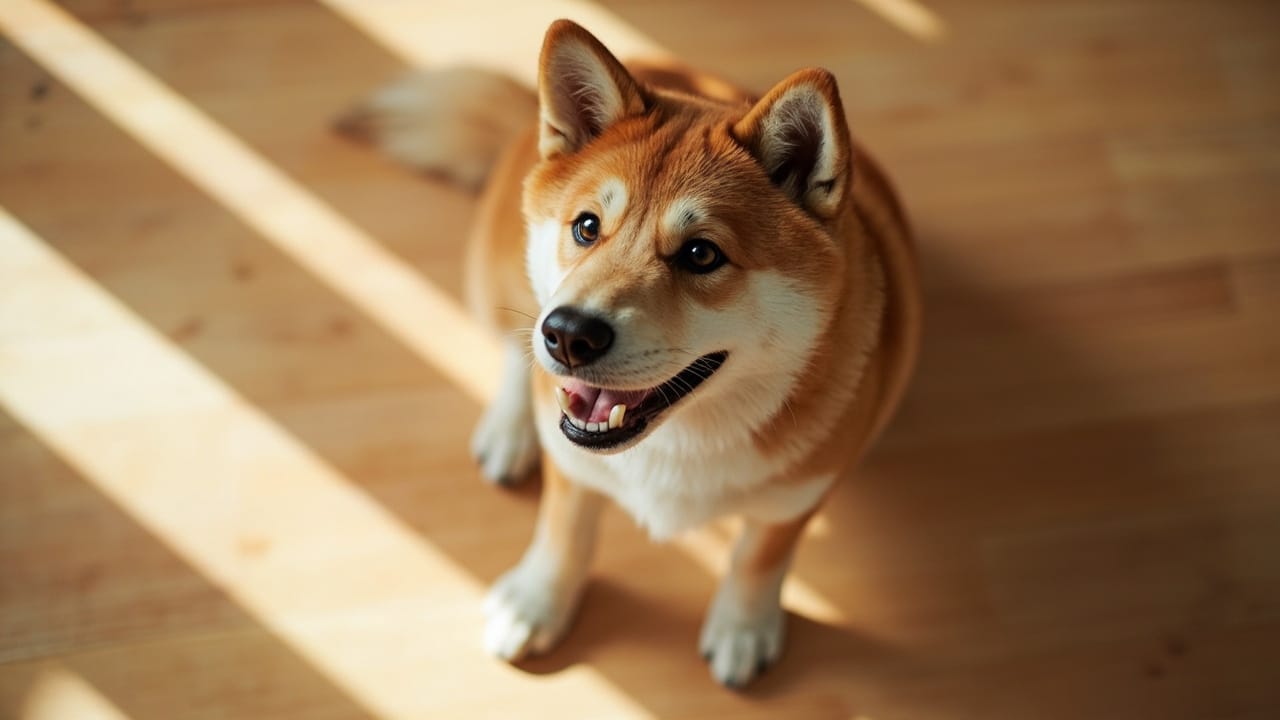
Slik får du en Shiba Inu-valp til å slutte å bite og nappe
Få en Shiba Inu-valp til å slutte å bite ved å trekke oppmerksomheten til deg idett tennene berører hud, omdirigere bittene til en leke, og forsterke rolig munnåpning med godbiter. Shibaer er en uavhengig, byttedyrdrevet rase, så konsistens, daglige bitehemming-øvelser og rikelig med aerob trening er et absolutt krav. De fleste valper slutter å nappe hardt ved 5–6 måneders alder hvis hvert familiemedlem følger de samme reglene.
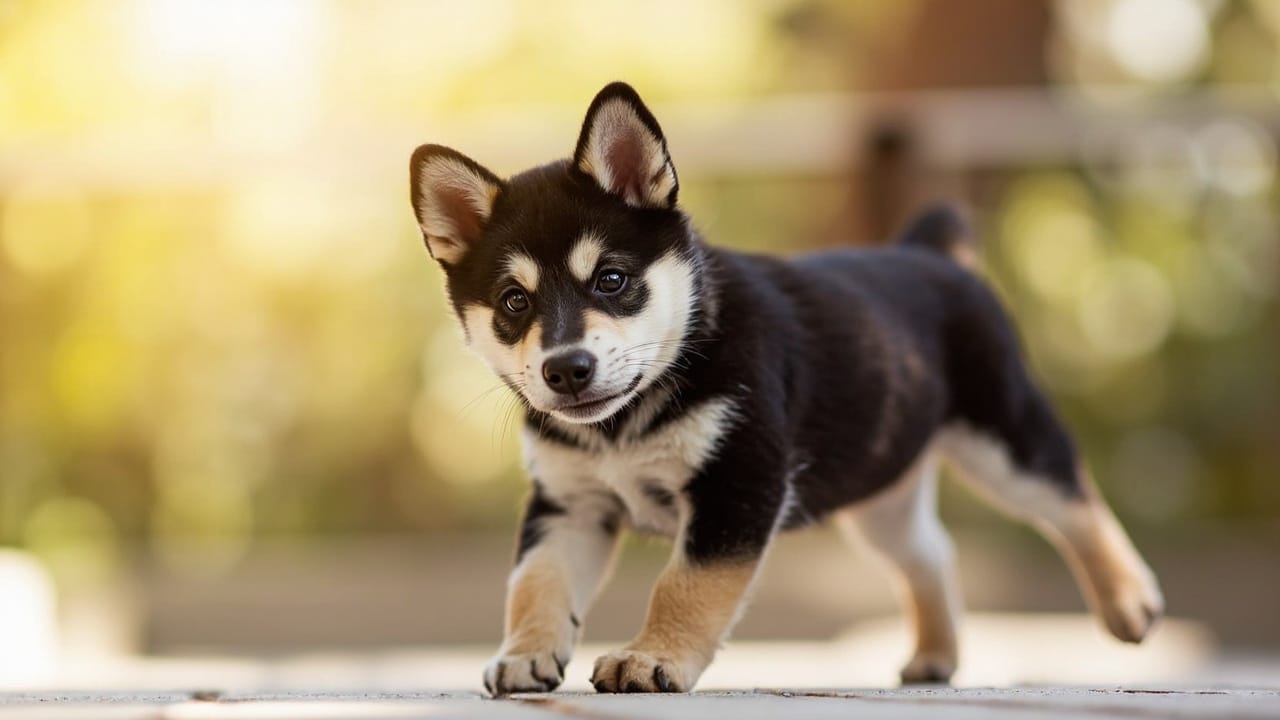
En Shiba Inu-valp napper fordi det er slik valper utforsker verden, og rasen har en uvanlig sterk byttedyrdrift i tillegg til normal valpeatferd. Den gode nyheten: bitehemming kan trenes, og Shibaens intelligens gjør at den responderer raskt så snart du er konsekvent. Det korte svaret: pip eller reis deg stille, frys samspillet i 20–30 sekunder, omdiriger til en solid tyggeleke, og belønn deretter rolig atferd med alle fire poter i bakken. Gjenta dette flere ganger om dagen, og du vil se en reell endring i løpet av 2–4 uker, med mesteparten av bitingen borte ved 5–6 måneders alder.
Shiba-valper bruker munnen hardere og lenger enn mange andre raser fordi de opprinnelig var kvistved-jagende hunder i Japans fjell. Denne byttedyrdriften gjør at hender, ankler og ermekantene ser ut som bevegelige mål. Kombiner det med rasens berømte uavhengighet — en Shiba vil teste om din regel faktisk betyr noe — og du får et biteproblem som belønner slurvete trening.
Bruk metoden «Bitting avslutter moroa»
Valper lærer bitetrykk fra kull-søsknene sine: pip → lekekameraten forsvinner → jeg mistet noe jeg ville ha. Gjenskap dette hjemme.
- Idet tennene berører hud, si et flatt «au» (eller vær stille — velg én metode og hold deg til den).
- Reis deg, snu deg bort, kryss armene. Ingen øyekontakt, ingen prat.
- Vent i 20–30 sekunder, og gjenoppta leken med en leke mellom hånden din og valpen.
- Hvis valpen biter deg igjen, forlat rommet rolig eller sett valpen i et bur/gjerde i ett minutt.
- Etter en rolig pause, kom tilbake og belønn enhver myk munnåpning eller atferd med alle fire poter i bakken med en godbit.
Hver eneste person i husstanden må følge nøyaktig den samme regelen. Shibaer oppdager inkonsekvens umiddelbart og utnytter det.
Omdiriger til tillatte tyggeleker
Valper trenger å tygge. Din jobb er å velge hva som er tillatt.
- Ha alltid med deg én solid leke — en gummi-Kong, en Yak-ostetygger eller en flørte-stang å dra i.
- Beveg leken gjennom den lukkede hånden din slik at valpen lærer å bite leken, ikke fingrene.
- Roter mellom 3–4 tyggeleker slik at de «tillatte» alternativene holder seg nye og interessante.
- For ankler og bukser (klassisk Shiba-mål), ha med deg en drageleke på tur; omdiriger i det øyeblikket valpen sirkler rundt beina dine.
Unngå gammelt råd som «stikk en finger ned i halsen» eller alfavendinger. En Shibas uavhengighet gjør at dominans-taktikker slår tilbake og ofte forverrer bitingen.
Brenn av byttedyrdriften med daglig mosjon
En sliten Shiba-valp er en valp med myk munnåpning. Denne rasen er avlet for å være i bevegelse.
- To 15–20 minutters snuse-turer per dag (etter fullvaksinasjon).
- Én flørte-stang- eller apport-økt i hagen — å la valpen jakte tilfredsstiller det samme bevegelsesmønsteret som ellers blir til napping.
- 10 minutter med trening spredt utover dagen. Mentalt arbeid sliter dem ut raskere enn fysisk arbeid.
Sikt mot et tydelig «Shiba 500»-zoomies-vindu én eller to ganger om dagen — det er normalt, og å dekke det underliggende mosjonsbehovet forkorter bitefasen.
Lær en standard «Sitt» og håndmål
Erstatt bitt-refleksen med en konkurrerende atferd.
- Håndmål: hold en godbit i en flat hånd; klikk og belønn når snuten berører. Form dette til valpen dulter borti hånden din i stedet for å bite den når den blir ivrig.
- Standardsitt: hver gang du strekker deg frem for å klappe, vent ett øyeblikk på at valpen setter seg. Belønn sitte-atferden. Valper som tilbyr sitt for å hilse, biter sjelden.
- «Ro på matte»: en 5-minutters dekk- og bli-øvelse på et håndkle med godbiter droppet hvert 10. sekund. Bygger impulskontroll.
Fem korte økter om dagen slår én lang økt for denne rasen.
Styr miljøet mellom øktene
Du kan ikke trene en valp du ikke har tilsyn med. Inntil nappingen er under kontroll:
- Bruk en hus-line (en 1,8 m lang line som slepes på gulvet) slik at du kan tråkke på den for å avbryte.
- Sett opp babygjerder foran kjøkken og døråpninger der ankler er mest fristende.
- Skaff en gravekasse eller en snusematte for den samme munn- og nese-aktiveringen som nappingen tilfredsstiller.
- Sett valpen i bur eller gjerde under zoomies-vinduene hvis du ikke aktivt kan omdirigere.
Når bør du være bekymret
Mesteparten av Shiba-valpers biting er normal utvikling. Snakk med veterinæren din eller en sertifisert positiv-forsterkning-trener hvis:
- Bitingen er kombinert med harde blikk, ressursforsvar eller stiv kroppsspråk etter 12 uker.
- Bitt skader huden etter 5 måneders alder.
- Valpen fryser eller knurrer når den håndteres hvor som helst på kroppen.
Dette kan signalisere frykt, smerte eller tidlige atferdsproblemer som ikke er relatert til vanlig valpenapping.
Konsistens, mosjon, omdirigering og tålmodighet vinner med Shibaer. Hold ut programmet i 4–6 uker, og din skarpe lille kvistved-valp vil bli den høflige, rolig-munnede voksne hunden rasen er kjent for.
FAQ
- Ved hvilken alder slutter Shiba Inu-valper å bite?
- Bør jeg bruke en bitter spray for å stoppe Shiba-valpen min fra å nappe?
- Hvorfor biter Shiba-valpen min anklene mine, men ikke partnerens?
- Er «Shiba-skriket» knyttet til biteatferd?
FAQ
Ved hvilken alder slutter Shiba Inu-valper å bite?
De fleste Shiba-valper vokser ut av den harde, skarpe nappefasen ved 5–6 måneders alder. Myk munnkontroll kan ta til 8–10 måneder etter hvert som de voksne tennene setter seg.
Bør jeg bruke en bitter spray for å stoppe Shiba-valpen min fra å nappe?
Bitter-spray fungerer sjelden på Shibaer; rasen er kjent for å være stoisk og ignorerer ofte bitter smak. Bruk «biting avslutter moroa»-omdirigering og mosjon i stedet.
Hvorfor biter Shiba-valpen min anklene mine, men ikke partnerens?
Shibaer sikter seg inn på den som beveger seg raskest eller reagerer mest. Ankle-bitere fokuserer vanligvis på personen som rykker til, hyler eller jager valpen. Bruk tykke sokker og vær kjedelig til bitingen stopper.
Er «Shiba-skriket» knyttet til biteatferd?
Shiba-skriket er en vokal protest (veterinærbesøk, bad, fastholding) og er ikke relatert til leke-biting. En valp som skriker og biter er som regel redd, ikke dominant, så reduser intensiteten og bygg selvtillit med belønningsbasert trening.