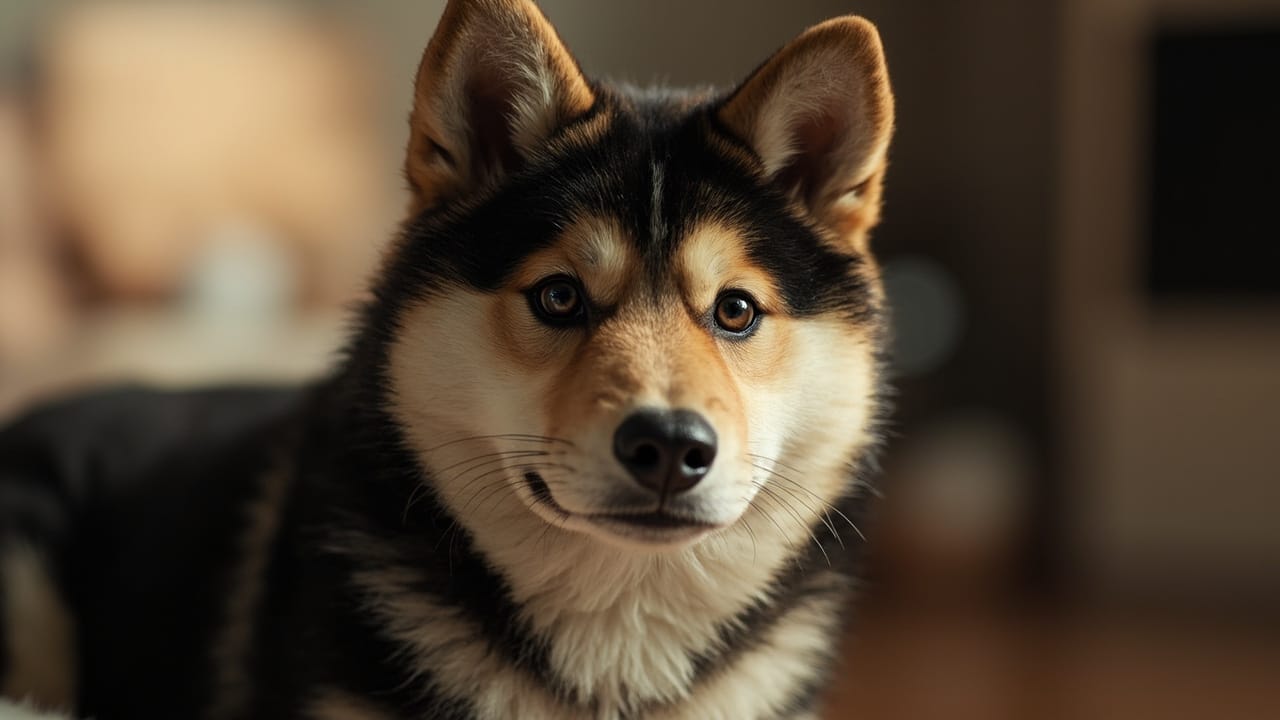
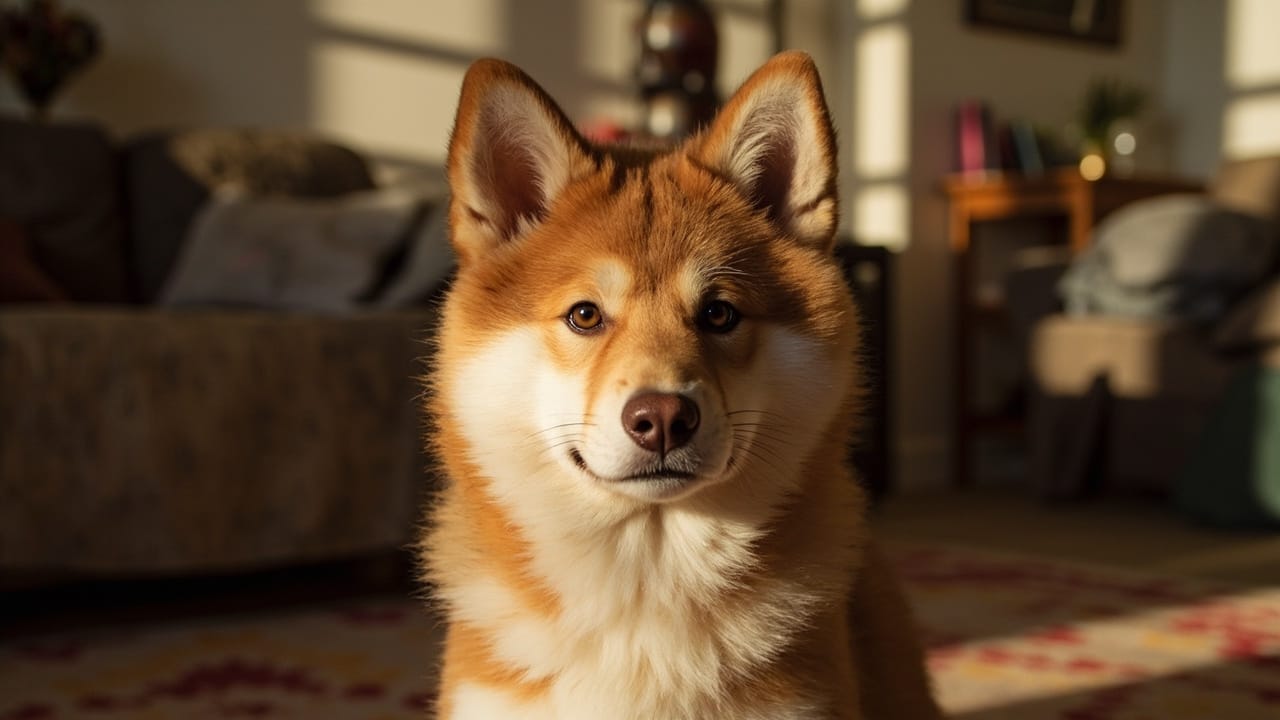
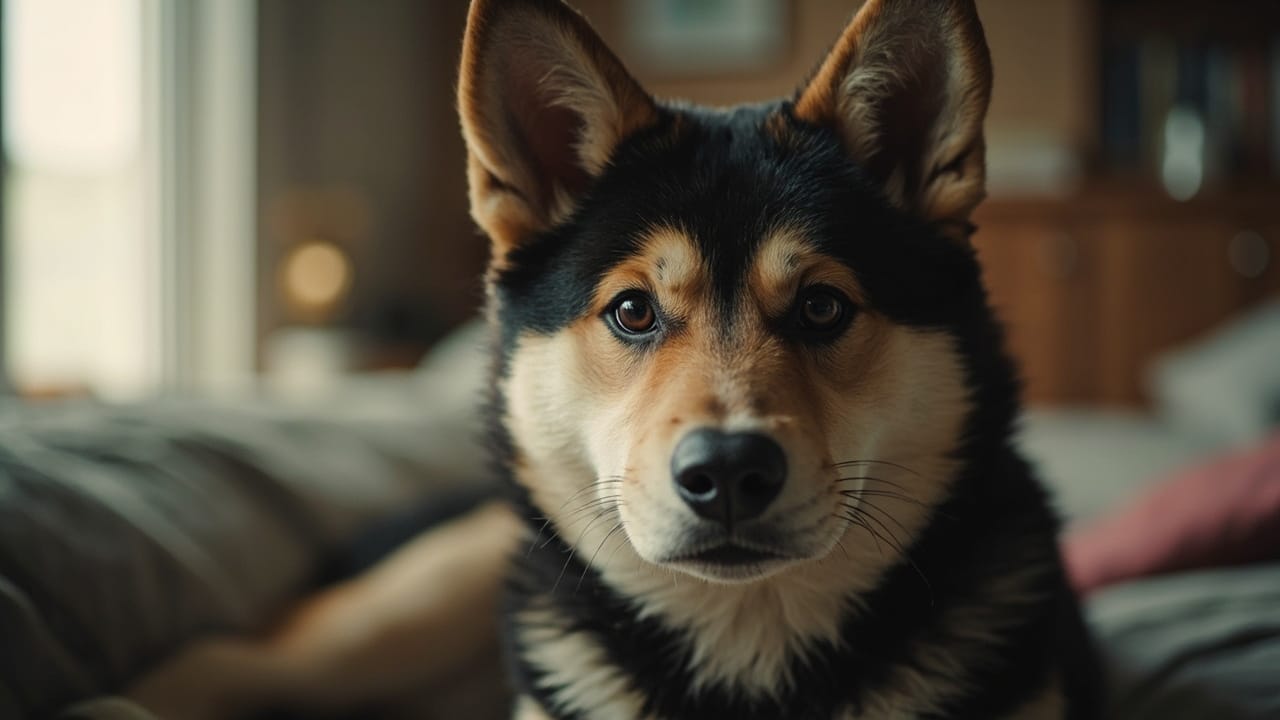
Shiba Inu-valpens utvikling: En uke-for-uke-guide (0–16 uker)
Shiba Inu-valper følger en forutsigbar utviklingsbue fra en blind, døv neonat ved uke 1 til en selvsikker, uavhengig ung hund ved uke 16. Det viktigste sosialiseringsvinduet faller mellom uke 3 og 12, når eksponering for mennesker, lyder, overflater og håndtering direkte former rasens beryktede reserverte, primitive temperament.
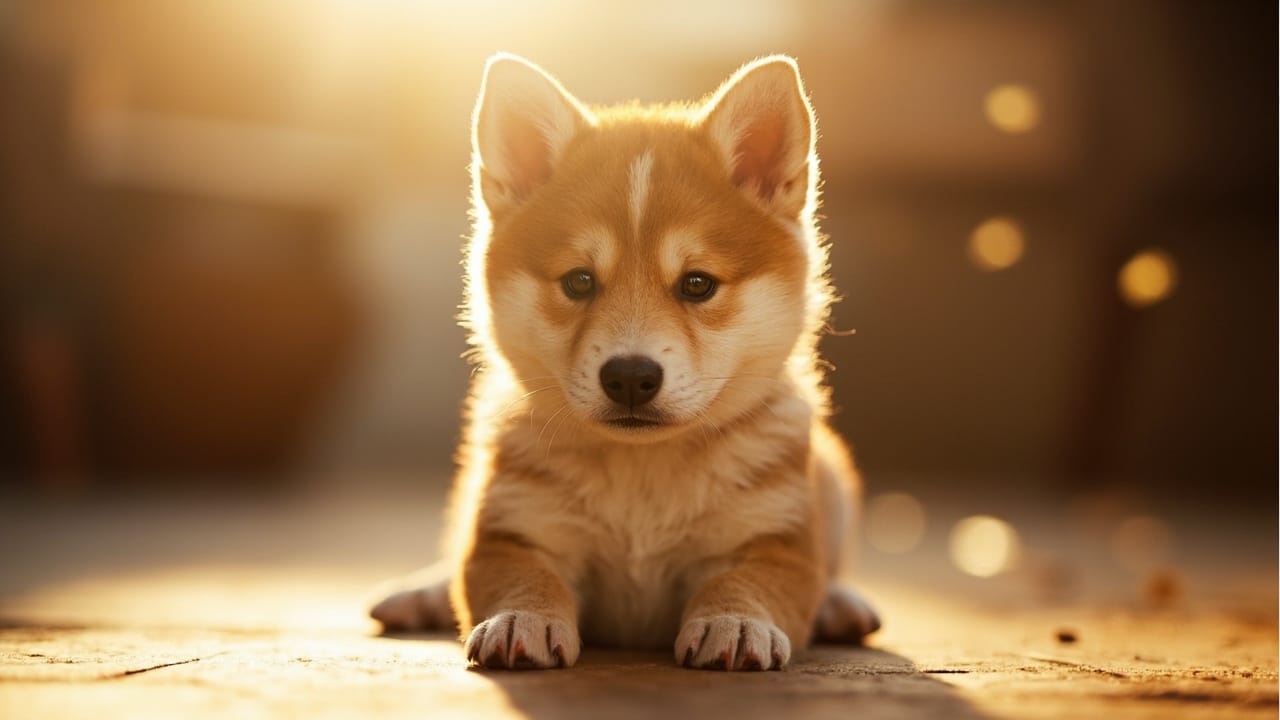
En Shiba Inu-valp forandrer seg mer på fire måneder enn de fleste hunder gjør i løpet av et helt liv. Å forstå den uke-for-uke-utviklingen hjelper deg med å dekke rasens behov i akkurat det rette øyeblikket, spesielt i det korte sosialiseringsvinduet som avgjør om din voksne Shiba blir en stabil følgesvenn eller en reaktiv, skarp-temperert en.
Uke 1: Nyfødtperioden
Nyfødte Shiba-valper er blinde, døve og ute av stand til å regulere kroppstemperaturen. De tilbringer omtrent 90 % av tiden med å sove og er fullstendig avhengige av tispen. Vekt bør overvåkes daglig; friske valper dobler fødselsvekten i løpet av de første 7–10 dagene. Oppdretteren håndterer dem kort for tidlig nevrologisk stimulering (ENS), en metode som har vist seg å forbedre stresstoleransen senere i livet.
Uke 2–3: Overgangsperioden
Øynene åpner seg rundt dag 10–14, og øregangene åpner seg ved dag 17. Valpene begynner å stå, logre og samhandle med kull-søsken. Det er nå de første vaklende forsøkene på å gå skjer. Oppdretteren bør fortsette med skånsom daglig håndtering.
Uke 3–4: Kritisk sosialisering begynner
Dette er den viktigste uken i en Shibas liv. Valpene blir bevisste på sin egen art, skvetter ved lyder og lærer bitehemming fra tispen og kull-søsknene. Tispen begynner avvenningen rundt uke 4. Introduser myke nye overflater, milde husholdningslyder og kort menneskekontakt borte fra kullet.
Uke 4–7: Det primære sosialiseringsvinduet
Valpene bør nå oppleve:
- Flere vennlige mennesker i ulike aldre, størrelser og klær
- Nye lyder (støvsuger, TV, tordenopptak på lavt volum)
- Ulike gulvteksturer: gress, fliser, teppe, tre, grus
- Bilturer, bur og skånsomme pleieverktøy (børste, neglefil)
- Vaksinerte, stabile voksne hunder utenfor husstanden
Shibaer som ikke eksponeres for nyheter i dette vinduet, vokser ofte inn i stereotypen av rasen: hundaggressiv, menneskesky og reaktiv. Sikte mot minst én ny positiv opplevelse per dag.
Uke 5–6: Topp nysgjerrighet og avvenning
Dette er den ideelle tiden for korte positive-forsterkningsøkter: en klikker, en godbit, et navn. Valper lærer raskest i 2–3 minutters bolker. De fleste anerkjente oppdrettere plasserer valpene i sine nye hjem mellom uke 9 og 12, aldri tidligere enn 8 uker, fordi fjerning av en Shiba fra tispen før uke 8 dramatisk øker risikoen for ressursforsvar, separasjonsangst og bitehemmingsproblemer.
Uke 7–9: Frykt-påvirkning-vinduet
En enkelt traumatisk hendelse i denne perioden kan sette et varig preg. Unngå:
- Vaksinasjoner og stell i samme besøk når det er mulig
- Høylytte folkemengder, tvungen kontakt med fremmede
- Korreksjonsbaserte treningsmetoder
Knytt enhver ny opplevelse til mat, lek eller kos.
Uke 9–12: Hjemkomst og tilknytning
De fleste Shiba-valper kommer hjem ved 9–10 ukers alder og veier omtrent 2–3 kg. Burtrening, navnegjenkjenning og pottetrening bør starte umiddelbart. Avtal første veterinærbesøk innen 72 timer, start valpevaksiner og fortsett med daglige sosialiseringsturer. Hold øktene korte og avslutt med suksess.
Uke 12–16: Unghund-oppsvinget
Forvent de første «Shiba 500»-rundene, intens tannfelling og en merkbar økning i uavhengighet. Dette er toppperioden for biting, tygging og grensetesting. Fortsett sosialiseringen i offentlige omgivelser ukentlig, forsterk innkalling med godbiter av høy verdi, og start desensibilisering for støvsuger, børste og negleklipping. Valpekurs anbefales sterkt fremfor hundepark-eksponering, som er for uforutsigbar for rasen.
Utviklingsmilepæler på et øyeblikk
| Uke | Milepæl |
|---|---|
| 1 | Øyne og ører lukket, avhengig av tispen |
| 2 | Øynene åpner seg, første skritt |
| 3 | Skvetterespons, sosial bevissthet |
| 4 | Avvenning begynner, ENS fullført |
| 5 | Introduksjon av navn og klikker |
| 7 | Frykt-påvirkning-vinduet åpner seg |
| 8 | Minimum trygg alder for å forlate tispen |
| 9–10 | Typisk omplasseringsalder |
| 12 | Unghund-uavhengighet begynner |
| 16 | Selvtillitsvinduet stenger |
Praktiske råd for eiere
- Velg en oppdretter som beholder valpene til minst 9 uker og gir tidlige sosialiseringslogger.
- Fortsett aktiv sosialisering til uke 16, ikke uke 12.
- Unngå hundeparken til voksenvaksinene er fullført og hunden er sosialt pålitelig, ofte 12–18 måneder for Shibaer.
- Dokumenter vekt, vaksinasjonsdatoer og treningsmilepæler slik at veterinæren kan oppdage forsinkelser tidlig.
En Shiba Inu som er oppfostret gjennom disse stadiene med hensikt, er markant roligere, mer selvsikker og enklere å leve med enn en som er oppvokst i en kennell eller isolert hjemmemiljø.
FAQ
When can a Shiba Inu puppy leave its mother?
Anerkjente oppdrettere plasserer Shiba-valper mellom 9 og 12 uker. Å fjerne en valp før 8 uker er sterkt knyttet til senere atferdsproblemer, inkludert ressursforsvar, dårlig bitehemming og separasjonsangst.
What is the most important week for Shiba Inu socialization?
Uke 3 til 12 er det primære sosialiseringsvinduet, med uke 7 til 9 som spesielt sensitive på grunn av frykt-påvirkning-perioden. Manglende eksponering i denne perioden er vanskelig å fullt kompensere for senere.
How much should a Shiba Inu puppy weigh by week?
Fødselsvekten dobles vanligvis i løpet av de første 7–10 dagene. Ved 8 uker veier en frisk Shiba-valp vanligvis 2–3 kg og når omtrent 6–8 kg ved 16 uker. Voksenvekt er omtrent 10 kg for hanner og 8 kg for tisper.
At what age do Shiba Inus calm down?
De fleste Shibaer viser merkbar roligere atferd mellom 18 og 24 måneder, etter at ungdomsfasen er over. Full emosjonell modning tar ofte 3 år, og rasen beholder et sterkt jaktinstinkt og en uavhengig natur gjennom hele livet.