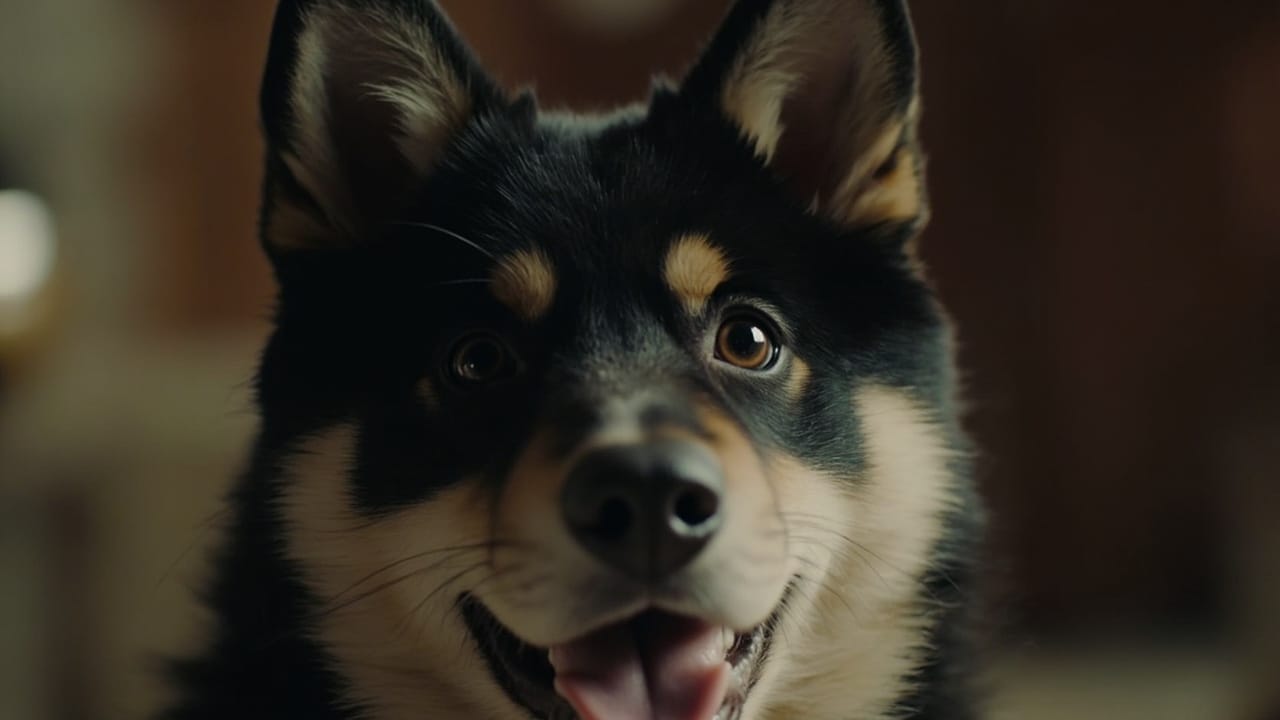
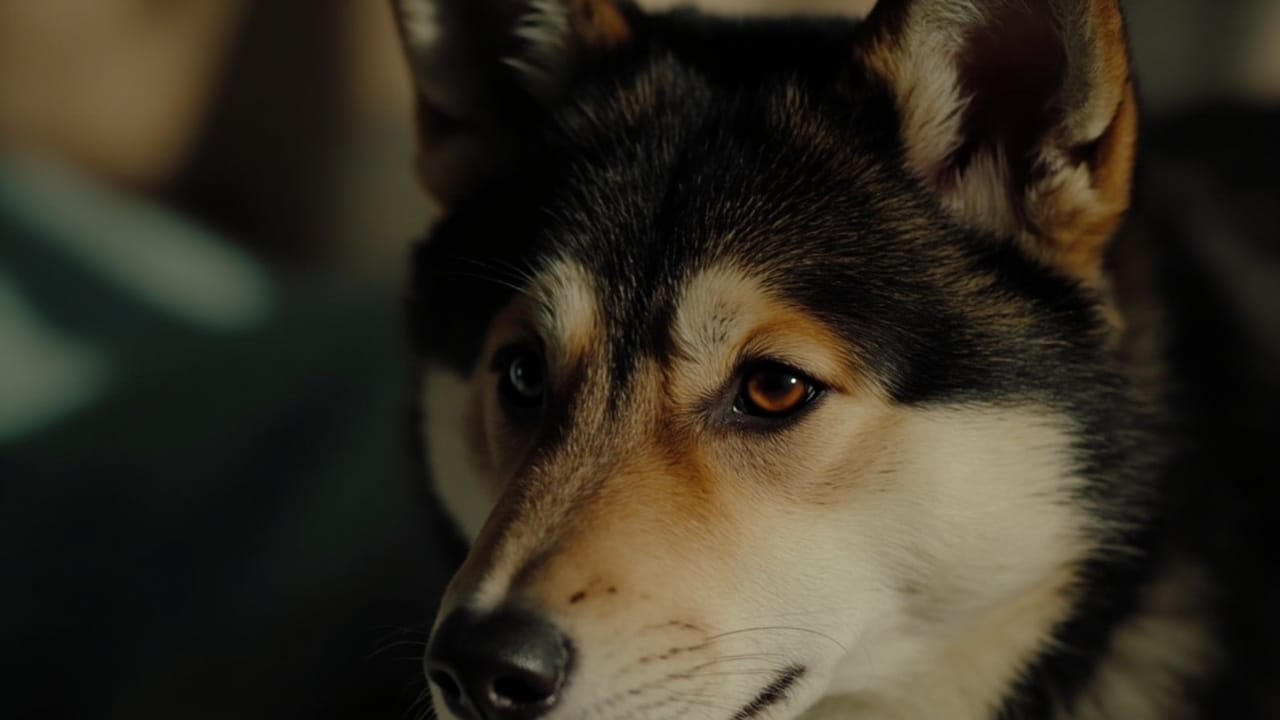
Bør du mikrochippe din Shiba Inu? Hvordan det fungerer
Ja, du bør mikrochippe din Shiba Inu. En mikrochip er en permanent RFID-implantat på størrelse med et riskorn, plassert under huden mellom skulderbladene, koblet til et unikt ID-nummer i en database for gjenfinning av kjæledyr. Det øker dramatisk sjansene for at din fluktkunstner-Shiba blir returnert hvis de noeninne smetter ut av hagen, stikker gjennom en dør, eller blir borte på reise.

Ja, du bør mikrochippe din Shiba Inu. En mikrochip er en permanent RFID-implantat på størrelse med et riskorn, plassert under huden mellom skulderbladene, koblet til et unikt ID-nummer i en database for gjenfinning av kjæledyr. Det øker dramatisk sjansene for at din fluktkunstner-Shiba blir returnert hvis de noeninne smetter ut av hagen, stikker gjennom en dør, eller blir borte på reise. For en rase med et beryktet sterkt jaktinstinkt, smarte problemløsningsevner og et velfortjent rykte for Houdini-nivå flukter, er mikrochipping en av de mest rimelige, smertefrie og pålitelige formene for permanent identifikasjon du kan gi hunden din.
Hva en mikrochip faktisk er
En mikrochip er ikke en GPS-sporer. Det er en passiv radiofrekvensidentifikasjon (RFID)-transponder forseglet i en biokompatibel glasskapsel, omtrent på størrelse med et riskorn (ca. 12 mm lang og 2 mm bred). Den inneholder:
- Et unikt 9-, 10- eller 15-sifret identifikasjonsnummer
- Ingen batteri, ingen bevegelige deler, ingen egen strømkilde
- En antennespole som bare aktiveres når den skannes av en kompatibel leser
Ettersom den ikke har batteri, varer chipen hele hundens levetid — typisk 25 år eller mer — langt lengre enn en Shibas allerede imponerende levealder på 13–16 år.
Hvordan prosedyren fungerer
Implantering er rask og enkel:
- En veterinær eller utdannet tekniker injiserer chipen under den løse huden mellom skulderbladene med en steril, ferdigladet nål
- Ingen bedøvelse er nødvendig; de fleste Shibaer reagerer omtrent like mye som ved en rutinevaksinering
- Besøket tar bare noen få minutter og kan gjøres under en vanlig helsesjekk
- Smerte eller komplikasjoner er sjeldne — mild, forbigående ømhet på injeksjonsstedet er den vanligste reaksjonen
Mange eiere kombinerer mikrochipping med kastrering/sterilisering slik at hunden allerede er under narkose, selv om det er helt trygt å gjøre det alene.
Hvordan en bortkommen Shiba blir gjenforent med deg
Mikrochipen i seg selv er ubrukelig før den er koblet til kontaktinformasjonen din. Prosessen fungerer i fem trinn:
- Veterinæren din registrerer chipnummeret i produsentens database (HomeAgain, AKC Reunite, PetLink osv.)
- Du oppretter en onlineprofil med navn, telefonnumre og nødkontakter
- Hvis Shibaen din blir funnet, skanner enhver veterinærklinikk, dyrehjem eller dyrevernkontakt dem med en universell leser
- Skanneren leser chipnummeret og identifiserer registreringsdatabasen
- Registeret kontakter deg direkte med stedet der finneren befinner seg
Dette er nøyaktig hvordan bortkomne Shibaer har blitt gjenforent med familiene sine etter å ha rømt under fyrverkeri, glippet av halsbåndet på tur, eller presset seg gjennom svake gjerdeplanker. Shibens sterke jaktinstinkt betyr at de jakter ekorn, katter eller småvilt ut i trafikken eller langt hjemmefra — en mikrochip er ofte den eneste måten en finner kan nå deg på.
Mikrochip vs. halsbånd og merke
Halsbånd og ID-merker er fortsatt viktige — de er den raskeste måten for en godhjertet forbipasserende å ringe deg. Men Shibaer er beryktede for å vri seg ut av seler, smette ut av martingalhalsbånd og miste merker. En mikrochip er den permanente backupen som ikke kan falle av, hekte seg fast i en gren eller fjernes.
Bruk begge deler. Et merke med telefonnummeret ditt håndterer de 90 % av tilfellene der noen finner hunden din på fortauet. Mikrochipen håndterer de resterende 10 % — hunden som blir funnet uker senere, mil fra hjemmet, uten halsbånd.
Vanlige bekymringer adressert
- Gjør det vondt? Sammenlignbart med en blodprøve eller vaksine. Shibaer piper vanligvis kort og går videre.
- Kan den vandre? Sjelden kan en chip flytte seg noen centimeter nedover skulderen. Veterinærer er opplært til å skanne hele skulder- og brystområdet av denne grunn.
- Vil den utløse flyplassikkerhet? Nei. Mikrochiper opererer på en annen frekvens enn sikkerhetsskannere og vil ikke utløse alarmer.
- Er det lovpålagt? Mikrochipping er obligatorisk i flere land (Storbritannia, Frankrike, Australia, store deler av EU) og i økende grad påkrevd lokalt i deler av USA. Sjekk din stat og kommune.
- Erstatter den rabiesmerket? Nei. Rabiesvaksinasjonsmerker er fortsatt lovpålagt i de fleste jurisdiksjoner; mikrochipen er en medisinsk registrering, ikke et vaksinasjonssertifikat.
Ett kritisk steg de fleste eiere glemmer
En mikrochip er bare så god som informasjonen bak den. Etter implantering:
- Registrer chipen umiddelbart og hold adresse og telefonnummer oppdatert
- Oppdater profilen din hver gang du flytter, bytter telefonnummer eller e-post
- Hvis du har adoptert Shibaen din, sørg for at chipen er omregistrert i ditt navn — mange redningsorganisasjoner overfører chipen til redningens konto, ikke din
- Betal den lille årlige eller livslange registeravgiften hvis det kreves (HomeAgain tar et engangsbeløp på $19,99 pluss valgfritt medlemskap)
Å mikrochippe en Shiba Inu koster omtrent $25–$50 når det gjøres ved et veterinærbesøk, og lavkostklinikker inkluderer det ofte for $10–$25. Sammenlignet med en Shiba-valp til en pris av $1 400–$2 500 fra en anerkjent oppdretter, er det den billigste forsikringen du noeninne vil kjøpe for hunden din.
Konklusjon
Mikrochipping er en rask, trygg, permanent og rimelig form for identifikasjon som er sterkt anbefalt for enhver Shiba Inu. Gitt rasens fluktendenser, sterke jaktinstinkt og uavhengige natur, er en mikrochip ikke valgfri — den er essensiell. Kombiner den med et godt tilpasset halsbånd og et oppdatert ID-merke, hold registerkontaktopplysningene dine oppdatert, og du har gitt Shibaen din den best mulige sjansen til å komme hjem hvis den noeninne blir borte.
FAQ
I hvilken alder bør en Shiba Inu mikrochippes?
Shiba Inu-valper kan mikrochippes så tidlig som 6–8 uker gamle, og mange oppdrettere mikrochiper før valpen reiser hjem. Det gjøres ofte samtidig med de første vaksinene eller under kastrering/sterilisering.
Kan jeg spore Shiba Inu-en min med en mikrochip?
Nei. En mikrochip er en RFID-identifikator, ikke en GPS-sporer. Den overfører kun et statisk ID-nummer når den skannes på nært hold. For sanntids posisjonssporing, bruk en separat GPS-halsbåndsenhet som en Tractive eller Apple AirTag på halsbåndet.
Hvor mye koster det å mikrochippe en Shiba Inu?
Mikrochipping koster vanligvis $25–$50 ved de fleste veterinærklinikker og $10–$25 ved lavkost vaksinasjonsklinikker. Livstidsregistrering i databaser som AKC Reunite eller HomeAgain koster omtrent $19,99–$65 avhengig av planen.
Må Shiba Inus mikrochippes for å fly eller reise internasjonalt?
Ja. En mikrochip som samsvarer med ISO 11784/11785 kreves for å reise inn i EU, Storbritannia, Japan, Australia og de fleste land. USA krever for øyeblikket ikke mikrochiper for innreise, men flyselskaper krever en ISO-kompatibel chip for internasjonale reiser.
⚕️ This article is researched from the AKC and NIPPO breed standards, OFA/CHIC health data and veterinary sources. It is for general information only and is not a substitute for advice from your own veterinarian.