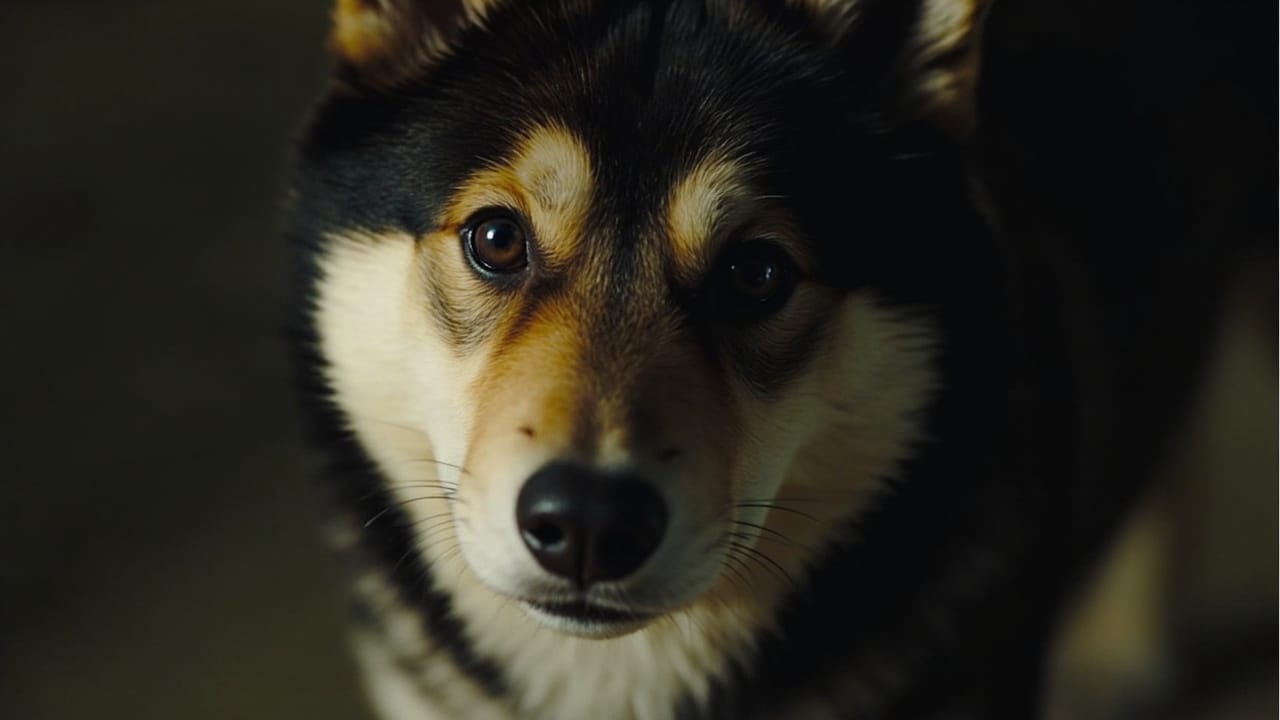
Właściciele Shiba Inu w Europie: czipowanie, rejestracja i przepisy o podatku od psa
Wszyscy właściciele Shiba Inu w Europie muszą wszczepić psu czip i zarejestrować go zgodnie z rozporządzeniem UE 998/2003, które stało się obowiązkowe przy podróżach transgranicznych. Poza tym każdy kraj sam ustala zasady dotyczące krajowych rejestrów, podatku od psa, ograniczeń dotyczących konkretnych ras oraz wymogów dotyczących smyczy i kagańca, których właściciele Shiba muszą przestrzegać.

Ogólnounijne zasady czipowania i rejestracji
Każdy Shiba Inu mieszkający w Unii Europejskiej lub podróżujący po niej musi być oznakowany czipem zgodnym z normą ISO 11784/11785, a czip ten musi być powiązany z ważnym szczepieniem przeciw wściekliźnie, zanim pies będzie mógł przekroczyć granice. Oryginalne unijne rozporządzenie dotyczące przemieszczania zwierząt towarzyszących (998/2003) zostało zastąpione w 2016 roku ramami European Pet Network, ale praktyczny wymóg pozostał ten sam: najpierw czip, potem szczepienie przeciw wściekliźnie po wszczepieniu czipa, a następnie rejestracja w zatwierdzonej krajowej bazie danych.
W przypadku właścicieli Shiba konkretnie: czip powinien być wszczepiony przed podaniem jakiejkolwiek szczepionki przeciw wściekliźnie; w przeciwnym razie weterynarze w wielu państwach członkowskich odmówią wpisania danych do paszportu. Szczenięta zazwyczaj otrzymują pierwsze szczepienie przeciw wściekliźnie w wieku 12 tygodni w kontynentalnej Europie, a paszport staje się ważny 21 dni później. Paszport UE dla zwierząt towarzyszących jest nadal wydawany na poziomie krajowym, ale jeden dokument wystarcza do podróży po wszystkich krajach UE oraz w kilku krajach spoza UE.
Rejestracja i podatek od psa w poszczególnych krajach
Choć czip jest uniwersalny, podatek od psa (Hundesteuer, taxe canine, tassa sui cani) ustalany jest lokalnie i może się znacznie różnić, nawet między miastami w tym samym kraju.
Niemcy są najsurowszym przykładem. Każda gmina nakłada Hundesteuer, zazwyczaj 90–180 € rocznie za pierwszego psa, z dopłatami za drugiego psa wynoszącymi ponad 200 €. Niektóre kraje związkowe (Badenia-Wirtembergia, Bawaria, Hamburg, Dolna Saksonia, Szlezwik-Holsztyn, Nadrenia Północna-Westfalia, Saara, Brema, Hesja, Turyngia) klasyfikują kilka ras na liście 1 lub liście 2, ale Shiba Inu nie znajduje się na żadnej liście. Jednak władze mogą zażądać testu behawioralnego („Wesentest"), jeśli Shiba wykazuje agresję, dlatego solidna socjalizacja i nauka chodzenia na smyczy w wieku 8–16 tygodni są warte zachodu.
Francja wymaga rejestracji w Fichier National d'Identification des Carnivores Domestiques (I-CAD) po wszczepieniu czipa, co weterynarz załatwia automatycznie. Roczna „contribution de garde" w wysokości około 10–30 € jest w większości gmin opcjonalna, ale większość miast pobiera również podatek od psa. We Francji nie ma przepisów dotyczących konkretnych ras skierowanych przeciw Shiba, ale psy z kategorii 1 i 2 (głównie typy mastyfów i linie American Staffordshire) podlegają dodatkowym zasadom.
Holandia zniosła swój krajowy podatek od psa w ramach ustawy Wet houdbare gemeentefinanciën z 2013 roku, pozostawiając każdej gminie możliwość jego ustalenia. Niektóre, jak Eindhoven, pobierają około 110 € za pierwszego psa, podczas gdy wiele mniejszych miejscowości całkowicie zrezygnowało z tego podatku. Wszystkie psy muszą być oznakowane czipem i zarejestrowane w krajowej bazie danych; obowiązkowa kastracja niektórych ras nie dotyczy obecnie Shiba.
Włochy pobierają regionalny podatek od psów (Tassa regionale cani) w wysokości około 15–30 €, a w niektórych obszarach dodatkowy miejski podatek od psa. Włoscy właściciele Shiba muszą również zarejestrować się w lokalnym biurze weterynaryjnym ASL w celu wpisania do bazy danych czipów, co zazwyczaj wykonuje weterynarz w momencie wszczepienia.
Hiszpania jest podzielona na regiony autonomiczne. Madryt pobiera około 70 € rocznie za pierwszego psa, Katalonia stosuje stawkę miejską, a wiele stref wiejskich jest wolnych od podatku. Obowiązkowe czipowanie i regionalne rejestry RAIA / RIACA nie podlegają negocjacjom.
Belgia, Austria, Wielka Brytania (po Brexicie), Szwajcaria, Norwegia, Szwecja, Dania, Finlandia, Polska, Czechy, Portugalia i Irlandia — wszystkie te kraje prowadzą własne krajowe rejestry i zasady podatkowe, a sam Shiba Inu jest rzadko wyróżniany.
Obowiązki dotyczące smyczy, kagańca i ubezpieczenia
- Niemcy: Psy z listy 1 i listy 2 muszą być prowadzone na smyczy i w kagańcu w miejscach publicznych; Shiba jest zwolniony, ale właściciel może zostać poddany „Wesenstest" (testowi temperamentu), jeśli wpłynie skarga.
- Francja: Kategorie 1 i 2 wymagają kagańca i specjalnego pozwolenia; Shiba nie należy do tych kategorii.
- Holandia: Brak ogólnokrajowego prawa o kagańcu, ale niektóre gminy wymagają kagańca dla każdego psa po incydencie.
- Włochy: Kaganiec i smycz są wymagane w przestrzeniach publicznych i w transporcie publicznym; małe rasy są często zwolnione w lokalnych autobusach, ale Shiba zazwyczaj radzi sobie bez kagańca.
- Szwajcaria: Kantony takie jak Zurych i Genewa wymagają ubezpieczenia od odpowiedzialności cywilnej za psa; Shiba nie znajduje się na żadnej liście ras ograniczonych, ale ubezpieczenie wciąż jest mądrym wyborem ze względu na ryzyko ucieczki.
- Wielka Brytania: Brak obowiązku noszenia kagańca, ale Dangerous Dogs Act 1991 nadal obowiązuje, jeśli Shiba zostanie uznany za „niebezpiecznie niekontrolowanego".
Standardowa polisa ubezpieczenia od odpowiedzialności cywilnej za psa w Europie kosztuje zazwyczaj 40–120 € rocznie i pokrywa ugryzienia, ucieczki oraz szkody materialne — przydatne w przypadku rasy znanej z silnego instynktu łowieckiego i reputacji artysty ucieczki.
Praktyczna lista kontrolna zgodności dla właścicieli Shiba
- Umów wizytę czipowania w ciągu pierwszych 8 tygodni od nabycia; hodowca mógł już oznakować miot.
- Zarejestruj numer czipa w krajowej bazie danych swojego kraju (I-CAD, TASSO, ANIS, Animales de Compañía lub odpowiednik) w ciągu 30 dni.
- Poproś weterynarza o wydanie paszportu UE dla zwierząt towarzyszących, jeśli planujesz przekraczać granice, w połączeniu ze szczepieniem przeciw wściekliźnie co najmniej 21 dni przed podróżą.
- Zapłać lokalny podatek od psa lub Hundesteuer w swoim Gemeinde / mairie / municipio; brak zapłaty może skutkować grzywną w wysokości 100–1000 €.
- Sprawdź przepisy swojej gminy dotyczące smyczy, szczególnie w okolicach placów zabaw, parków i transportu publicznego.
- Noś przy sobie dowód czipowania, rejestracji, szczepienia i zapłaty podatku podczas spacerów z psem w większości krajów kontynentalnych.
Dlaczego ma to znaczenie konkretnie dla Shiba
Silny instynkt łowiecki Shiba, czujny szczek i reputacja psa wyślizgującego się z szelek sprawiają, że może on wzbudzać skargi łatwiej niż Labrador na tej samej ulicy. Zagubiony Shiba w gospodarstwie domowym nieprzestrzegającym obowiązku czipowania może zostać również odłowiony i przekazany do nowego domu lub poddany eutanazji zgodnie z niektórymi przepisami krajowymi, ponieważ schroniska w UE polegają na skanowaniu czipów w celu ustalenia właściciela. Utrzymywanie aktualnej dokumentacji, danych czipa i paragonów podatkowych jest najskuteczniejszym sposobem ochrony psa pod względem prawnym i praktycznym.
FAQ
Czy Shiba Inu jest rasą ograniczoną lub niebezpieczną w jakimkolwiek kraju UE?
Nie. Shiba Inu nie jest wymieniony w kategoriach 1 i 2 we Francji, na liście 1 ani liście 2 w Niemczech, w brytyjskiej Dangerous Dogs Act ani w żadnych podobnych przepisach dotyczących ras ograniczonych w UE. W dalszym ciągu może zostać poddany testowi temperamentu lub zaopatrzony w kaganiec na mocy lokalnego zarządzenia po incydencie.
W jakim wieku Shiba Inu musi być oznakowany czipem w Europie?
Weterynarze i hodowcy zwykle wszczepiają czip ISO przed ukończeniem 8 tygodnia życia. Prawo UE wymaga czipa i ważnego szczepienia przeciw wściekliźnie przed jakąkolwiek podróżą transgraniczną, a szczepienie przeciw wściekliźnie podaje się nie wcześniej niż w wieku 12 tygodni.
Ile wynosi podatek od psa za Shiba Inu w Niemczech?
Większość gmin w Niemczech pobiera 90–180 € rocznie za pierwszego psa, z dopłatami za drugiego psa wynoszącymi ponad 200 €. Stawki są ustalane lokalnie, więc różnice między miastami są znaczne.
Czy potrzebuję polisy ubezpieczenia od odpowiedzialności cywilnej za mojego Shiba w Europie?
Nie jest to obowiązkowe wszędzie, ale kantony szwajcarskie, takie jak Zurych i Genewa, tego wymagają, a kilka niemieckich krajów związkowych zdecydowanie to zaleca. Standardowa polisa kosztuje około 40–120 € rocznie i jest rozsądna biorąc pod uwagę instynkt łowiecki i skłonność do ucieczek Shiba.