Jak znaleźć rzetelną hodowlę Mame Shiba: kompletny przewodnik dla kupujących
Rzetelny hodowca Mame Shiba przeprowadza badania zdrowotne psów hodowlanych, waży dorosłe osobniki poniżej 7 kg, stawia na temperament i rzadko dysponuje szczeniętami. Spodziewaj się listy oczekujących, pełnej dokumentacji i cen od 2 500 do 6 000 USD. Unikaj każdego, kto sprzedaje Shiba w wersji „teacup" lub pomija badania zdrowotne.

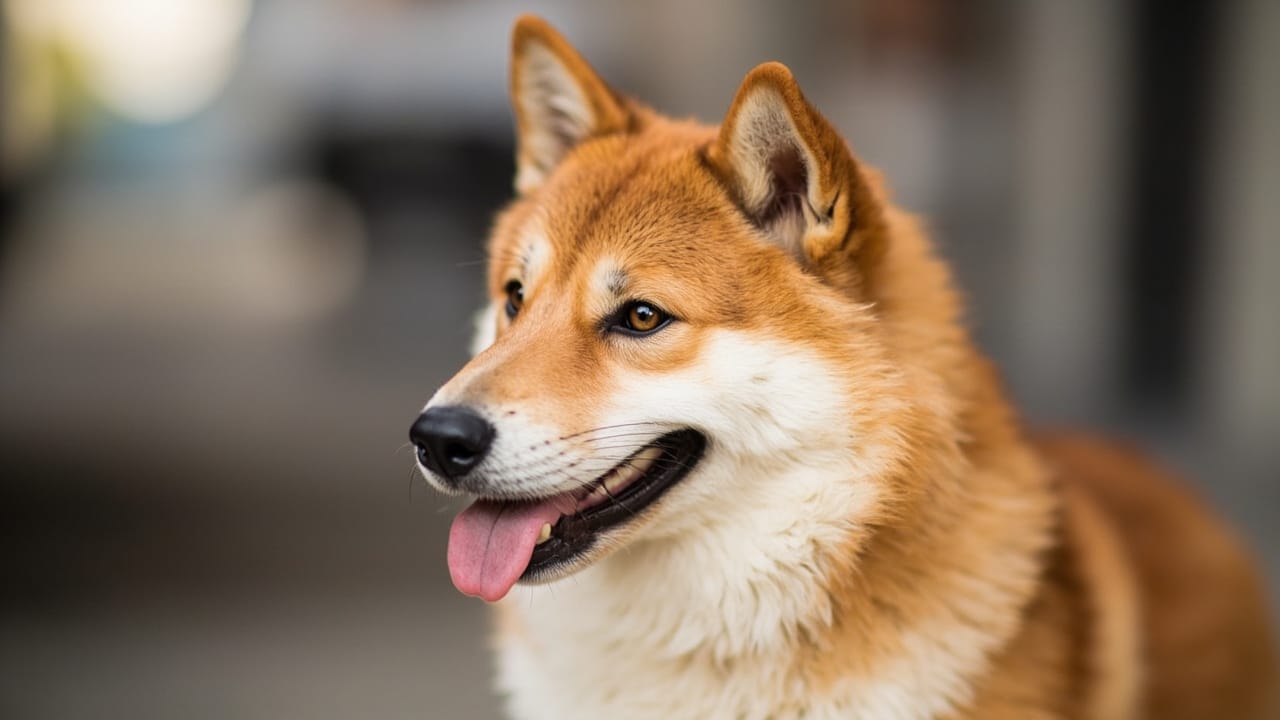
Mame Shiba Inu (豆柴), czyli shiba „wielkości ziarnka fasoli", to mniejsza odmiana popularna w Japonii, która stopniowo zyskuje popularność również w Ameryce Północnej. Ponieważ ten rozmiar jest efektem selektywnej hodowli i nie jest uznawany przez AKC, NIPPO ani główne organizacje kynologiczne jako odrębna odmiana, znalezienie uczciwego, stawiającego na zdrowie hodowcy jest trudniejsze niż w przypadku shib standardowych. Oto dokładnie, jak to zrobić prawidłowo.
Zrozum, co naprawdę oznacza „Mame Shiba"
W Japonii hodowcy Mame Shiba działający w ramach programów powiązanych z NIPPO dążą do uzyskania dorosłych osobników ważących około 3–7 kg (ok. 6,6–15,4 funta), w porównaniu do 8–11 kg u shiba standardowego. Prawdziwe Mame Shiba pochodzą z małych, ale zdrowych linii hodowanych przez wiele pokoleń. Nie są to najmniejsze osobniki z miotu, nie są głodzone i nie są krzyżowane z innymi rasami.
Sygnały ostrzegawcze:
- Każdy, kto reklamuje „teacup Shiba Inu" lub „micro Shiba"
- Sprzedawcy, którzy nie mogą pokazać wagi dorosłych rodziców (a nie tylko szczeniąt)
- Twierdzenia, że dorosły pies będzie ważył poniżej 3 kg
- Brak możliwej do zweryfikowania rodowodu lub dokumentacji rejestracyjnej
Hodowca, który unika słowa „Mame" i twierdzi, że po prostu hoduje „małe Shiba", to często sygnał ostrzegawczy warty sprawdzenia.
Obowiązkowe badania zdrowotne
Mimo że Mame Shiba nie stanowi odrębnej rasy w AKC, etyczni hodowcy przeprowadzają te same badania zdrowotne, co w przypadku shib standardowych, ponieważ podstawowe ryzyko genetyczne nie znika wraz z selekcją pod kątem rozmiaru. Minimum, o co należy zapytać:
- biodra OFA (lub PennHIP)
- rzepka OFA (ryzyko zwichnięcia rzepki wzrasta u niektórych małych linii Shiba)
- badanie oczu CAER wykonane w ciągu ostatnich 12 miesięcy (badanie w kierunku zaćmy, PRA, jaskry)
- panel genetyczny obejmujący PRA, GM1 i DM, jeśli jest dostępny
- ocena kardiologiczna psów hodowlanych
Dysplazja stawów biodrowych występuje u około 7–8% Shiba badanych przez OFA, a zwichnięcie rzepki to jeden z częstszych problemów ortopedycznych w tej rasie. Hodowca, który pomija te badania, oszczędza na psach, które będą żyły 13–16 lat.
Pytania, które oddzielają dobrych hodowców od reszty
Rzetelny hodowca Mame Shiba odpowie na nie bez wahania:
- Jaka jest waga dorosłej suki i samca oraz które to pokolenie Mame?
- Ile miotów rocznie daje każda suczka?
- Czy mogę odwiedzić Państwa hodowlę lub zobaczyć matkę (i najlepiej ojca) osobiście?
- Jakie badania zdrowotne zostały przeprowadzone i czy mogę zobaczyć certyfikaty OFA/CERF/CAER?
- Jaki mają Państwo protokół socjalizacji w tygodniach 3–12?
- Czy oferują Państwo pisemną gwarancję zdrowotną i na jaki okres?
- Czy przyjmą Państwo psa z powrotem w dowolnym momencie jego życia, gdybym nie mógł go zatrzymać?
- Czy są Państwo członkiem NIPPO, National Shiba Club of America lub innej podobnej organizacji?
Odpowiedzi w stylu „hoduję tylko zwierzęta domowe", „rodowód niepotrzebny przy niższej cenie" lub „miała w zeszłym roku trzy mioty" to powody, by odejść.
Czego się spodziewać w kwestii ceny
W USA dobrze wyhodowany Mame Shiba ze zdrowymi, wielopokoleniowymi małymi liniami kosztuje zazwyczaj od 2 500 do 6 000 USD, a importowane linie japońskie są często droższe. Shiba standardowe od rzetelnych hodowców kosztują zwykle od 1 400 do 3 500 USD, więc premia za Mame odzwierciedla dodatkową pracę selekcyjną i ograniczoną podaż.
Jeśli ktoś oferuje Mame Shiba poniżej 1 500 USD, bez listy oczekujących i z „dużym wyborem kolorów", to niemal na pewno oszustwo, pseudohodowla lub krzyżówka błędnie oznaczona jako Mame.
Czytanie umów i list oczekujących
Dobrzy hodowcy Mame Shiba często prowadzą listy oczekujących o długości 6–18 miesięcy. To normalne i tak naprawdę pozytywny sygnał: oznacza, że nie rozmnażają psów ponad miarę. Twoja umowa powinna obejmować:
- warunki kastracji/sterylizacji (większość wymaga kastracji psów klasy pet)
- 2–3 letnią gwarancję zdrowotną w zakresie chorób genetycznych
- klauzulę pierwszeństwa przy zwrocie
- wymóg zwrotu psa hodowcy zamiast samodzielnego przekazywania dalej
- jasną dokumentację: rodowód, rejestrację (NIPPO, JKC lub NSCA), kartę szczepień, mikrochip
Bądź ostrożny wobec hodowców, którzy sprzedają na ograniczonym rodowodzie bez wyjaśnienia powodu albo namawiają do pełnego rodowodu „za dodatkową opłatą".
Gdzie zacząć poszukiwania
- katalogi hodowców NIPPO USA i NIPPO Japan dla najbardziej autentycznych linii Mame
- lista hodowców polecanych przez National Shiba Club of America (NSCA) (uwaga: większość to shiba standardowe, ale niektórzy prowadzą programy małych linii)
- hodowcy japońscy eksportujący współpracujący z sędziami NIPPO — należy liczyć się z wydatkiem 4 000–8 000 USD wraz z logistyką importu
- rasowe organizacje ratownicze Shiba — czasem trafiają się tam mniejsze osobniki, choć prawdziwe Mame w ratownictwie są rzadkością
Unikaj ogólnych platform ogłoszeniowych, Craigslist i sklepów zoologicznych. Fraza „AKC Mame Shiba" sama w sobie jest sprzecznością, ponieważ AKC nie uznaje tej odmiany.
Przywiezienie Mame Shiba do domu
Po dobraniu pary z hodowcą spodziewaj się, że szczenięta opuszczą hodowlę nie wcześniej niż w wieku 10–12 tygodni, w pełni przebadane, z mikrochipem i rozpoczętą nauką klatki oraz socjalizacją. Rzetelny hodowca pozostanie w kontakcie przez całe życie psa i będzie prosił o informacje o jego rozwoju. Ta długoterminowa relacja to jeden z najpewniejszych sygnałów, że dokonałeś dobrego wyboru.
Znalezienie rzetelnego hodowcy Mame Shiba wymaga cierpliwości, badań i gotowości do czekania, ale efektem jest zdrowy, dobrze zsocjalizowany towarzysz ze stabilnych, identyfikowalnych linii.
Zastrzeżenie: Niniejsze treści mają charakter wyłącznie informacyjny i nie zastępują profesjonalnej porady weterynaryjnej ani konsultacji z hodowcą. Zawsze samodzielnie weryfikuj kwalifikacje hodowcy i wykonane badania zdrowotne.
FAQ
Czy Mame Shiba to to samo co teacup Shiba?
Nie. Mame Shiba to selektywnie hodowana mniejsza odmiana ważąca w dorosłości 3–7 kg, natomiast shiba „teacup" nie jest uznawanym rozmiarem, a termin ten jest zazwyczaj używany przez nieetycznych hodowców do sprzedaży psów zbyt małych lub niezdrowych.
Ile kosztuje Mame Shiba od rzetelnego hodowcy?
W USA za dobrze wyhodowanego Mame Shiba od zdrowych rodziców należy zapłacić od 2 500 do 6 000 USD. Importy z Japonii lub najlepsze linie wystawowe Mame mogą przekraczać 8 000 USD, wliczając transport.
Czy Mame Shiba jest uznawany przez AKC lub NIPPO?
AKC nie uznaje Mame Shiba jako odrębnej odmiany; psy te rejestrowane są jako standardowe Shiba Inu. NIPPO Japan posiada klasyfikacje wielkości i programy hodowlane, które wyróżniają linie Mame.
Jakie problemy zdrowotne są częste u Mame Shiba?
Mame Shiba mają te same ryzyka co shiba standardowe, w tym zwichnięcie rzepki, dysplazję stawów biodrowych, choroby oczu (zaćma, PRA, jaskra) oraz atopowe zapalenie skóry. Rzetelni hodowcy badają je pod kątem tych schorzeń niezależnie od rozmiaru.