Mame Shiba kontra najmniejsze szczenięta z miotu: jaka jest prawdziwa różnica?
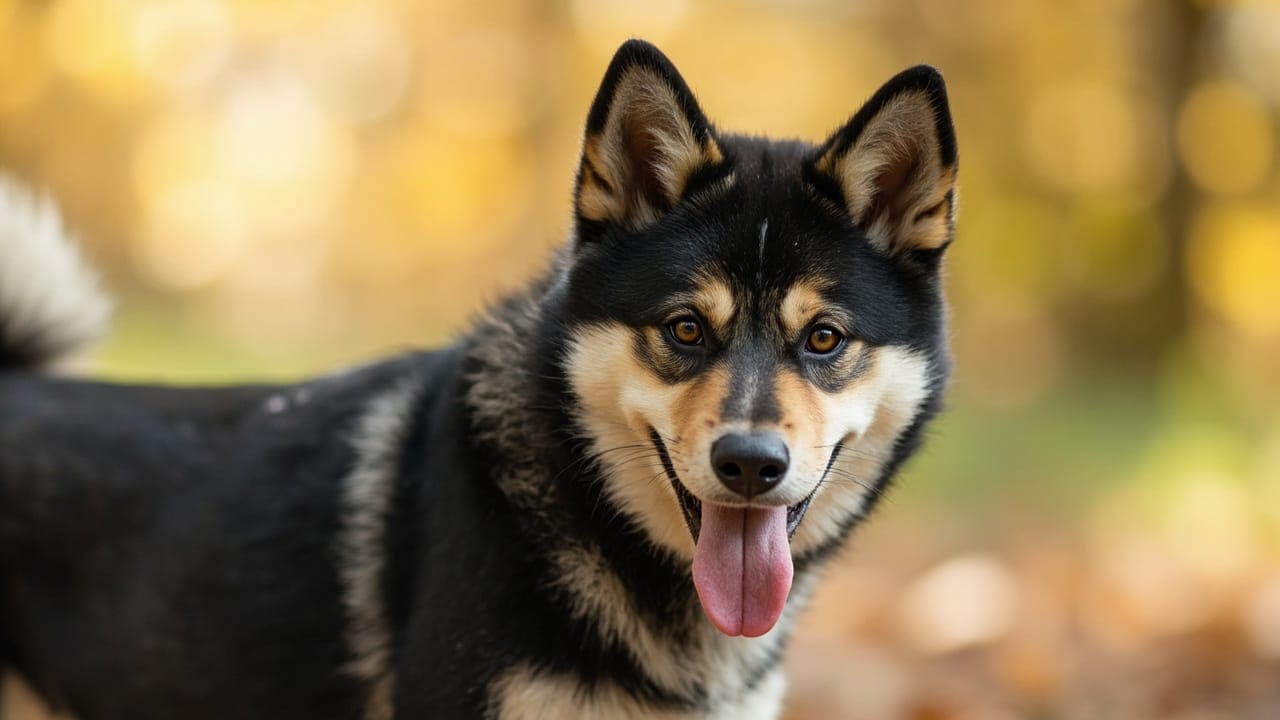
Nie, Mame Shiba to nie po prostu najmniejsze szczenię z miotu. Mame Shiba to selektywnie hodowany mniejszy wariant standardowego Shiba Inu, osiągający zazwyczaj poniżej 33 cm (13 cali) wzrostu i ważący 4-7 kg, uzyskiwany poprzez celowe programy hodowlane. Najmniejsze szczenięta z miotu (ang. runts) to natomiast szczenięta, które nie rozwijają się prawidłowo z powodu problemów z wielkością, zdrowiem lub rozwojem, a po osiągnięciu dorosłości mają standardowe rozmiary Shiby.
Czym właściwie jest Mame Shiba
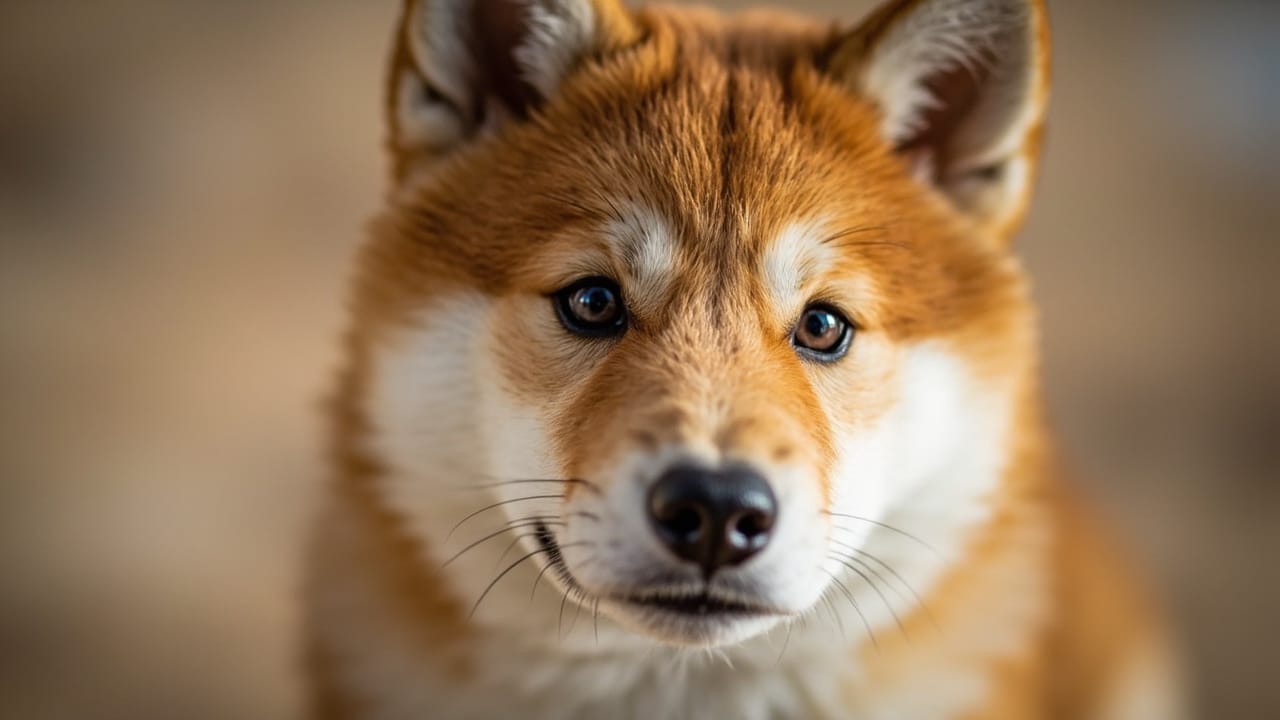
Termin mame (豆) oznacza po japońsku „fasolkę" i odnosi się do celowo zminiaturyzowanej wersji Shiba Inu. Mame Shiba są hodowane z najmniejszych szczeniąt przez wiele pokoleń, aby konsekwentnie uzyskiwać mniejsze dorosłe osobniki. Prawdziwy Mame Shiba mierzy poniżej 33 cm (13 cali) w kłębie i waży od 4 do 7 kg w wieku dorosłym, co czyni go zauważalnie mniejszym od standardowego Shiba Inu (samce 35-43 cm/~10 kg, samice 33-41 cm/~8 kg). Renomowani japońscy hodowcy, tacy jak zarejestrowani w NIPPO, produkują te linie od dekad, a Mame Shiba są sprzedawane w Japonii jako odrębna kategoria wielkości.
Czym właściwie jest najmniejsze szczenię z miotu (runt)
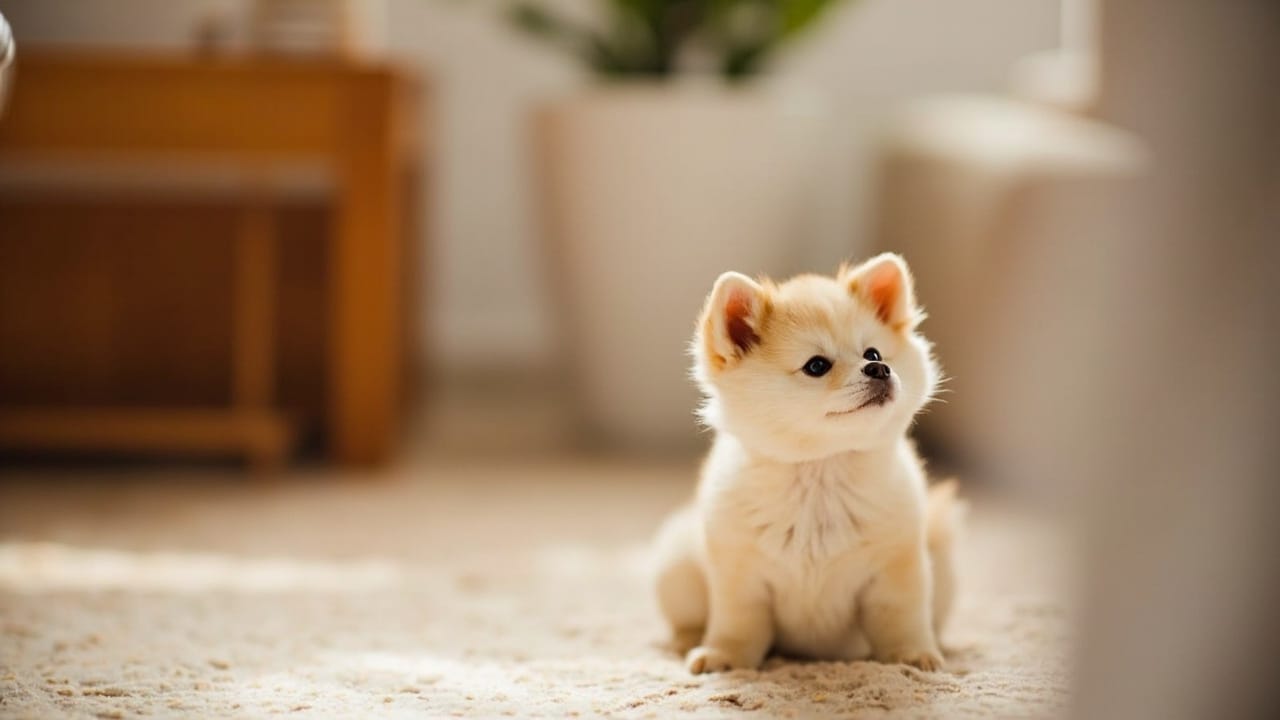
Runt to najmniejsze szczenię w nowo narodzonym miocie, zazwyczaj to, które jest odpychane od najcieplejszych miejsc do karmienia lub przegrywa rywalizację z większym rodzeństwem. Bycie runtem to etykieta wynikająca z okoliczności, a nie z genetyki. Przy odpowiedniej opiece większość runtów nadrabia zaległości i osiąga normalny rozmiar swojego rodzeństwa w ciągu 8-12 tygodni, a dorastając staje się w pełni standardowym dorosłym Shiba. Termin ten opisuje rozmiar przy urodzeniu, a nie stałą kategorię wielkości.
Kluczowe różnice w skrócie
- Zamiar genetyczny: Mame Shiba = program hodowli selektywnej; runt = przypadkowe zjawisko w każdym miocie.
- Rozmiar dorosłego: Mame Shiba pozostaje trwale mały; runt zazwyczaj osiąga pełny standardowy rozmiar Shiba.
- Przewidywalność: Hodowcy Mame Shiba mogą przewidzieć rozmiar dorosłego na podstawie rodowodu; status runta nie daje takiej gwarancji.
- Profil zdrowotny: Mame Shiba od odpowiedzialnych hodowców są badani jak osobniki standardowe; runty mogą mieć wyższe ryzyko problemów z rozwojem, hipoglikemii lub wad wrodzonych.
- Uznanie: Mame Shiba jest akceptowaną kategorią wielkości w Japonii; „runt" nie jest uznaną wielkością w żadnym związku kynologicznym.
Jak właściwie działa hodowla Mame Shiba
Etyczne programy Mame Shiba zaczynają się od identyfikacji naturalnie małych dorosłych Shiba o prawidłowej budowie, a następnie kojarzy się je przez kolejne pokolenia. Hodowcy śledzą wzrost, wagę i temperament dorosłych osobników przez 3-5 pokoleń, zanim oznaczą potomstwo jako jakość Mame. To zasadniczo różni się od jednorazowego zdarzenia małego szczenięcia. Szukaj hodowców, którzy mogą pokazać wielopokoleniowe zapisy dotyczące wielkości i którzy wykonują te same badania zdrowotne zalecane dla standardowych Shiba: OFA bioder, ocenę rzepki oraz badanie okulistyczne CAER (podstawowy panel CHIC).
Kompromisy zdrowotne, o których warto wiedzieć
Miniaturyzacja niesie ze sobą udokumentowane ryzyko u wielu ras psów, a Shiba nie jest tu wyjątkiem. Mniejsza struktura kości może predysponować Mame Shiba do:
- Zwichnięcia rzepki - zwichnięcie kolana, będące już znanym problemem w rasie
- Stłoczenia zębów spowodowanego normalnej wielkości szczęką w mniejszej czaszce
- Hipoglikemii u szczeniąt o rozmiarach zabawkowych poniżej 4 kg
- Dysplazji biodrowej - średnia dla rasy wynosi około 7.6% w statystykach OFA, a złe praktyki hodowlane mogą tę liczbę zwiększyć
- Komplikacji przy porodzie - allele karłowatości są czasem powiązane z szerokogłowymi, wąskomiednicowymi prezentacjami wymagającymi cesarskiego cięcia
Runty, które przeżyją okres odsadzania, są zazwyczaj zdrowymi dorosłymi osobnikami, ale prawdziwy runt może ponosić dożywotnie konsekwencje wczesnego niedoboru: słabszą funkcję immunologiczną, mniejszy rozwój organów lub nieprawidłowości płytki wzrostowej. Nie każde małe szczenię jest runtem; niektóre są po prostu na dolnym końcu normalnej zmienności.
Cena i gdzie kupić
W USA należy spodziewać się zapłaty 1 400-2 500 USD za standardowego Shiba od renomowanego hodowcy, a linie wystawowe osiągają 3 500-5 000 USD. Mame Shiba zazwyczaj kosztują 20-40% więcej niż porównywalne linie standardowe, w cenach od około 1 800 USD do ponad 4 000 USD, a importy z Japonii są wyceniane jeszcze wyżej. Shiba ze schronisk (czasem dorośli osobnicy o mniejszych rozmiarach) są dostępne za około 300 USD poprzez schroniska dedykowane rasie.
Jeśli konkretnie szukasz Mame Shiba, poproś hodowców o wzrost/wagę dorosłych rodziców i dziadków, zażądaj wyników OFA i CAER, i unikaj sprzedawców oferujących Shiba „teacup" lub „micro" po ekstremalnych cenach - to często sygnalizuje złą hodowlę, a nie autentyczną miniaturyzację.
Podsumowanie
Mame Shiba to starannie zminiaturyzowany Shiba Inu hodowany przez wiele pokoleń, aby pozostał mały jako dorosły osobnik. Runt to jedno zbyt małe szczenię w miocie, które zazwyczaj dorasta do psa o normalnym rozmiarze. Te dwa terminy opisują zupełnie różne rzeczy: jeden jest celową kategorią wielkości, drugi tymczasowym stanem rozwojowym. Jeśli chcesz gwarantowanego małego dorosłego Shiba, szukaj ustalonej linii Mame. Jeśli po prostu chcesz zdrowego pupila, były runt od odpowiedzialnego hodowcy wyrośnie na tego samego lojalnego, lisowatego towarzysza, z którego słynie ta rasa.
FAQ
Czy runt Shiba Inu pozostanie mały na zawsze?
Nie. Większość szczeniąt Shiba będących runtami nadrabia zaległości i osiąga standardowy rozmiar w ciągu 8-12 tygodni i dojrzewa w normalne dorosłe Shiba ważące 8-10 kg. Runty nie są stałą kategorią wielkości.
Jak duże tak naprawdę są Mame Shiba?
Prawdziwe Mame Shiba pozostają poniżej 33 cm (13 cali) w kłębie i ważą 4-7 kg jako dorośli, w porównaniu do standardowych Shiba o wymiarach 33-43 cm i wadze 8-10 kg.
Czy Mame Shiba są uznawane przez związki kynologiczne?
Mame Shiba jest uznaną kategorią wielkości wśród japońskich hodowców i programów zrzeszonych w NIPPO, ale nie jest odrębną klasyfikacją rasy w AKC ani FCI. Rejestruje się je jako standardowe Shiba Inu.
Czy Mame Shiba mają więcej problemów zdrowotnych niż standardowe Shiba?
Od renomowanych hodowców Mame Shiba mają podobny profil zdrowotny do standardów. Źle hodowane zminiaturyzowane psy mogą mieć wyższe wskaźniki zwichnięcia rzepki, stłoczenia zębów, hipoglikemii i komplikacji przy porodzie.