Pomoc Shiba Inu w przystosowaniu się do nowego domu: kompletny przewodnik
Większość Shiba Inu potrzebuje od 2 do 4 tygodni, aby w pełni zaaklimatyzować się w nowym domu. Utrzymuj ich rutynę bez zmian, przygotuj cichy „bezpieczny pokój” z ich legowiskiem i kojcem już pierwszego dnia, uważnie nadzoruj eksplorację i unikaj przytłaczających kontaktów z ludźmi, innymi zwierzętami czy nowymi przestrzeniami na zewnątrz w ciągu pierwszych 7–10 dni.
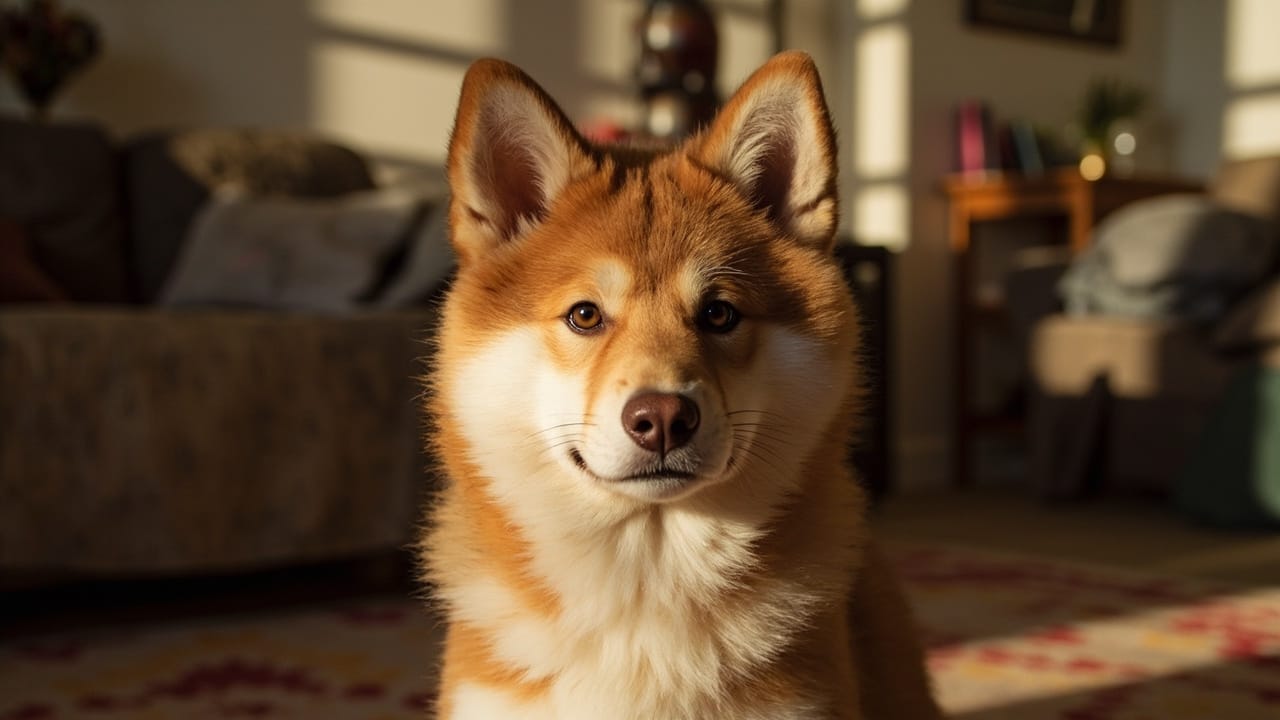
Przeprowadzka jest jednym z najbardziej stresujących wydarzeń w życiu Shiba Inu, nawet jeśli nowy dom jest obiektywnie lepszy. Shiby to psy terytorialne i przyzwyczajone do nawyków, a ich typową reakcją na zachwianie porządku jest krótkotrwałe „wyłączenie się”, po którym pojawiają się klasyczne sygnały stresu: utrata apetytu, niechęć do wychodzenia na zewnątrz, słynny „krzyk Shiby” przy dotyku albo nagłe nocne „Shiba 500” (szalone bieganie po domu). To przewidywalny plan, a nie dodatkowe pieszczoty, pomaga im się odprężyć.
Przygotuj bezpieczny pokój, zanim przyjadą ekipy przeprowadzkowe
Wybierz jeden cichy pokój w nowym domu — najlepiej taki, który ma zamykane drzwi i okno zapewniające naturalne światło. Umieść w nim kojec, legowisko, miskę z wodą i kilka narzut z zapachem Twoim i psa. Przynieś Shibę tutaj najpierw, zanim pudełka zaczną wchodzić przez frontowe drzwi. Zapach ich własnego posłania i Twoja obecność to najsilniejsza kotwica, jaką możesz im zaoferować.
- Jeśli to możliwe, użyj tego samego kojca lub legowiska, co w poprzednim domu.
- Dodaj noszone przez siebie T-shirt dla znajomego zapachu.
- Podczas największego zamieszania związanego z przeprowadzką trzymaj drzwi zamknięte.
- Ten pokój stanie się ich „norą” na pierwszych kilka dni.
Utrzymaj ich codzienną rutynę bez zmian
Shiby nie potrzebują nowości; potrzebują powtarzalności. Utrzymuj dokładnie te same pory karmienia, spacery i tę samą markę oraz ilość karmy. Jeśli wcześniej karmiłeś o 7:00 rano i 18:00, rób tak samo. Wyprowadzaj je tyle samo razy dziennie. Przewidywalność mówi ich układowi nerwowemu, że świat nadal jest bezpieczny.
- Przez pierwszy tydzień staraj się chodzić tymi samymi trasami spacerowymi.
- Utrzymuj identyczne porcje posiłków; unikaj dodawania nowych smakołyków.
- Zachowaj tę samą porę kładzenia się i wstawania.
Kontroluj eksplorację — nie pozwalaj na swobodne chodzenie po domu
Nowy dom jest pełen bodźców: nieznane tekstury podłóg, echo w korytarzach, nieprzećwiczone schody, przesuwne drzwi szklane i dziwne zapachy. Przez pierwsze 5–7 dni trzymaj Shibę na smyczy w domu lub za bramkami zabezpieczającymi, aby nie mogły przemknąć przez dom i się zranić. Pozwól im sprawdzać po jednym lub dwóch pokojach naraz, na smyczy, nagradzając smakołykami pewne zachowanie.
Obserwuj te sygnały stresu:
- Oblizywanie się, „oko wieloryba” (pokazywanie białek oczu), podkulony ogon
- Odmawianie smakołyków, które normalnie uwielbiają
- Kręcenie się lub sapanie w nocy
- Znakowanie terenu w domu (nawet u dorosłych psów czystych w domu)
Ostrożnie odbuduj rutynę toaletową
Wyprowadzaj Shibę na smyczy na wybrane miejsce do załatwiania się co 2–3 godziny przez pierwsze 48 godzin, niezależnie od wieku. Natychmiast chwal i dawaj smakołyk. Nie dawaj pełnego dostępu do ogrodu bez smyczy, dopóki nie będą regularnie załatwiać się we właściwym miejscu przez co najmniej 3–4 dni. Shiba to szybkie, oporne na przywołanie psy i utalentowane uciekiniery — szeroko otwarty ogród w nieznanej okolicy to scenariusz wysokiego ryzyka.
Opóźnij duże powitania
Przez pierwsze 7–10 dni ogranicz do minimum wizyty gości, kontakty z psami z okolicy i wycieczki do zatłoczonych parków. Jeśli masz inne zwierzęta, najpierw wykonaj równoległe spacery i wymianę zapachów, zanim dojdzie do bezpośredniego spotkania. Kiedy już przedstawisz gości, poproś ich, aby ignorowali Shibę i pozwolili psu podejść na jego warunkach. Wymuszanie kontaktów społecznych to najszybszy sposób, by wywołać „krzyk Shiby” oparty na strachu lub reaktywność.
Obserwuj niepokojące sygnały zdrowotne
Stres osłabia odporność. Jeśli Twoja Shiba opuści więcej niż jeden posiłek, wielokrotnie wymiotuje, ma biegunkę trwającą ponad 24 godziny lub wydaje się ospała dłużej niż 48 godzin, zadzwoń do weterynarza. To też dobry moment, aby potwierdzić, że mikrochip jest zarejestrowany na nowy adres, a identyfikatory zawierają nowy numer telefonu — zestresowana Shiba w nieznanej okolicy to realne ryzyko ucieczki.
Realistyczny harmonogram
- Dni 1–3: Wycofanie, przyklejanie się do opiekuna lub zamknięcie w sobie, wybredne jedzenie, minimalna eksploracja.
- Dni 4–7: Zaczyna eksplorować, apetyt wraca, nadal łatwo się wystraszyć.
- Tygodnie 2–3: Osobowość wraca; wznawia zabawę i szalone bieganie.
- Tygodnie 3–4: W pełni zaaklimatyzowana, zaczyna „przejmować” meble na własność.
Pewna siebie Shiba w stabilnym domu często dochodzi do siebie w niecałe dwa tygodnie; bardziej powściągliwa lub starsza Shiba może potrzebować pełnego miesiąca. Cierpliwość, rutyna i spokojne przywództwo — a nie rozpieszczanie — to wszystko, co przywraca Twojego niezależnego, małego psa z „pędzelkowatego drewna” do jego prawdziwej natury.
FAQ
Jak długo Shiba Inu potrzebuje, aby zaaklimatyzować się w nowym domu?
Większość Shib potrzebuje od 2 do 4 tygodni, aby w pełni się zrelaksować w nowym domu. Pierwsze 48–72 godziny są zwykle najtrudniejsze, z utratą apetytu i wycofaniem. Pewne siebie dorosłe psy często wracają do formy w 10–14 dni; starsze lub adoptowane Shiba mogą potrzebować pełnego miesiąca.
Czy powinienem zamknąć Shibę w kojcu podczas przeprowadzki?
Tak. Kojec w cichym „bezpiecznym pokoju” od pierwszego dnia daje Twojej Shiba kotwicę przypominającą norę z znajomym zapachem. Zmniejsza panikę podczas chaosu przeprowadzki i zapobiega próbom ucieczki, gdy drzwi są otwarte.
Dlaczego mój Shiba Inu nie je po przeprowadzce?
Utrata apetytu wywołana stresem jest normalna przez 24–48 godzin po przeprowadzce. Podawaj tę samą karmę o tych samych porach w bezpiecznym pokoju. Jeśli Shiba odmawia posiłków dłużej niż 48 godzin lub wielokrotnie wymiotuje, skontaktuj się z weterynarzem.
Jak powstrzymać Shiba Inu przed ucieczką z nowego ogrodu?
Przez pierwszy tydzień trzymaj ją na smyczy na zewnątrz, nadzoruj każdą sesję w ogrodzie i sprawdź ogrodzenie pod kątem luk — Shiba to notoryczne uciekiniery. Nie ufaj czasowi w ogrodzie bez smyczy, dopóki nie będą regularnie załatwiać się we właściwym miejscu przez kilka dni, a teren nie będzie w pełni zabezpieczony.