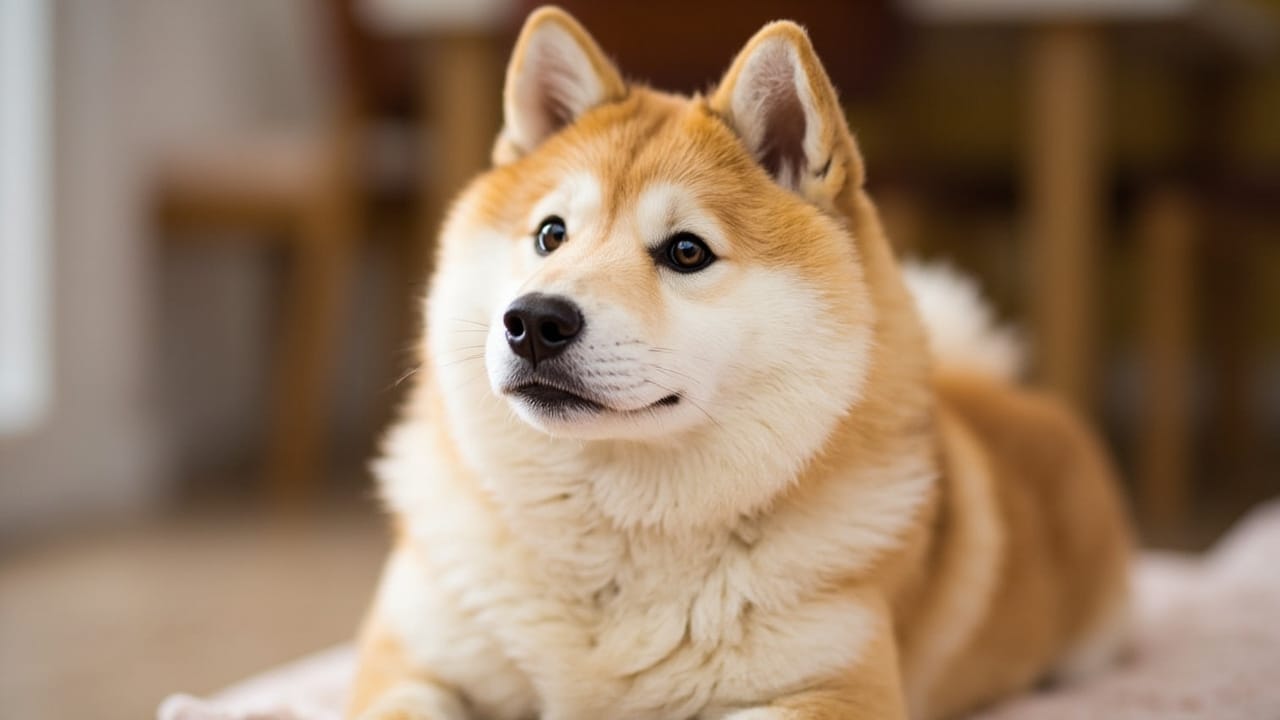
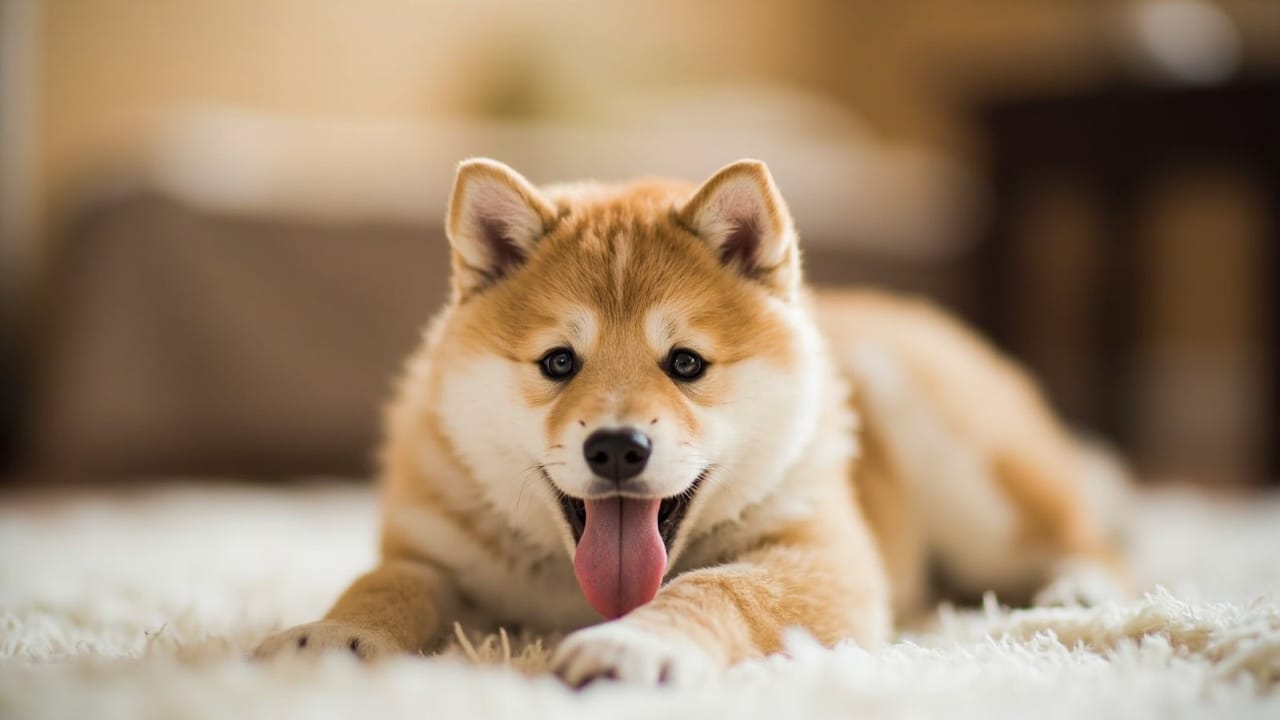
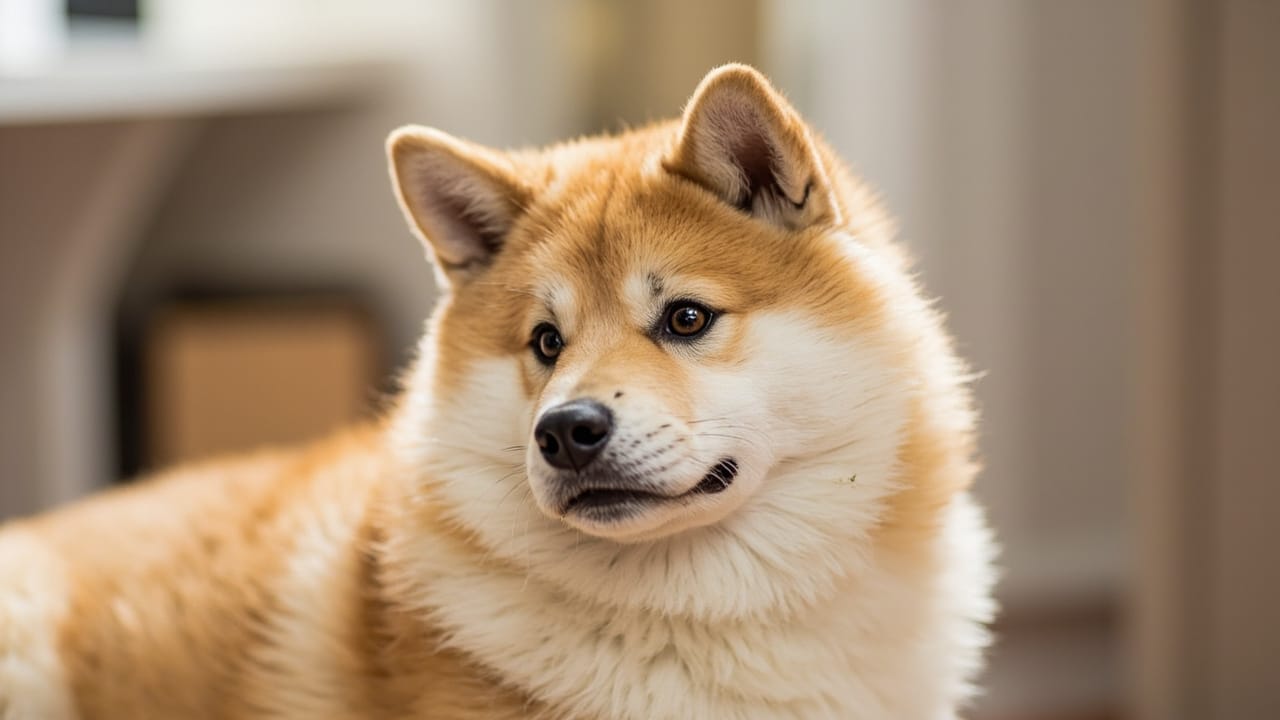
Dlaczego mój Shiba Inu kopie i kręci się w swoim legowisku? 6 prawdziwych powodów
Shiba Inu kopią i kręcą się w swoich legowiskach z powodu silnie zakodowanych instynktów przetrwania: dzikie psowate depczą trawę, aby stworzyć bezpieczne, wygodne gniazdo, drapią, aby sprawdzić, czy nie ma zagrożeń, i kręcą się, aby wyrównać powierzchnię oraz ustawić się zgodnie z wiatrem lub członkami sfory. W twoim domu te same zachowania są rytuałem wyciszającym, który sygnalizuje, że twój Shiba czuje się wystarczająco bezpiecznie, by położyć się do snu.

Te nocne ruchy łapami i trzy-punktowy zwrot przed rzuceniem się na posłanie to nie przypadkowy chaos. To jedno z najstarszych zachowań, jakie nosi w sobie twój Shiba Inu, i w większości przypadków jest to bardzo dobry znak.
Krótka odpowiedź: kopanie i kręcenie się w legowisku to normalny, instynktowny rytuał zakładania gniazda odziedziczony po dzikich przodkach psowatych. Shiba odziedziczyły go po psach typu szpic, które polowały na górskim terenie Japonii, a współcześni hodowcy zachowali go razem z niezależnym temperamentem rasy. Zachowanie to jest zwykle nieszkodliwe, wyciszające i często oznacza, że pies czuje się w tym miejscu bezpiecznie.
Mimo to intensywność może rosnąć. Jeśli kopanie przeradza się w pełne niszczenie pościeli, a kręcenie się staje się obsesyjne, istnieją konkretne przyczyny, które warto wykluczyć. Poniżej przedstawiam sześć najczęstszych powodów, dla których Shiba Inu kopią i kręcą się, uszeregowanych od „całkowicie normalnego" do „warto odwiedzić weterynarza".
1. Dzikie instynkty gniazdowania (najczęstszy powód)
Dzikie psowate nie miały materacy z pianki memory. Aby bezpiecznie spać, musiały:
- Depczać wysoką trawę lub liście, aby je spłaszczyć
- Sprawdzać ziemię pod kątem węży, owadów lub ostrych patyków
- Ustawiać się tyłem do wiatru i nosem w kierunku zapachu członków sfory
- Tworzyć płytkie zagłębienie zatrzymujące ciepło ciała
Twój Shiba odtwarza dokładnie tę sekwencję. Kręcenie się spłaszcza powierzchnię, kopanie sprawdza i przemieszcza materiał, a ostateczne zwinięcie się zatrzymuje ciepło. To nie jest problem behawioralny. To oznaka pewnego siebie, uspokojonego psa.
2. Regulacja temperatury (szczególnie w gorącą pogodę)
Shiba linieją ze swoją grubą podszerstkiem dwa razy w roku, ale nawet poza sezonem linienia podszerstek zatrzymuje ciepło. Kręcenie się i kopanie to sposób na:
- Zdrapywanie pościeli, by znaleźć chłodniejszą warstwę pod spodem
- Tworzenie kanałów wentylacyjnych przed położeniem się
- Odsłonięcie fragmentu podłogi z płytek lub drewna pod luźnymi kocami
Jeśli twój Shiba kopie tylko wtedy, gdy w pomieszczeniu jest ciepło, widzisz termoregulację, a nie niepokój.
3. Znakowanie zapachem miejsca do spania
Psy mają gruczoły zapachowe w opuszkach łap. Drapanie i grzebanie łapami zostawia na pościeli feromony z tych gruczołów. Zachowanie to oznacza miejsce jako bezpieczne i „moje". Ponieważ Shiba są słynnie terytorialne i niezależne, znakowanie legowiska zapachem jest bardziej widoczne u tej rasy niż u wielu retrieverów czy psów pasterskich.
4. „Shiba 500" – wyścigi przed snem
Właściciele czasem mylą spokojne kręcenie się przed snem z Shiba 500, nagłym wybuchem eksplozyjnego biegania, podskakiwania i kręcenia się, z którego rasa jest znana. Oba zachowania są ze sobą powiązane, ale różnią się:
- Shiba 500: z dużą prędkością, angażujące całe ciało, często po kąpieli, podczas wylinki lub przy nadmiernej stymulacji. Trwa od kilku sekund do kilku minut.
- Kręcenie się w legowisku: powolne, metodyczne, tylko łapami, bezpośrednio przed położeniem się. Trwa 10–30 sekund.
Jeśli twój Shiba wykonuje powolne kręgi i drapanie, Shiba 500 nie wchodzi w grę.
5. Niepokój, stres lub niepełna socjalizacja
Kopanie i kręcenie się nasilają się, gdy Shiba czuje się niepewnie. Częste wyzwalacze to:
- Nowy dom, nowe dziecko, nowe zwierzę, nowa rutyna
- Wyjście właściciela do pracy po długim okresie wspólnego pobytu
- Głośne dźwięki (burza, fajerwerki, remont)
- Legowisko umieszczone w korytarzu o dużym natężeniu ruchu lub w przeciągu
Niespokojny Shiba będzie kopał dłużej, drapał mocniej, czasem skomli lub będzie „shiba-krzyczeć" podczas rytuału i może przenosić pościel w kryjówkę (szafa, za kanapą, pod biurko). Obserwuj, kiedy zachowanie się nasila i co zmieniło się w otoczeniu 24–48 godzin wcześniej.
6. Przyczyny medyczne do wykluczenia
Samo kopanie prawie nigdy nie jest problemem medycznym, ale Shiba, który nagle nie może się uspokoić, chodzi więcej niż kręci się lub drapie skórę zamiast pościeli, może zmagać się z:
- Atopowym zapaleniem skóry lub alergiami — Shiba są na nie podatne; drapanie legowiska to zachowanie zastępcze
- Dysplazją stawów biodrowych (~7,6% wg OFA) lub zwichnięciem rzepki — kręcenie się może odzwierciedlać trudność ze znalezieniem pozycji bez bólu
- Zaburzeniami poznawczymi u starszych Shiba (rzadkie przed 12. rokiem życia, ale żyją 13–16 lat)
- Zaburzeniem kompulsywnym — rzadka diagnoza behawioralna wymagająca lekarza weterynarii specjalisty od zachowań
Jeśli rytuał wygląda gorączkowo, odbywa się poza porą snu lub pies nie może się uspokoić w ciągu 2–3 minut, umów wizytę u weterynarza, by wykluczyć ból.
Jak radzić sobie z kopaniem i kręceniem się w legowisku
W przypadku normalnego, kierującego się instynktem psa nie musisz powstrzymywać tego zachowania. Możesz je kształtować:
- Zapewnij wyjście dla kopania na zewnątrz: piaskownica lub wyznaczone miejsce z ziemią zaspokaja ten sam instynkt i chroni legowisko.
- Zakotw legowisko. Shiba są silne jak na ~10 kg; legowisko, które się przesuwa, zachęca do bardziej gorączkowego drapania. Użyj takiego z antypoślizgowym spodem lub umieść je w rogu, przy dwóch ścianach.
- Używaj trwałych materiałów. Denim, płótno lub wytrzymały tkanina oxford przetrwają dłużej niż polar. Wymień cienkie wypełnienie na piankę ortopedyczną, która nie zbryla się pod pazurami.
- Chłodź pomieszczenie. Latem spróbuj maty chłodzącej pod cienkim kocem, aby kopanie przynosiło efekt temperaturowy.
- Umieść legowisko w norze-podobnym miejscu. Shiba najlepiej śpią w pół-zamkniętych, lekko podwyższonych miejscach, gdzie widzą pokój, ale czują się osłonięte.
Kiedy się martwić
Udaj się do weterynarza, jeśli zauważysz którykolwiek z poniższych objawów towarzyszących kręceniu się w legowisku:
- Skomlenie, drżenie lub sapanie podczas kręcenia się
- Nagłe wystąpienie u psa, który wcześniej natychmiast padał na posłanie
- Zaczerwienienie skóry, hot spoty lub wypadanie sierści na łapach
- Kręcenie się, które nigdy się nie kończy lub obejmuje dociskanie głową
- Utrata apetytu lub spadek wagi
Dla ogólnie zdrowego, dobrze żywionego i dobrze wybieganego Shiba Inu ruchy łapami i trzy-punktowe zwroty przed snem to po prostu najstarszy psotny rytuał świata, wykonywany w miniaturze w twoim salonie.
Często zadawane pytania
Czy kopanie w legowisku oznacza, że mój Shiba jest nieszczęśliwy? Zwykle nie. W większości przypadków jest to wyciszające zachowanie gniazdowe. Obserwuj towarzyszące oznaki stresu (skomlenie, sapanie, chowanie się), by zinterpretować je jako niepokój.
Czy powinienem powstrzymywać mojego Shibę od kopania w legowisku? Nie, chyba że niszczy pościel lub rani pazury. Zachowanie jest zakodowane. Przekieruj nadmierne kopanie na zatwierdzoną strefę kopania na zewnątrz.
Czy wszystkie Shiba Inu tak robią? Większość tak, ale intensywność różni się u poszczególnych osobników. Linie z Mino lub San'in czasem wykazują silniejszy instynkt norowania niż linie wystawowe.
FAQ
Czy kopanie w legowisku oznacza, że mój Shiba jest nieszczęśliwy?
Zwykle nie. W większości przypadków jest to wyciszające zachowanie gniazdowe odziedziczone po dzikich psowatych. Obserwuj towarzyszące oznaki stresu, takie jak skomlenie, sapanie czy chowanie się, aby zinterpretować je jako niepokój.
Czy powinienem powstrzymywać mojego Shibę od kopania w legowisku?
Nie, chyba że niszczy pościel lub rani sobie pazury. Zachowanie jest zakodowane. Przekieruj nadmierne kopanie na zatwierdzoną strefę kopania na zewnątrz zamiast próbować tłumić instynkt.
Czy wszystkie Shiba Inu kopią i kręcą się przed snem?
Większość tak, ale intensywność różni się u poszczególnych osobników. Linie z Mino lub San'in czasem wykazują silniejszy instynkt norowania niż linie wystawowe hodowane pod kątem eksterieru.
Czy kręcenie się w legowisku może być problemem medycznym u Shiba Inu?
Tak, jeśli jest nowe, gorączkowe lub połączone z objawami bólu. Dysplazja stawów biodrowych i zwichnięcie rzepki są stosunkowo częste u tej rasy i mogą uniemożliwiać psu uspokojenie się. Wyklucz ból za pomocą badania weterynaryjnego, jeśli zachowanie nagle się zmieni.