Mantendo um Shiba Inu Fresco Durante o Verão Grego: Guia Completo
Um Shiba Inu consegue lidar com o calor do verão grego se você administrar quatro itens essenciais: sombra e descanso em ambiente com ar-condicionado durante o meio-dia, acesso constante a água fresca e gelada, passeios apenas no início da manhã e no fim da tarde, e evitar qualquer viagem de carro. Nunca tosse a pelagem dupla; ela na verdade isola contra o calor. Fique atento aos sinais de hipertermia: respiração ofegante intensa, salivação, olhos vidrados ou colapso.
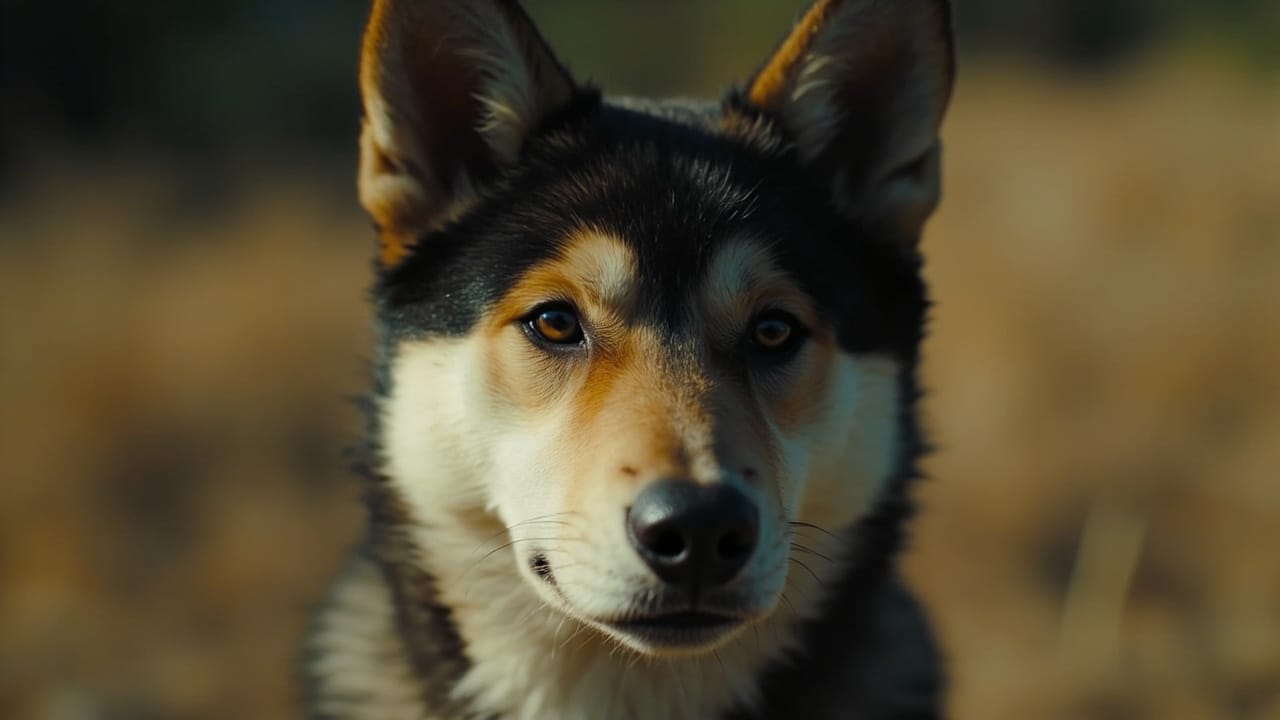
Um Shiba Inu pode absolutamente viver confortavelmente durante um verão grego, mas a pelagem dupla e espessa da raça significa que você precisa administrar ativamente o calor, em vez de esperar que o cão lide sozinho com ele. As chaves são manter seu Shiba dentro de casa, com ar-condicionado, durante o calor do meio-dia (aproximadamente das 11h00 às 17h00 em julho e agosto), limitar os passeios ao início da manhã e ao fim da tarde, fornecer água gelada constantemente e nunca deixar o cão dentro do carro. Com algumas rotinas estabelecidas, a maioria dos Shibas passa pelos verões de Atenas, Tessalônica e das ilhas sem problemas.
Por que a Pelagem do Shiba é Sua Amiga, Não Sua Inimiga
A pelagem dupla do Shiba é uma das características mais marcantes da raça e funciona como reguladora de calor, não como um forno. Os pelos externos refletem a luz do sol, enquanto o subpelo denso prende uma camada de ar fresco junto à pele. Tosar um Shiba "para mantê-lo fresco" remove esse isolamento e expõe a pele clara a queimaduras solares. Em vez disso, comprometa-se a escovar a pelagem duas a três vezes por semana durante o verão (diariamente durante as trocas sazonais de pelagem na primavera e no outono), para que o subpelo morto seja removido e o ar possa circular até a pele. Uma escova tipo slicker, um rastelo para subpelo e um secador de alta velocidade para a hora do banho são as três ferramentas mais importantes.
Crie uma Rotina Diária para o Verão Grego
- 05h30–07h30 – Passeio longo ou trilha antes de o sol estar alto. O piso deve passar no teste da parte de trás da mão: se você não conseguir segurar a palma sobre ele por 5 segundos, está quente demais para as almofadas das patas.
- 07h30–11h00 – Tempo ao ar livre em um quintal ou varanda com sombra. Um tapete refrescante colocado sobre pisos de cerâmica funciona muito bem; mármore e cerâmica permanecem naturalmente frescos nas casas gregas.
- 11h00–17h00 – Descanso rigoroso em ambiente interno com ar-condicionado ajustado para 23–25 °C. Isso não é negociável em julho e agosto, especialmente nas ilhas, onde a umidade pode ser alta.
- 17h00–19h00 – Segundo passeio assim que o piso esfriar. Leve um pote de água dobrável.
- 20h00–22h00 – Brincadeira, treino ou um passeio curto. Shibas são crepusculares por natureza e se dão muito bem com esse ritmo.
- 22h00–05h30 – Sono em ambiente interno, com ventilador ou ar-condicionado ligado, e pote de água no quarto.
Água, Ferramentas de Refrescância e o Truque do Piso da Cozinha
Água fresca deve estar disponível em pelo menos dois pontos da casa; adicione algumas pedras de gelo durante as ondas de calor. Muitos Shibas adoram uma pequena piscina inflável em um terraço com sombra, mas supervisione: um Shiba que decida que a piscina está abaixo da sua dignidade simplesmente não vai usá-la. Um colete refrescante (molhado e torcido antes dos passeios) é genuinamente útil para o passeio do fim da tarde. Coloque uma toalha úmida ou um tapete refrescante sobre os azulejos da cozinha ou do banheiro; Shibas rapidamente aprendem a se instalar na superfície mais fresca da casa, que é exatamente o comportamento que você deseja.
Fique Atento aos Sinais de Hipertermia
Como a pelagem densa esconde os sintomas iniciais, monitore de perto:
- Respiração ofegante excessiva ou silêncio repentino após respiração ofegante intensa
- Saliva espessa e em cordões
- Gengivas vermelhas vivas ou, mais tarde, gengivas pálidas/cinzentas
- Olhos vidrados, andar cambaleante ou colapso
- Vômito ou diarreia
Se você observar qualquer um desses sinais, leve o cão para a sombra ou ambiente com ar-condicionado, molhe a barriga, as patas e as orelhas com água fresca (não gelada) e chame o veterinário imediatamente. Na Grécia, clínicas de emergência operam em Atenas (por exemplo, nas regiões de Glyfada e Marousi), Tessalônica e na maioria das cidades grandes; salve o número mais próximo no seu celular antes do verão.
Carro, Viagens e Precauções em Férias
Nunca deixe um Shiba em um carro estacionado, mesmo na sombra e com as janelas entreabertas; a temperatura interna ultrapassa 50 °C em minutos. Para balsas e viagens rodoviárias às ilhas, agende a viagem para travessias noturnas ou partidas no início da manhã e leve um ventilador portátil à bateria, uma garrafa de água congelada para o cão se deitar contra e um tapete refrescante familiar. Se você voar com um Shiba no verão, insista em uma companhia aérea que transporte pets no porão climatizado e evite partidas entre junho e agosto, se possível.
Ajustes na Dieta e na Higiene
Umedeça levemente a ração ou adicione um pouco de água fresca às refeições nos dias mais quentes para aumentar a hidratação. Muitos criadores gregos de Shiba mudam para uma porção de verão um pouco mais leve porque o cão está menos ativo, mas resista a cortar a proteína; a pelagem e a saúde imunológica de um Shiba dependem dela. A frequência de escovação é a mudança de higiene com maior impacto; banhos a cada 3–4 semanas com um shampoo suave mantêm a pelagem limpa sem ressecá-la, e uma secagem com soprador após o banho remove o subpelo muito melhor do que qualquer rastelo.
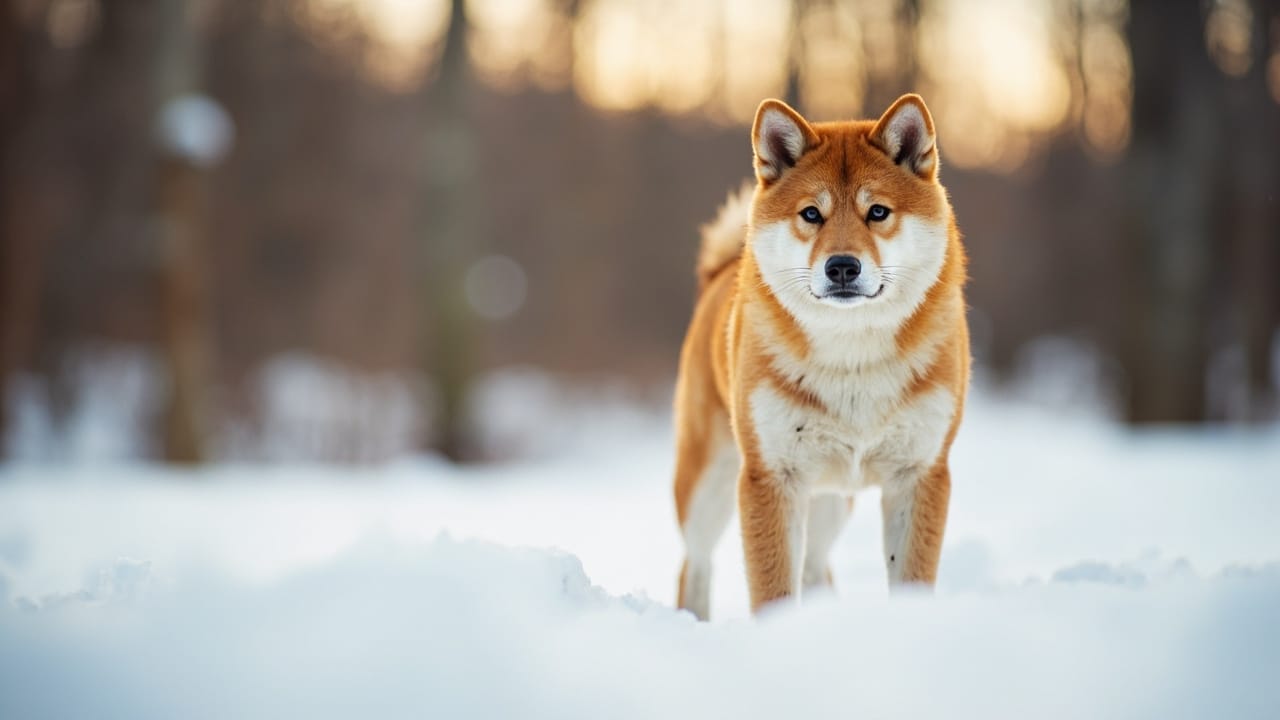
Um verão grego é administrável para a raça que viveu por séculos no clima montanhoso e úmido do Japão. Respeite a pelagem, controle as horas mais quentes, e seu Shiba vai retribuir com a mesma compostura calma e felina que mostra na neve de Nagano.
FAQ
Posso tosar meu Shiba Inu no verão para mantê-lo fresco?
Não. A pelagem dupla isola tanto contra o calor quanto contra o frio; tosar expõe a pele a queimaduras solares, pode causar danos foliculares que deixam a pelagem permanentemente áspera e, na verdade, deixa o cão mais quente. Em vez disso, escove o subpelo.
Qual temperatura é quente demais para passear com um Shiba Inu?
Tenha cautela quando a temperatura ambiente ultrapassar 28 °C e evite passeios quando a superfície do piso exceder cerca de 50 °C (o teste da parte de trás da mão). Fique apenas com passeios no início da manhã e no fim da tarde quando as máximas diurnas ultrapassarem regularmente os 30 °C.
Shibas Inu ofegam muito no calor?
Algum ofegar é normal, mas um Shiba que ofega intensamente por mais de 10–15 minutos após atividade leve, baba saliva espessa ou para de ofegar de repente está mostrando sinais de alerta de estresse por calor e deve ser refrescado e avaliado por um veterinário.
O ar-condicionado é necessário para um Shiba Inu na Grécia?
É fortemente recomendado de meados de junho até agosto, especialmente em Atenas, Tessalônica e nas ilhas, onde as noites permanecem acima de 25 °C. Um cômodo com sombra e bem ventilado, com ventilador, é aceitável em dias mais amenos, mas o ar-condicionado é a escolha mais segura durante ondas de calor.