Seu Shiba Inu Está Acima do Peso? Sinais, Peso Ideal e um Plano Seguro de Emagrecimento
Você pode perceber se seu Shiba Inu está acima do peso sentindo as costelas (devem ser fáceis de sentir sob uma fina camada de gordura), verificando se há uma cintura visível e pesando seu cão em relação ao padrão da raça de aproximadamente 8–10 kg (17–22 lb). A maioria dos Shibas perde peso com segurança em uma dieta medida e rica em proteínas, exercícios aeróbicos diários e zero restos de comida, com uma consulta veterinária para descartar hipotireoidismo.
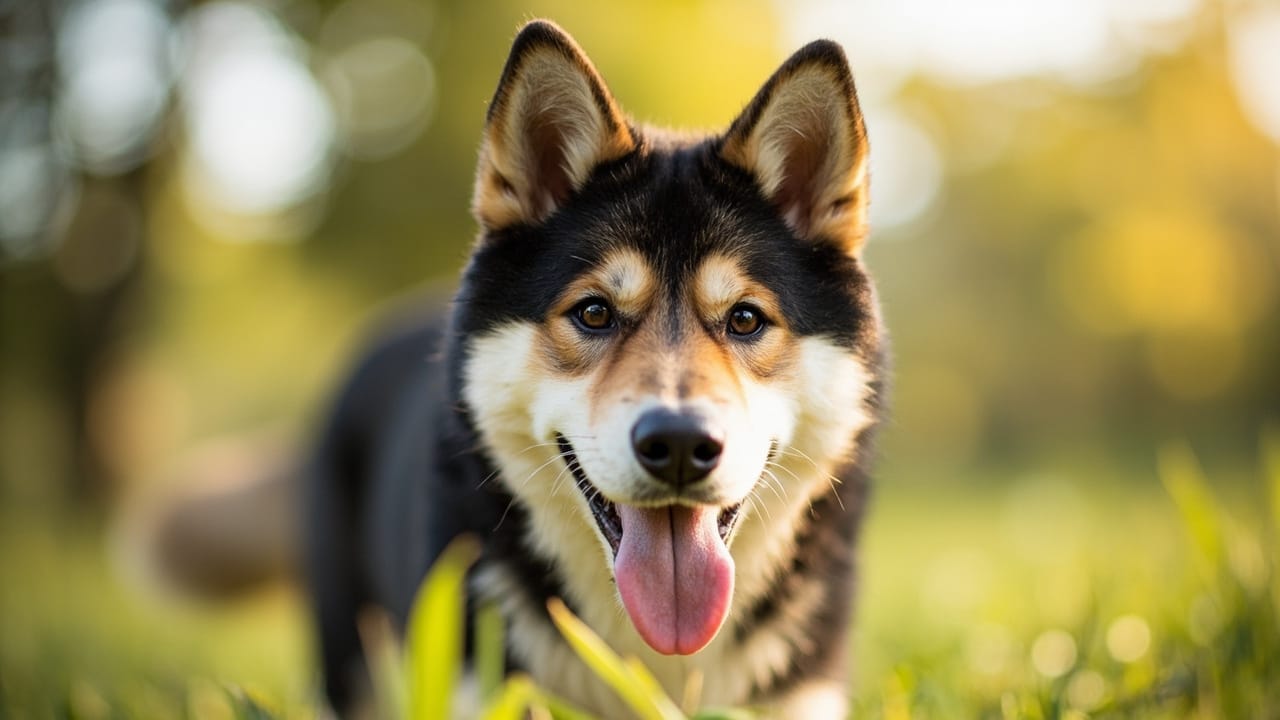
Se o seu Shiba Inu parece mais uma salsicha do que o cão atlético e raposo que você esperava, a resposta geralmente é sim — uma grande parte dos Shibas de estimação nos EUA carrega peso extra. A boa notícia: este é um dos problemas de saúde mais fáceis de corrigir na raça, e os Shibas geralmente respondem rápido a um plano estruturado porque foram criados para serem cães de trabalho, magros e ágeis na vegetação rasteira.
Como um Shiba Inu Saudável Deve Ser e Pesar
De acordo com o padrão da raça, machos adultos têm 35–43 cm (cerca de 10 kg / 22 lb) na cernelha e fêmeas 33–41 cm (cerca de 8 kg / 17 lb). Em condição corporal, um Shiba em forma deve:
- Ter costelas que você sente facilmente sob uma fina cobertura de gordura, como o dorso da sua mão
- Apresentar uma cintura clara quando visto de cima
- Ter uma subida abdominal (a linha da barriga sobe em direção aos quadris) quando visto de lado
- Não apresentar acúmulo visível de gordura na base da cauda ou na garupa
Veterinários classificam isso em uma Escala de Condição Corporal (BCS) de 1–9. Mire em 4–5 de 9. Qualquer coisa 6+ é acima do peso; 8–9 é obeso.
Verificações Rápidas em Casa Que Você Pode Fazer Hoje
- Teste das costelas: Pressione suavemente sobre a caixa torácica. Se você não conseguir sentir as costelas de forma alguma, seu Shiba está acima do peso.
- Teste de perfil: Observe seu cão de lado. Deve haver uma inclinação perceptível para cima do peito em direção à virilha. Uma linha reta ou caída significa excesso de gordura.
- Teste de cima: De cima, você deve ver uma forma de ampulheta — peito largo, cintura estreita. Um formato de travesseiro significa que é hora de agir.
- Pesagem: Use uma balança de bebê (segurando o cão) ou pergunte ao seu veterinário. Qualquer coisa acima de ~10–11 kg para um macho ou 9–10 kg para uma fêmea merece atenção.
- Verificação de energia: Ofegar após um passeio curto, relutar em pular no sofá ou "claudicação" que melhora com repouso podem estar relacionados ao peso.
Riscos Comuns à Saúde de um Shiba Acima do Peso
Shibas são incomumente longevos (13–16 anos), mas carregar quilos extras reduz essa expectativa de vida e piora condições às quais a raça é predisposta:
- Luxação patelar (deslocamento da rótula) — a carga extra agrava a articulação
- Displasia coxofemoral (cerca de 7,6% dos Shibas testados pelo OFA são afetados)
- Rupturas do ligamento cruzado
- Dermatite atópica (o tecido adiposo aumenta a inflamação nas dobras da pele)
- Hipotireoidismo, que tanto causa quanto é agravado pelo ganho de peso
- Intolerância ao calor — Shibas já são sensíveis ao calor devido à sua pelagem dupla e espessa
Quanto Alimentar um Shiba para Perda de Peso
Uma meta segura é perder 1–2% do peso corporal por semana. Dietas radicais causam perda muscular e efeito sanfona.
Passo a passo:
- Calcule as calorias: Um Shiba adulto médio precisa de aproximadamente 200–300 kcal/dia para perda de peso (vs. 350–450 para manutenção). Peça ao seu veterinário um valor exato de NER (Necessidade Energética de Repouso).
- Escolha uma ração rica em proteínas e pobre em carboidratos: Procure pelo menos 30% de proteína na matéria seca e menos de 10% de gordura. Muitos tutores trocam para uma ração de controle de peso ou uma dieta metabólica prescrita pelo veterinário.
- Meça cada refeição: Use uma balança de cozinha, não um copo medidor. Um Shiba de 10 kg emagrecendo geralmente come 60–90 g de ração seca por dia, divididos em duas refeições.
- Limite petiscos a ≤10% das calorias diárias: Isso significa 2–3 petiscos pequenos de treino (como frango liofilizado) e pronto.
- Zero restos de mesa: Arroz, pele de frango, queijo e "só uma beliscada" somam rápido em um cão deste tamanho.
Plano de Exercícios Que Realmente Funciona para Shibas
Shibas são inteligentes, independentes e têm forte instinto de caça — então passeios monótonos na guia não vão resolver. Um plano semanal sólido:
- Trabalho aeróbico diário: 45–60 minutos de caminhada rápida ou corrida
- 2–3 sessões de brincadeira de alta intensidade: flirt pole, buscar objetos em área segura ou agility
- Uma trilha ou passeio exploratório nos fins de semana para cansá-los mentalmente
- Forrageamento e enriquecimento: espalhe a ração no quintal, use um comedouro lento ou recheie um Kong para desacelerar a alimentação e reduzir a mendicância
Atenção: evite exercícios intensos no calor do verão. Shibas trocam de pelagem duas vezes por ano e superaquecem facilmente devido ao subpelo denso.
Quando Consultar o Veterinário
Agende uma consulta antes de iniciar qualquer dieta se seu Shiba:
- Ganhou peso repentinamente sem mudança na alimentação
- Está letárgico, perdendo pelo simetricamente ou tem pelagem opaca (possível hipotireoidismo)
- Tem dor articular ou dificuldade para se levantar (descartar displasia coxofemoral, luxação patelar ou artrite)
- Tem mais de 10 anos (mudanças metabólicas da terceira idade)
Seu veterinário pode fazer um painel tireoidiano (T4, TSH), verificar a glicose e confirmar se seu Shiba está saudável o suficiente para um programa de emagrecimento. Muitas clínicas oferecem avaliações de BCS gratuitas — use-as mensalmente para acompanhar o progresso.
Um Shiba magro é um Shiba feliz. Em 8–12 semanas de um plano medido, você deverá ver a definição da cintura visível, movimentos mais fáceis, pelagem mais brilhante e o retorno da clássica energia "Shiba 500". Persista — seu cão vai viver visivelmente mais tempo por esse esforço.
FAQ
Quanto deve pesar um Shiba Inu?
Machos adultos geralmente pesam cerca de 10 kg (22 lb) e fêmeas cerca de 8 kg (17 lb), com uma faixa de condição corporal saudável em vez de um número fixo. Use primeiro o teste das costelas e da cintura; um Shiba em forma tem costelas facilmente sentidas e uma cintura clara vista de cima.
Quanto devo alimentar meu Shiba Inu para perder peso?
A maioria dos Shibas acima do peso emagrece com segurança com 200–300 kcal por dia, divididos em duas refeições medidas de aproximadamente 60–90 g de uma ração rica em proteínas para controle de peso. Sempre pese a comida, mantenha os petiscos abaixo de 10% das calorias diárias e mire em uma perda de 1–2% do peso corporal por semana.
Por que meu Shiba Inu está ganhando peso mesmo com exercícios?
As causas mais comuns são superalimentação (ração medida mais petiscos, ossos e restos de mesa somam rápido), subestimar as calorias dos alimentos e hipotireoidismo — um problema conhecido na raça. Um veterinário pode fazer um painel tireoidiano e um cálculo calórico para identificar a causa.
Shiba Inus são propensos à obesidade?
Não são geneticamente propensos como Labradores, mas Shibas de estimação em lares ocidentais frequentemente se tornam acima do peso porque são muito motivados por comida para o seu tamanho, os tutores dão muitos petiscos e a pelagem espessa da raça esconde o ganho de peso até que seja significativo. Shibas magros são absolutamente a norma, não a exceção.
⚕️ This article is researched from the AKC and NIPPO breed standards, OFA/CHIC health data and veterinary sources. It is for general information only and is not a substitute for advice from your own veterinarian.