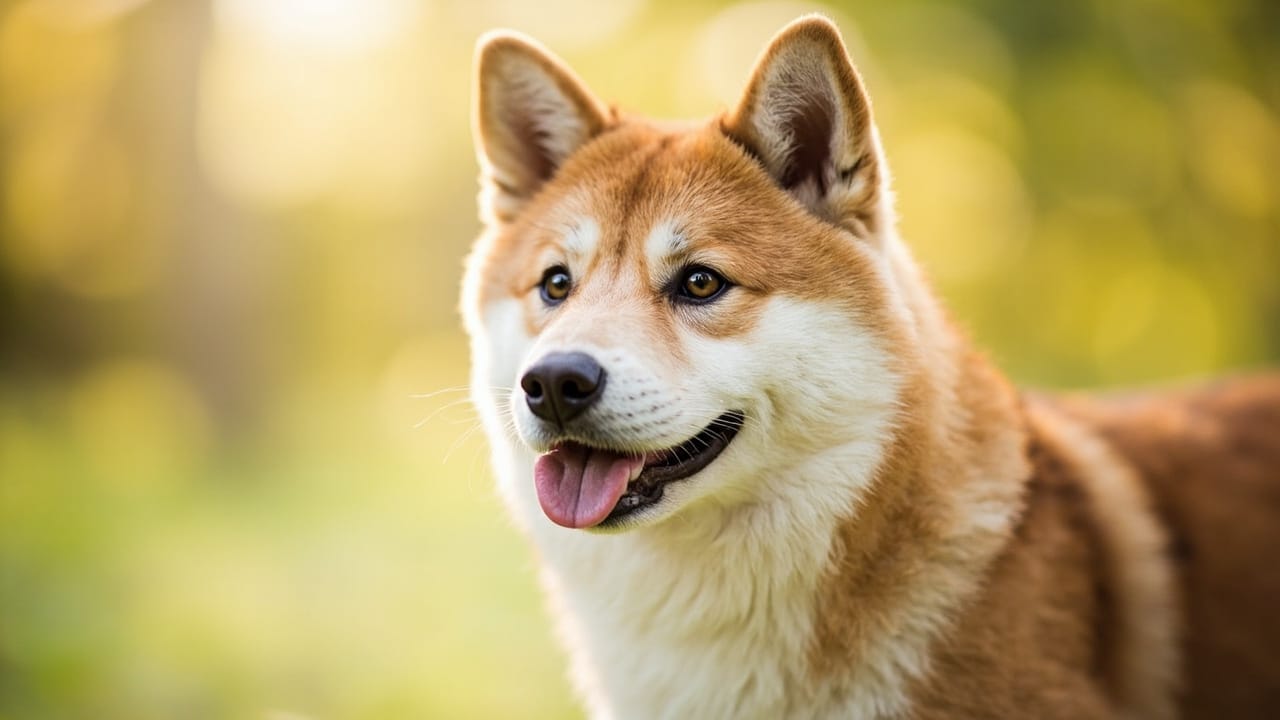
Como aparar as unhas de um Shiba Inu com segurança: guia passo a passo
Use cortadores afiados, próprios para cães, ou um esmeril, apare apenas a ponta curva de cada unha e pare bem antes do sabugo rosado. Shiba Inus têm unhas pretas, então retire fatias finíssimas e procure um centro oval cinza ou rosa antes de cortar mais. Recompense o comportamento calmo com petiscos e mantenha as sessões curtas (1–2 minutos) para evitar o temido grito do Shiba.

Aparar as unhas de um Shiba Inu raramente é um trabalho de uma pessoa em um minuto. Essa raça independente e frequentemente sensível ao toque costuma protestar durante o corte de unhas com o famoso grito do Shiba, congela as patas ou se afasta. A chave para a segurança é usar as ferramentas corretas, identificar o sabugo (especialmente nas unhas escuras) e manter sessões breves e positivas. Com consistência, a maioria dos Shibas aceita o corte de unhas na vida adulta.
Ferramentas que você realmente precisa
- Cortadores: Estilo guilhotina (Resco) ou estilo tesoura (Millers Forge). Ambos funcionam; escolha o que for mais estável na sua mão.
- Esmeril: Uma ferramenta rotativa (Dremel 8050 com protetor de unha) suaviza as pontas e arredonda o sabugo com o tempo. Modelos sem fio e mais silenciosos são os melhores para Shibas sensíveis a ruído.
- Pó estíptico (Kwik Stop): Inegociável. Deixe-o aberto e ao alcance antes de começar.
- Petiscos: De alto valor, macios e que possam ser dados com uma mão (fígado liofilizado, queijo).
- Opcional: Um tapete antiderrapante para que as patas não escorreguem, e um ajudante nas primeiras sessões.
Evite cortadores de unha humanos, que esmagam e racham a unha lateralmente. Também evite lâminas velhas e cegas: elas esmagam em vez de cortar, o que é a principal causa de um surto do Shiba.
Identifique o sabugo antes de cortar
O sabugo é o tecido vivo dentro da unha, cheio de vasos sanguíneos e nervos. Cortá-lo é doloroso e sangra bastante. Shiba Inus normalmente têm:
- Unhas brancas/creme: o sabugo é o núcleo rosa visível. Pare 2–3 mm antes dele.
- Unhas vermelhas, sésamo ou pretas-e-castanhas: o sabugo fica escondido. Procure um pequeno círculo escuro ou um oval cinza no centro da seção transversal enquanto retira finas camadas da ponta.
Uma boa regra: se a unha encosta no chão e você ouve um clique no piso ou taco, está comprida demais. O objetivo é tirar do chão, não encurtar drasticamente a unha.
Passo a passo para o corte
- Espere o Shiba ficar calmo. Um Shiba cansado (após um passeio ou brincadeira) coopera mais do que um cão no modo zoomies. Evite a janela do Shiba 500.
- Segure a pata com firmeza, mas sem brutalidade. Pressione a almofada para expor a unha. Segure o dedo, não a pata inteira.
- Corte a ponta em ângulo de 45°, paralela ao chão quando a pata está em pé. Retire apenas 1–2 mm por vez nas unhas escuras.
- Verifique a seção transversal. Centro branco/pálido = seguro para tirar mais uma fatia. Oval cinza ou rosa = pare, é o sabugo.
- Vá para a próxima unha. Comece com uma pata por sessão. Aumente para as quatro ao longo de semanas.
- Recompense após cada unha, não apenas no final. Isso condiciona o cão a entender que ficar parado vale a pena.
Se usar um esmeril, apresente-o em baixa potência por 2 segundos de cada vez em uma pata traseira antes de aumentar. Não esqueça os ergôs na parte interna das patas dianteiras, que frequentemente crescem em círculo e se encravam na almofada se forem negligenciados.
O que fazer se você atingir o sabugo
Mantenha a calma. Seu pânico ensina ao Shiba que cortar unhas é assustador.
- Mergulhe a unha em pó estíptico e faça pressão suave por 10–15 segundos.
- Se não tiver pó estíptico, uma barra de sabão pressionada contra a unha ou um pouco de amido de milho também funcionam.
- Ofereça petiscos e pare a sessão. Retome em 2–3 dias.
O sangramento parece pior do que é, mas arde. Muitos Shibas lembram de um único “incidente com o sabugo” por anos, então a prevenção é essencial.
Frequência e manutenção
Apare a cada 2–3 semanas para Shibas que vivem em ambientes internos; semanalmente para cães em pisos macios. Quanto mais frequente o corte, mais longo você pode manter o sabugo, incentivando-o a recuar. Para Shibas mais velhos ou com artrite (comum após os 10 anos), apare as unhas com mais frequência para reduzir escorregões em pisos de madeira.
Uma esmerilada de 7–9 minutos a cada 10 dias é a rotina de manutenção mais fácil, especialmente para uma raça que odeia ser contida.
Treinando o Shiba Inu para aceitar o corte
- Dessensibilização: Manipule as patas diariamente desde filhote. Associe com petiscos.
- Contracondicionamento: Encoste o cortador na unha sem cortar e dê um petisco. Avance ao longo de dias, não de minutos.
- Evite força: Nunca segure pelo cachaço ou imobilize um Shiba gritando. A confiança evapora e a próxima sessão será pior.
- Use um peitoral com fixação frontal ou o colo de um ajudante para estabilidade, em vez de contenção forçada.
A maioria dos Shiba Inus coopera com o cuidado das unhas entre os 2–3 anos de idade, se o treino for consistente. Uma visita ao tosador custa $15–$40 e é um bom recurso caso o corte em casa se torne uma batalha.
Quando procurar um veterinário ou tosador
Pare com o corte em casa e agende um profissional se as unhas estiverem:
- Enrolando para dentro da almofada
- Rachadas, partidas ou infeccionadas
- Pretas, grossas e quebradiças (possíveis problemas fúngicos ou imunológicos)
Também mencione as unhas na triagem anual sugerida pelo CHIC para Shibas (OFA de quadril, patela e exame oftalmológico CERF), pois unhas quebradiças ou de crescimento lento podem indicar hipotireoidismo na raça.
Com as ferramentas certas, uma sessão de 2 minutos e um tutor calmo, o corte de unhas vira rotina em vez de um evento de grito do Shiba.
FAQ
Quão curtas devo cortar as unhas de um Shiba Inu?
Corte logo acima do sabugo para que a unha não encoste no chão quando o cão estiver em pé. Em unhas escuras, retire fatias de 1–2 mm até ver um oval cinza ou rosa no centro, então pare.
Com que frequência os Shiba Inus precisam aparar as unhas?
A cada 2–3 semanas para a maioria dos Shibas adultos. Cães ativos em asfalto podem precisar de cortes a cada 4–6 semanas, enquanto cães de interior ou mais velhos geralmente precisam a cada 2 semanas.
Posso usar um Dremel em um Shiba Inu?
Sim. Um Dremel sem fio, como o 8050, com uma banda de lixa funciona bem. Apresente-o em baixa potência por 2 segundos de cada vez e sempre ofereça petiscos; a vibração pode assustar Shibas sensíveis a ruído.
O que acontece se eu cortar o sabugo?
Sangra e arde, mas não é perigoso. Aplique pó estíptico ou amido de milho com pressão firme por 10–15 segundos, dê um petisco e pause a sessão por alguns dias.