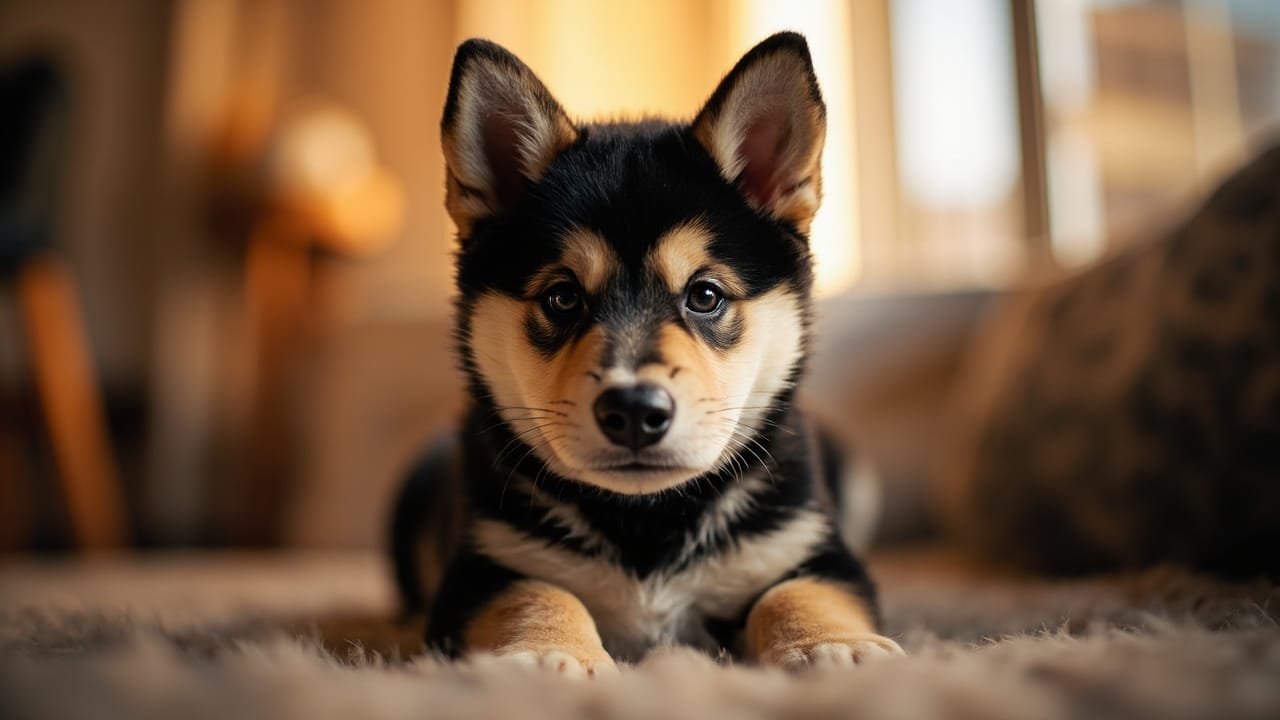
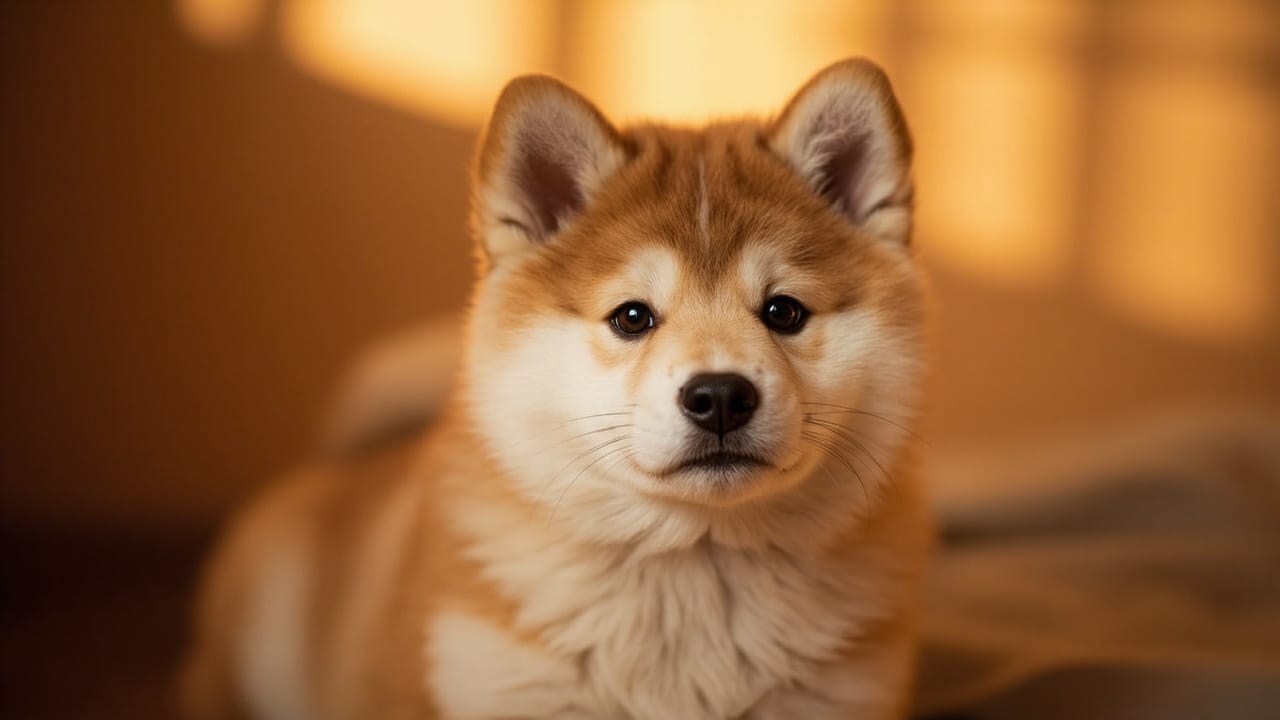
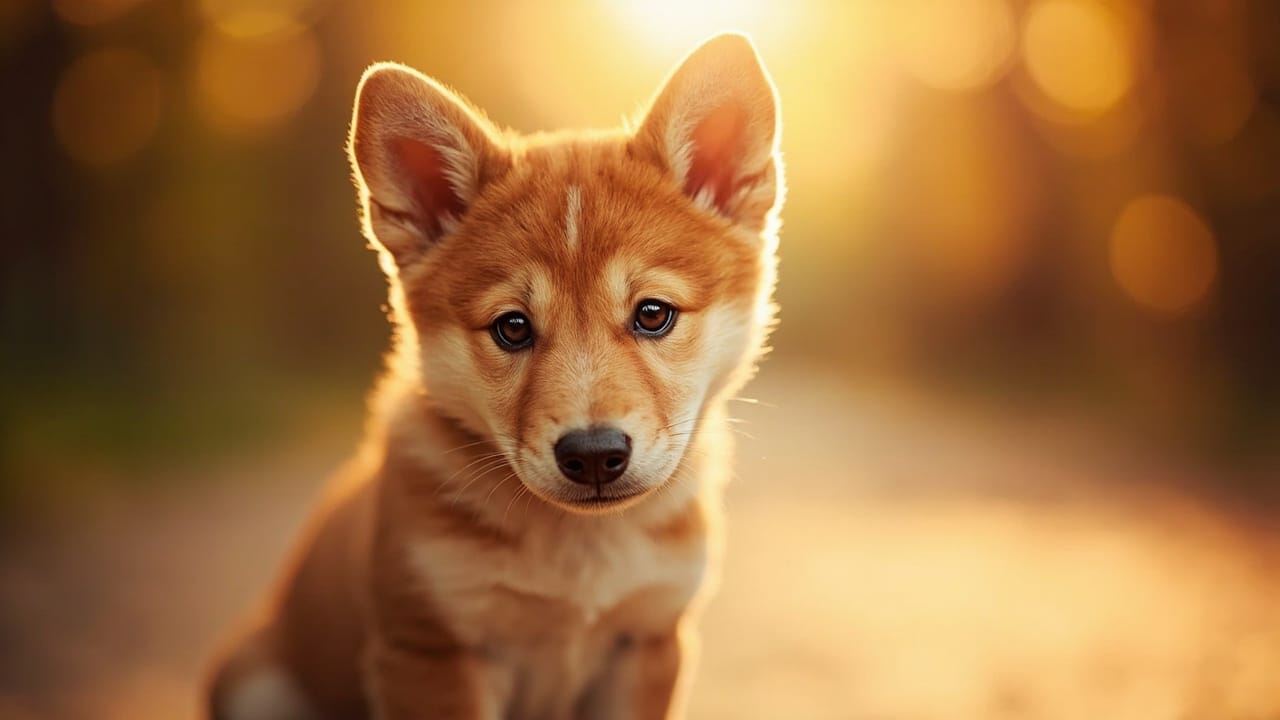
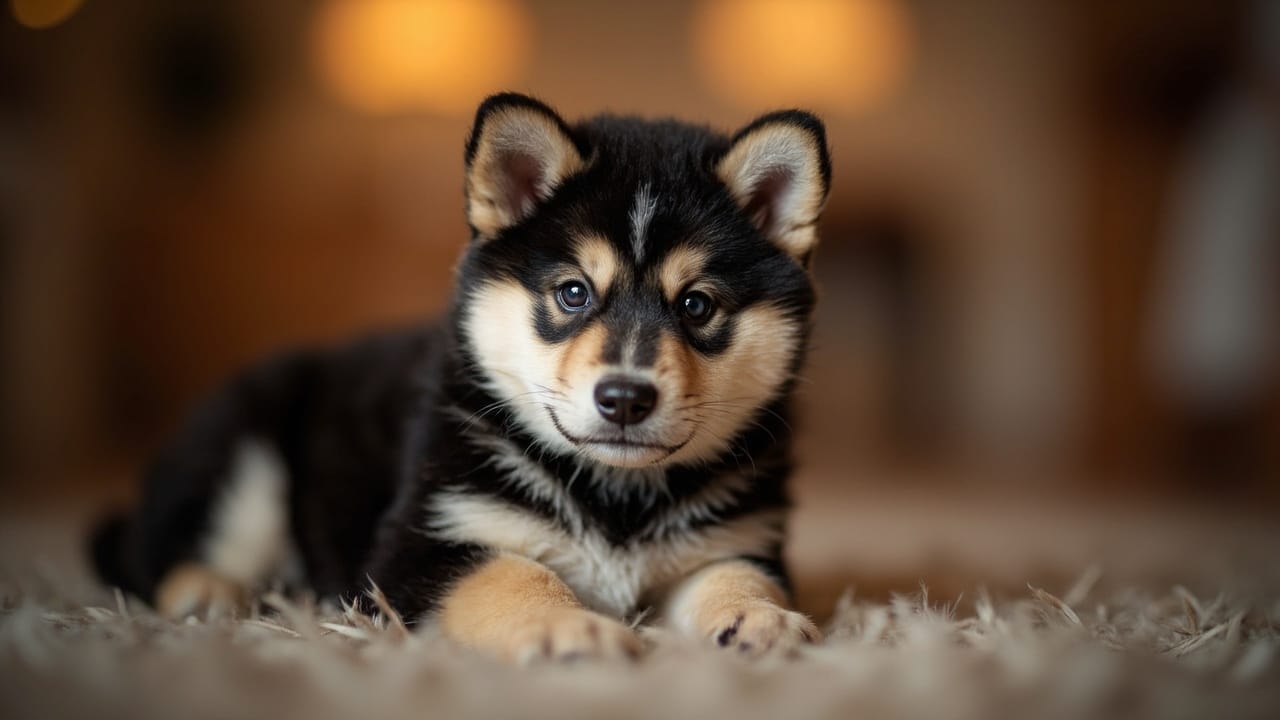
Devo Ter um Shiba Inu se Tenho Crianças Pequenas? Um Guia Honesto
Resposta honesta: a maioria dos criadores, grupos de resgate e behavioristas não recomendam criar um Shiba Inu com crianças pequenas. Shibas são pequenos (cerca de 8–10 kg), independentes, com forte instinto de presa e intolerantes a manejo brusco, o que coloca tanto a criança quanto o cachorro em risco. Muitas famílias esperam as crianças terem pelo menos 5–7 anos antes de adicionar um Shiba.
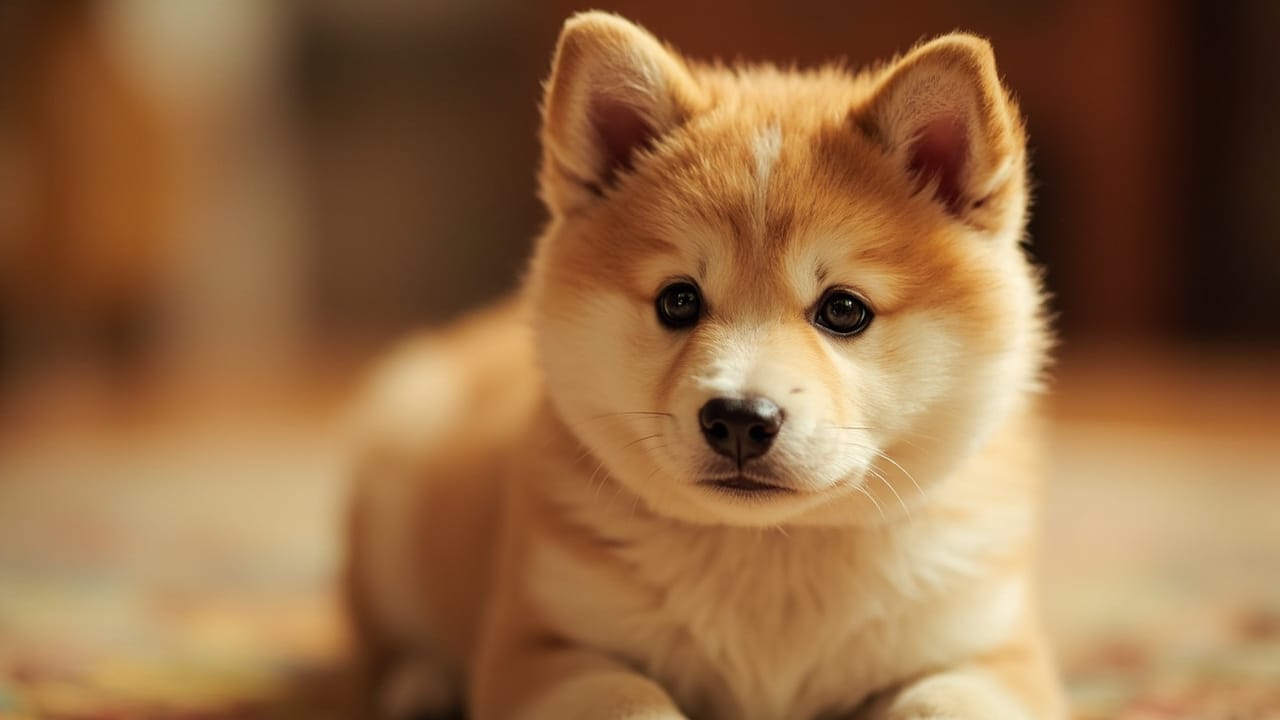
A maioria dos criadores e proprietários experientes de Shiba Inu dirá a mesma coisa: um Shiba Inu e uma criança pequena na mesma casa é uma das combinações mais difíceis na convivência com cães. A raça não é agressiva por natureza, mas é distante, tem baixa tolerância a ser escalado, ter as orelhas puxadas ou ser assustada, e se defende rapidamente. Uma criança pequena é exatamente o tipo de criatura imprevisível, pegajosa, barulhenta e agitada com a qual os Shibas tendem a reagir com esquiva, estalos de aviso ou — nos piores casos — uma mordida.
Isso não significa que toda casa com Shiba e criança pequena termina mal. Significa que você precisa entrar de olhos abertos, escolher o indivíduo certo, estabelecer regras rígidas e aceitar que, nos próximos anos, sua vida vai girar em torno de manejo.
Por que os Shibas São Difíceis com Crianças Pequenas
- Diferença de tamanho na direção errada. Machos pesam até cerca de 10 kg e fêmeas até cerca de 8 kg. É pequeno o suficiente para que uma criança derrube um, mas grande o suficiente para causar uma mordida séria no rosto ou nas mãos da criança.
- Baixa tolerância ao manejo. Shibas foram criados como cães de caça independentes, não como cães de colo. Geralmente não apreciam carinho prolongado, abraços ou serem segurados. Uma criança que sobe em cima ou abraça um Shiba está pedindo uma correção.
- Forte instinto de presa. Crianças pequenas gritam, correm e se debatem — tudo isso pode disparar respostas de perseguição e captura. Shibas também costumam ter alto instinto de presa em relação a animais pequenos e crianças pequenas e rápidas.
- Tendência a guardar recursos. Comida, brinquedos, camas e até uma pessoa favorita podem ser guardados. Uma criança que se aproxima de um Shiba comendo ou mastigando está em risco elevado.
- Energia de artista de fuga. A famosa "Shiba 500" (zoeira) e as habilidades de fuga nível Houdini criam problemas reais de segurança perto de piscinas, portas e ruas movimentadas quando você também está perseguindo uma criança pequena.
- O grito do Shiba. Quando assustados ou incomodados, os Shibas soltam um grito apavorante que é genuinamente perturbador para crianças pequenas.
Quando Pode Funcionar
Um Shiba pode ser razoável em uma casa com uma criança pequena se todas as seguintes condições forem verdadeiras:
- O Shiba vem de uma linhagem com temperamento testado e tem documentação de nervo estável.
- O cão é adulto (acima de 2–3 anos) cujas reações a crianças já são conhecidas — idealmente, foi lar temporário ou testado com crianças antes da adoção.
- Os pais se comprometem com manejo ativo constante: nunca deixar cão e criança sem supervisão, portões em todos os cômodos, grades de segurança nas escadas e um canil onde o cão realmente descanse feliz.
- A família tem um plano realista para os próximos 3–5 anos, incluindo orçamento para um behaviorista, se necessário.
- Você tem um espaço seguro (cômodo separado, canil, cercado) para o qual o cão possa se retirar e onde as crianças nunca possam entrar.
Se mesmo uma dessas condições estiver frágil, o risco aumenta muito.
O que Criadores e Resgates Realmente Dizem
A maioria dos criadores de Shiba nos EUA simplesmente se recusará a colocar um filhote em uma casa com criança menor de 5–7 anos. Isso não é elitismo — é experiência falando. Criadores responsáveis já viram devoluções, incidentes de mordida e crises de realocação que quase sempre voltam a um bebê ou criança pequena chegando a uma casa que antes era calma.
Grupos de resgate são ainda mais cautelosos. Organizações nacionais de resgate de Shiba geralmente exigem que as crianças da casa tenham pelo menos 5–8 anos, e muitos não adotam um Shiba adulto com histórico conhecido de mordidas para uma casa com qualquer criança.
Um Caminho Melhor: Esperar, ou Escolher Outra Raça
Se você puder esperar 2–3 anos até a criança estar em idade escolar, um Shiba se torna uma escolha muito mais realista. Crianças de 5–7 anos geralmente entendem "deixe o cachorro em paz", conseguem ler linguagem corporal e param de tentar montar no cachorro como se fosse um cavalinho.
Se você não puder esperar, raças que são comprovadamente melhores com crianças pequenas incluem Cavalier King Charles Spaniels, Bernese Mountain Dogs, Labradores, Golden Retrievers e muitos cruzamentos com Poodle. Nenhuma delas é perfeita, mas foram selecionadas por gerações para serem tolerantes, de boca macia e voltadas para crianças de formas com as quais o Shiba não foi.
Configuração Prática se Você Já Tem os Dois
Se você já tem um Shiba e um bebê está a caminho, ou um Shiba acabou de chegar a uma casa com uma criança pequena:
- Ensine ao cão um bom comando de "lugar" ou de canil antes de o bebê começar a engatinhar.
- Coloque grades de segurança em todas as portas que o cão possa usar para se retirar ou fugir.
- Alimente e ofereça petiscos ao cão longe das crianças, sempre, sem exceções.
- Pague por uma ou duas sessões com um behaviorista que utilize reforço positivo e tenha credenciais (CDBC, CBCC-KA ou DACVB) para montar um plano de manejo e reforço positivo.
- Fique atento aos sinais de alerta: enrijecimento, olhar duro, congelamento, lambedura de lábios, "olho de baleia", rosnado, mostrada de dentes, estalo. Qualquer um deles significa que o cão ultrapassou o limite e a situação já deu errado.
Um Shiba é uma das raças mais gratificantes que se pode ter — para a família certa. Uma casa com uma criança pequena, na maioria dos casos, não é essa família.
FAQ
Shiba Inus são agressivos com crianças?
Não por padrão, mas os Shibas são famosos pela baixa tolerância a manejo brusco, abraços e serem escalados. São mais propensos a estalar ou morder defensivamente do que uma raça familiar típica como Labrador ou Cavalier, e é por isso que a maioria dos criadores não coloca filhotes em casas com crianças menores de 5–7 anos.
A partir de qual idade é seguro ter um Shiba Inu perto de crianças?
A maioria dos criadores e grupos de resgate quer que as crianças da casa tenham pelo menos 5–8 anos, idealmente 7+, para que a criança entenda limites, consiga ler a linguagem corporal do cão e tenha parado de tentar montar no cachorro.
Algum Shiba Inu já foi bom com uma criança pequena?
Sim, mas é a exceção e não a regra. Geralmente exige um cão adulto excepcionalmente estável, uma linhagem com temperamento testado e pais dispostos a fazer manejo ativo constante — cômodos separados, canis, grades de segurança e contato zero sem supervisão.
Devo doar meu Shiba porque vou ter um bebê?
Não necessariamente. Com preparo — um canil ou cômodo seguro, grades de segurança, consulta com um behaviorista e introduções lentas e positivas — muitos Shibas se adaptam bem. O importante é começar o manejo muito antes de o bebê começar a engatinhar e nunca deixar o cão e a criança sozinhos juntos sem supervisão.