Cât de mult ar trebui să hrănești un Shiba Inu pe zi? (Ghid complet)
Un Shiba Inu adult are nevoie, de obicei, de 1 până la 1,5 căni de crochete de înaltă calitate pe zi, împărțite în două mese. Puii necesită 3-4 mese zilnic dintr-o formulă pentru rase mari, în timp ce Shiba seniori sau mai puțin activi pot avea nevoie de aproximativ 1 cană. Porțiile exacte depind de greutate, nivelul de activitate, densitatea calorică a hranei și scorul condiției corporale.
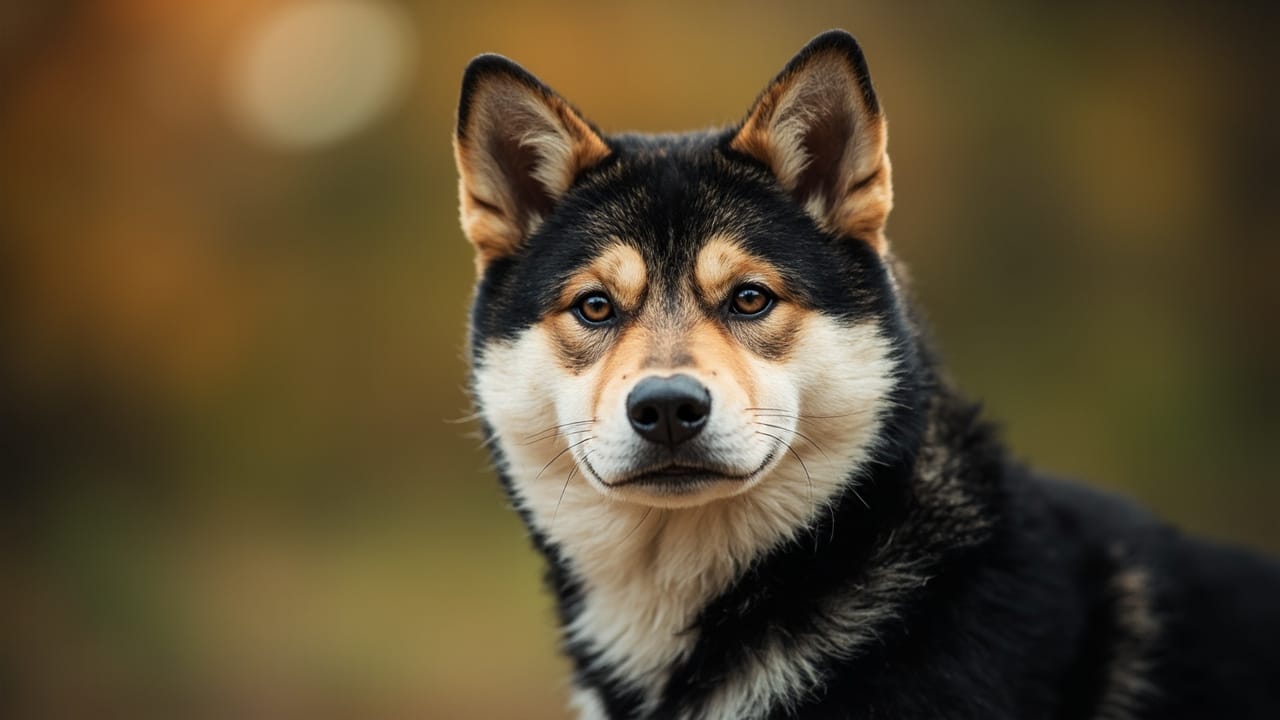
Cât de mult ar trebui să hrănești un Shiba Inu pe zi?
Dacă deții sau plănuiești să aduci acasă un Shiba Inu, este esențial să știi exact cât de mult să-l hrănești pentru sănătatea lui pe termen lung. Ca regulă generală, un Shiba Inu adult (în medie 8 kg / 17-18 lb) are nevoie de aproximativ 1 până la 1,5 căni (circa 200-350 g) de crochete premium pe zi, împărțite în două mese. Puii, seniorii și câinii foarte activi se vor situa în afara acestui interval. Cantitatea exactă depinde de patru variabile: greutatea corporală, nivelul de activitate, conținutul caloric al hranei și metabolismul individual al câinelui tău.
Cantitatea zilnică de hrană în funcție de etapa de viață
Pui (8 săptămâni – 6 luni) Puii Shiba în creștere ard multă energie și ar trebui hrăniți cu o formulă pentru pui de rase mari, pentru a susține o creștere constantă (nu prea rapidă). Hrănește-i de 3-4 ori pe zi.
- 2-4 luni: aproximativ 1/3 până la 1/2 cană per masă (1-2 căni total zilnic)
- 4-6 luni: aproximativ 1/2 până la 3/4 cană per masă (1,5-2,5 căni total zilnic)
- 6-12 luni: tranziție la 2 mese, aproximativ 1-1,5 căni total zilnic
Adulți (1-7 ani) Majoritatea Shiba-ilor adulți și sănătoși se dezvoltă bine cu 1 până la 1,5 căni de crochete de calitate pe zi, împărțite în două mese egale. Câinii de muncă, drumeție sau foarte activi pot avea nevoie de până la 2 căni.
Seniori (7+ ani) Shiba seniori, mai puțin activi, se descurcă adesea cel mai bine cu 3/4 până la 1 cană pe zi, ideal cu o formulă senior cu suport articular (glucozamină, omega-3). Shiba este una dintre cele mai longevive rase, ajungând adesea la 13-16 ani, așa că ajustarea caloriilor la bătrânețe ajută la prevenirea problemelor legate de obezitate.
Cum să calculezi porțiile exacte din calorii
Mai degrabă decât să te bazezi pe măsurarea cu cana, cea mai precisă metodă este să calculezi necesarul caloric zilnic al câinelui tău (RER x factor de activitate):
- Necesarul energetic de repaus (RER) = 70 x (greutatea corporală în kg)^0,75
- Înmulțește cu un factor de activitate:
- Câine adult tipic: 1,4-1,6
- Câine activ / de muncă: 1,8-2,0
- Senior / mai puțin activ: 1,2-1,4
Exemplu pentru un Shiba adult de 8 kg:
- RER = 70 x 8^0,75 = 333 kcal
- Necesar zilnic = 333 x 1,4 = ~466 kcal
- Dacă crochetele conțin 380 kcal per cană, hrănește cu aproximativ 1,25 căni pe zi.
Alegerea hranei potrivite
Shiba se descurcă excepțional de bine cu diete bogate în proteine și moderate în grăsimi. Caută:
- Proteine: 25-30% (din surse animale, carne numită, cum ar fi pui, somon sau curcan)
- Grăsimi: 12-16%
- Omega-3 (EPA/DHA): susține sănătatea pielii (Shiba sunt predispuși la dermatita atopică) și a blănii în perioada de năpârlire sezonieră
- Fără umpluturi: evită porumbul, grâul, soia ca ingrediente principale
- Suport articular: glucozamina și condroitina sunt utile pentru o rasă cu o incidență raportată a displaziei de șold de aproximativ 7,6%
Evită dietele "BEG" fără cereale decât dacă sunt recomandate în mod specific de medicul veterinar — FDA a asociat unele formule fără cereale cu cardiomiopatia dilatativă (DCM) la anumite rase.
Evaluarea condiției corporale a câinelui tău
Numărul de căni este un punct de plecare, nu o regulă. Folosește Scorul Condiției Corporale (BCS) pentru a ajusta porțiile:
- Ideal (BCS 4-5/9): coastele se simt ușor, talia vizibilă de sus, tuck abdominal prezent.
- Prea slab (BCS 1-3): coastele, coloana și oasele șoldului vizibile. Crește hrana cu 10-20%.
- Prea gras (BCS 6-9): coastele greu de simțit, fără talie. Redu porțiile cu 10-25% și crește exercițiul.
Cântărește-ți Shiba lunar. Masculii adulți ar trebui să se mențină în jur de 10 kg, femelele în jur de 8 kg, dar zveltul este mai sănătos decât gras la această rasă.
Greșeli frecvente de hrănire de evitat
- Hrănirea la liber: duce la creștere rapidă în greutate. Shiba adoră mâncarea și vor mânca în exces dacă li se permite.
- Prea multe recompense: recompensele nu trebuie să depășească 10% din caloriile zilnice (aproximativ 40-50 kcal pentru un adult).
- Sărind peste tranziția între mese: când schimbi hrana, amestecă 25/75, 50/50, 75/25 pe parcursul a 7-10 zile pentru a evita tulburările gastrointestinale.
- Hrănirea cu resturi de masă: ceapa, usturoiul, ciocolata, strugurii și xilitolul sunt toxice.
- Suplimentarea excesivă cu calciu la pui: poate cauza probleme scheletice la o rasă deja predispusă la displazia de șold.
Tabel rapid de referință pentru hrănire
| Etapa de viață | Mese/zi | Cantitate zilnică totală (căni) |
|---|---|---|
| Pui 2-4 luni | 3-4 | 1 - 2 |
| Pui 4-6 luni | 3 | 1,5 - 2,5 |
| Pui 6-12 luni | 2 | 1 - 1,5 |
| Adult (tipic) | 2 | 1 - 1,5 |
| Adult activ | 2 | 1,5 - 2 |
| Senior | 2 | 0,75 - 1 |
Ajustează la fiecare 2-4 săptămâni pe baza condiției corporale, nu doar a recomandării de pe pungă, deoarece acestea sunt generice și suprahrănesc rasele mici cu 20-30% în medie. Cu porții adecvate, Shiba tău va menține o greutate sănătoasă, o blană lucioasă pe parcursul năpârlirii sezoniere și o durată de viață la capătul superior al intervalului de 13-16 ani.
FAQ
Câte căni de hrană ar trebui să mănânce un Shiba Inu pe zi?
Un Shiba Inu adult mănâncă de obicei 1 până la 1,5 căni de crochete de înaltă calitate pe zi, împărțite în două mese. Adulții activi pot avea nevoie de până la 2 căni, în timp ce seniorii se descurcă adesea bine cu 3/4 până la 1 cană.
Cât de des ar trebui să-mi hrănesc puiul de Shiba Inu?
Puii de Shiba trebuie hrăniți de 3-4 ori pe zi până la vârsta de 6 luni, apoi se face tranziția la 2 mese pe zi. Folosește o formulă pentru pui de rase mari pentru a asigura o creștere lentă și constantă și a reduce riscul problemelor articulare.
Care este cea mai bună hrană pentru un Shiba Inu?
Cea mai bună hrană este crochetele bogate în proteine (25-30%), cu conținut moderat de grăsimi (12-16%), cu proteine animale numite, acizi grași omega-3 pentru sănătatea pielii și nutrienți pentru susținerea articulațiilor, cum ar fi glucozamina. Evită dietele fără cereale decât dacă sunt prescrise de medicul veterinar.
Cum știu dacă îmi suprahrănesc Shiba Inu-ul?
Simte coastele câinelui — ar trebui să se simtă ușor fără a apăsa tare, cu o talie vizibilă de sus. Dacă nu poți simți ușor coastele, nu se observă talia sau Shiba-ul tău cântărește mai mult de 11 kg (masculi) sau 9 kg (femele), redu porțiile cu 10-25%.
Continuă să citești
 Dieta de eliminare pentru alergiile alimentare la Shiba Inu: Ghid complet
 Ar trebui un Shiba Inu să mănânce hrană fără cereale pentru câini? Ghid informat de veterinar
 Cea mai bună hrană pentru Shiba Inu senior: Ghid complet de nutriție (2024)
 Shiba Inu mofturos la mâncare: cauze, soluții și când să te îngrijorezi